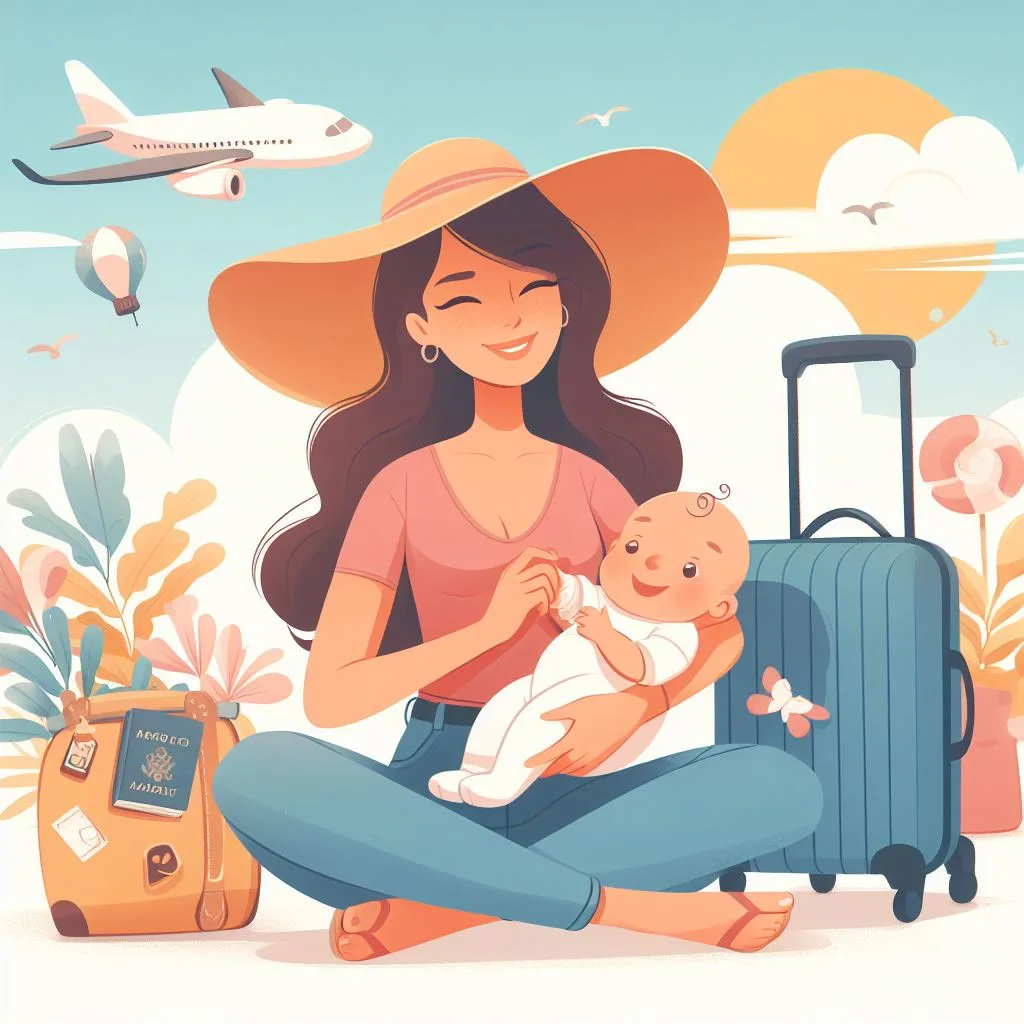
Traveling with a baby can be a daunting prospect for new parents. Concerns about baby’s comfort, feeding times, and nap schedules can turn what should be an exciting adventure into a stress-filled journey. However, with the right preparation and mindset, you can ensure a smoother trip for the entire family. In this article, we will explore some essential tips for traveling with your little one, making sure that everyone has an enjoyable experience.
Choose the Right Destination
Selecting a baby-friendly destination is crucial. Look for places with family-friendly accommodations, easy access to medical facilities, and minimal travel time to avoid long stretches in a car or plane that could upset your baby.
What to Pack
Packing efficiently is key when traveling with a baby. Ensure you have all the essentials such as diapers, wipes, baby food, extra clothes, and a first-aid kit. Don’t forget comfort items like your baby’s favorite toy or blanket to help soothe them during the trip.
Accommodation Tips
When booking accommodations, inquire about the availability of cribs or baby beds. If possible, choose a room with a kitchenette to make preparing bottles and baby food easier. Also, consider the room’s location to avoid noisy areas that could disturb your baby’s sleep.
Traveling by Plane
Flying with a baby requires extra planning. Book flights during your baby’s usual naptime if possible. During takeoff and landing, have your baby suck on a pacifier or bottle to help with ear pressure. Walk around the cabin periodically to soothe and distract your baby if they become fussy.
On the Road
If you’re traveling by car, plan for frequent stops to change diapers and allow your baby to stretch. A portable changing pad can be a lifesaver during road trips. Also, protect your baby from the sun with window shades and ensure their car seat is properly installed.
Navigating Airport Security and TSA Regulations
Moving through security with an infant requires a strategic approach to minimize stress. Understand that you are allowed to carry more than the standard 3.4-ounce liquid limit for breast milk, formula, and baby food; however, you must declare these items to the TSA officer before screening begins. It is highly recommended to pack these in a separate, easily accessible bag to expedite the inspection process. Be prepared for “additional screening,” which often involves testing your liquids for explosives using specialized equipment. For the baby, you will be required to remove them from their stroller or carrier to go through the metal detector. If you are traveling solo, do not hesitate to ask a TSA agent for assistance; they are generally very accommodating in helping hold a bag or guiding you through the process while you manage your baby and the stroller. Always opt for a gate-check tag for your stroller and car seat, allowing you to use them until the very last moment before boarding the aircraft.
Strategic Clothing Choices for Both Parent and Child
The secret to managing a baby on the move is the layered approach. For the baby, use “onesie-style” outfits with snaps that allow for quick diaper changes without fully undressing them in public restrooms or cramped airplane seats. Avoid overly complicated buttons or zippers that become frustrating when you are pressed for time. For yourself, prioritize comfort and utility: wear clothes with deep pockets and choose fabrics that are stain-resistant and easy to wash. A dedicated “parent uniform”—perhaps a comfortable jumpsuit or stretchy pants paired with a nursing-friendly top—can make the transition from travel to destination much smoother. Always pack two full changes of clothes for the baby in your carry-on, but also tuck a clean t-shirt for yourself into your diaper bag. Spit-ups and diaper blowouts are an inevitable part of travel, and being prepared to change your own clothes will prevent you from sitting in soiled garments for the remainder of your journey.
Managing Time Zone Transitions and Jet Lag
When crossing multiple time zones, the disruption to a baby’s circadian rhythm is significant. To mitigate this, start shifting your baby’s schedule by 30 to 60 minutes each day for three days before your departure. If you are heading east, push bedtime and naps slightly earlier; if heading west, push them later. Once you arrive at your destination, expose your baby to natural sunlight as much as possible during the day. Sunlight is the most potent regulator of melatonin production and will help your baby synchronize their internal clock to the new local time. Avoid keeping the room completely dark during daytime naps for the first day or two, as this encourages the baby to distinguish between day and night in the new environment. If the baby wakes up at 3:00 AM due to jet lag, try to keep the interaction low-key and quiet, using a dim nightlight rather than overhead room lights to signal that it is not yet time to start the day.
The Art of the “Silent” Entertainment Bag
While toys are essential, the type of toys you bring matters immensely in shared spaces like airplanes or quiet hotel lobbies. Avoid noisy, battery-operated plastic toys that can be disruptive to other passengers. Instead, focus on “quiet” sensory engagement. High-contrast cards, soft fabric books with different textures, and silicone teething toys are excellent choices. Consider bringing a few “new” items—small, inexpensive toys or household objects like a clean spatula or a new roll of painter’s tape—that the baby has never seen before. The novelty of these items often buys you an extra twenty minutes of engagement compared to familiar toys. Use a toy tether to attach items to the stroller or car seat, which saves you from the constant, exhausting cycle of picking up dropped toys from dirty airplane floors or airport terminal carpets.
Mastering Hygiene and Sanitation in Transit
Travel exposes babies to a new array of germs, and maintaining a clean environment is vital. Keep a dedicated “hygiene kit” in your diaper bag that includes travel-sized hand sanitizer, disinfecting wipes, and a few disposable placemats that can be placed over high chairs in restaurants. When using public changing tables, always lay down a disposable paper liner or a dedicated portable changing pad to create a barrier between the baby and the surface. If you are pumping or bottle-feeding, carry a small bottle of dish soap and a travel-sized bottle brush to clean equipment in hotel sinks. If you are worried about the cleanliness of the water at your destination, consider using bottled water for mixing formula or washing bottles. Having a supply of gallon-sized Ziploc bags is also invaluable for sealing away soiled clothes or diapers until you can dispose of them properly, keeping the rest of your luggage smelling fresh.
Handling the “Third-Wheel” Factor: Managing Expectations
The most overlooked aspect of traveling with a baby is the psychological adjustment for the parents. Your pace of travel will inevitably slow down; a sightseeing itinerary that would have taken two hours pre-baby may now take four. Accept this reality early to avoid the frustration of feeling “behind schedule.” Build “white space” into your travel itinerary—times where no activities are planned—to allow for unexpected nap extensions, longer-than-anticipated feeding sessions, or simply the need for a quiet moment. If you are traveling as a couple, take turns being the “on-duty” parent. For example, one person handles the check-in process while the other keeps the baby calm, then switch for the next task. Discuss these roles before you leave the house to ensure both parents feel supported and to prevent resentment from building when travel stress levels peak.
FAQ
How do you keep a baby entertained on a long trip?
Bring along a variety of toys, books, and interactive games. Rotate them to keep your baby interested. Playing music or baby-friendly podcasts can also be a good distraction.
What’s the best way to stick to a baby’s sleep schedule while traveling?
Try to plan travel around your baby’s sleep schedule. Maintain bedtime routines as much as possible and bring along sleep aids such as a portable white noise machine or familiar bedding.
Are there any recommended baby travel gear items?
Yes, a lightweight, collapsible stroller, a comfortable baby carrier, and a travel crib can make traveling with a baby much easier.
How do you manage feeding a baby during a trip?
Bring pre-measured formula or pumped breast milk in a cooler bag for easy access. If your baby is on solids, pack spill-proof snack containers with their favorite foods.
What are some health considerations when traveling with a baby?
Ensure your baby is up-to-date with vaccinations and bring a copy of their medical records. Pack a first-aid kit with baby-safe medications and know the location of the nearest hospital or clinic at your destination.
Related posts:
 How to Introduce Solid Foods to Your Baby
 The Best Sex Toys for Older Adults: Embracing Pleasure at Any Age
 Biggest Suitcases Review
 Minimalist Baby Registry
 How to Fly Safely After Lifted Mask Mandate
 The Best LELO Sex Toys for Unforgettable Intimate Experiences
 Dog Food Rotation Guide
 Lovehoney’s Best Sex Toys for Couples to Spice Up Intimacy