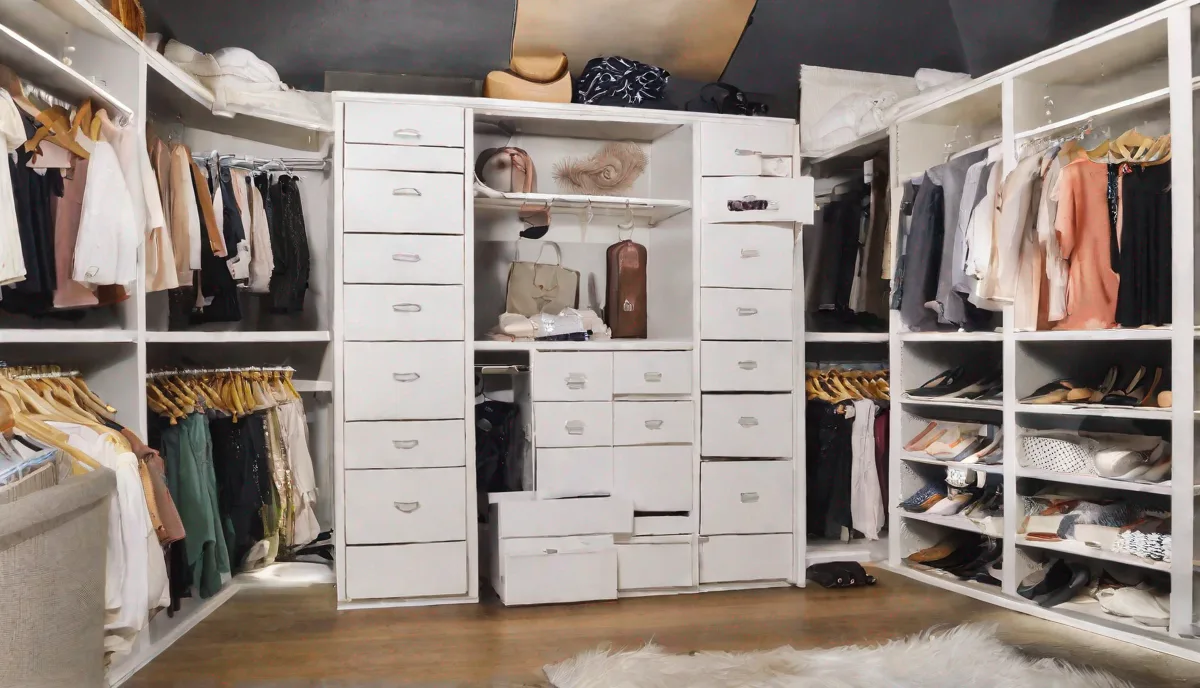
Why Keeping Your Closet Organized Matters
Having a tidy closet can make getting dressed easier and reduce stress. When you open your closet doors and see piles of clothes or a mess, it can feel overwhelming to find an outfit. An organized closet helps you see all your options so you can put together great outfits.
Start by Removing Everything
The first step is taking everything out of your closet so you have a blank slate. As you do, make three piles for items to keep, donate or throw out. Be ruthless and only keep pieces you wear often that make you feel great.
Sort by Category
Group similar items together – blouses, jeans, sweaters, etc. Use shelves for folded items and consider adding hooks for coats and bags.
Maximize Vertical Space
Use vertical space with shelving units and hanging organizers. Fold and stack sweaters, shirts and jeans on shelves. Hang items according to length with long dresses and coats on longer hangers up top and shorter items below.
Design For Easy Access
Place everyday essentials at eye level for quick access. Put items you rarely wear up high or down below. Having frequently worn items handy makes getting ready faster.
Mastering the Art of Color-Coding and Visual Flow
Beyond simple categorization, color-coding your garments creates a boutique-like experience that makes selecting an outfit intuitive and fast. Start by arranging clothes within their category—such as shirts or dresses—by color intensity, moving from light to dark or following the ROYGBIV spectrum. This visual gradient serves two purposes: it makes missing items instantly identifiable and provides a calming aesthetic that prevents visual clutter. For those with a high volume of patterned clothing, place these items at the end of each color block to prevent them from breaking up the visual flow. If you find color-coding too rigid, consider a “sub-category” approach where you group by occasion first, then color, ensuring that your workwear remains distinct from your weekend casuals.
Utilizing Hidden Storage for Accessories and Small Goods
The back of your closet doors and the floor space beneath your hanging racks are often the most underutilized assets in your bedroom. Install over-the-door modular systems to house scarves, belts, and jewelry, effectively clearing your shelves of small, easily lost items. For floor space, avoid the temptation to pile shoes haphazardly. Instead, invest in stackable, clear-front bins or a slim shoe rack that elevates footwear off the ground. This not only protects your shoes from dust and crushing but also forces you to be intentional about your footwear collection. If you have deep, cavernous corners, use pull-out bins or lazy Susans to ensure you aren’t leaving “dead space” where clothing goes to be forgotten for years at a time.
Implementing a Seasonal Rotation Strategy
A major cause of closet chaos is the presence of off-season items taking up prime real estate. To maintain a functional wardrobe, adopt a semi-annual “closet switch.” When transitioning from winter to spring, move your heavy coats and thick wool sweaters into vacuum-sealed bags or labeled storage bins stored under your bed or on the very top shelf. This rotation ensures that your current closet space is dedicated strictly to what you can wear immediately. When packing items away, take a moment to assess their condition; if a sweater has pilling or a coat is missing a button, handle the repair or disposal before storing them, so you aren’t surprised by damaged goods when the seasons change again.
Selecting the Right Hangers for Longevity and Space
The type of hanger you use fundamentally changes the capacity and preservation of your wardrobe. Ditch the mismatched plastic and wire hangers immediately, as they contribute to visual noise and often cause garment distortion. Switch to slim, velvet-covered hangers to maximize rod space by up to 30 percent; these are specifically designed to prevent slippery fabrics from sliding off. For heavy items like leather jackets or structured blazers, use wide-shouldered wooden hangers to maintain the garment’s shape. If you have delicate items like silk camisoles, use padded hangers to prevent the “shoulder bumps” that standard hangers often create. By standardizing your hangers, you create a uniform look that makes the closet feel like an intentional, curated space rather than a storage locker.
Creating a ‘Maintenance Zone’ for Repairs and Donations
An organized closet is a living system that requires ongoing maintenance to stay functional. Dedicate a small, designated area or a specific bin within your closet for items that need attention. This includes a “repair pile” for clothes missing buttons or requiring minor stitching, and a “donation bin” for items that no longer fit or serve your current style. By having a physical place to put these items immediately, you prevent them from being returned to your hangers or shelves. When the donation bin is full, make it a habit to drop it off at a charity shop within 48 hours. This “one-in, one-out” philosophy is the single most effective way to prevent the slow creep of clutter from returning to your space.
Leveraging Lighting and Mirrors for Better Decision Making
Often, we struggle with our closets because we cannot see what we are doing. If your closet lacks adequate lighting, install motion-activated LED strips along the underside of shelves or the interior frame of the door. Proper illumination turns a dark hole into a bright, inviting space, helping you see the true color of your clothes and notice stains or wear you might have otherwise missed. Furthermore, if space permits, attach a full-length mirror to the inside of the closet door. This turns the closet into a private dressing room where you can quickly test combinations without having to move back and forth between the closet and a bedroom mirror, ultimately speeding up your morning routine.
FAQ
What’s the first step in organizing your closet?
Start by removing everything from your closet so you have an empty space. This makes it easier to visualize your new organized closet.
Should you keep clothes you never wear?
Be ruthless and only keep pieces you wear often that make you feel great. Donate or throw out anything you don’t absolutely love.
How should you group clothes in an organized closet?
Sort clothes by category – blouses together, jeans together, etc. This makes finding pieces for outfits easier.
Where should everyday essentials go?
Place items you wear often at eye level for quick, easy access when getting dressed.
What should go at the top and bottom of an organized closet?
Use the top shelf for items you rarely wear like formal wear or winter gear. The bottom can hold out-of-season clothes or shoes.
Related posts:
 Pantry Organization with Alana Chernila
 How to Organize Your Closet by Color (And Should You?)
 How to Declutter Your Home Room by Room
 Pantry Hierarchy: Organizing Your Kitchen for Optimal Efficiency
 Purge Your Closet
 How to Quickly Declutter Your Home
 Decluttering Tips That Actually Make Life Easier
 Kristen Bell’s Closet Organization