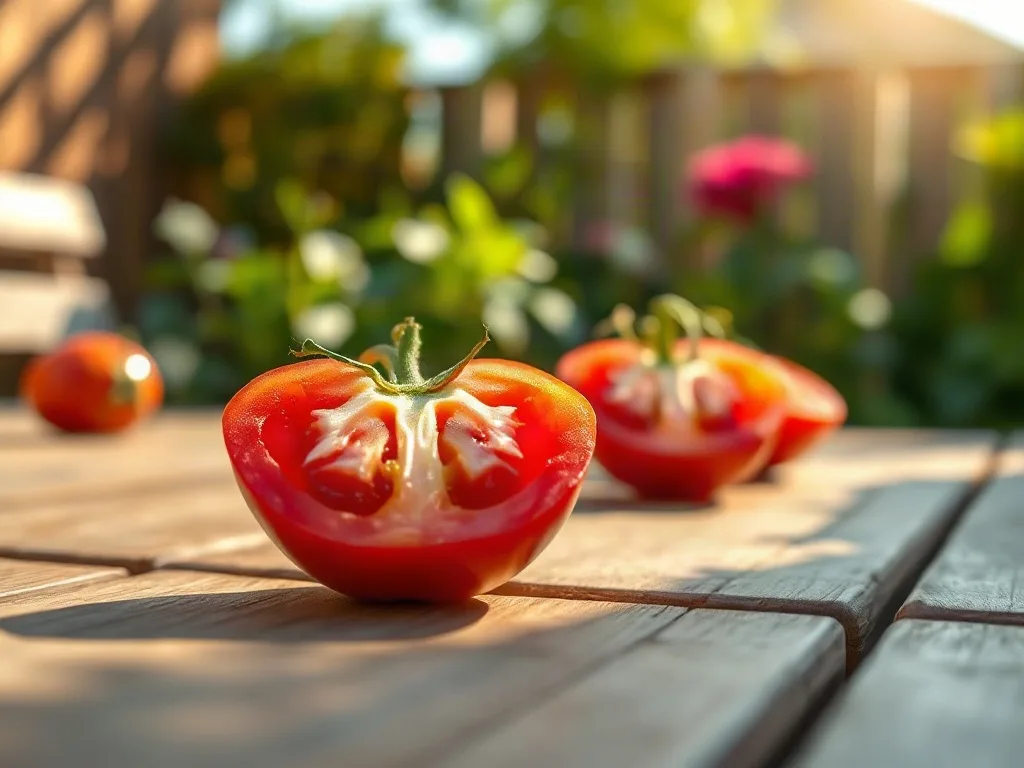
When we think about sun protection, our minds immediately go to high-SPF creams, wide-brimmed hats, and UV-protective clothing. While these external barriers are essential and non-negotiable for preventing sunburn and reducing the risk of skin cancer, emerging research suggests that our internal chemistry also plays a significant role in how our skin responds to ultraviolet (UV) radiation. One of the most promising dietary allies in this quest for skin resilience is the humble tomato.
Key takeaways
- Lycopene provides internal antioxidant support against UV damage but cannot replace the physical barrier of topical sunscreen.
- Heat-processing tomatoes into sauces or pastes increases lycopene bioavailability by breaking down cellular walls more effectively than raw consumption.
- Always consume tomatoes with healthy fats like olive oil or avocado to ensure the body can absorb fat-soluble lycopene.
- Consistent daily intake for 10 to 12 weeks is necessary to build a sufficient concentration of lycopene in skin tissues.
- Prioritize denser paste tomatoes like Roma or San Marzano, which contain higher lycopene concentrations than larger, water-heavy varieties.
p
The idea of “eating your sunscreen” is often misunderstood. To be clear, no amount of tomato consumption can replace the physical shield provided by a high-quality sunscreen. However, the nutrients found in tomatoes—specifically a powerful carotenoid called lycopene—work from the inside out to neutralize the oxidative stress caused by the sun. By integrating specific tomato-based foods into a balanced lifestyle, you can support your skin’s natural ability to withstand environmental stressors and promote a healthier, more resilient complexion.
The Science of Lycopene and UV Radiation
At the heart of the relationship between tomatoes and sun protection is lycopene. Lycopene is a bright red carotenoid, a pigment that gives tomatoes, watermelons, and pink grapefruits their vibrant color. Beyond its role as a pigment, lycopene is one of the most potent antioxidants known to science.
When UV rays hit the skin, they trigger the production of reactive oxygen species (ROS), also known as free radicals. These unstable molecules damage cellular membranes, break down collagen, and can eventually lead to DNA mutations. This process is what causes premature aging (photoaging), characterized by fine lines, leathery skin, and age spots. Lycopene acts as a “singlet oxygen quencher.” It essentially hunts down these free radicals and neutralizes them before they can cause significant damage to the skin cells.
Research indicates that lycopene accumulates in the skin’s epidermis, where it helps mitigate the redness and inflammation associated with UV exposure. While it doesn’t block the UV rays from entering the skin, it reduces the biological “fallout” that occurs once those rays have penetrated the surface. This internal buffering system provides an extra layer of defense, complementing the external barriers we use daily.
Internal vs. External Sun Protection: Understanding the Difference
It is critical to distinguish between photoprotection (blocking rays) and photoprotection from within (reducing oxidative damage). A sunscreen works by reflecting or absorbing UV radiation before it ever touches your living cells. This is an immediate, mechanical process.
Dietary protection, such as that provided by tomatoes, is a cumulative process. You cannot eat a bowl of cherry tomatoes at 10:00 AM and expect to be protected from a sunburn at 11:00 AM. Instead, the lycopene from your diet builds up in your tissues over several weeks. Once a sufficient concentration is reached in the skin, the body is better equipped to handle the oxidative stress of a sunny day.
Think of it as a two-pronged strategy: your sunscreen is your shield, and your nutrition is your armor. The shield stops the majority of the attacks, but the armor ensures that if any attacks get through, the damage is minimized and the recovery process is faster. Relying on one without the other leaves a gap in your skin health strategy.
Why Cooked Tomatoes are Superior to Raw
In many nutritional contexts, “raw is better” because heat can destroy certain vitamins, such as Vitamin C. However, when it comes to lycopene and sun protection, the rule is reversed. Cooked tomatoes are significantly more beneficial than raw ones.
Lycopene is stored within the cell walls of the tomato. In raw tomatoes, these cell walls are sturdy, making it difficult for the human digestive system to extract and absorb the lycopene. Heat processing—such as simmering, roasting, or canning—breaks down these cellular structures, releasing the lycopene and converting it into a form (cis-lycopene to trans-lycopene) that is more easily absorbed by the body.
This is why tomato paste, tomato sauce, and sun-dried tomatoes are nutritional powerhouses for skin health. A small serving of concentrated tomato paste often contains significantly more bioavailable lycopene than a fresh tomato of the same weight. To maximize your internal sun defense, prioritize cooked tomato products over raw salads, or ensure your raw tomatoes are paired with the right catalysts for absorption.
The Role of Healthy Fats in Lycopene Absorption
Lycopene is a fat-soluble nutrient. This means that it cannot be transported through the bloodstream or absorbed by the intestinal lining without the presence of a lipid. If you eat a plain tomato or drink a fat-free tomato juice, a large portion of the lycopene will simply pass through your system without being utilized.
The most effective way to boost the efficacy of tomatoes for skin protection is to pair them with a healthy fat. The gold standard for this is extra virgin olive oil (EVOO). Olive oil not only aids in the absorption of lycopene but also contains its own set of antioxidants, such as oleocanthal, which further reduce skin inflammation.
Practical combinations for maximum absorption:
- Drizzle olive oil over roasted cherry tomatoes.
- Sauté tomato paste in avocado oil before adding it to a stew.
- Enjoy a caprese salad with fresh mozzarella and a generous pour of olive oil.
- Blend a small amount of coconut oil or olive oil into a homemade tomato soup.
By ensuring a fat source is present, you optimize the delivery of lycopene to your skin cells, enhancing the overall protective effect.
Incorporating Sun-Protective Foods into Your Daily Routine
To achieve a systemic build-up of lycopene in the skin, consistency is key. Rather than occasional consumption, aim for a daily or near-daily intake of tomato-based foods. Here are several actionable ways to integrate these into your lifestyle without feeling restricted:
Breakfast: Try a savory breakfast by adding sliced tomatoes and avocado to your whole-grain toast. The healthy fats in the avocado facilitate the absorption of the lycopene in the tomatoes.
Lunch: Opt for a Mediterranean-style bowl with quinoa, chickpeas, cucumbers, and a rich tomato-olive oil vinaigrette. Alternatively, a cup of gazpacho (blended raw tomatoes with olive oil and vinegar) provides a refreshing, nutrient-dense option.
Dinner: Focus on slow-cooked sauces. A homemade marinara sauce, simmered for an hour with garlic and olive oil, is one of the best ways to deliver high doses of bioavailable lycopene. Roasted red peppers and tomatoes make an excellent side dish or a base for a healthy pasta.
Snacks: While fresh cherry tomatoes are great, try “sun-dried” tomatoes marinated in oil. These are highly concentrated sources of lycopene and can be added to crackers or salads for a quick nutrient boost.
Other Antioxidants that Complement Tomatoes
While tomatoes are a star player, they work best as part of a broader antioxidant network. The skin’s defense system is synergistic; different nutrients target different types of free radicals.
Beta-Carotene: Found in carrots, sweet potatoes, and spinach, beta-carotene works alongside lycopene to protect the skin from UV-induced redness. Together, they create a more comprehensive shield against photoaging.
Vitamin C: Found in citrus fruits, bell peppers, and strawberries, Vitamin C is essential for collagen synthesis. While lycopene protects existing collagen from being destroyed by the sun, Vitamin C helps the body build new collagen to repair any damage that has already occurred.
Vitamin E: Found in almonds, sunflower seeds, and avocados, Vitamin E is another fat-soluble antioxidant that protects cell membranes. When paired with lycopene, it helps maintain the skin’s lipid barrier, preventing the dehydration and peeling often associated with sun exposure.
Polyphenols: Found in green tea and dark chocolate, polyphenols help reduce the inflammatory response of the skin to UV radiation, complementing the soothing effects of a lycopene-rich diet.
Managing Expectations: Timeline and Efficacy
It is important to approach dietary sun protection with realistic expectations. The process of “loading” your skin with lycopene is a slow one. Clinical observations suggest that it may take anywhere from 10 to 12 weeks of consistent consumption of tomato products before a noticeable increase in the skin’s resilience to UV-induced erythema (redness) is observed.
Furthermore, the level of protection provided by diet is modest compared to topical SPF. If you are spending eight hours on a beach in the tropics, a diet rich in tomatoes will not prevent you from burning if you are unprotected. However, for the average person who experiences daily incidental sun exposure—such as walking to the car, sitting near a window, or going for a short stroll—this internal support can significantly lower the cumulative damage over a lifetime.
The true value of lycopene lies in its ability to reduce the severity of the sun’s impact and to accelerate the skin’s recovery process. It is a long-term investment in skin health rather than a quick fix for a weekend trip.
Holistic Skin Care for Sun Management
The most effective way to protect your skin is to employ a “layered” approach. No single method is foolproof, but combining several strategies creates a comprehensive defense system.
Layer 1: Internal Nutrition. Maintain a diet rich in lycopene, beta-carotene, and healthy fats. This prepares your skin cells to handle oxidative stress from the inside.
Layer 2: Physical Barriers. Wear UPF-rated clothing, wide-brimmed hats, and sunglasses. Physical barriers are the most reliable way to stop UV rays from reaching the skin.
Layer 3: Topical Protection. Use a broad-spectrum sunscreen (SPF 30 or higher) on all exposed areas. Reapply every two hours, especially when swimming or sweating.
Layer 4: Behavioral Changes. Seek shade during peak UV hours (typically 10 AM to 4 PM) and be mindful of reflective surfaces like sand, water, and snow, which can bounce UV rays back onto your skin.
By combining the biochemical support of tomatoes with the physical protection of sunscreen and clothing, you create a robust environment for your skin to thrive, reducing the risk of premature aging and long-term sun damage.
Selecting the Right Tomato Varieties for Maximum Lycopene
Not all tomatoes are created equal when it comes to their photoprotective potential. While any tomato provides some benefit, the concentration of lycopene varies significantly across different cultivars. For those specifically looking to bolster their internal sun defense, understanding the distinction between “slicing” tomatoes and “paste” tomatoes is essential.
Paste tomatoes, such as the Roma or San Marzano varieties, are bred to have thicker cell walls and a lower water content. Because lycopene is concentrated within these denser tissues, paste tomatoes generally offer a higher density of the antioxidant per gram than the large, juicy beefsteak varieties often used in fresh salads. When the goal is systemic accumulation in the skin, prioritizing these meatier varieties provides a more efficient delivery system for the carotenoids.
Heirloom tomatoes, while prized for their complex flavor profiles and genetic diversity, can be a bit more unpredictable. Some deep-purple or yellow heirloom varieties contain higher levels of anthocyanins or beta-carotene, respectively, but may have lower lycopene levels than a standard red Roma. To maximize skin resilience, a diverse approach is best, but the redder and denser the fruit, the more likely it is to be rich in the specific lycopene required for UV mitigation.
Consider the following guide for selection based on your skin-health goals:
- For concentrated doses: Choose Roma or San Marzano. These are ideal for making homemade pastes or thick sauces where the lycopene is highly concentrated.
- For daily snacking: Opt for cherry or grape tomatoes. While they have a higher water-to-solids ratio than paste tomatoes, they are often consumed in larger quantities and are easy to roast quickly in olive oil.
- For variety: Incorporate red heirloom varieties. While they may not match the raw concentration of a Roma, they offer a broader spectrum of phytonutrients that support overall skin health.
By being intentional about the variety of tomato you purchase, you can increase the “potency” of your dietary sun protection without necessarily increasing the volume of food you consume.
Advanced Culinary Techniques to Enhance Bioavailability
While it is established that cooking tomatoes is superior to eating them raw, the method of cooking can further influence how much lycopene actually reaches your skin. The goal is to break down the plant cell walls (cellulose) and convert the lycopene from its natural cis-isomer form to the all-trans-isomer form, which the human body absorbs far more efficiently.
One of the most effective methods is slow-simmering. When tomatoes are cooked at a low to medium heat over a prolonged period—as is the case with a traditional Italian marinara—the heat gradually dismantles the cellular matrix. This slow breakdown allows the lycopene to be released into the cooking medium (ideally olive oil), making it immediately available for absorption upon ingestion. Rapid boiling, by contrast, may not provide the same level of structural breakdown and can lead to the leaching of water-soluble vitamins into the cooking water, which is often discarded.
Pressure cooking and air frying also present interesting opportunities. Pressure cookers use high heat and pressure to rupture cell walls rapidly, which can be an efficient way to “unlock” lycopene in a fraction of the time. Air frying, when used with a light coating of oil, creates a concentrated, dehydrated tomato product similar to sun-drying, which significantly increases the lycopene density. However, it is important to avoid charring the tomatoes; excessive burning can create acrylamides and destroy the very antioxidants you are trying to preserve.
Another overlooked technique is fermentation. Fermenting tomatoes in a brine or as part of a kimchi-style preparation can alter the chemical structure of the fruit. While fermentation doesn’t “cook” the tomato, the enzymatic activity of the bacteria helps break down the complex cell walls, potentially increasing the bioavailability of the carotenoids. Pairing fermented tomato products with a healthy fat source during the meal ensures that these newly accessible nutrients are successfully transported into the bloodstream.
The “Red-Spectrum” Diet: Synergistic Lycopene Sources
While tomatoes are the most accessible source of lycopene, relying on a single food source can limit the overall efficacy of your skin’s defense system. Lycopene is part of a larger family of carotenoids, and consuming a “red-spectrum” diet—incorporating various red fruits and vegetables—creates a synergistic effect that enhances the skin’s ability to manage UV-induced oxidative stress.
Watermelon is a prime example of a lycopene powerhouse. In some varieties, watermelon actually contains higher concentrations of lycopene per gram than raw tomatoes. Because watermelon is primarily water, it provides an added benefit of systemic hydration, which is critical for maintaining the skin’s moisture barrier during high sun exposure. Combining watermelon in the summer with tomato-based sauces in the winter ensures a year-round supply of this critical antioxidant.
Other red-spectrum allies include:
- Pink Grapefruit: Contains a blend of lycopene and Vitamin C, providing both the “quencher” for free radicals and the building blocks for collagen repair.
- Guava: One of the most nutrient-dense fruits available, guava provides a potent dose of lycopene along with high levels of dietary fiber, which supports gut health—a key factor in how nutrients are absorbed and utilized by the skin.
- Red Bell Peppers: While higher in beta-carotene and Vitamin C than lycopene, red peppers work in tandem with tomato-derived nutrients to reduce skin erythema (redness).
When these foods are consumed together, they provide a multifaceted defense. For example, the lutein found in some red-spectrum vegetables protects the eyes from UV damage, while the lycopene from tomatoes protects the skin. This holistic “red diet” approach ensures that the body has a diverse reservoir of pigments to deploy against the varying wavelengths of solar radiation.
Seasonal Adaptation and the “Winter Loading” Phase
One of the most common mistakes people make with dietary sun protection is starting their tomato-rich diet once the summer heat has already arrived. Because lycopene accumulation in the skin is a cumulative process that takes weeks or months, the most effective strategy is a “winter loading” phase.
During the autumn and winter months, when UV indices are lower and the risk of sunburn is reduced, the body can focus on building up its internal stores of carotenoids. By consistently incorporating tomato paste, sun-dried tomatoes, and red-spectrum fruits into the diet from October through March, you are essentially “charging” your skin’s biological battery. By the time the high-UV months of May, June, and July arrive, your epidermis already has a baseline concentration of lycopene, meaning your skin is better prepared for the first intense exposures of the season.
Managing this seasonal transition requires shifting the form of tomato consumption. In the summer, fresh cherry tomatoes and gazpacho provide hydration and moderate lycopene. In the winter, the focus should shift toward concentrated sources. This is the ideal time for:
- Homemade Tomato Concentrates: Making a large batch of slow-cooked tomato puree and freezing it in ice cube trays for easy addition to winter soups and stews.
- Canned Tomato Products: Utilizing high-quality canned crushed tomatoes or paste, which often maintain high lycopene levels due to the heat-processing used during canning.
- Roasted Root Vegetable Medleys: Pairing roasted tomatoes with carrots and sweet potatoes to combine lycopene with beta-carotene for a comprehensive winter skin-shield.
This proactive approach transforms nutrition from a reactive measure into a strategic seasonal defense, ensuring that the skin’s internal armor is at its strongest exactly when the external environment is most challenging.
Dietary Antagonists: Factors That Inhibit Lycopene Efficacy
To maximize the benefits of tomatoes for sun protection, it is equally important to be aware of dietary habits that can undermine or counteract the effects of lycopene. The body’s ability to utilize antioxidants is not just about what you add, but also about what you limit.
One significant antagonist is a diet high in refined sugars and high-fructose corn syrup. Excessive sugar intake leads to a process called glycation, where sugar molecules bond to proteins like collagen and elastin in the skin. This creates Advanced Glycation End-products (AGEs), which make the skin more fragile and more susceptible to UV damage. When the skin is compromised by glycation, the “protective” work that lycopene does is essentially fighting an uphill battle; the antioxidant is neutralizing free radicals, but the structural integrity of the skin is already weakened by sugar.
Another factor is the balance of Omega-6 to Omega-3 fatty acids. While fats are necessary for lycopene absorption, the type of fat matters. Diets overly reliant on refined seed oils (rich in Omega-6) can promote a pro-inflammatory state within the body. Since UV radiation also triggers inflammation, an already inflamed system may react more severely to sun exposure, potentially offsetting the soothing, anti-inflammatory benefits of lycopene. Prioritizing Omega-3s from fatty fish or flaxseeds alongside the olive oil used with tomatoes helps create a balanced lipid environment that supports skin recovery.
Finally, excessive alcohol consumption can interfere with the absorption and utilization of fat-soluble vitamins and carotenoids. Alcohol puts a strain on the liver, which is responsible for processing and transporting lycopene through the bloodstream to the skin. For those seeking the maximum photoprotective benefit, moderating alcohol intake—especially during the “loading” phase—ensures that the nutrients from your tomato-rich diet are efficiently delivered to the epidermis rather than being diverted for metabolic detoxification.
The Lycopene-Skin Barrier Relationship and Sebum Oxidation
Beyond simply neutralizing free radicals, lycopene plays a sophisticated role in maintaining the skin’s physical barrier and managing the chemistry of the skin’s natural oils. To understand this, we must look at the role of sebum—the oily substance produced by the sebaceous glands to lubricate and protect the skin.
When the skin is exposed to UV radiation, the lipids in the sebum can undergo a process called lipid peroxidation. This is essentially the “rancidification” of your skin’s natural oils. Peroxidized sebum is highly irritating; it can trigger inflammatory responses, exacerbate acne, and break down the stratum corneum (the outermost layer of the skin). This breakdown allows moisture to escape (trans-epidermal water loss) and makes it easier for environmental pollutants to penetrate the skin.
Lycopene helps mitigate this process by integrating into the lipid layers of the skin. Because it is fat-soluble, lycopene can associate with the sebum, acting as a stabilizer that prevents these oils from oxidizing under the stress of UV rays. By protecting the sebum from peroxidation, lycopene indirectly preserves the skin’s moisture barrier. This is why people with a lycopene-rich diet may notice that their skin feels less “tight” or dehydrated after a day in the sun compared to those with a nutrient-poor diet.
This relationship creates a virtuous cycle:
- Lycopene stabilizes sebum, preventing the oxidative breakdown of the skin’s natural oils.
- A stable lipid barrier prevents excessive water loss and protects the underlying cells from irritation.
- Reduced inflammation allows the skin to focus its energy on DNA repair rather than managing surface-level irritation.
By supporting the integrity of the skin barrier, lycopene does more than just “quench” free radicals; it helps maintain the structural environment necessary for the skin to remain hydrated and resilient against the drying effects of the sun and wind.
Frequently Asked Questions
1. Can I just take a lycopene supplement instead of eating tomatoes?
While supplements can provide concentrated doses of lycopene, they lack the synergistic effects of whole foods. Tomatoes provide not only lycopene but also potassium, Vitamin C, and other phytonutrients that work together. Additionally, the absorption of lycopene from food (especially when paired with olive oil) is often more natural and sustainable for the body. Always consult a healthcare provider before starting a new supplement regimen.
2. Do green tomatoes provide the same protection as red ones?
No. The protective properties are primarily linked to lycopene, which is the pigment that makes the tomato red. Green tomatoes have significantly lower levels of lycopene because the fruit has not yet undergone the ripening process where lycopene synthesis peaks. For sun-protective benefits, stick to ripe, red tomato varieties.
3. Is tomato juice an effective way to get lycopene for skin health?
Tomato juice can be a good source, but its effectiveness depends on how it is processed. To maximize the benefit, choose a juice that has been heat-treated (pasteurized) and consider adding a drop of olive oil to the glass to ensure the lycopene is absorbed. Pureed tomato soups are generally more effective than thin juices due to the higher concentration of solids.
4. Will eating tomatoes help if I already have a sunburn?
Lycopene is more of a preventative tool than a cure. Once a sunburn has occurred, the DNA damage and inflammation are already in progress. While a diet rich in antioxidants can support the skin’s overall healing process and reduce systemic inflammation, it will not “undo” a burn. For active sunburns, focus on cooling the skin, hydrating, and using soothing agents like aloe vera.
5. Are there any side effects to eating large amounts of tomatoes for skin protection?
For most people, tomatoes are a healthy addition to the diet. However, some individuals are sensitive to the acidity in tomatoes, which can trigger acid reflux or heartburn. Additionally, those with specific allergies to nightshades should avoid them. As with all nutrition, balance is key; enjoy tomatoes as part of a diverse diet rather than relying on a single food source.
Related posts:
 9 Foods for Better Skin
 Zoe Kravitz’s Coconut Oil Hair Care Secret
 Olive Oil Health Benefits
 The Slow Beauty Movement’s Secret Hydration Recipes
 Elevate Your Meals with These Delicious Sun-Dried Tomato Recipes
 Chloë Grace Moretz’s Olive Oil Cleansing Method
 Mark Hyman’s Guide to Good Fats That Heal Your Body
 Homemade Turmeric Paste Guide