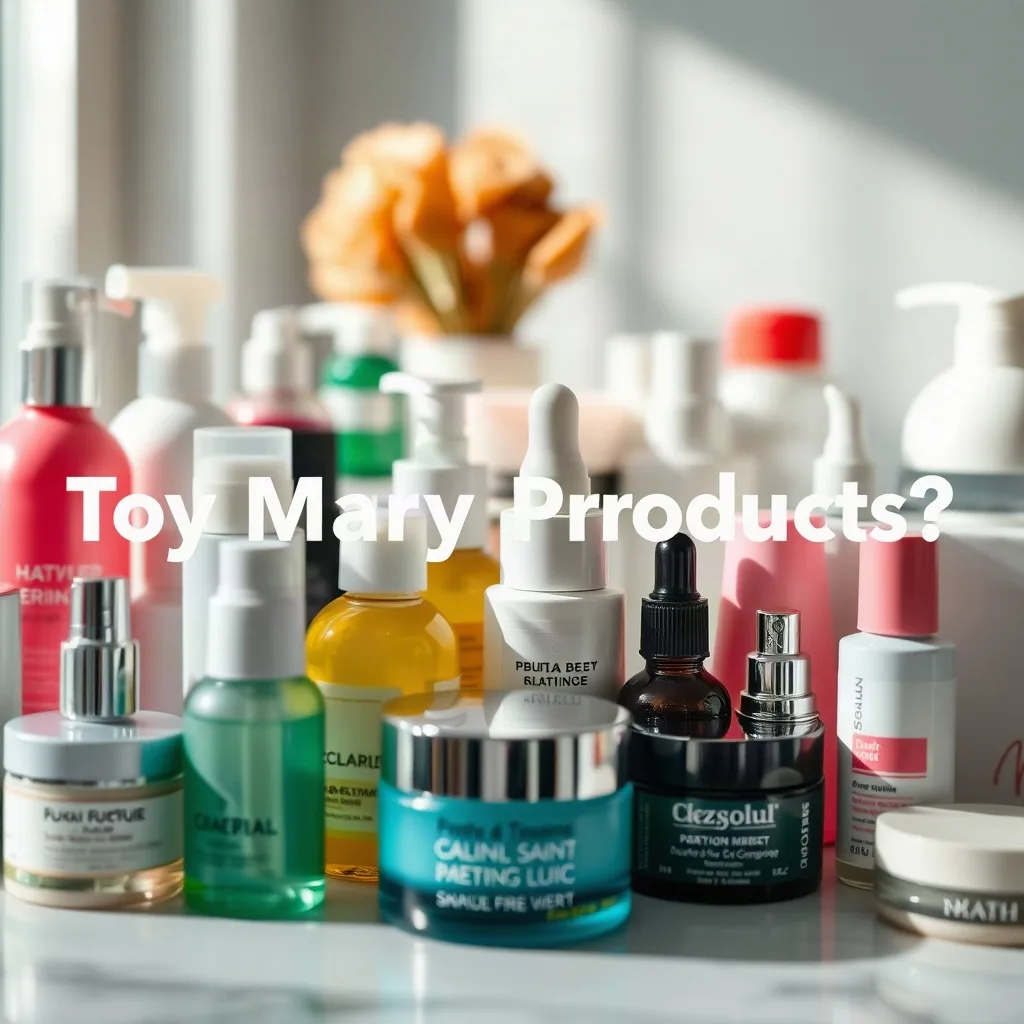
Many people love the ritual of applying serums, creams, masks, and oils, but the excitement can quickly turn into a crowded bathroom shelf. When the number of products outpaces the skin’s ability to absorb them, irritation, wasted money, and decision fatigue often follow. This guide walks you through why product overload happens, how to recognize it, and practical steps to streamline your routine without sacrificing results.
Why Product Overload Happens
Marketing campaigns promise a separate solution for every concern: brightening, anti‑aging, barrier repair, pore minimizing, and more. Influencer routines showcase ten‑step regimens that look aspirational but aren’t always realistic. Limited‑edition launches and seasonal collections create a fear of missing out, encouraging impulse purchases. Additionally, the rise of “clean beauty” and “clinical grade” labels can make each new bottle feel essential, even when ingredients overlap.
Signs You’re Using Too Many Products
- Persistent redness, stinging, or a tight feeling after cleansing
- Breakouts that appear in new areas despite consistent care
- Difficulty remembering the order of application each morning
- Products expiring before you finish them
- Spending more than 15 minutes on a routine that used to take five
If you notice two or more of these signals, it’s a strong indicator that the current lineup is overwhelming your skin’s barrier.
Building a Minimalist Routine
Start with the three non‑negotiables: a gentle cleanser, a moisturizer suited to your skin type, and a broad‑spectrum sunscreen of at least SPF 30. These three steps protect, hydrate, and shield against UV damage — the foundation of any healthy regimen. Once the basics feel comfortable, evaluate each additional product by asking: does it address a specific, documented concern? Does it contain an ingredient not already present in the core three? If the answer is no, set it aside.
Choosing Multi‑Tasking Formulas
Modern formulations often combine several actives in one bottle. A vitamin C serum that also includes hyaluronic acid delivers antioxidant protection and hydration simultaneously. A moisturizer with niacinamide can improve barrier function while reducing redness. When shopping, read the ingredient list for overlapping functions; this reduces the number of layers and the risk of pilling.
Layering Order That Works
Even a minimal routine benefits from a logical sequence. Apply products from thinnest to thickest texture: cleanser, toner or essence (if used), treatment serums, eye cream, moisturizer, and finally sunscreen in the morning. At night, replace sunscreen with a richer night cream or sleeping mask. Keeping the order consistent helps each layer penetrate and prevents heavier creams from blocking lighter actives.
When to Add Targeted Treatments
Targeted treatments — such as retinoids, exfoliating acids, or spot‑correcting patches — should be introduced one at a time, with at least two weeks between new additions. Monitor for irritation before layering another active. For example, start a low‑percentage retinol on alternate nights while maintaining the core three steps. Once tolerance builds, you can consider adding an AHA/BHA exfoliant on non‑retinol nights.
Budget‑Friendly Strategies
Streamlining often saves money. Invest in high‑quality core products that last several months, and use drugstore alternatives for single‑use items like sheet masks or eye patches. Look for refillable packaging or larger sizes that lower cost per ounce. Track spending in a simple spreadsheet; seeing the total cost of a 12‑product routine versus a 5‑product routine can be a powerful motivator.
Maintaining Consistency Without Burnout
Consistency beats intensity. Set a realistic morning and evening window — five minutes each — and treat it like brushing your teeth. Keep products visible but organized; a tiered tray or labeled bins reduces decision time. Schedule a quarterly “audit” where you review each item’s performance, expiration date, and relevance to current skin goals. This habit prevents gradual re‑accumulation of unnecessary bottles.
Skin Cycling and Strategic Active Rotation
Skin cycling transforms a cluttered lineup into a deliberate four-night rhythm that maximizes results while minimizing barrier stress. The classic cycle devotes night one to chemical exfoliation (AHA/BHA), night two to a retinoid, and nights three and four to recovery — only cleanser, moisturizer, and occlusive if needed. This structure prevents the chronic low-grade inflammation that occurs when exfoliants and retinoids are layered nightly, a common hidden driver of the persistent redness and stinging mentioned earlier. For sensitive or rosacea-prone skin, stretch the cycle to five or six nights: exfoliate night one, retinoid night three, recovery nights two, four, five, and six. Oily, acne-prone skin often tolerates a three-night cycle (exfoliate, retinoid, recover) once tolerance is proven. Track each cycle in a simple spreadsheet or notes app; after eight weeks, review patterns — if breakouts cluster on recovery nights, the moisturizer may be too occlusive; if irritation appears on exfoliation night, drop the acid percentage or frequency. Edge case: prescription tretinoin users should treat the retinoid night as non-negotiable and skip OTC retinol entirely, using the other nights for barrier support with ceramides, centella asiatica, or panthenol. Another edge case: during high-stress periods or travel, compress to a two-night cycle (one active, one recovery) to maintain momentum without overwhelming a compromised barrier.
Decoding Ingredient Lists to Eliminate Redundancy
Reading INCI lists is the fastest way to spot duplicate actives masquerading as different products. Start by listing every ingredient in your current routine, then group by function: antioxidants (vitamin C, E, ferulic acid, niacinamide, green tea), exfoliants (glycolic, lactic, mandelic, salicylic, PHAs), retinoids (retinol, retinal, retinyl palmitate, granactive retinoid), hydrators (hyaluronic acid, glycerin, panthenol, urea, sodium PCA), barrier lipids (ceramides, cholesterol, fatty acids, squalane), and soothing agents (centella, allantoin, bisabolol, licorice root). If two serums both lead with niacinamide and hyaluronic acid, you’re paying twice for the same function — keep the one with the more stable packaging or better texture. Concentration matters: a 10% niacinamide serum and a 2% niacinamide moisturizer aren’t redundant if you need the higher dose for pore regulation, but layering them rarely adds benefit beyond the higher concentration. pH dependencies create hidden conflicts: L-ascorbic acid (vitamin C) requires pH below 3.5, while peptides and some retinoids prefer neutral pH; using them in the same routine often means one is compromised. Solution: vitamin C morning, peptides night. Watch for “fairy dusting” — ingredients listed near the end of a long INCI at sub-therapeutic levels. A peptide complex appearing after fragrance and preservative is likely decorative. Use the “first five ingredients” rule: actives should appear in the top half of the list to deliver claimed benefits. Practical exercise: photograph every product’s ingredient panel, upload to a free INCI decoder, and highlight overlaps. You’ll often find three products delivering the same antioxidant blend — consolidate to one well-formulated antioxidant serum and reclaim shelf space.
Minimalist Routines Tailored to Skin Type and Condition
A true minimalist routine respects biological differences rather than forcing a universal three-step template. For oily, acne-prone skin: morning — salicylic acid cleanser (leave on 60 seconds), niacinamide 5% serum, lightweight gel moisturizer with dimethicone for mattifying, SPF 50+ fluid; evening — double cleanse only if wearing sunscreen/makeup (micellar water then salicylic cleanser), adapalene 0.1% gel (OTC retinoid), same gel moisturizer. Skip heavy occlusives; they trap sebum and worsen comedones. For dry, dehydrated skin: morning — creamy non-foaming cleanser (rinse with cool water), hyaluronic acid serum applied to damp skin, ceramide-rich moisturizer with squalane, SPF 30+ cream; evening — same cleanser, polyhydroxy acid (PHA) toner 2-3x weekly for gentle turnover, peptide serum, rich moisturizer with cholesterol and fatty acids, optional sleeping mask 2x weekly. Sensitive, rosacea-prone skin demands fragrance-free, essential-oil-free everything: morning — micellar water wipe (no rinse), azelaic acid 10% gel (anti-inflammatory, antimicrobial), barrier cream with colloidal oat and ceramides, mineral SPF 30+; evening — same micellar water, same barrier cream, skip actives entirely during flares. Combination skin benefits from zoning: lightweight gel on T-zone, richer cream on cheeks, same actives full-face. Mature skin prioritizing collagen: morning — vitamin C 15% + vitamin E + ferulic acid, peptide moisturizer, SPF 50+; evening — retinaldehyde 0.05% (more potent than retinol, less irritating than tretinoin), bakuchiol serum on alternate nights for retinol-like effect without irritation, lipid-rich night cream. Each routine uses five products max, but the *specific* five differ — this is minimalism with precision, not deprivation.
Seasonal and Environmental Adaptations
Skin’s needs shift with humidity, temperature, UV index, and indoor climate — a static routine guarantees either over- or under-treatment half the year. Winter (low humidity, indoor heating): drop foaming cleansers for cream or oil cleansers; reduce exfoliation frequency by 50%; swap lightweight moisturizer for one containing occlusive agents (shea butter, squalane, ceramides); add a humidifier in bedroom (target 40-50% RH); keep retinoid but buffer with moisturizer sandwich method (moisturizer, wait 20 min, retinoid, moisturizer). Summer (high humidity, high UV): switch to gel cleanser; increase exfoliation to 3x weekly if tolerated; use antioxidant serum *under* sunscreen (vitamin C prevents UV-induced lipid peroxidation); choose SPF 50+ with added antioxidants (ergothioneine, ectoin); skip occlusive night creams — a hydrating gel-cream suffices. Transitional seasons (spring/fall): the danger zone where barrier is unstable — maintain winter moisturizer but reintroduce one active at a time, monitoring for stinging. Travel across climates: pack a “climate kit” — travel sizes of both your winter and summer moisturizers, a barrier balm for airplane cabin air (apply every 2 hours), and pH-balanced cleansing wipes for no-water situations. High altitude (>5,000 ft): UV intensity increases 10-12% per 1,000 ft — upgrade to SPF 50+ reapplied every 80 minutes, add lipid-rich barrier cream morning and night, pause retinoids entirely for first 72 hours of exposure. Urban pollution: double cleanse non-negotiable at night; add chelating agent (EDTA, sodium phytate) in cleanser to bind heavy metals; antioxidant serum morning and night. Each adaptation swaps one or two products — the core framework (cleanse, treat, moisturize, protect) remains intact.
Barrier Repair Protocols: When to Strip Back to Basics
Sometimes minimalism isn’t a choice — it’s triage. A compromised barrier (stinging to water, sudden reactivity to previously tolerated products, rough texture, fine lines that vanish with hydration) demands a structured recovery protocol, not just “fewer products.” Phase 1 (days 1-7): cleanse once daily at night with ultra-gentle surfactant-free cleanser (e.g., milky lotion wiped off with soft cloth); morning rinse with cool water only. Moisturize 3x daily with a 1:1:1 ceramide-cholesterol-fatty acid ratio cream (clinically proven to accelerate barrier recovery). Zero actives, zero fragrance, zero essential oils. Sunscreen: mineral only, applied by pressing — not rubbing — onto moisturized skin. Phase 2 (days 8-14): if stinging resolved, reintroduce one hydrating serum (hyaluronic acid + panthenol) morning and night. Keep everything else identical. Phase 3 (days 15-21): add back *one* active at lowest frequency — e.g., niacinamide 2% every other morning, or PHA toner 2x weekly. Monitor for 48 hours after each reintroduction. Phase 4 (day 22+): gradual return to maintenance routine, but permanently retire any product that caused stinging during recovery. Edge case: perioral dermatitis requires zero actives, zero occlusives, zero fluoridated toothpaste — often just zinc oxide barrier cream and time. Edge case: retinoid dermatitis (sandpaper texture, burning at water contact) needs 14-day full pause, then restart at half frequency with sandwich method. Professional treatments (microneedling, lasers, peels) mandate a 5-7 day “nothing but barrier cream and mineral SPF” window — violating this risks post-inflammatory hyperpigmentation and prolonged erythema. The protocol feels extreme, but compressing a 6-week barrier crash into 3 weeks of disciplined minimalism prevents months of chronic sensitivity.
Psychology of Skincare Consumption: Breaking the Acquisition Cycle
The bathroom shelf overflow often reflects psychological patterns, not skin needs. Marketing exploits the “completion bias” — our brain’s urge to finish sets — by releasing “regimen kits” where each product feels incomplete without the others. Limited drops trigger scarcity anxiety; influencer “shelfies” activate social comparison; “clean beauty” fearmongering creates ingredient paranoia. Recognize the dopamine loop: research → purchase → unboxing → first use → novelty fade → research again. Break it by instituting a mandatory 14-day “cooling off” period for any new product — add to cart, wait two weeks, reassess. Most impulses evaporate. Build a “skincare wardrobe” concept: core staples (cleanser, moisturizer, SPF, one retinoid, one antioxidant) stay year-round; seasonal rotations (richer cream, higher SPF, PHA toner) swap in/out like coats; special occasion items (enzyme mask, eye patches for travel) live in a separate box, not daily rotation. This mirrors capsule wardrobe philosophy — intentional, versatile, finite. Track “cost per wear”: a $80 serum used daily for 6 months = $0.44/day; a $30 mask used twice = $15/use. The math clarifies value. Address decision fatigue by automating: subscribe to core staples so they arrive before empty; set calendar reminders for quarterly audits (already suggested) but add a “one in, one out” rule — new product enters only when an empty is tossed. For emotional spenders: redirect the ritual urge to non-consumptive acts — facial massage with existing oil, gua sha, 10-minute LED mask session, or simply washing face with intention. The goal isn’t austerity; it’s sovereignty over the routine. When each product earns its place through documented performance, the shelf becomes a toolkit, not a trophy case.
Frequently Asked Questions
How do I know if a product is causing irritation?
Patch test on the inner forearm for 48 hours. If redness, itching, or swelling appears, discontinue use. On the face, introduce one new product every two weeks and note any changes in a skin journal.
Can I skip sunscreen if my moisturizer has SPF?
Most moisturizers with SPF provide insufficient coverage because the applied amount is far less than the tested dose. Use a dedicated broad‑spectrum sunscreen as the final step for reliable protection.
Is it okay to mix vitamin C and retinol in the same routine?
They can be used together but at different times of day to minimize irritation — vitamin C in the morning for antioxidant defense, retinol at night for renewal. If you prefer a single routine, choose a product that stabilizes both actives or alternate nights.
What’s the best way to store skincare products?
Keep them in a cool, dry place away from direct sunlight. Refrigeration can extend the life of certain vitamin C serums and eye creams, but avoid freezing any emulsion.
How often should I reassess my routine?
Seasonal changes, hormonal shifts, or new skin concerns warrant a review every three to four months. Use the audit checklist: relevance, expiration, duplication, and satisfaction.
Related posts:
 Proper Order of Skincare Application
 Inside Alessandra Ambrosio’s Beauty Cabinet Secrets
 Essential Neck Skincare Tips
 Best Sunscreen Moisturizers
 Natural Face Sunscreens Guide
 Spring Awakening: The Hydrating Serums Your Winter Skin Is Craving
 Rael and Good Chemistry Advanced Antioxidant Serum Review
 The Ultimate Acne-Fighting Skincare Routine That Actually Works