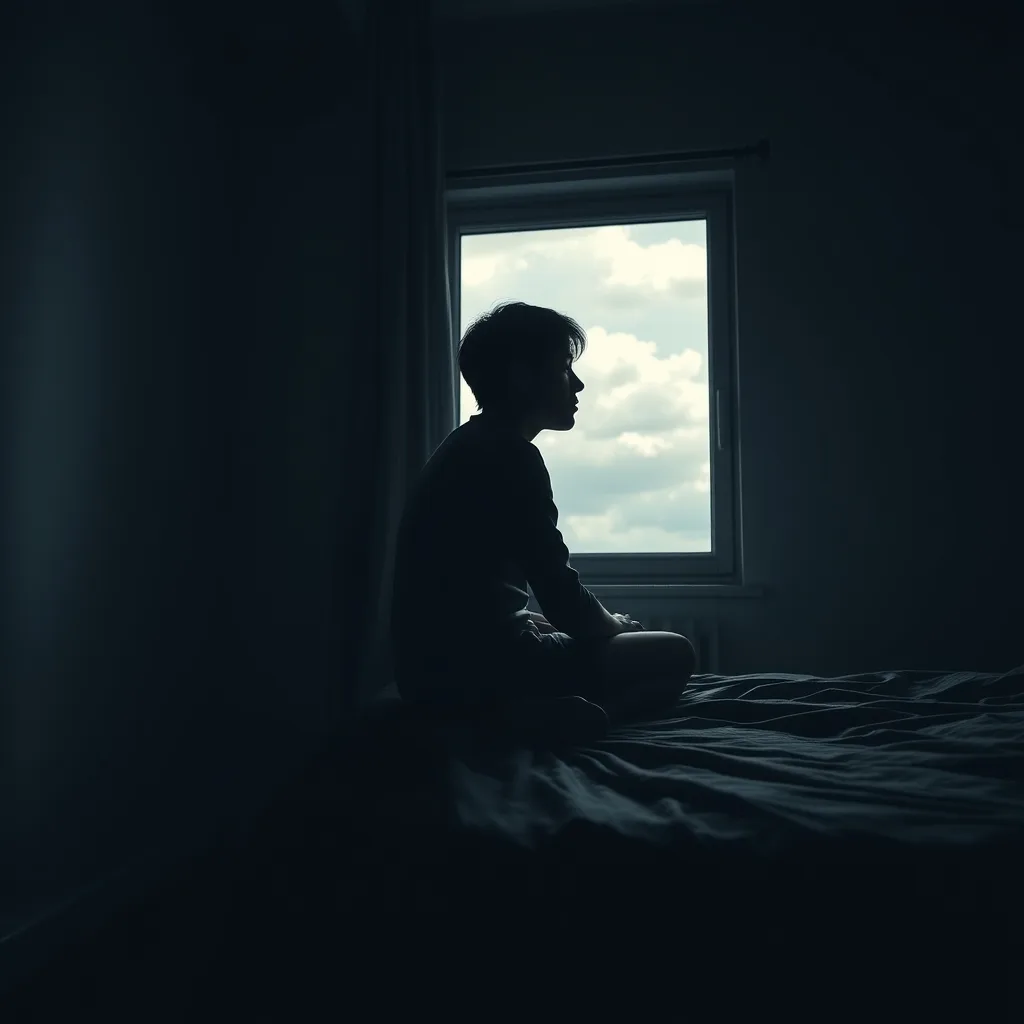
In our increasingly digital and fast-paced world, solitude is often romanticized as a luxury. We talk about the importance of “me time,” the necessity of setting boundaries, and the benefits of quiet reflection. However, there is a distinct difference between intentional, restorative solitude and chronic, involuntary isolation. While spending time alone can be a powerful tool for personal development, prolonged periods of social disconnection can significantly impact your physical and mental well-being. Understanding the boundary between healthy independence and harmful isolation is essential for maintaining a balanced lifestyle.
Key takeaways
- Chronic isolation triggers cortisol release, which can lead to systemic inflammation and weakened immune function.
- Social interaction serves as a cognitive exercise that helps prevent mental stagnation and cognitive decline.
- Digital communication is not a substitute for in-person connection and can sometimes increase feelings of isolation.
- Prioritize quality over quantity by cultivating a few deep, trusting relationships rather than many superficial ones.
- Use social anchors like weekly coffee dates or community groups to maintain a balance between solitude and connection.
The Biological Impact of Sustained Isolation
Human beings are fundamentally social creatures. Our evolutionary history is rooted in the success of the tribe, where belonging to a group was a matter of survival. When we experience chronic isolation, our bodies often interpret this state as a persistent threat. Research into the biological stress response suggests that social disconnection triggers the release of cortisol, the body’s primary stress hormone. Over time, elevated cortisol levels can lead to systemic inflammation, weakened immune function, and increased blood pressure. This physiological state, often referred to as the “loneliness response,” can accelerate the wear and tear on our organs, essentially putting our bodies in a state of high alert that they were never designed to maintain long-term.
The Cognitive Consequences of Social Withdrawal
Beyond the physical toll, our brains rely on regular social interaction to function at their peak. Socializing serves as a form of cognitive exercise; it requires us to interpret non-verbal cues, manage complex emotions, and engage in diverse perspectives. When we withdraw from these interactions, we lose the opportunity to sharpen these social-cognitive skills. Studies have shown that individuals who experience long-term social isolation may face an increased risk of cognitive decline. The lack of intellectual stimulation provided by varied social exchanges can lead to a sense of mental stagnation, making it harder to process information or maintain focus on daily tasks.
Distinguishing Between Solitude and Loneliness
It is vital to differentiate between being alone and feeling lonely. Solitude is a state of being alone without being lonely; it is a constructive time for self-reflection, creativity, and rest. Loneliness, by contrast, is a subjective, often painful feeling of lacking meaningful connection, even when others are present. You can be in a crowded room and feel deeply lonely, or you can be at home by yourself and feel entirely content. The danger arises when the internal state of loneliness becomes chronic, leading to a pattern of social withdrawal that further reinforces those feelings of disconnection.
How Social Connection Regulates Emotional Health
Our emotional health is inextricably linked to our relationships with others. Humans use social interactions as a “co-regulation” mechanism. When we feel overwhelmed, venting to a friend or simply being in the presence of a loved one can help lower our heart rate and calm our nervous system. Without these external anchors, we are forced to manage all of our emotional regulation internally, which can be exhausting. Over time, this lack of social support can lead to increased symptoms of anxiety and depressive moods, as we lose the external validation and perspective that friends and family provide.
The Role of Digital Interaction in Modern Isolation
We often assume that because we are connected through screens, we are not truly isolated. However, digital interaction is not a perfect substitute for in-person connection. While social media can help us stay updated on the lives of others, it often lacks the depth, nuance, and physical presence required to satisfy our biological needs for social bonding. In fact, heavy reliance on digital communication can sometimes exacerbate feelings of isolation by creating a “highlight reel” comparison trap. Spending hours scrolling through curated versions of others’ lives can leave us feeling inadequate and more disconnected than if we had simply put the phone away and sought a face-to-face conversation.
Practical Steps to Rebuild Social Bridges
If you find that you have drifted into a pattern of excessive alone time, it is important to take small, manageable steps to reconnect. You do not need to become a social butterfly overnight. Start by auditing your social environment: are there low-pressure ways to interact with others? This might look like attending a local interest group, volunteering for a cause you care about, or simply making it a point to engage in brief, pleasant conversation with your neighbors or local baristas. The goal is to increase the frequency of low-stakes social interactions, which can gradually lower your barrier to more meaningful connections.
The Importance of Quality Over Quantity
When you decide to re-engage, remember that the quality of your relationships matters more than the number of acquaintances you have. One or two deep, trusting relationships provide more protective benefits for your health than dozens of superficial connections. Focus on cultivating relationships where you feel heard, seen, and valued. Investing time in people who support your growth and well-being will provide a more significant buffer against the negative effects of isolation than simply filling your schedule with social events that leave you feeling drained.
Creating a Sustainable Balance
Ultimately, the key to health is finding a rhythm that works for your unique personality. Introverts may require more time alone than extroverts, and that is perfectly healthy. The goal is not to eliminate solitude, but to ensure that your time alone is intentional and that you have a reliable network of connection to return to. Build routines that include social anchors—such as a weekly coffee date, a monthly book club, or regular family check-ins. By prioritizing these social anchors, you ensure that your need for connection is met without sacrificing your need for quiet, introspective time.
The Neurochemistry of Loneliness: Beyond Cortisol
While the role of cortisol in the stress response is well-documented, the neurochemical impact of chronic isolation extends into the brain’s reward centers. Social interaction triggers the release of oxytocin, often called the “cuddle hormone,” and dopamine, which reinforces prosocial behavior. When an individual spends prolonged periods in isolation, the brain’s baseline for these neurotransmitters can shift. Dopamine receptors may become less sensitive, leading to a state of anhedonia—an inability to feel pleasure from activities that were once enjoyable. This creates a feedback loop: because the brain no longer receives the expected chemical reward from social interaction, the individual feels less motivated to seek it out, further cementing the cycle of withdrawal. Understanding this neurochemical recalibration is critical because it explains why simply “trying harder” to socialize can feel physically exhausting rather than rewarding in the early stages of recovery.
The Impact of Sleep Quality and Circadian Disruption
One of the most overlooked physical consequences of sustained isolation is the degradation of sleep architecture. Humans are social sleepers; historically, we have rested in groups, a practice that provided both physical safety and rhythmic synchronization. In the absence of this social regulation, individuals often report increased hypervigilance at night, characterized by more frequent awakenings and a reduction in deep, restorative REM sleep. Studies indicate that lonely individuals experience a higher rate of “micro-arousals” during the night. Because sleep is the primary mechanism for the brain to clear metabolic waste, such as amyloid-beta proteins, poor sleep quality resulting from isolation may inadvertently contribute to long-term neurodegenerative risks. By neglecting our social needs, we are not just sacrificing happiness; we are compromising the very physiological downtime required to maintain brain health.
The “Social Immune System” and Chronic Inflammation
The relationship between our social environment and our immune system is far more direct than once believed. Emerging research in psychoneuroimmunology suggests that the brain monitors our social landscape to prepare our immune defenses. Specifically, individuals who experience chronic loneliness often exhibit an upregulation of genes involved in pro-inflammatory responses and a downregulation of genes involved in antiviral responses. This is an evolutionary mismatch: our ancestors needed to be on high alert for physical injury or infection when separated from the tribe, so the body prioritized inflammation to heal wounds. In the modern world, this internal “alarm” remains permanently switched on, leading to chronic low-grade inflammation. This state is a known precursor to cardiovascular disease, type 2 diabetes, and metabolic syndrome, proving that social isolation is not merely a mental health issue but a systemic physical health crisis.
The Psychology of Avoidance and the “Social Muscle”
Much like a muscle that atrophies without exercise, our social capacity requires consistent engagement to remain functional. When we bypass social opportunities for extended periods, we often develop a psychological phenomenon known as “social anxiety by proxy.” The longer we stay isolated, the more our internal standards for social competence rise; we start to fear that we have forgotten how to carry a conversation or read a room. This creates a secondary layer of anxiety that makes the prospect of re-entering social circles feel daunting. To combat this, one must approach socialization as a skill-building exercise. By engaging in “micro-social behaviors”—such as asking a store clerk a question or making eye contact with a stranger—we recalibrate our nervous system to recognize that these interactions are safe, gradually lowering the threshold of fear that prevents us from seeking deeper connections.
The Hidden Risks of Echo Chambers and Information Isolation
Isolation does not only affect how we feel; it profoundly distorts how we think. When we spend too much time alone, we lose the benefit of the “social mirror”—the reality-checking that occurs when we express our ideas to others. Without the friction of differing perspectives, our internal monologues can spiral into confirmation bias and rumination. This is particularly dangerous in the digital age, where algorithms may feed us content that reinforces our existing anxieties or worldviews, further insulating us from the diverse viewpoints that keep our thinking flexible. Social interaction provides the essential cognitive friction necessary to challenge our assumptions and keep our worldview grounded. When we lose this, we become more prone to rigid thinking, which can exacerbate feelings of alienation and make it even harder to relate to others when we eventually do reconnect.
Environmental Cues and the Architecture of Connection
The physical spaces we inhabit play a significant role in our tendency toward isolation. Modern architecture and urban planning often prioritize privacy and efficiency, inadvertently creating environments that discourage spontaneous interaction. For example, remote workers living in apartments with limited communal space may go days without a single face-to-face interaction. To mitigate this, consider the concept of “third places”—environments outside of the home and the workplace, such as libraries, community gardens, or local cafes. By intentionally choosing to work or spend leisure time in these spaces, you place yourself in the path of serendipitous connection. It is not about forcing interactions, but rather positioning yourself in an environment where social presence is a natural occurrence rather than a scheduled chore.
Cultivating Resilience Through Intentional Vulnerability
Reversing the effects of isolation requires more than just showing up to social events; it requires the courage to be vulnerable. Loneliness often feeds on a sense of inadequacy—the fear that if people truly knew us, they would not want to connect. This fear acts as a protective shell that keeps us from forming the deep, meaningful bonds that act as a buffer against health risks. Resilience is built through the gradual act of sharing one’s authentic self. By starting with small, honest disclosures with trusted acquaintances, you signal to others that you are open to a deeper level of engagement. This process of mutual vulnerability is what transforms a casual acquaintance into a supportive relationship, providing the emotional security that is essential for long-term health and well-being.
Frequently Asked Questions
- Is it normal to prefer being alone most of the time? Yes, many people have a natural preference for solitude. As long as you are still able to engage in social environments when necessary and do not feel distressed by a lack of connection, your preference is likely just a personality trait rather than a health concern.
- Can pets help mitigate the negative effects of isolation? Research suggests that the human-animal bond can provide significant comfort and help reduce feelings of loneliness. While pets cannot replace human-to-human interaction, they offer companionship and a sense of purpose that can improve mental health.
- How do I know if my isolation has become a problem? If you find yourself consistently avoiding social interactions that you used to enjoy, or if your isolation is causing you to feel persistent sadness, anxiety, or a sense of hopelessness, it may be time to consult a mental health professional.
- Does working from home contribute to this issue? Remote work can definitely increase the risk of isolation, as it removes the incidental social interactions of an office environment. If you work from home, it is essential to be proactive about scheduling social time outside of work hours.
- Can you be too social and need to retreat? Absolutely. Social burnout is real. The goal is to achieve a balance where you have enough social stimulation to feel supported, but enough solitude to recharge your energy levels. It is about finding your personal equilibrium.
Related posts:
 Here’s the Surprising Link Between Creativity and Loneliness During COVID-19
 Feeling Lonely
 6 Convincing Reasons to Cherish Your Alone Time
 Feeling Alone
 Social Isolation vs. Solitude
 Feeling Lonely While Working from Home? You’re Not Alone
 Loneliness in Psychology: Causes, Effects and Treatments
 Understanding the Different Types of Loneliness and How to Cope