
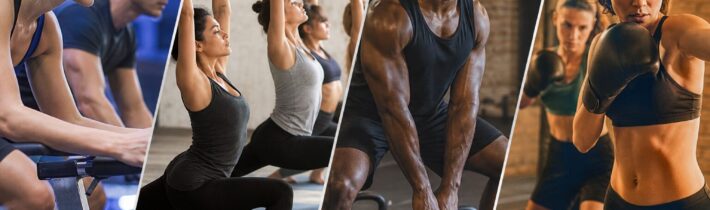
The fitness landscape in 2016 was electric, marked by a decisive shift away from the one-size-fits-all gym model toward highly specialized, community-driven, and experience-focused boutique studios. For fitness enthusiasts and newcomers alike, this was the year of finding your “tribe” through sweat. Boutique fitness wasn’t just about working out; it was about identity, music, lighting, and an instructor who knew your name. As we look back, certain studios didn’t just participate in this movement—they defined it, creating loyal followings and setting trends that would ripple through the industry for years to come. This guide revisits the top boutique fitness studios of 2016, exploring what made them special, the specific experiences they offered, and why their influence remains relevant today.
The Rise of the Boutique Experience
To understand the stars of 2016, you must first understand the soil they grew from. The early 2010s saw growing dissatisfaction with traditional big-box gyms. Members were tired of impersonal spaces, crowded cardio decks, and the self-directed ambiguity of their workouts. In response, the boutique model flipped the script entirely. These studios were typically smaller, focusing on a single discipline or a very tight mix of modalities (like cycling and strength, or yoga and meditation). They operated on a class-based model, often requiring reservations, which eliminated overcrowding and guaranteed a spot. The real magic, however, was in the details: curated playlists that felt like a nightclub, dimmed lighting with strategic accent lights, aromatherapy scents in the air, and premium amenities like luxury showers, hair products, and complimentary towels. You weren’t buying equipment access; you were buying a transformative, 45- to 60-minute experience led by an expert. In 2016, this model reached a fever pitch, with new studios opening monthly in major metropolitan areas and consumers eagerly “collecting” classes from different brands.
SoulCycle: The Phenomenon That Started It All
No list of 2016 boutique fitness is complete without SoulCycle. By 2016, it had evolved from a cult favorite to a full-blown cultural phenomenon. Its success wasn’t just about indoor cycling; it was about the creation of a holistic wellness brand. A typical 2016 class was a masterclass in atmosphere. Riders were packed into a candlelit room, moving in sync to a thunderous, perfectly timed playlist while instructors delivered motivational mantras from their microphones. The workout itself was a rigorous combination of hill climbs, sprints, and choreographed arm exercises with light weights, all performed on the beat. But beyond the calorie burn, SoulCycle sold a feeling—one of empowerment, release, and community. Its retail offerings, emblazoned with the iconic yellow sun logo, became status symbols. The studio’s influence was so profound that it spurred countless imitators and cemented the idea that fitness could be aspirational, emotional, and fiercely branded.
Barry’s Bootcamp: The Original “Best Workout in the World”
While newer trends captured headlines, Barry’s Bootcamp remained the undisputed gold standard for high-intensity interval training (HIIT). Founded in 1998, it perfected its formula long before 2016, but that year saw its aggressive national and international expansion. The “Red Room” was legendary: a signature red-lit workout space split between treadmills and floor stations. The format was brutally simple and effective: 25-30 minutes of treadmill intervals (sprints, hills, endurance runs) followed by 25-30 minutes of floor work focusing on strength with free weights, resistance bands, and bodyweight exercises. The “double-floor” day, focusing entirely on strength, was a fan favorite. What set Barry’s apart was its no-nonsense approach to results. There were no candles or spiritual mantras here; just loud music, expert coaching on form, and a relentless pace designed to build cardiovascular endurance and lean muscle simultaneously. In 2016, it was the go-to for celebrities and everyday athletes who wanted a guaranteed, science-backed ass-kicking.
Pure Barre: Defining the Ballet-Barre Fusion Craze
The barre craze, which exploded in the early 2010s, found its most polished and widespread expression in Pure Barre. By 2016, it had hundreds of studios across the U.S., offering a consistent, trademarked experience. The workout was a unique fusion of ballet barre techniques, Pilates, yoga, and orthopedic stretching. Classes focused on small, isometric movements and high repetitions, targeting muscles to the point of a characteristic “tuck and burn.” The atmosphere was the antithesis of a loud bootcamp: calm, focused, and precise, with instructors offering gentle, corrective cues. It attracted a dedicated clientele, particularly those seeking a low-impact but intensely challenging workout that promised long, lean muscles and improved posture. In 2016, Pure Barre stood out for its franchising success, proving that the boutique model could be systematically scaled without losing the quality of its core product.
Orangetheory Fitness: Data-Driven Group Training
Orangetheory Fitness (OTF) represented a different, tech-forward branch of the boutique tree. Launched in 2010, it hit its strategic stride by 2016, expanding rapidly. Its hook was heart rate monitoring. Every member wore a chest-strap monitor, and their real-time heart rate zones (grey, blue, green, orange, and red) were displayed on screens for the whole class to see. The goal was to spend 12-20 minutes in the “Orange Zone” (84-91% of max heart rate) to trigger Excess Post-Exercise Oxygen Consumption (EPOC), or the “afterburn.” The workout itself was a 60-minute template of treadmill, rowing, and weight floor blocks, changing daily. This combination of science, technology, and varied, coach-led group training created a powerful sense of gamification and tangible feedback. In 2016, OTF appealed to those who loved the structure of a class but wanted the quantifiable metrics of a personal workout, bridging the gap between boutique experience and empirical results.
CrossFit Boxes: The Ultimate Anti-Boutique Boutique
While not a single brand like the others, the global network of CrossFit affiliates (“boxes”) was a monumental force in 2016 fitness. CrossFit was the rugged, community-oriented counterpart to the polished boutique studios. Each box was independently owned but followed the core methodology: constantly varied, high-intensity, functional movement. The Workout of the Day (WOD) was the great equalizer, performed in a group setting that fostered unparalleled camaraderie and competition. The year 2016 saw CrossFit solidifying its position in the mainstream, with the CrossFit Games growing in visibility. It attracted individuals bored with routine, who valued measurable performance (lifting heavier, running faster) over ambiance. In the boutique ecosystem, CrossFit boxes offered a raw, results-focused, and deeply social alternative, proving that “community” could be built around chalk dust, barbells, and shared suffering as effectively as around dim lights and playlists.
Yoga Studios: The Mindful Counterbalance
Amid the high-intensity frenzy, dedicated yoga studios provided the essential yin to the boutique yang. Studios like YogaWorks, CorePower Yoga, and countless local independents thrived in 2016. CorePower Yoga, in particular, grew significantly by offering a heated, vigorous Vinyasa style that appealed to those wanting both physical intensity and mental focus. These studios offered more than just a class; they offered a sanctuary. With a focus on breath, alignment, and mindfulness, they catered to a growing desire for holistic wellness that addressed stress and mobility alongside strength. In 2016, many fitness enthusiasts practiced “cross-training” by pairing their Barry’s or SoulCycle sessions with yoga, creating a balanced weekly regimen. The yoga studio remained the cornerstone for recovery, flexibility, and mental clarity within the broader boutique fitness movement.
Rumble Boxing: Bringing Theatricality to Boxing
Emerging as a fresh contender in 2016, Rumble Boxing (founded in 2016) perfectly encapsulated the direction of the boutique industry: extreme theatricality blended with a solid workout. Co-founded by a former SoulCycle instructor, Rumble took the sensory-driven playbook and applied it to boxing. The studio featured a “blue room” with dramatic lighting and a ring at its center. Classes alternated between 45-second punching combinations on custom-designed aqua bags and 45-second strength training sessions on the floor, set to a booming hip-hop soundtrack. It was less about technical fighting skill and more about the cathartic release of punching to a beat in a cool environment. Rumble’s rapid success in New York and subsequent expansion plans signaled that the market in 2016 was still hungry for new, highly-stylized concepts that made hard work feel like an event.
How to Choose Your Studio (A 2016 Mindset)
With so many options, choosing was part of the fun. The savvy 2016 fitness consumer would follow a few key steps. First, identify your primary goal: fat loss and cardio (Orangetheory, Barry’s), muscle toning and low-impact (Pure Barre), stress relief and flexibility (Yoga), or community and overall performance (CrossFit). Second, take advantage of intro offers. Nearly every studio offered a discounted first class or an introductory package (e.g., 3 classes for $30). This was the year of the “class pass” model, with services like ClassPass itself allowing sampling of multiple studios. Third, audition the instructor and vibe. The instructor made or broke the experience. People would follow favorite teachers across time slots. Finally, consider logistics: location, schedule, and cost. Boutique classes were a premium product, with single classes often costing $30-$40. Many found value in unlimited monthly memberships ($200-$300) if they attended frequently.
The Lasting Legacy of the 2016 Boutique Boom
The trends solidified in 2016 didn’t fade; they evolved and integrated into the broader fitness culture. The demand for expert-led, community-driven experiences became the new normal, forcing traditional gyms to add similar class formats. The emphasis on studio design and ambiance raised consumer expectations everywhere. Perhaps most importantly, the 2016 boutique scene democratized specialized training. You didn’t need a personal trainer to get a tailored, coached session; you could walk into a Barry’s or an OTF and get one in a dynamic group setting. The studios of this era proved that people were willing to invest significantly more in fitness if the value proposition included motivation, expertise, and an emotional payoff. This fundamental shift continues to shape how we work out today.
The Business Mechanics Behind the Boutique Boom
While members experienced curated playlists and luxury showers, studio owners navigated a complex financial landscape in 2016. Real estate was the first major hurdle—securing prime street-level locations in neighborhoods like New York’s Flatiron District or Los Angeles’s West Hollywood came at premium rents, often requiring capital reserves to cover build-out costs that could reach $500,000 for a single studio. The operational model relied on maximizing “utilization,” the percentage of available class spots filled. A break-even point typically required filling 65-75% of spots across 40-50 weekly classes. This created intense pressure on sales and marketing, leading to the widespread adoption of “Founders’ Rates”—deeply discounted founding member packages designed to secure upfront cash flow and guarantee a baseline community before doors even opened. Retention was measured in “churn rate,” and the most successful studios kept monthly churn below 8% by cultivating instructor loyalty and implementing sophisticated email nurture campaigns that targeted members showing decreased attendance. The rise of specialized boutique management software like MindBody and Glofox in 2016 provided the essential infrastructure for this, handling everything from waitlist management to automated billing disputes, allowing small teams to operate with enterprise-level efficiency.
The Instructor Economy: From Side Gig to Celebrity Status
The boutique revolution created a new professional class: the fitness instructor as rockstar. In 2016, a top-tier instructor at a premier studio could earn $80,000 to $150,000 annually, a figure comprising a high per-class rate (often $75-$125), lucrative personal training sessions, and brand partnership deals. The path to these heights was grueling. New hires typically started as “subs,” taking undesirable early-morning or weekend slots, and were judged on hard metrics: class attendance, retail conversion (did students buy their playlist or branded gear?), and direct member feedback scores. The most coveted instructors developed a signature style—a particular musical genre, a unique phrasing of cues, or a thematic class structure—that turned students into devoted “tribe” members who would rearrange their schedules to follow them. This dynamic gave instructors significant leverage; a popular instructor leaving for a rival studio could trigger a migration of dozens of members. Consequently, 2016 saw the first major contract disputes and non-compete battles, as studios sought to protect their talent assets. Off the bike or mic, instructors became micro-influencers, leveraging Instagram to share glimpses of their “authentic” wellness lifestyles, further blurring the line between coach, celebrity, and brand ambassador.
Niche Modalities and the “Third Space” Concept
Beyond the mainstream successes, 2016 fostered a proliferation of hyper-specialized studios catering to specific, often overlooked, fitness niches. These concepts thrived by creating a “third space”—not home, not work—where identity and community coalesced around a shared physical practice. Examples included trapeze and aerial arts studios like Body & Pole in NYC, which offered rigorous circus training that appealed to dancers and those seeking extraordinary strength. Obstacle Course Racing (OCR) gyms, such as STILLETO in San Francisco, built out facilities with warped walls, monkey bars, and rope climbs, serving the growing Spartan Race and Tough Mudder demographic. “Animal flow” or primal movement studios focused on ground-based, quadrupedal patterns, attracting a cross-section of parkour enthusiasts and biohackers. Rowing-specific boutiques like CITYROW leveraged the WaterRower’s aesthetic appeal to create a low-impact, full-body class that stood apart from the cycling saturation. These niche studios often operated with smaller, more dedicated member bases, but achieved higher loyalty and price-point tolerance by offering expertise that couldn’t be found elsewhere, truly embodying the boutique ethos of specialization.
The Logistics of the “ClassPass Warrior” Lifestyle
For the dedicated urban fitness enthusiast, navigating the boutique ecosystem in 2016 was a tactical endeavor. The proliferation of ClassPass and competitor FitReserve created a new species: the “ClassPass Warrior,” who optimized a monthly subscription across multiple studios. This required mastering intricate booking rules—SoulCycle’s legendary “5:00 PM on Monday” release for prime weekend spots, Barry’s “two-day advance for non-members” policy—and understanding cancellation windows to avoid punitive fees. Logistics extended beyond booking. The typical warrior’s gym bag was a carefully packed kit: cycling shoes with Look Delta or SPD-SL cleats for SoulCycle and its clones, grip socks for Pure Barre, a heart rate monitor for Orangetheory, and standard trainers for HIIT. Hydration was a science, with many avoiding heavy water intake immediately before intense classes to avoid side stitches, relying instead on strategic electrolyte supplementation. Post-class, the ritual involved navigating crowded, amenity-rich locker rooms during peak “changeover” times (7-9 AM, 5-7 PM), where securing a shower stall required precise timing. This complex dance of planning, equipment, and timing was part of the subculture, a badge of dedication that separated the casual from the committed.
Music Licensing: The Hidden Cost of the Perfect Playlist
The thunderous, perfectly synced playlists were a cornerstone of the boutique experience, but in 2016, they existed in a legal gray area that posed a significant financial and operational risk. Most studios operated under the assumption that their standard business music license from performing rights organizations (PROs) like ASCAP, BMI, and SESAC covered class playback. However, these licenses were designed for background music in retail spaces, not for the intentional, central role of music in a fitness class—a distinction that could constitute a “public performance for profit.” The major PROs began more aggressive auditing and outreach to fitness chains in this period. Legally securing rights for a typical 45-minute class featuring 12-15 commercially released tracks could theoretically require separate, often costly, synchronization and master use licenses from each record label and publisher, a process so prohibitive it was largely ignored. This led to the rise of third-party services like ROCKMYRUN and Yes! Fitness Music, which offered curated, beat-matched playlists with pre-cleared rights for fitness use under a blanket subscription fee. Simultaneously, it fueled the trend of instructors producing original music or using tracks from smaller, independent artists more amenable to direct licensing deals, subtly shaping the sonic landscape of studios.
When the Vibe Falters: Common Member Grievances and Studio Failures
For every success story, numerous studios shuttered in 2016, victims of missteps that broke the delicate boutique contract. Member grievances often started with inconsistency: a beloved instructor’s replacement who lacked energy, a broken sound system, or a class overcrowded beyond the promised intimate experience. Hygiene failures were particularly damning; a lingering smell from improperly cleaned mats or a shortage of fresh towels could trigger mass cancellations. The “hard sell” at the front desk for retail packages or upgraded memberships, especially right after an exhausting class, felt antithetical to the community spirit and drove people away. Financially, many studios failed due to “feature creep”—over-investing in lavish interior design or expensive, single-purpose equipment without securing a large enough committed membership first. Others misjudged their market, opening a high-intensity cycling studio in a family-oriented suburb, for example. The closure of a studio was often abrupt, leaving members who had pre-purchased expensive packages (sometimes hundreds of dollars) with little recourse, a stark reminder that the curated experience was, at its core, a precarious small business.
The Evolution of Fitness Attire: From Function to Fashion Statement
The boutique studio floor became the runway for a parallel explosion in technical athletic wear. In 2016, workout clothing ceased to be mere equipment and became a core part of the identity performance. This was driven by studio culture itself: mirror-lined rooms and social media photo ops placed a premium on aesthetics. Brands like Lululemon, which had long dominated, faced fierce competition from new players like Outdoor Voices (promoting “doing things” in technically stylish pieces) and Gymshark, which leveraged influencer marketing to capture the HIIT and weightlifting crowd. Specific attire correlated with modalities: high-waisted, slick-panel leggings for barre to emphasize form, moisture-wicking tank tops for hot yoga, and supportive, high-impact sports bras for the jumping sequences in bootcamp classes. The rise of “athleisure” meant this clothing often didn’t stay in the studio; it was worn to brunch, adding to the perceived value of the purchase. Studios capitalized on this by launching their own highly successful apparel lines—SoulCycle’s graphic tees and Barry’s Bootcamp’s “Fuel” series—transforming members into walking billboards and creating a significant secondary revenue stream that further cemented brand loyalty.
Frequently Asked Questions
What exactly defined a “boutique” fitness studio in 2016?
In 2016, a boutique fitness studio was typically defined by a few key characteristics: it focused on one primary workout modality (cycling, barre, HIIT), operated on a class-only reservation system, placed a high premium on customer experience (through design, music, and amenities), and fostered a strong sense of community. They were usually smaller than traditional gyms and were often independently owned or part of a small, premium franchise. The business model relied on recurring class purchases rather than long-term equipment-based memberships.
Were boutique fitness classes worth the high price tag compared to a gym membership?
This depended entirely on the individual’s needs and discipline. For someone self-motivated who uses gym equipment effectively, a traditional membership offered far better value. However, for individuals who struggled with consistency, needed guidance, or thrived on group energy and structured routines, the boutique class provided significant value. The price included expert coaching, curated programming, motivation, and a “no-thinking-required” experience that often led to higher adherence and better results, justifying the cost for many.
How did “class-sharing” apps like ClassPass affect these studios in 2016?
ClassPass was a major disruptor and partner in 2016. For consumers, it was a dream, allowing affordable access to dozens of different studios. For studios, it was a double-edged sword. It served as a powerful marketing tool to fill empty class spots and acquire new customers who might convert to direct members. However, the revenue per class from ClassPass was lower than a direct booking. Savvy studios used it as a feeder system, relying on their exceptional in-studio experience to convert ClassPass users into full-paying, loyal clients who booked directly.
Did the popularity of these studios change the types of workouts people did at home?
Absolutely. The rise of boutique fitness directly fueled the at-home digital fitness boom. Companies like Peloton (launching its bike in 2014) understood that people craved the expert-led, immersive, and community-feel of a SoulCycle class but needed the convenience of home. Similarly, the HIIT craze led to a proliferation of high-intensity workout apps and streaming services. The boutique movement taught consumers what a good, engaging workout experience felt like, creating demand for products that could replicate parts of that experience remotely.
Which 2016 boutique trend has proven to be the most enduring?
Several have shown remarkable endurance, but the most significant is the hybrid strength-and-cardio HIIT model epitomized by Barry’s Bootcamp and Orangetheory. The efficiency and effectiveness of combining treadmill/rower work with strength training in a single, coached session have become a staple in fitness programming worldwide. You see this format everywhere, from big-box gym group classes to new boutique concepts. The data-driven approach of Orangetheory also paved the way for the wider integration of wearable technology and heart-rate-based training into mainstream fitness.
Related posts:
 The Hottest Boutique Fitness Studios to Check Out in London Right Now
 What’s Really Behind the Booming Barre Trend? We Investigate
 20-Minute Barre Workout for a Full-Body Burn
 The Miami Boutique Fitness Scene Is Heating Up—Here’s What’s New
 I Tried 3 of L.A.’s Newest, Hottest Barre Studios—These Are My Favorites
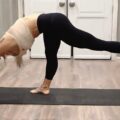 This Classic Barre Workout Strengthens and Tones
 Barre During Life Transitions
 The Rise of Boutique Fitness