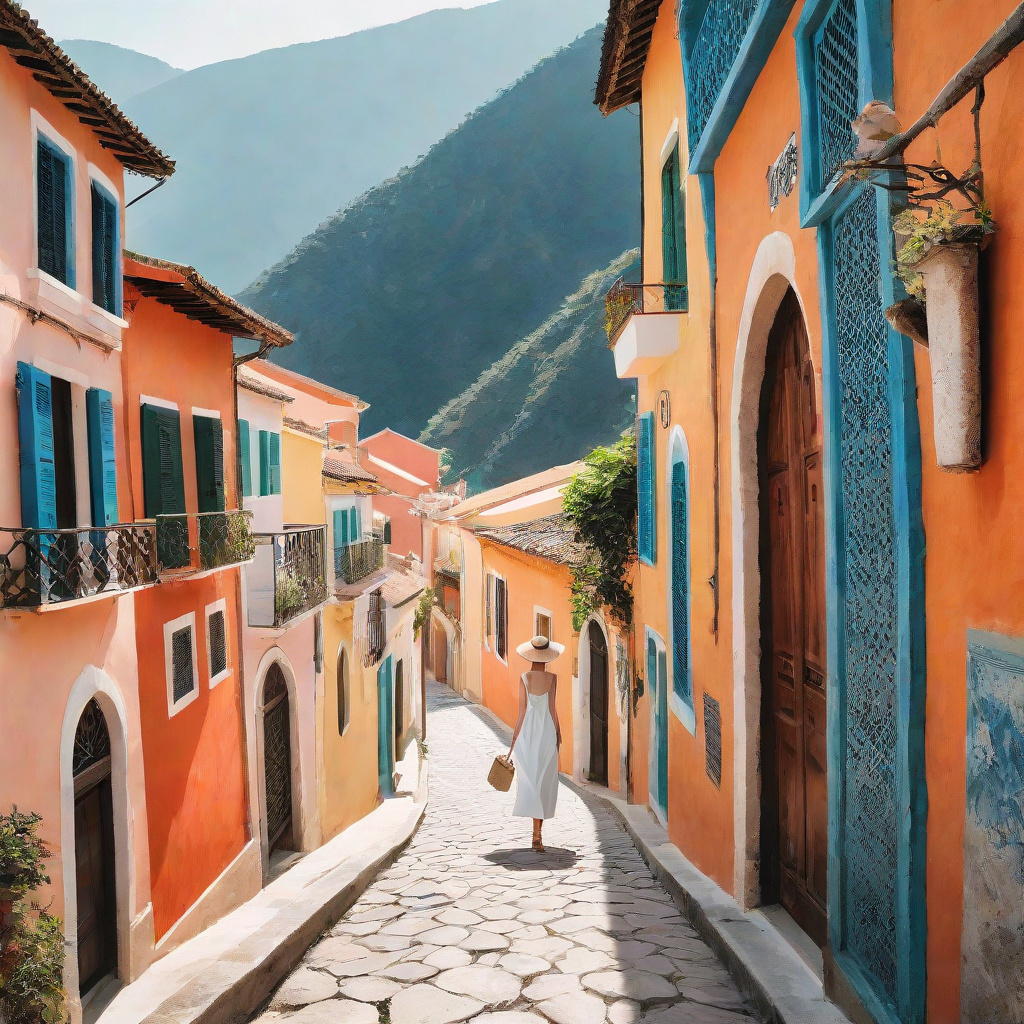
Traveling alone as a woman can be one of the most rewarding experiences of your life. It offers unparalleled freedom, deep self-discovery, and the chance to connect with the world on your own terms. While the initial thought might spark a mix of excitement and apprehension, choosing the right destination is the key to transforming that apprehension into pure adventure. The perfect solo travel spot for women isn’t just about iconic landmarks; it’s about safety, ease of navigation, opportunities for connection, and an environment where you can feel empowered and at ease.
This guide moves beyond generic lists to highlight destinations that consistently rank high for female solo travelers. We’ve considered factors like low crime rates, robust public transportation, the prevalence of English, cultural attitudes toward women, and the availability of social hostels or group tours. Whether you’re seeking a serene cultural immersion, a vibrant city break, or an adventurous nature escape, your perfect journey starts here.
1. Iceland: The Safe Haven of Natural Wonders
Often topping global safety indexes, Iceland is a premier choice for first-time and veteran solo female travelers alike. The combination of stunning, otherworldly landscapes and a deeply ingrained culture of gender equality makes it incredibly welcoming.
Why it works for solo women: Iceland has an exceptionally low crime rate. Its capital, Reykjavik, is small, walkable, and friendly. The local population is highly proficient in English, eliminating language barriers. There’s also a strong ethos of independence, so dining alone or exploring solo is completely normalized.
Must-experience activities:
- The Golden Circle: Join a day tour to see Þingvellir National Park, the Geysir geothermal area, and the majestic Gullfoss waterfall. Small group tours are an easy way to see the highlights and meet fellow travelers.
- Reykjavik’s Culture: Visit the Hallgrímskirkja church for panoramic views, wander the colorful streets of the Old Harbour, and relax in the geothermal waters of the Sky Lagoon or the Blue Lagoon.
- Chasing the Northern Lights: In winter, join an evening aurora hunting tour. Guides know the best spots away from light pollution and provide fascinating context.
Solo tip: For ultimate flexibility, consider renting a car. The Ring Road (Route 1) is well-maintained, and driving allows you to discover hidden waterfalls and hot springs at your own pace. Booking accommodations in advance, especially guesthouses in rural areas, is recommended.
2. Japan: The Epitome of Order, Respect, and Culture
Japan offers a solo travel experience defined by efficiency, safety, and profound cultural depth. From the hyper-modern buzz of Tokyo to the serene temples of Kyoto, you can travel with immense ease and confidence.
Why it works for solo women: Japan is famously safe, with lost items often returned untouched. Its public transportation system (especially the Shinkansen bullet trains and local subways) is punctual, clean, and easy to navigate with apps like Google Maps. The culture of respect and non-confrontation means you’re unlikely to experience harassment. Many restaurants offer counter seating, perfect for solo dining.
Must-experience activities:
- Tokyo’s Neighborhoods: Spend a day getting lost in the youthful energy of Harajuku, the electronic wonderland of Akihabara, and the upscale shopping of Ginza. Visit the historic Senso-ji Temple in Asakusa.
- Kyoto’s Temples & Geisha District: Explore the thousands of vermilion gates at Fushimi Inari Shrine (go early to avoid crowds), the golden Kinkaku-ji, and the atmospheric streets of Gion.
- Onsen Culture: Experience a traditional Japanese hot spring bath. Many onsens have women-only sections or specific women-only hours. It’s a deeply relaxing and culturally immersive practice.
Solo tip: Invest in a Japan Rail (JR) Pass before your trip for unlimited travel on most JR trains. Stay in a capsule hotel for a unique, safe, and affordable experience. Convenience stores (konbini) like 7-Eleven and FamilyMart are lifesavers for affordable, tasty meals and snacks.
3. Portugal: Sun-Drenched Charm with a Relaxed Vibe
Portugal combines old-world charm, stunning coastline, affordability, and a famously warm and laid-back attitude. It’s a destination where solo travelers can quickly feel at home.
Why it works for solo women: Portugal is generally very safe, especially in smaller cities and towns. The cost of travel is lower than much of Western Europe, stretching your budget further. The Portuguese people are typically helpful and patient. Lisbon and Porto are incredibly walkable, with excellent, inexpensive public transport and a thriving cafe culture ideal for solo observers.
Must-experience activities:
- Lisbon’s Hills & Trams: Ride the iconic Tram 28 for a scenic tour, explore the Alfama district’s narrow streets, and watch the sunset from the São Jorge Castle or the Miradouro da Senhora do Monte viewpoint.
- Porto’s Riverfront & Cellars: Walk across the Dom Luís I Bridge, explore the Ribeira district, and take a port wine tasting tour in the cellars of Vila Nova de Gaia.
- The Algarve Coast: For a beach-focused trip, head south. Towns like Lagos offer breathtaking cliffs, sea caves accessible by kayak, and a friendly international traveler scene.
Solo tip: Stay in a pousada (a historic inn) or a well-reviewed hostel with a social common area to meet other travelers. Take a free walking tour on your first day in a new city to get your bearings and learn local history. Don’t miss trying a pastel de nata (custard tart) with a coffee.
4. New Zealand: The Adventure Capital with a Friendly Face
For the solo woman craving outdoor adventure and jaw-dropping scenery, New Zealand is a dream. Its “tramping” (hiking) culture and well-established tourist infrastructure make it easy to explore independently or with groups.
Why it works for solo women: New Zealand is safe, politically stable, and its people (Kiwis) are famously friendly and outdoorsy. English is the primary language. The tourism industry is built around accessible adventure, with countless guided tours and well-marked hiking trails for all levels. The backpacker bus networks (like Stray or Kiwi Experience) are fantastic for solo travelers to see the country and form instant communities.
Must-experience activities:
- South Island’s Scenery: Hike the Hooker Valley Track for views of Aoraki/Mount Cook, cruise through Milford Sound, and experience the starry skies in the Aoraki Mackenzie International Dark Sky Reserve.
- North Island’s Culture & Volcanos: Explore the geothermal wonders of Rotorua, learn about Māori culture at a cultural performance, and visit the film set of Hobbiton.
- Adrenaline in Queenstown: Try bungee jumping, skydiving, or a scenic helicopter flight. Even if you’re not an adrenaline junkie, the town’s atmosphere is incredibly vibrant.
Solo tip: Consider renting a campervan for the ultimate freedom. New Zealand has many Department of Conservation (DOC) campsites with basic facilities. For popular Great Walks (like the Routeburn or Kepler Tracks), book huts and transport months in advance.
5. Slovenia: Europe’s Green, Under-the-Radar Gem
Slovenia is a compact, affordable, and stunningly beautiful country that often flies under the radar, making it perfect for solo travelers seeking an uncrowded European experience.
Why it works for solo women: It’s one of Europe’s safest countries. Its small size means you can experience alpine mountains, a charming capital, a picturesque coastline, and fairytale lakes all within a short drive. Ljubljana, the capital, is pedestrian-friendly, green, and feels more like a large town than a bustling metropolis. English is widely spoken, especially among younger generations and in tourism.
Must-experience activities:
- Lake Bled & Bohinj: Row a traditional pletna boat to the island church in Lake Bled, walk around the lake, and then venture to the larger, more serene Lake Bohinj for hiking and swimming.
- Ljubljana’s Charm: Explore the castle overlooking the city, stroll along the Ljubljanica River lined with cafes, and cross the famous Triple Bridge.
- Postojna & Škocjan Caves: Take a train ride deep into the spectacular Postojna Cave system or visit the even more dramatic UNESCO-listed Škocjan Caves.
Solo tip: Base yourself in Ljubljana and take day trips by bus or train. The country’s excellent bus network connects major sights affordably. For a social experience, stay at the Hostel Celica in Ljubljana, a former prison creatively converted into artist-designed cells.
6. Taiwan: A Fusion of Convenience, Cuisine, and Kindness
Taiwan offers the fascinating culture and cuisine of East Asia with an exceptional level of convenience, cleanliness, and safety. The Taiwanese are known for their incredible hospitality.
Why it works for solo women: Taiwan has very low violent crime rates. Its public transportation, especially in Taipei, is world-class—clean, efficient, and cheap. Night markets are vibrant, well-lit, and full of locals and families, making them safe and exciting places to explore and eat alone. The people are exceptionally polite and often go out of their way to help a visitor.
Must-experience activities:
- Taipei 101 & Night Markets: Visit the iconic Taipei 101 skyscraper, then dive into the sensory overload of Shilin or Raohe Night Market to sample stinky tofu, oyster omelets, and bubble tea.
- Taroko Gorge: Take a train from Taipei to Hualien and spend a day hiking the breathtaking trails through Taroko National Park’s marble-walled canyons.
- Hot Springs in Beitou: Relax in the public hot springs in Taipei’s Beitou district, a short metro ride from the city center.
Solo tip: Get an EasyCard when you arrive. You can load it with credit and use it for the metro, buses, and even purchases at convenience stores. Don’t be shy about pointing at food in night markets—it’s a perfectly accepted way to order.
7. Canada: Vast Landscapes and Urban Sophistication
For solo women who prefer wide-open spaces, friendly cities, and a familiar language (English and/or French), Canada is a fantastic and manageable choice.
Why it works for solo women: Canada is politically stable and safe. Its cities like Vancouver, Toronto, and Montreal are multicultural, diverse, and rank highly for quality of life. Canadians are famously polite and helpful. The natural parks system is outstanding, with well-maintained trails and visitor centers.
Must-experience activities:
- Vancouver’s Outdoor-City Blend: Bike around Stanley Park, explore the vibrant neighborhoods of Gastown and Granville Island, and take a day trip to the mountains in North Vancouver.
- Canadian Rockies by Rail or Road: Travel from Vancouver to Banff or Jasper by train (VIA Rail or Rocky Mountaineer) or car. Hike around Lake Louise, Moraine Lake, and the Icefields Parkway.
- Montreal’s European Flair: Wander the cobblestone streets of Old Montreal, climb Mount Royal for city views, and indulge in the city’s incredible food scene, from bagels to poutine.
Solo tip: If exploring national parks, consider joining a group tour from a nearby town (like Banff or Jasper) for activities like wildlife watching or glacier hikes. In cities, hostels and boutique hotels often have social events for guests.
Essential Solo Travel Toolkit: Planning for Confidence
Choosing the destination is half the battle. Proper preparation builds the confidence to fully enjoy your trip.
- Accommodation: Prioritize safety and location. Choose well-reviewed hostels (many have female-only dorms), centrally located hotels, or reputable guesthouses. Read recent reviews from other solo female travelers.
- Connectivity: Get a local SIM card or an eSIM upon arrival for reliable Google Maps, translation apps, and communication. Always share your itinerary and accommodation details with a trusted friend or family member back home.
- Packing Smart: Pack light for easy mobility. A cross-body bag with a secure zipper is ideal for daily use. Include a doorstop alarm for extra room security, a portable power bank, and copies of important documents (passport, insurance) stored separately from the originals.
- Mindset: Trust your instincts. If a situation or person feels off, remove yourself politely but firmly. It’s okay to say no. Embrace the freedom to change your plans. Some of the best travel memories come from unexpected detours.
Building Your Solo Travel Mindset
Solo travel is as much an internal journey as an external one. It’s normal to feel moments of loneliness or self-doubt, but these are often where the greatest growth happens.
Start conversations with other travelers in hostel common areas, on tours, or in cafes. A simple “Where are you from?” can open a door to a new friendship. Keep a journal to process your experiences. Be open to saying yes to opportunities, whether it’s an invitation to join a group for dinner or trying an activity outside your comfort zone. Remember, you are the architect of your own adventure. There is no wrong way to do it, as long as you are safe and true to your own interests.
Navigating Social Scenes: Finding Community Without Compromise
One of the subtle challenges of solo travel isn’t just being alone, but managing the social landscape. You might crave connection one day and absolute solitude the next. The key is having strategies for both. In destinations like Portugal’s Algarve or New Zealand’s Queenstown, the backpacker trail creates a built-in, transient community. You can tap into this by staying at hostels known for social events—look for ones with organized family dinners, pub quizzes, or free walking tours that depart from the lobby. These low-pressure activities let you gauge the vibe and engage on your terms.
Conversely, in places like Japan or Taiwan where hostel culture might be quieter, turn to structured experiences for connection. A dedicated food tour in Taipei’s night markets, a pottery class in Kyoto, or a group cycling trip around Ljubljana provides shared purpose and natural conversation starters. Apps like Meetup or local Facebook groups (e.g., “Expats in Lisbon” or “Tokyo Hiking International”) can surface niche gatherings, from language exchanges to feminist book clubs, offering deeper local interaction. Remember, your social battery is yours to manage. It’s perfectly fine to join a group for a day trip to Slovenia’s caves and then retreat to a private room for two nights of quiet reading. The rhythm is entirely yours.
Mastering Local Transit: Beyond the Tourist Shuttle
Public transportation is the great equalizer, offering independence, cultural immersion, and significant savings. While the article mentions robust systems, let’s delve into the practical nuances. In Japan, navigating the subway is a rite of passage. Beyond the JR Pass, understand the difference between JR lines, private metro lines (like Tokyo Metro), and how to use a Pasmo/Suica card seamlessly across them. Google Maps is remarkably accurate for train times and platform numbers, but download the official “Japan Travel” app for offline access to Shinkansen schedules. A pro tip: during rush hour in Tokyo, women-only cars are available on many lines—usually the first or last car—marked with pink signs. Using them is a culturally accepted choice for comfort.
In contrast, Portugal’s systems require a different approach. In Lisbon, the Viva Viagem card is essential; you can load it with money for trams, buses, and the metro, but note that each tram ride requires a “tap in.” For the iconic Tram 28, boarding at the terminus (Martim Moniz) guarantees a seat and avoids the worst crowds. In Slovenia, the regional bus network is the lifeline. Always validate your ticket by timestamping it in the small machine on board, not just buying it from the driver. For real-time schedules in rural areas, use the “Avtobusna postaja Ljubljana” website. The common thread? Download local transit apps before you arrive, purchase a local SIM at the airport for immediate data access, and always have a small amount of local cash for buses where cards aren’t accepted.
Solo Dining Deep Dive: From Casual Bites to Splurge Meals
Dining alone transcends grabbing a quick pastry. It’s an opportunity to engage all your senses without distraction. Let’s move beyond “bring a book” to cultivating the art of the solo meal. In Iceland, leverage the happiness hour culture. Many Reykjavik bars and restaurants offer substantial discounts on food and drinks between 4-7 PM. This is an ideal time to sit at a bar, order a bowl of lamb soup or fresh fish, and potentially chat with a local or fellow traveler in a low-key setting. For a true splurge, book a counter seat at a kaffi (cafe) overlooking the harbor. Watching the fishing boats come in while enjoying a slow coffee is a quintessential Icelandic moment.
In Japan, solo dining isn’t just accepted; it’s engineered for. Ramen-ya (ramen shops) with their ticket-vending machines and counter-facing benches are designed for efficient, solitary enjoyment. But also seek out kappo style counters, where you can watch chefs prepare multi-course meals. A simple “oishii” (delicious) can spark a conversation. In Taiwan, night markets are the ultimate solo dining playground. The strategy is to graze. Buy one item from a stall—a scallion pancake—eat it while walking, then queue for the next—a cup of mango shaved ice. This eliminates the “sitting alone” feeling entirely. For a sit-down meal, beef noodle soup shops are perfect; the focus is on the steaming, fragrant bowl in front of you, a universally understood experience that needs no companion.
Handling Health & Minor Emergencies: A Practical Primer
Getting a blister in Banff or a stomach bug in Taipei is a universal travel experience, but managing it alone requires foresight. Before you depart, research the local equivalent of 911. In the EU, it’s 112; in Japan, 110 for police, 119 for ambulance/fire. Save these numbers in your phone. For non-urgent care, know how to locate a pharmacy (farmacia in Portugal, yakkyoku in Japan). In many European countries like Slovenia and Portugal, pharmacists are highly trained and can diagnose and prescribe for minor ailments, saving a clinic visit.
Build a tailored mini-medical kit beyond basics. Include rehydration salts (crucial for food-related issues), antiseptic wipes, blister-specific bandages (like Compeed), a digital thermometer, and any personal medications with original prescriptions. In Iceland, the dry air can cause nosebleeds; pack saline nasal spray. In New Zealand’s outdoors, include a tick removal tool and antihistamine for potential bug bites. For peace of mind, use telemedicine services from your travel insurance provider. Many offer 24/7 video calls with doctors who can advise in English. Finally, always carry a physical card with your blood type, allergies, and emergency contact details, separate from your passport. This small preparation transforms a stressful situation into a manageable one.
Capturing the Journey: Photography and Memory-Keeping for One
Documenting your trip solo means getting creative. Forget awkward selfies with a extended arm. Invest in a lightweight, compact tripod or a phone grip with built-in legs. Use your camera’s timer or a Bluetooth remote. Scout locations during the day for the best light and safe footing for your setup. In places like Lake Bled, you’ll see others doing the same—it’s a solo traveler norm. Don’t shy away from asking a fellow tourist to take your photo; often, you can offer to reciprocate, creating a brief, friendly exchange.
Beyond photos, develop a system for memory-keeping that enriches the experience. Carry a small, durable notebook. Each evening, jot down not just what you did, but a sensory detail: the smell of pine in the Canadian Rockies, the sound of the geyser erupting in Iceland, the texture of the pastel de nata crust in Lisbon. Collect small, flat mementos: a tram ticket from Porto, a pressed flower from a Kyoto temple garden, a unique stamp from a Taiwanese post office. These become anchors for your memories. For a digital chronicle, use a private Instagram account or an app like Day One to pair photos with these notes. The act of recording itself becomes a reflective, rewarding part of the solo journey, turning observations into owned narratives.
Embracing Spontaneity Within a Framework: The Art of the Unplanned Day
The freedom to change your mind is a luxury of solo travel, but pure winging it can lead to decision fatigue or missing out. The solution is a flexible framework. Book your first and last night’s accommodation, and perhaps one or two “anchor” experiences that require advance tickets (like the Ghibli Museum in Tokyo or a specific geothermal time slot at the Blue Lagoon). Leave everything else open. Start each morning with a loose plan—”today I’ll explore the Alfama district”—but allow yourself to be diverted. A sign for a miradouro (viewpoint) might lead you down a captivating alley. A conversation with a shopkeeper might reveal a local festival happening that afternoon.
Use technology to enable spontaneity. Apps like GetYourGuide or Viator often have same-day bookings for tours with free cancellation windows. In cities like Vancouver or Ljubljana, use bike-share or e-scooter apps to instantly change your radius of exploration. When you feel indecisive, employ a simple rule: turn left instead of right, get off the bus at the third stop instead of the fifth, or choose the cafe with the fewest tourists. Some of the most profound moments—discovering a tiny bookstore in Reykjavik, stumbling upon a tranquil shrine behind a bustling Tokyo street, sharing a picnic with a stranger in a Slovenian meadow—come from letting the day unfold without a rigid itinerary. Trust that your curiosity is a reliable guide.
Managing Finances On the Go: Security and Simplicity
Financial logistics can be a stealth stressor. The goal is to access your money securely and cheaply without carrying large amounts of cash. Notify your bank and credit card companies of your travel dates to prevent fraud alerts. Then, adopt a multi-layer approach. Use a no-foreign-transaction-fee debit card (like from Charles Schwab) to withdraw local currency from ATMs. Withdraw larger amounts once to minimize fees, and store most of it locked in your accommodation. For daily spending, use a no-foreign-transaction-fee credit card where widely accepted (nearly everywhere in Iceland, Canada, Japan; less so in smaller Taiwanese shops or Portuguese markets).
Understand local payment cultures. In Taiwan and Japan, cash is still king for small vendors and markets, so always have some on hand. In contrast, Slovenia and Portugal are increasingly card-friendly, even for small purchases. For splitting costs on group tours or with new friends, use peer-to-peer apps like Wise (formerly TransferWise) or Revolut, which offer excellent exchange rates. Keep a digital copy of your card details and bank’s international contact number in a secure cloud service, separate from your physical wallet. Finally, always have a small emergency cash fund in a stable currency (US dollars or Euros) hidden separately. This system ensures you’re never stranded, while maximizing convenience and minimizing fees, letting you focus on the experience, not the exchange rate.
Frequently Asked Questions (FAQ)
1. Is solo travel as a woman really safe?
While no place is 100% risk-free, many destinations worldwide are statistically very safe for travelers, including women traveling alone. Safety is significantly enhanced by thorough research, choosing recommended destinations (like those listed above), practicing common-sense precautions (being aware of your surroundings, not walking alone in poorly lit areas at night, moderating alcohol consumption), and trusting your intuition. Millions of women travel solo safely each year and have transformative experiences.
2. I’m nervous about eating alone. How can I make it more comfortable?
Dining solo is a skill that quickly becomes enjoyable. Start by choosing the right venue: cafes, bistros with counter seating, or bustling food markets are perfect. Bring a book, journal, or use your phone to people-watch. Remember, in most parts of the world, especially in cosmopolitan cities, dining alone is completely normal. Staff are typically very accommodating to solo diners. View it as a treat and an opportunity to savor the local cuisine without distraction.
3. How can I meet people if I don’t want to be alone the whole time?
Solo travel doesn’t mean being isolated. There are numerous built-in ways to connect: Stay in social hostels that organize events. Book small-group day tours (walking tours, food tours, adventure excursions). Use apps like Meetup for expat or hobby-based gatherings in cities. Take a class (cooking, language, yoga). Often, simply being open and smiling can lead to conversations with fellow travelers or friendly locals.
4. What’s the biggest mistake first-time solo female travelers make?
A common mistake is overpacking and over-scheduling. Carrying too heavy a bag can drain your energy and limit your flexibility. Similarly, trying to see and do everything can lead to burnout. The beauty of solo travel is the freedom to move at your own pace. Pack light, leave space in your itinerary for spontaneity, and don’t be afraid to spend an afternoon relaxing in a park or cafe if that’s what you need.
5. How do I handle unwanted attention or harassment while traveling alone?
First, trust your gut. If someone makes you uncomfortable, a firm, clear “No, thank you” is appropriate. Do not feel obligated to be polite if your boundaries are being tested. Walk confidently toward a public area, a shop, or a hotel lobby. In many cultures, pretending you don’t understand or speaking loudly to draw public attention can deter harassers. Having a local emergency number saved in your phone and knowing basic phrases like “Go away” or “Help” in the local language is also wise. Most importantly, remember that such encounters are the exception, not the rule, in well-chosen destinations.
Related posts:
 How to Gain Confidence Through Solo Travel
 Why Millennials Crave Transformative Travel
 Justice Tarot Card Interpretation
 Solo Travel as the Ultimate Self-Love Practice
 Paceline Card Benefits
 Best Destinations All Solo Travelers Need to Visit
 The Unspoken Rules of Group Chat Etiquette Everyone Should Know
 Tarot and Personal Honesty