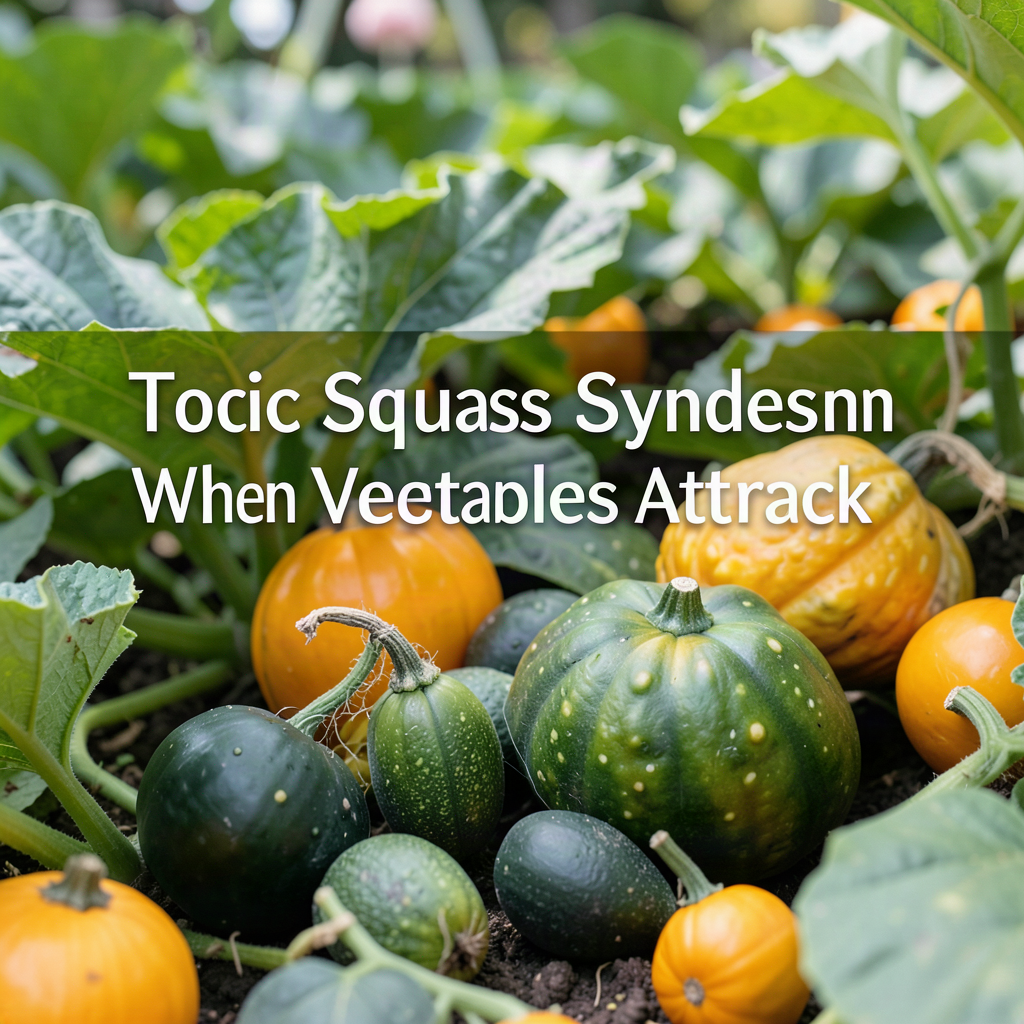
Gardeners and home cooks have long celebrated the abundance of summer vegetables, but occasionally, the produce from our gardens carries an unexpected danger. Toxic squash syndrome, also known as cucurbitacin poisoning, represents a real hazard that can emerge from certain squash and cucumber varieties. This condition occurs when plants produce elevated levels of cucurbitacins—bitter compounds that serve as natural pesticides in the Cucurbitaceae family—at dangerous concentrations. Understanding what causes this phenomenon, how to identify affected vegetables, and what to do if exposure occurs can help you protect your family while still enjoying homegrown produce.
The syndrome gained attention in the early 2000s when several cases of illness were linked to homegrown squash and pumpkins. Unlike foodborne pathogens, toxic squash syndrome results from the plant’s own biochemistry rather than external contamination. This makes it particularly interesting from a botanical perspective and underscores the importance of informed home gardening practices.
What Are Cucurbitacins and Why Do Plants Produce Them?
Cucurbitacins are a group of triterpenoid compounds found naturally in plants of the Cucurbitaceae family, which includes squash, pumpkins, cucumbers, melons, and gourds. In normal concentrations, these compounds contribute to the slightly bitter taste some people notice in certain varieties. The plant produces them as a natural defense mechanism against insects and other herbivores that might otherwise consume the plant entirely.
Most commercial squash and cucumber varieties have been bred to minimize cucurbitacin content, making them palatable and safe for consumption. However, under certain environmental stressors or when plants cross-pollinate with ornamental gourds and wild relatives, cucurbitacin levels can spike dramatically—sometimes reaching toxic levels. When this happens, a single serving can contain enough of the compound to cause gastrointestinal distress and, in rare cases, more serious symptoms.
The bitter taste of a problematic vegetable serves as the primary warning sign. Consumers who taste extreme bitterness should spit out the food immediately and not consume it, as this indicates dangerously high cucurbitacin levels.
How Environmental Stress Increases Cucurbitacin Production
Several environmental factors can trigger plants to increase their production of cucurbitacins. Drought stress is one of the most significant contributors. When plants experience water scarcity, they ramp up production of defensive compounds, possibly as a survival mechanism. Extended periods without adequate rainfall or irregular watering can push squash plants toward this response.
Temperature extremes also play a role. Unusually hot summers or unexpected cold snaps can stress plants and increase their chemical defenses. Soil nutrient imbalances, particularly deficiencies in essential minerals, can similarly trigger stress responses that elevate cucurbitacin production. Additionally, pest pressure or disease infection prompts plants to increase their natural pesticide production as they attempt to protect themselves.
Cross-pollination with ornamental gourds and wild cucurbit species represents another significant risk factor. Ornamental gourds are typically bred for appearance rather than edibility and often contain very high cucurbitacin levels. If pollen from these plants reaches your edible squash plants, the resulting fruit may inherit the tendency toward high cucurbitacin production. This is why gardeners are advised to isolate ornamental gourds from edible squash plants or avoid growing them together entirely.
Recognizing Toxic Squash and Cucumber Symptoms in Vegetables
The most reliable indicator of a toxic squash is an intensely bitter taste. This bitterness will be far more pronounced than the mild bitterness some squash varieties naturally possess. If you bite into a piece of raw squash and immediately notice overwhelming bitterness, stop consuming it and discard the rest of that vegetable. This is your body’s warning system at work.
Visual inspection alone cannot reliably identify toxic squash, as affected vegetables often appear completely normal. A squash that looks perfectly healthy and well-formed might contain dangerous levels of cucurbitacins. This unpredictability is part of what makes toxic squash syndrome particularly concerning for home gardeners who cannot perform laboratory testing on their harvest.
Some experienced growers note that toxic squash may have an unusual appearance in rare cases—perhaps odd coloring or deformed sections—but this is not a consistent indicator. The taste test remains the most dependable screening method. Always taste a small sample of unfamiliar squash or homegrown varieties before preparing larger quantities.
Symptoms of Cucurbitacin Poisoning and When to Seek Help
If someone ingests squash with high cucurbitacin levels, symptoms typically appear within 30 minutes to several hours of consumption. The most common symptoms are gastrointestinal in nature and include nausea, vomiting, abdominal cramping, and diarrhea. These symptoms are usually mild to moderate and resolve within 24 hours without medical intervention.
In rare cases, particularly when larger quantities were consumed or in vulnerable individuals, symptoms can be more severe. Excessive vomiting and diarrhea can lead to dehydration, which requires medical attention. Some documented cases have included headaches, fever, and in very rare instances, liver involvement, though this is exceptionally uncommon.
Seek medical attention if you experience severe or persistent symptoms, signs of dehydration such as extreme thirst or reduced urination, symptoms lasting beyond 24 hours, or if a young child or elderly person shows any concerning symptoms. When contacting a healthcare provider, mention that you consumed homegrown squash and suspect cucurbitacin exposure, as this information helps with diagnosis and treatment decisions.
Safe Gardening Practices to Prevent Toxic Squash Production
The most effective prevention strategy is to purchase seeds from reputable commercial sources rather than saving seeds from your own plants or trading with other gardeners. Commercial seed producers maintain careful breeding standards to ensure low cucurbitacin varieties. Heirloom and open-pollinated varieties are rewarding to grow, but they carry higher risk if not sourced carefully.
Separate ornamental gourds, decorative pumpkins, and wild cucurbits from your edible squash, cucumber, and melon plants. Maintain at least 500 feet of distance if possible, or use physical barriers and controlled pollination techniques if you want to grow both types. Many gardeners simply choose not to grow ornamental varieties when they also cultivate edible cucurbits.
Maintain consistent watering practices throughout the growing season. Avoid letting plants experience extreme drought stress. This doesn’t mean overwatering, but rather providing regular, adequate moisture according to your climate and soil conditions. Mulching around plants helps regulate soil moisture and temperature.
Monitor your plants for pest damage and disease, addressing problems early rather than allowing chronic stress to build. Maintain adequate soil nutrition with balanced fertilizer. Avoid extreme temperature swings when possible through appropriate garden site selection and, in some cases, row covers or shade cloth during temperature extremes.
How to Handle Your Harvest Safely
When harvesting squash from your garden, taste a small raw piece of flesh before consuming or cooking significant quantities. This is particularly important for unusual varieties, heirloom seeds, or the first harvest of the season. If any bitterness is detected, discard the entire squash rather than attempting to cook out the problem, as cooking does not reduce cucurbitacin levels.
Store squash properly to prevent additional stress that might increase toxin production in stored vegetables. Keep them in a cool (50-70°F), dry location with good air circulation. Avoid stacking them where weight and contact cause damage. Properly stored squash can last months, but inspect them periodically and discard any that develop soft spots or decay.
If you grow multiple varieties of squash or cucumbers, keep careful records of which plants produced which fruits. If you suspect you’ve consumed toxic squash, knowing which plant it came from helps prevent future issues. Consider whether that plant experienced unusual stress or suspect cross-pollination.
Commercial Produce and Restaurant Risk Assessment
Toxic squash syndrome from commercially produced vegetables is extremely rare. Commercial farms use certified seed, implement rigorous quality control procedures, and have financial incentives to prevent contamination. The vast majority of documented cases involve homegrown or farmer’s market produce grown by individuals unfamiliar with cucurbitacin risks.
Restaurants and food service establishments that source from verified suppliers face minimal risk. However, restaurants that accept produce from home gardeners or have on-site gardens could potentially encounter toxic squash, particularly if staff members are unfamiliar with the bitter-taste warning sign. Professional kitchens typically have tasting procedures that would catch problem vegetables before they’re served to customers.
Farmer’s market vendors vary widely in their knowledge and practices. Many farmers are extremely knowledgeable and careful, but some may be less informed about proper seed sourcing and isolation practices. If you purchase squash from a farmer’s market, taste-test before consuming, just as you would with homegrown varieties.
Supporting Your Garden’s Long-Term Health
Building healthy soil creates stronger, more resilient plants less likely to produce excessive defensive compounds under stress. Incorporate compost and organic matter to improve soil structure, water retention, and nutrient availability. Healthy soil supports better plant growth, which means vegetables that spend their energy on production rather than defense mechanisms.
Rotate your crops, avoiding planting squash or other cucurbits in the same location year after year. This practice reduces disease and pest pressure and helps maintain soil health. A three or four-year rotation schedule is ideal for most home gardeners.
Select disease-resistant varieties when possible, reducing the stress factors that trigger defensive compound production. Many seed catalogs clearly label resistant varieties, making this easy to accomplish. Purchasing from specialty seed companies that cater to home gardeners often provides varieties specifically developed for resilience.
Navigating Seed Selection and Variety Choices
When selecting squash varieties for your garden, reputable seed companies provide crucial information about varieties. Look for notes about mildness and suitability for eating. Avoid ornamental or decorative squash for consumption. If you want to save seeds from your own plants, you must understand that this carries increased risk, particularly if other members of the Cucurbitaceae family are growing nearby and can cross-pollinate.
Heirloom and traditional varieties can be wonderful, but source them from companies with long histories of proper maintenance. Some independent seed savers and agricultural organizations carefully maintain low-cucurbitacin lines of heirloom varieties, while others may not prioritize this trait. Research the source before purchasing.
New gardeners might reasonably start with well-established commercial varieties from major seed companies before experimenting with more unusual options. These varieties have been extensively tested and are known to be safe under normal growing conditions.
The Biochemistry Behind Cucurbitacin Activation and Stress Response Pathways
While cucurbitacins exist as defensive compounds in all Cucurbitaceae family members, understanding the precise biochemical pathways that activate their production reveals why some plants respond more dramatically to stress than others. When a squash plant encounters environmental threats—whether drought, extreme temperatures, or pest damage—it triggers a cascade of hormonal signals, particularly involving ethylene and jasmonic acid, that upregulate the genes responsible for triterpenoid synthesis. This is not a simple on-off switch but rather a graduated response where cumulative stressors push production beyond normal thresholds into potentially dangerous ranges.
The plant’s root system plays a critical role in this process. Roots experiencing water stress send chemical signals upward through the plant’s vascular system, essentially telling the leaves and fruits to increase defensive production because the plant is struggling. In normal seasons with adequate moisture, these signals remain muted. However, in drought years or when irrigation becomes sporadic, the intensity and frequency of these stress signals can trigger sustained elevation of cucurbitacin synthesis. This explains why toxic squash syndrome appears sporadically rather than consistently—it requires the convergence of multiple stressors during critical periods of fruit development.
Nutrient deficiencies create their own signaling cascade. When soil lacks adequate phosphorus, potassium, or micronutrients like boron or manganese, plants interpret this as a threat to their survival and mount a defensive response. Interestingly, over-fertilization with nitrogen can also trigger problems by creating excessive vegetative growth that the plant perceives as imbalanced and stressful. The plant essentially asks: if I’m allocating all my energy to leaves and vines rather than fruit development, something must be wrong. This misaligned growth pattern can push fruits toward higher cucurbitacin production even in otherwise favorable growing seasons.
The timing of stress relative to fruit development matters enormously. Stress during the first few weeks after pollination, when the fruit is establishing its tissues and determining its chemical profile, has far greater impact than stress later in the season. This is why early-season drought or pest pressure carries higher risk for producing problematic fruit. Conversely, plants that experience stress only after fruits are nearly mature may show less dramatic increases in toxin levels simply because the critical developmental window has passed.
Cross-Pollination Risks: Ornamental Gourds, Wild Relatives, and Hybrid Vigor Gone Wrong
The cross-pollination threat represents one of the most underappreciated risks in home gardening because it operates invisibly until harvest time. Ornamental gourds and decorative pumpkins are bred specifically for appearance, durability, and pest resistance—traits that correlate strongly with high cucurbitacin content. These plants produce pollen that can travel considerable distances on wind currents and through insect activity. A single successful cross between an ornamental gourd plant and an adjacent edible squash plant can fundamentally alter the chemical profile of the resulting fruit.
What makes this particularly treacherous is that cross-pollination effects don’t appear immediately in the pollinated fruit itself. Instead, the genetic material from the ornamental parent integrates into the offspring plant’s genome. If you save seeds from a squash that received pollen from an ornamental gourd, the next generation of plants grown from those seeds will reliably produce high-cucurbitacin fruit. Growers who unknowingly save seeds from cross-pollinated plants may spend years wondering why their favorite heirloom variety suddenly became inedible—without realizing they’ve inadvertently created a toxic line through repeated seed saving.
Wild cucurbit relatives present a more diffuse but equally problematic risk. In regions where wild squash or gourd species grow, pollen can travel from these plants to cultivated gardens. Native wild varieties typically contain high cucurbitacin levels as they’ve never been bred for human consumption. A gardener in a rural area might be completely unaware that wild relatives grow in nearby fields or hedgerows, and pollen from these sources can infiltrate their garden during peak pollination season.
The risk geography varies by location. Gardeners near seed production facilities, agricultural regions focused on ornamental gourds, or areas with naturalized wild cucurbits face higher exposure to wayward pollen. Urban and suburban gardeners with neighbors growing ornamental gourds also face real risk if those neighbors’ plants release pollen during overlapping flowering periods. Understanding your local agricultural landscape and what grows nearby provides crucial context for assessing your personal risk level.
Distance alone doesn’t guarantee safety because cucurbit pollen can travel surprisingly far on wind currents and on the bodies of bees and other pollinators. However, greater separation does reduce risk proportionally. The often-cited 500-foot minimum represents a compromise between ideal isolation and practical garden sizing for home growers. In urban settings where 500 feet isn’t feasible, gardeners must rely more heavily on temporal isolation—ensuring that ornamental and edible varieties flower at different times—or simply choosing not to grow both types.
Regional Patterns and Geographic Variation in Toxic Squash Incidents
Toxic squash syndrome incidents cluster geographically in patterns that reflect both agricultural practices and gardening demographics. Regions with significant ornamental gourd production, particularly those growing decorative pumpkins for fall harvest and seasonal sales, report higher incident rates. The agricultural infrastructure in these areas means pollen from commercial ornamental plantings can reach home gardens over considerable distances. Parts of the Midwest and California, which produce substantial ornamental gourd crops, see more documented cases than regions without this agricultural focus.
Rural areas with established gardening traditions report incidents more frequently than suburban or urban areas, though this may reflect both higher gardening populations and greater likelihood of seed saving practices. Farmers and experienced gardeners who’ve grown the same varieties for decades sometimes save seeds without fully understanding modern cross-pollination risks. A 60-year-old gardener growing squash varieties their parents grew may not realize that a neighbor’s recent ornamental gourd planting represents a new source of contamination.
Drought-prone regions experience seasonal spikes in reported incidents during particularly dry years. When regional drought stress affects multiple gardens simultaneously, toxic squash syndrome cases often increase proportionally. This geographic-temporal clustering has helped researchers identify stress as a key factor, though it also means some regions face higher baseline risk from their climate patterns alone. Gardeners in arid or semi-arid regions must be particularly vigilant about consistent watering practices.
Interestingly, some regions report almost no toxic squash incidents despite substantial gardening populations, suggesting that local agricultural practices, seed sources, and gardening knowledge bases create protective factors. Areas where home gardeners predominantly purchase seeds from regional seed companies that provide educational materials about cucurbitacin risks show lower incident rates. This pattern suggests that knowledge distribution and cultural norms around gardening practices influence risk as much as environmental factors do.
Testing, Detection Methods, and the Limitations of Home Assessment
While the bitter-taste test remains the most accessible screening method, understanding its limitations proves important for thorough risk management. Taste perception varies between individuals; some people are far more sensitive to bitter compounds than others. A squash that one person perceives as unpleasantly bitter might taste only slightly off to someone with reduced bitter taste sensitivity. This variation means that relying on one family member to taste-test creates blind spots—the person least sensitive to bitter compounds might clear a dangerous vegetable for consumption.
Temperature affects taste perception as well. A raw squash sampled at room temperature may register as more bitter than the same sample after cooking, because heat can somewhat mute bitter perception even if it doesn’t reduce the actual cucurbitacin content. This creates a false sense of security; the vegetable still contains the toxic compounds even if the cooked version tastes less objectionable. Additionally, bitter fatigue—where repeated tasting desensitizes your palate—can cause problems if you taste-test multiple squash in succession. Each subsequent tasting registers as less bitter simply because your taste buds have adapted.
For those who want more objective assessment, liquid chromatography and mass spectrometry can accurately measure cucurbitacin content, but these laboratory tests are impractical for home gardeners and prohibitively expensive for individual squash assessment. Some universities with strong agricultural extension programs offer testing services, though availability varies by region and may come with substantial fees. Extension offices in regions with documented toxic squash problems sometimes maintain educational materials and contact information for testing resources.
Developing home test kits for cucurbitacin detection has attracted some research interest, and various methods under investigation include color-change test strips and immunoassay approaches similar to pregnancy tests. However, no reliable, affordable, easy-to-use home testing kit has yet achieved widespread commercial availability. Until such tools exist, gardeners must rely on taste testing supplemented by good growing practices designed to prevent high cucurbitacin production in the first place.
Cell culture and animal studies show that very small amounts of purified cucurbitacins can cause measurable biological effects, but the difference between laboratory-tested pure compounds and whole food consumption creates uncertainty about real-world thresholds. The amount of bitter-tasting squash that causes symptoms in one person might produce no noticeable effects in another, suggesting that individual susceptibility varies considerably. Vulnerable populations—young children, elderly individuals, and those with compromised digestive systems—likely experience effects at lower exposure levels than healthy adults.
Recovery Protocols and Post-Exposure Management Strategies
If someone ingests toxic squash and experiences symptoms, management focuses on supportive care and monitoring for concerning developments. For mild cases with only minor nausea or stomach discomfort, this might involve resting at home and drinking clear fluids to maintain hydration. Avoiding additional food for a few hours often helps, allowing the digestive system to settle. As symptoms improve, reintroducing bland foods like crackers, rice, or toast in small quantities prevents re-triggering nausea.
Dehydration represents the primary concern for cases involving vomiting or diarrhea. Unlike bacterial foodborne illness, where the pathogen continues multiplying and causing ongoing damage, cucurbitacin poisoning is typically self-limiting once the contaminated food has passed through the system. However, the fluid loss from vomiting and diarrhea can become problematic, particularly in young children and elderly individuals. Oral rehydration solutions containing balanced electrolytes work better than plain water for maintaining electrolyte balance during active symptoms.
Medical professionals encountering suspected cucurbitacin poisoning should recognize that this differs from typical food poisoning in several important ways. There’s no pathogen to culture, no antibiotic that helps, and no specific antitoxin. Supportive care—IV fluids if needed for severe dehydration, anti-emetics for uncontrollable vomiting—represents the standard approach. Alerting your healthcare provider that you suspect cucurbitacin exposure helps them avoid unnecessary testing for bacterial or viral pathogens and focus on monitoring for complications.
Documentation of exposure proves valuable for later reference. Recording what was eaten, when it was consumed, and what symptoms developed helps healthcare providers assess severity and predict likely resolution. If multiple family members consumed the same squash, comparing their symptoms provides information about dose response and individual susceptibility. This documentation also serves as insurance should any long-term questions arise about health effects.
For ongoing gardening, post-exposure analysis should identify what allowed the problem to occur. Was the squash from a particular plant that showed signs of stress? Did it come from a year with unusual weather patterns? Was the seed source questionable? Understanding the root cause—or at minimum, recognizing the likely contributing factors—helps prevent similar incidents. Some gardeners respond to an incident by switching to exclusively commercial seed and cultivars rather than experimenting with heirlooms or saving seeds, while others implement more targeted changes like increasing ornamental plant distance or improving irrigation consistency.
Insurance, Liability, and Legal Considerations for Growers and Producers
Home gardeners generally face no legal liability if family members become ill from toxic squash produced in their own garden, as this falls under personal food production and consumption. However, gardeners who sell produce at farmer’s markets or provide squash to neighbors face potential liability if someone becomes ill. Most homeowner’s insurance policies exclude business activities, meaning liability coverage doesn’t extend to sold produce. Gardeners interested in selling produce need specific product liability insurance, which becomes increasingly important if cucurbitacin risks are involved.
Farmer’s market vendors occupy a middle ground with varying regulations by jurisdiction. Some localities regulate farmer’s market produce as home-prepared foods with minimal oversight, while others require specific licenses and food safety certifications. If a vendor sells toxic squash that causes illness, liability depends on local regulations and whether the vendor’s practices met the applicable standards in their jurisdiction. Vendors unfamiliar with cucurbitacin risks who purchase squash from home gardeners or grow it themselves without proper precautions face the most exposure.
Food service establishments including restaurants face strict liability for any produce served to customers. Even if a restaurant sources from what appeared to be a reliable vendor, the establishment remains responsible if that produce causes illness. This is why many restaurants maintain strict documentation of produce sources and conduct quality checks. Some high-end restaurants that feature local produce or maintain on-site gardens employ specialized staff to verify safety, and many others now specifically exclude high-risk items like homegrown squash from their supply chains.
Organizations that distribute food through community programs, food banks, or gleaning initiatives face particular concerns because their clients often can’t apply sophisticated taste-testing or assessment to distributed produce. These organizations increasingly implement strict sourcing requirements and staff training to prevent toxic squash distribution. A single incident could compromise an organization’s reputation and funding.
Insurance companies and risk managers increasingly recognize cucurbitacin poisoning as a distinct category of food safety risk, separate from traditional pathogenic contamination. This recognition affects insurance underwriting for farming operations, food service establishments, and organizations handling produce. Insurers now sometimes ask specifically about cucurbitacin prevention practices and may adjust premiums based on answers. This trend will likely accelerate awareness and prevention practices across the food supply chain.
Breeding and Variety Development: Working Toward Permanent Solutions
Plant breeders have successfully reduced cucurbitacin content in commercial squash and cucumber varieties through decades of selective breeding, but breeding for even greater safety and resilience continues. Modern breeding programs specifically select for low-cucurbitacin lines, and breeders can now screen seedlings for cucurbitacin content relatively quickly using chromatography techniques. This allows them to identify and propagate the lowest-cucurbitacin individuals, creating progressively safer varieties.
Some breeding efforts focus on creating varieties that remain low in cucurbitacins even under significant stress. This would represent a major advance because it would decouple safety from perfect growing conditions. A variety that maintains acceptable cucurbitacin levels despite drought stress would essentially eliminate the toxic squash syndrome risk. However, breeding for stress tolerance while maintaining flavor and yield proves challenging because these traits sometimes conflict.
Heirloom variety preservation efforts now recognize cucurbitacin content as an important characteristic to track and maintain. Agricultural heritage organizations and seed preservation societies increasingly test traditional varieties and maintain low-cucurbitacin lines of heirlooms that had drifted toward higher concentrations. This allows gardeners to grow traditional varieties with confidence, as long as they source seeds from organizations that prioritize this characteristic.
Biotechnology approaches including genetic modification could theoretically create squash that cannot produce cucurbitacins at all, though this remains controversial and faces regulatory hurdles. Such varieties would eliminate toxic squash syndrome entirely but raise other questions about plant resilience and pest resistance that would need addressing. Consumer acceptance of genetically modified squash remains uncertain, so this solution may never reach mainstream adoption despite its theoretical advantages.
International collaboration among seed companies and agricultural research institutions helps share knowledge about safe varieties and best practices. Regions experiencing toxic squash syndrome outbreaks now benefit from accelerated information sharing, so that other regions can implement preventative measures before experiencing similar problems. This global approach contrasts with earlier decades when incidents were handled locally and knowledge wasn’t systematized.
Frequently Asked Questions
Q: Can cooking destroy cucurbitacins and make a bitter squash safe to eat?
A: No. Cooking does not break down or neutralize cucurbitacins. These compounds are heat-stable, meaning they remain present and toxic regardless of cooking method. If a squash tastes extremely bitter raw, cooking it will not make it safe. The only appropriate action is to discard it.
Q: Is organic gardening more prone to toxic squash production?
A: Organic gardening itself doesn’t inherently cause higher cucurbitacin production. However, organic growers who are unfamiliar with cucurbitacin risks and who save seeds or grow ornamental gourds alongside edible squash may experience higher rates of problems. The risk comes from specific practices rather than the organic certification or philosophy itself.
Q: Can you get toxic squash from butternut squash, acorn squash, or other common varieties?
A: Yes. While commercial butternut and acorn squash are bred to be low in cucurbitacins, homegrown varieties of any squash can potentially produce high levels if stressed or cross-pollinated. This includes common varieties like zucchini, yellow squash, and patty pan. Commercial produce remains extremely safe, but homegrown vegetables require caution.
Q: How do I know if my ornamental gourds are contaminating my edible squash?
A: You won’t know until harvest if cross-pollination occurred. This is why prevention through separation is recommended. If you notice that your edible squash from a particular year tastes unusually bitter, suspect cross-pollination and either remove the ornamental gourds or move them farther away the following year.
Q: Are there any long-term health effects if I’ve consumed bitter squash?
A: For most people, mild cases of cucurbitacin poisoning cause temporary gastrointestinal upset that resolves completely. There are no known permanent health consequences from a single exposure or even occasional exposure in most individuals. However, if someone experienced severe symptoms or if you have concerns, discussing the exposure with a healthcare provider is appropriate.
Related posts:
 Bitter Foods: The Surprising Health Benefits You Need to Know
 Butternut Squash Fries That Taste Better Than the Real Thing
 Urban Outfitters’ Faux Plant Collection
 Acorn Squash Nutrition Facts and Health Benefits
 Healthy Butternut Squash Recipes
 This Butternut Squash Risotto Is Creamy Comfort Food at Its Best
 Bitter Baileys Cocktail Recipe
 Butternut Squash: A Nutritional Powerhouse in Partnership with Ocean Spray