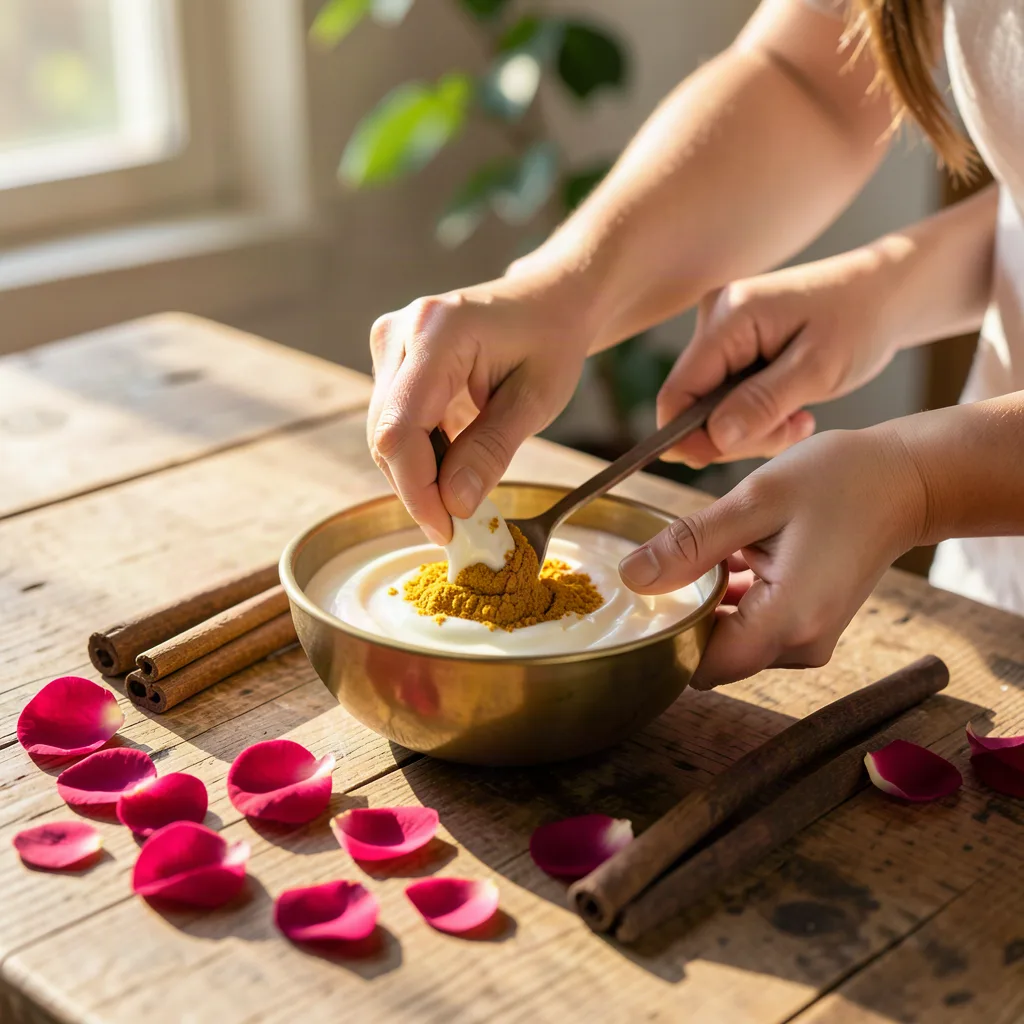
The Ancient Wisdom of Traditional Indian Face Masks
For centuries, Indian women have relied on the healing power of natural ingredients to nourish and beautify their skin. These time-honored face mask recipes harness the potent properties of common kitchen staples and herbs to reveal a glowing, radiant complexion. By embracing these traditional remedies, we can nurture both our skin and our connection to ancient wellness practices passed down through generations.
Key Ingredients in Traditional Indian Face Masks
The foundation of many Indian face masks includes:
- Turmeric: A powerful anti-inflammatory and antioxidant that brightens skin
- Sandalwood: Cooling and soothing for all skin types
- Chickpea flour (besan): Gently exfoliates and absorbs excess oil
- Yogurt: Moisturizes and provides beneficial probiotics
- Honey: Natural humectant with antibacterial properties
- Neem: Purifying and healing for acne-prone skin
These natural ingredients work in harmony to address a variety of skin concerns while avoiding harsh chemicals. The ritual of applying these masks also provides a mindful moment of self-care.
Nourishing Turmeric and Yogurt Mask
This golden mask combines the anti-inflammatory power of turmeric with moisturizing yogurt:
- 2 tablespoons plain yogurt
- 1/4 teaspoon turmeric powder
- 1 teaspoon honey
Mix ingredients into a smooth paste. Apply to clean skin and leave on for 15-20 minutes before rinsing with lukewarm water. The yogurt soothes and hydrates while turmeric brightens and evens skin tone. Use weekly for best results.
Clarifying Neem and Sandalwood Mask
For oily or acne-prone skin, this purifying mask helps balance and heal:
- 1 tablespoon neem powder
- 1 tablespoon sandalwood powder
- Rosewater to form a paste
Combine ingredients and apply to face and neck. Leave on for 10-15 minutes until nearly dry, then rinse. Neem’s antibacterial properties fight breakouts while sandalwood cools and calms irritation. Use 1-2 times per week.
Gently Exfoliating Besan and Honey Mask
This mask provides light exfoliation to reveal brighter skin:
- 2 tablespoons chickpea flour (besan)
- 1 tablespoon honey
- 1 tablespoon plain yogurt
- A few drops of lemon juice (optional)
Mix ingredients to form a thick paste. Gently massage onto damp skin using circular motions. Leave on for 10-15 minutes, then rinse. The besan softly buffs away dead skin cells while honey and yogurt hydrate. Use once or twice a week for smooth, glowing skin.
Hydrating Aloe Vera and Cucumber Mask
Perfect for soothing sun-exposed or sensitive skin:
- 2 tablespoons aloe vera gel
- 1/4 cucumber, pureed
- 1 teaspoon rosewater
Blend ingredients until smooth. Apply a thick layer to clean skin and leave on for 20 minutes before rinsing. This cooling mask deeply hydrates and calms irritation. It’s especially beneficial after sun exposure or for dehydrated skin. Use as needed for a refreshing boost.
Frequently Asked Questions
1. How often should I use these face masks?
Most masks can be used 1-2 times per week, depending on your skin type and needs. Listen to your skin and adjust frequency as needed. Over-masking can sometimes irritate skin, so start slowly.
2. Can I make larger batches of these masks to store?
It’s best to make these masks fresh each time you use them. The natural ingredients can spoil quickly and lose potency. However, you can pre-mix dry ingredients and add wet ingredients just before use.
3. Are these masks suitable for all skin types?
While many of these ingredients are gentle and beneficial for most skin types, it’s always wise to patch test new treatments, especially if you have sensitive skin or allergies. Consult with a dermatologist if you have specific skin concerns.
4. Can I use these masks if I’m pregnant or breastfeeding?
Many of these ingredients are food-based and generally considered safe. However, always consult with your healthcare provider before starting new skincare routines during pregnancy or while breastfeeding.
5. How can I incorporate these masks into a holistic skincare routine?
These masks work best as part of a consistent skincare routine. Use them after cleansing and before applying your regular moisturizer. Consider the Ayurvedic principle of balance, choosing masks that complement your skin’s current needs and the changing seasons.
Embracing Traditional Wisdom for Modern Skincare
By incorporating these traditional Indian face masks into our skincare routines, we not only nourish our skin but also connect with centuries of holistic wellness wisdom. These simple, natural recipes remind us that effective skincare doesn’t have to be complicated or expensive. Instead, it can be a mindful ritual that honors both our bodies and the earth’s abundant gifts.
As you explore these masks, approach them with curiosity and respect for their cultural origins. Allow the process of creating and applying these treatments to be a moment of self-care and reflection. Notice how your skin responds, but also how the ritual makes you feel. In our fast-paced world, these ancient practices offer a chance to slow down, nurture ourselves, and appreciate the simple yet profound healing power of nature.
Remember, true beauty radiates from within, nourished by self-love, healthy habits, and a positive outlook. These face masks are just one tool in cultivating overall well-being. Combine them with a balanced diet, adequate hydration, restful sleep, and stress-management practices for a holistic approach to skincare and self-care.
As you incorporate these traditional recipes into your routine, you’re not just caring for your skin – you’re participating in a timeless tradition of natural healing and self-nurture. Enjoy the journey of discovering which masks work best for you, and let the wisdom of generations past guide you towards radiant skin and a peaceful spirit.
Related posts:
 Five Surprising Ways to Use Turmeric Beyond Your Morning Latte
 Elevate Your Skincare Routine with Chantecaille’s Luxurious Face Masks
The Best Natural Face Peels and Masks for Every Skin Type
Elevate Your Skincare Routine with Chantecaille’s Luxurious Face Masks
The Best Natural Face Peels and Masks for Every Skin Type
 Most Effective Face Masks
 5 Turmeric Recipes That Can Help You Reap the Superfood’s Benefits
 Ready-to-Drink Turmeric Beverages
 10 Anti-Inflammatory Turmeric Smoothies for Fall
 Satisfying Vegetarian Indian Recipes