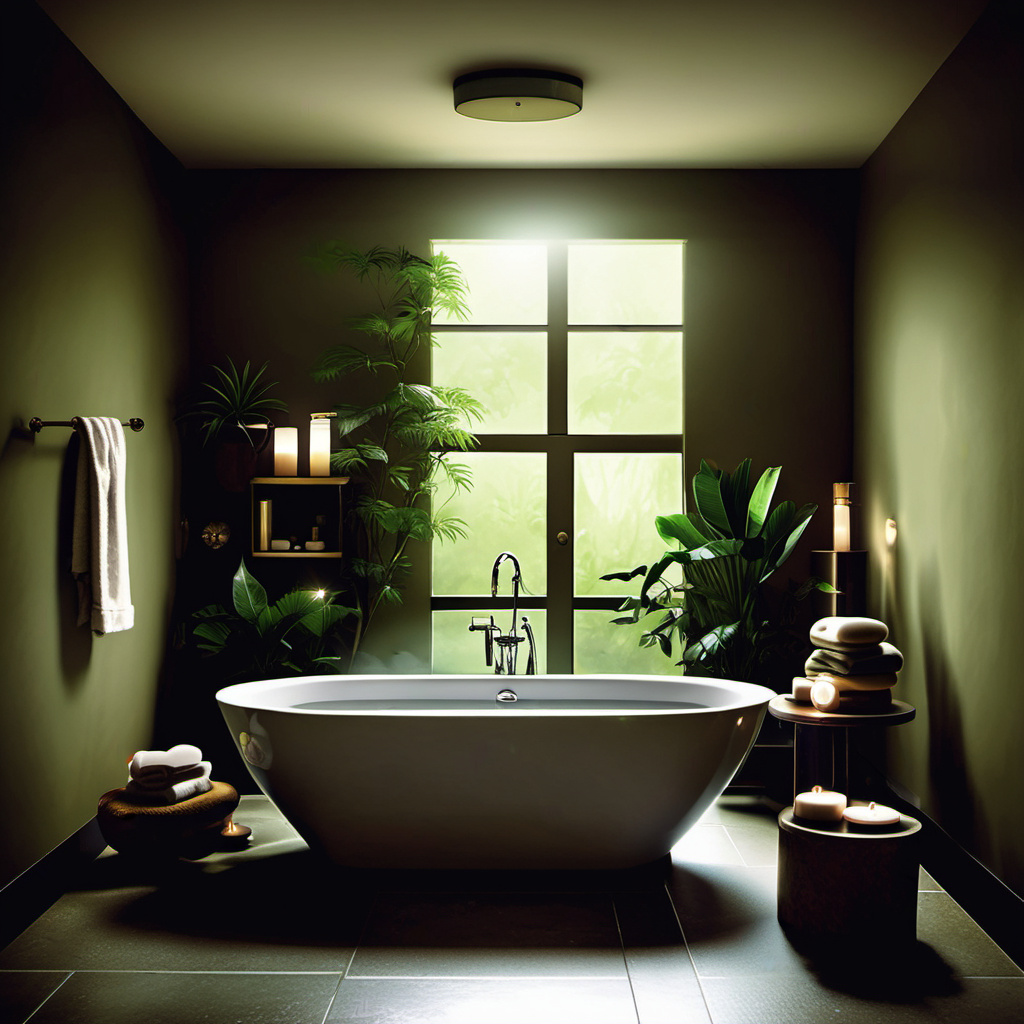
Tuesday nights often arrive with the weight of a week half-lived—deadlines looming, household tasks piling up, and energy reserves running dangerously low. Yet this midweek moment offers a perfect opportunity to reset and recharge. Transforming your ordinary bath into a spa-quality sanctuary doesn’t require expensive memberships or elaborate preparations. With thoughtful touches and intentional rituals, you can create a restorative experience that carries you through the rest of your week with renewed calm and vitality.
The difference between a quick rinse and a transformative bathing experience lies in the details: the temperature of the water, the quality of light, the scents that surround you, and the mindset you bring to the moment. This guide will walk you through creating an authentic spa experience at home, using accessible products and simple techniques that honor both your time and your need for genuine restoration.
Preparing Your Bathroom Environment
The foundation of any spa experience is the environment itself. Start by thoroughly cleaning your bathroom earlier in the day—nothing undermines relaxation like visible grime or clutter. Remove unnecessary items from countertops and tub edges. A clear, organized space signals to your mind that this time is different from your rushed morning routine.
Temperature control matters more than most people realize. If your bathroom tends to be chilly, turn on a space heater 15 minutes before your bath, or run hot water in the sink briefly to warm the air. The ideal bathroom temperature for bathing is between 75-80°F (24-27°C), warm enough that you won’t feel a chill when you step out, but not so warm that it becomes uncomfortable.
Lighting transforms mood instantly. Replace harsh overhead lights with softer alternatives: battery-operated LED candles if open flames concern you, or traditional candles placed safely away from fabrics and splashing water. Aim for 3-5 light sources positioned at varying heights to create dimensional, gentle illumination. If you prefer to keep some overhead light, try covering it with a piece of amber or warm-toned fabric secured safely to the fixture, or simply dim the lights if you have that option.
Sound provides another layer of atmosphere. A small waterproof Bluetooth speaker allows you to play spa-style music, nature sounds, or even a guided meditation. Keep the volume low enough that it doesn’t dominate the space but provides a soothing background. If you prefer silence, that works equally well—the key is intentionality rather than default background noise from other rooms.
Selecting and Using Bath Additives Wisely
What you add to your bathwater directly impacts both the sensory experience and your skin’s condition. Epsom salt, composed of magnesium sulfate, dissolves easily and may help ease muscle tension. Use 1-2 cups for a standard tub. If you have sensitive skin, start with a smaller amount to test your tolerance.
Essential oils offer therapeutic benefits, but require proper dilution. Never add them directly to bathwater, as they’ll float on the surface and can irritate skin. Instead, mix 5-10 drops with a tablespoon of carrier oil (like jojoba or sweet almond oil) or unscented liquid soap before adding to running water. Lavender promotes relaxation, eucalyptus opens airways, and chamomile soothes both skin and mind. Citrus oils tend to be more energizing, so save those for morning showers rather than Tuesday night wind-down baths.
For a milk bath effect without dairy concerns, colloidal oatmeal (finely ground oats available at pharmacies) creates silky water that helps with dry or irritated skin. Add 1 cup to running water. You can also use 1-2 cups of whole milk or coconut milk powder for a traditional Cleopatra-style soak.
Avoid combining too many products at once. A simple bath with Epsom salt and one essential oil blend offers more benefit than a complex mixture that might irritate skin or create competing scents. Quality matters more than quantity.
Optimizing Water Temperature and Bath Duration
The ideal bath temperature for relaxation sits between 92-100°F (33-38°C)—warm enough to soothe muscles but not so hot that it stresses your cardiovascular system or excessively dries your skin. Test the water with your wrist or elbow, where skin is more sensitive than your hand. If you have a kitchen thermometer, you can check the temperature precisely until you develop a feel for the right warmth.
Fill the tub while you’re completing other preparation steps, but check the temperature before getting in, as it may cool slightly. If your hot water runs out before the tub is full, fill it partway, get in, then add more hot water slowly while keeping your sensitive areas away from the direct stream.
Duration matters as much as temperature. A 20-30 minute soak provides optimal benefits. Longer than that, and you risk overheating, dehydration, or excessive skin dryness. Set a gentle timer on your phone if you tend to lose track of time, giving yourself a 5-minute warning before the end so you can mentally transition out of deep relaxation.
Keep a glass of room-temperature water nearby and sip it during your bath to stay hydrated, especially if you’re using Epsom salt or very warm water, both of which can be dehydrating.
Creating a Sensory Ritual
Engage all your senses intentionally. Before entering the bath, spend two minutes on simple breathwork: inhale for four counts, hold for four, exhale for six. This activates your parasympathetic nervous system and signals that this time is for restoration, not problem-solving.
Place a rolled towel or bath pillow behind your head for neck support. Proper positioning prevents the subtle strain that comes from maintaining an awkward angle for 20+ minutes. Some people enjoy bringing a cool, damp washcloth to place on their forehead, which can be refreshing if the bath feels too warm.
Scent creates powerful memory associations. In addition to bath additives, consider placing a few drops of essential oil on a cotton ball positioned safely away from water, or lighting an appropriately scented candle. The goal is a subtle, natural fragrance rather than an overwhelming artificial smell.
If you enjoy reading, choose something light and engaging rather than work-related material or stressful news. Poetry, short essays, or a novel you’re reading purely for pleasure all work well. Alternatively, this is an excellent time for a face mask or deep conditioning hair treatment, making efficient use of the warm, humid environment.
Professional-Level Skin Care Techniques
About 10 minutes into your bath, when your skin has softened, use a gentle exfoliating method. A soft washcloth, dry brush (used on damp skin), or a sugar scrub removes dead skin cells without harsh abrasion. Focus on elbows, knees, and feet—areas that tend toward dryness and roughness.
For an authentic spa experience, try a simple body mask. Mix equal parts honey and plain yogurt (about 2 tablespoons each) and apply to damp skin. Let it sit for 5-10 minutes while you relax, then rinse. The lactic acid in yogurt gently exfoliates while honey provides antimicrobial benefits and moisture.
When you’re ready to exit the bath, don’t rush. Stand slowly to avoid dizziness, particularly if the water was quite warm. Pat your skin dry rather than rubbing vigorously—you want to leave a bit of dampness for the next step.
Apply body oil or a rich moisturizer while your skin is still slightly damp, which helps lock in hydration. Warm the product between your hands first, then use long, smooth strokes moving toward your heart. This technique, borrowed from massage therapy, supports lymphatic drainage and feels more spa-like than hurried lotion application.
Extending the Benefits Beyond the Bath
The minutes immediately following your bath are just as important as the soak itself. Put on comfortable, clean sleepwear—ideally natural fabrics like cotton or bamboo that feel good against freshly moisturized skin. If the weather permits, open a window briefly to let in fresh air while you’re feeling warm from the bath.
Prepare a calming beverage: herbal tea (chamomile, passionflower, or valerian root if you’re heading toward sleep), warm milk with a touch of honey, or simply more water. Avoid caffeine and alcohol, which work against the relaxation you’ve just cultivated.
Resist the urge to immediately check your phone or return to tasks. Give yourself at least 20-30 minutes of continued low-stimulus activity. This might mean gentle stretching, journaling about your day, reading, or simply sitting quietly. Your nervous system needs this transition time to fully integrate the relaxation response.
If you have the flexibility in your schedule, this is an ideal time for an early bedtime. The natural temperature drop your body experiences after a warm bath triggers sleep-promoting mechanisms, making it easier to fall asleep and potentially improving sleep quality.
Adapting the Experience to Your Specific Needs
Not every Tuesday is the same, and your bath ritual can flex to meet different needs. On weeks when you’re fighting a cold, add eucalyptus or peppermint essential oil and use slightly warmer water for a decongestant effect. When muscle soreness is your main concern, increase the Epsom salt to 2 full cups and spend time consciously relaxing each muscle group.
For stress-heavy weeks, incorporate a simple meditation practice during your bath. Focus on the sensation of water against your skin, the sound of any music or silence, or count your breaths. When your mind wanders to your to-do list—and it will—gently redirect attention to the present moment without judgment.
If you’re dealing with dry winter skin, add colloidal oatmeal to your bath and follow with a heavier body butter rather than lotion. Summer might call for a cooler bath temperature and lighter moisturizer. Listen to what your body needs rather than following the same ritual regardless of circumstance.
Time constraints don’t have to eliminate the practice entirely. A 15-minute bath with one or two key elements—warm water, Epsom salt, and candles—still offers significant benefit. The ritual itself, even abbreviated, signals to your mind and body that you’re prioritizing restoration.
Maintaining Your Bath Ritual Long-Term
Consistency matters more than perfection. Committing to a Tuesday night bath ritual creates a reliable anchor point in your week, something to look forward to and a non-negotiable space for self-care. Mark it in your calendar if that helps protect the time from other obligations.
Keep your supplies organized and easily accessible. Designate a small basket or shelf for bath salts, oils, candles, and other items so you’re not hunting through cabinets when you want to relax. Restock items before they run out completely.
Notice what works and what doesn’t. If you consistently skip the music, perhaps silence serves you better. If you never use the expensive bath oil you bought, maybe a simpler Epsom salt soak is actually your preference. Let your practice evolve based on genuine experience rather than aspirational ideas about what a spa bath “should” include.
Consider the environmental impact of your choices. Use natural, biodegradable products when possible, avoid excessive water waste by not overfilling the tub, and choose reusable items like cloth washcloths over disposable face wipes. A sustainable practice feels better long-term than one that creates guilt.
Share the practice if it would enhance your experience. Perhaps your Tuesday bath ritual inspires a partner or roommate to create their own version on a different night, or maybe you occasionally enjoy a shared bath experience with a partner. Alternatively, this might be your dedicated solo time—both approaches are valid.
Building a Pre-Bath Transition Routine That Mentally Disconnects You From the Day
The effectiveness of your spa bath depends significantly on your mental state when you step into the water. Walking directly from a stressful phone call or work email into the tub brings that tension with you, undermining the physiological relaxation response you’re trying to activate. Creating a 10-15 minute transition buffer transforms your experience from simply sitting in warm water to genuinely releasing accumulated stress.
Start by changing out of your day clothes the moment you decide bath time has arrived. This physical act signals a boundary between your productive day and restorative evening. Even if you’re putting on a robe you’ll remove minutes later, the gesture matters. Lay out your post-bath clothes, towels, and skincare products so you’re not making decisions or searching for items when you’re deeply relaxed.
Spend five minutes on a mundane physical task that requires just enough attention to quiet mental chatter but doesn’t create new stress. Folding a small basket of laundry, watering plants, or organizing your nightstand drawer works well. The key is choosing something completable and tangible—you’re creating a sense of closure and accomplishment that helps your mind release its grip on unfinished work concerns.
Write down the three most persistent thoughts circling your mind. This isn’t journaling or processing—just a quick brain dump on a notepad you keep specifically for this purpose. Tell yourself these concerns will still be there tomorrow, and they will be handled. This externalization technique, borrowed from cognitive behavioral therapy, reduces the mental load you carry into the bath. You’re not ignoring responsibilities; you’re temporarily setting them aside with the confidence that you’ve captured them and can return to them later.
Do a quick physical release: ten jumping jacks, a brief dance to one favorite song, or a few cat-cow stretches. This discharges residual physical tension and nervous energy that can make it difficult to be still in the bath. Some people find that a five-minute walk around the block, weather permitting, creates the perfect mental reset. The transition shouldn’t feel like another task but rather like shaking off the day the way a dog shakes off water.
Incorporating Aromatherapy Beyond Essential Oils
While essential oils in bathwater provide one layer of aromatherapy, a truly immersive scent experience requires additional elements that create a consistent olfactory environment throughout your bathroom. Professional spas understand that scent memory is powerful—the right combination can transport you mentally to a place of calm even before the physical relaxation begins.
Reed diffusers placed on a bathroom shelf or windowsill provide continuous subtle fragrance that doesn’t require heat or electricity. Choose natural options with ingredients like fractionated coconut oil rather than synthetic fragrances. Position them where air circulation naturally occurs but away from direct moisture. A quality diffuser lasts 2-3 months and creates a Pavlovian response over time—your body begins relaxing the moment you enter a bathroom that smells like your Tuesday ritual.
Sachets of dried lavender, rose petals, or eucalyptus hung from your showerhead or placed in a mesh bag near the tub release fragrance when exposed to steam. You can make these yourself by filling small muslin bags with dried herbs from a health food store, or purchase pre-made ones. Replace them monthly to maintain potency. This method provides natural, chemical-free scent that’s gentler than synthetic air fresheners.
Consider the cumulative scent profile of all products you use. If your bath salts contain lavender, your body lotion should either be unscented or complement that note rather than competing with peppermint or citrus. Scent layering—using products with the same or harmonious fragrances throughout your routine—creates a more sophisticated and less overwhelming experience. Professional perfumers use this technique to build depth without assault.
For those sensitive to strong scents or with respiratory concerns, a subtle approach works better. Place a small dish of baking soda with 2-3 drops of essential oil in a corner of the bathroom an hour before your bath. The baking soda slowly releases the scent without overwhelming the space. Alternatively, simmer a small pot of water with citrus peels, cinnamon sticks, or fresh herbs on your stove before bath time, then turn it off. The gentle residual scent carries into nearby rooms, including your bathroom, without direct heat or strong concentration.
Strategic Timing and Circadian Rhythm Optimization
Tuesday night at 8 PM might not be your optimal bath time despite being convenient. Your body’s natural temperature fluctuations throughout the day affect how you respond to warm water immersion, and aligning your bath with your circadian rhythm maximizes both immediate relaxation and downstream sleep benefits.
Core body temperature naturally drops in the evening as part of your sleep-wake cycle, reaching its lowest point around 2-3 AM. A warm bath 60-90 minutes before your target bedtime artificially raises your body temperature; the subsequent drop when you exit mimics and enhances this natural process, potentially improving sleep onset and quality. If you typically go to bed at 10:30 PM, a 9 PM bath hits the sweet spot. Earlier than that, and the temperature effect dissipates; later, and you might feel too alert or stimulated to wind down effectively.
For those who exercise in the evening, timing becomes trickier. Exercise raises core body temperature and activates the sympathetic nervous system—exactly what your bath is trying to counteract. If you work out after work, allow 45-60 minutes of cool-down time before drawing your bath. This might mean exercising at 6 PM and bathing at 7:15 PM, or adjusting your workout to lunch or morning hours on bath nights.
Consider your meal timing as well. A full stomach and active digestion can make a warm bath uncomfortable, potentially causing nausea or sluggishness. Conversely, bathing when overly hungry creates a distraction that prevents relaxation. The ideal window is 60-90 minutes after dinner—long enough for initial digestion but not so late that you’re fighting sleepiness in the tub. If you typically eat dinner at 6:30 PM, an 8 PM bath aligns well with both digestive and temperature rhythms.
Track how you feel after baths at different times for three or four weeks. Note your energy level, sleep quality that night, and how relaxed you felt during the experience. You might discover that a 7 PM bath leaves you too energized at bedtime, while a 9 PM bath hits perfectly. Individual chronotypes vary—morning people and night owls have different optimal windows. There’s no universal “best” time, only what works for your specific physiology and schedule.
Addressing Common Physical Discomforts During Long Soaks
Even well-executed spa baths can produce unexpected discomforts that disrupt your relaxation if you’re not prepared to address them. Understanding these common issues and having solutions ready transforms potential frustrations into minor, manageable adjustments.
Pruney fingers and toes occur when the outer layer of skin absorbs water and swells. While harmless, the sensation bothers some people. Adding 1/4 cup of apple cider vinegar to your bathwater slightly increases acidity, which can reduce the pruning effect without affecting the bath’s benefits. Alternatively, accept it as a natural response and plan to moisturize thoroughly afterward, which resolves the texture quickly.
Neck and shoulder strain from awkward positioning accumulates gradually and might not register until you exit the bath. A proper bath pillow should be thick enough to support your head without requiring you to scrunch your shoulders or bend your neck forward. If you don’t have one, roll two hand towels tightly and secure them with rubber bands, then position them under your neck. Adjust your position every 10 minutes—slide down deeper, sit up slightly, turn your head gently from side to side. Static positioning in water creates the same muscle fatigue as staying in one position in a chair.
Water cooling faster than expected frustrates many home bathers. Rather than constantly running hot water, which wastes resources and disrupts your relaxation with noise and temperature fluctuations, draw the bath 2-3 degrees warmer than your target temperature. It will cool to the perfect range within five minutes and maintain comfortable warmth longer. If it does cool significantly, add hot water only once, about halfway through your soak, by sitting up and directing the stream away from your body. Alternatively, keep a kettle of hot water on the bathroom counter and pour it in carefully when needed.
Some people experience itchy skin during or immediately after bathing, even with gentle products. This often results from hard water mineral deposits on skin. A simple solution: install an inexpensive shower filter that removes chlorine and minerals, or add 1 tablespoon of vitamin C powder to your bathwater to neutralize chlorine. For immediate relief during a bath, have a small spray bottle of alcohol-free rose water or plain filtered water to mist on itchy areas without having to exit the tub.
Feeling too hot while wanting to continue soaking creates an unpleasant dilemma. Rather than ending your bath early, place a cool, damp washcloth on the back of your neck or your forehead—areas with blood vessels close to the surface that help regulate body temperature. Keep a small bowl of cool water and a dedicated washcloth nearby to refresh it as needed. Some spa enthusiasts keep a small bowl with ice cubes and a face cloth specifically for this purpose, creating an immediate cooling effect without leaving the bath.
Creating a Sustainable and Cost-Effective Practice
The financial and environmental costs of weekly spa baths add up if you rely heavily on commercial products and wasteful habits. A truly sustainable practice requires thoughtful choices about water usage, product selection, and resource management—creating a ritual you can maintain for years without guilt or budget strain.
Water consumption is the elephant in the room. A standard bathtub holds 40-80 gallons depending on size and how full you fill it. Compare this to a typical 10-minute shower using 25 gallons, and the environmental impact becomes clear. Justify the higher water usage by making the experience genuinely restorative rather than routine, and offset it by shortening your daily showers by a few minutes throughout the week. Fill your tub only to a level that covers your body when you’re sitting—usually 6-8 inches of water depth is sufficient. You don’t need a full tub to get the benefits.
Make your own bath products at a fraction of retail cost. A basic bath salt blend costs $2-3 to make at home versus $15-25 for commercial versions. Combine 2 cups Epsom salt, 1/2 cup sea salt, 1/4 cup baking soda, and 15-20 drops of your preferred essential oils in a glass jar. This makes enough for 4-6 baths. For a milk bath, mix 1 cup powdered milk with 1/2 cup cornstarch and a few drops of vanilla extract. Store in an airtight container and use 1/2 cup per bath. These simple recipes contain the same active ingredients as expensive brands without the markup for packaging and marketing.
Invest strategically in a few quality items that last years rather than buying many cheap products that need frequent replacement. A good bath pillow costs $20-30 but lasts several years versus $5 versions that develop mildew or lose shape after months. High-quality essential oils seem expensive—$15-20 per bottle—but you use only drops at a time, making each bottle last 6-12 months. Calculate cost per use rather than upfront price when deciding what to buy.
Reuse bathwater for household purposes if you’ve used only natural additives. Water from an Epsom salt and essential oil bath can water outdoor plants (though not edibles), flush toilets, or even wash your car the next day if you capture it in buckets. This isn’t practical for everyone, but for those concerned about water waste, it transforms a luxury into a resourceful practice. Skip this if you’ve used synthetic fragrances, dyes, or large amounts of oils that might harm plants.
Buy in bulk cooperatively if you have friends also interested in home spa practices. A pound of high-quality Epsom salt costs $8-12 at retail but $15-20 for a 10-pound bag from restaurant supply stores or online bulk retailers. Split it among three or four people, and everyone saves significantly. The same applies to essential oils, carrier oils, and even candles purchased from wholesale suppliers. This approach builds community around self-care while reducing individual costs.
Troubleshooting When Your Bath Ritual Stops Working
A practice that once provided deep restoration can inexplicably lose its effectiveness, leaving you going through motions that no longer produce the mental or physical benefits you’ve come to expect. This isn’t failure—it’s a signal that something in your approach or life circumstances has shifted and requires attention.
Habituation dulls any repeated sensory experience. If you’ve used the same lavender bath salt every Tuesday for six months, your nervous system stops responding to it as a special, relaxation-triggering stimulus. Rotate through three or four different scent profiles on a monthly basis—lavender one month, eucalyptus-mint the next, then citrus-vanilla, then unscented Epsom salt with just candlelight. This keeps your sensory experience fresh and prevents your brain from tuning out familiar inputs. You can return to old favorites after a break and find they work powerfully again.
Increased life stress sometimes overwhelms even the best self-care practices. If you’re going through a particularly difficult period—job loss, grief, health crisis, relationship strain—your nervous system might be too activated for a passive relaxation technique like bathing to help much. In these cases, add a more active stress-release element before your bath: a vigorous 10-minute workout, punching a pillow, or even crying deliberately for a set period. You need to discharge intense activation before your body can accept the invitation to relax. The bath becomes the second step, not the first.
Sometimes the ritual becomes contaminated by checking your phone, bringing worries into the bathroom, or rushing through steps because you feel guilty about taking time. Return to first principles: Why did you start this practice? What was it providing that you needed? Recommit to protecting boundaries—leave your phone in another room, tell household members you’re unavailable, give yourself full permission to prioritize this time. If guilt persists, reframe the bath as maintenance rather than indulgence. You wouldn’t skip oil changes for your car; why skip restoration for your body and mind?
Physical changes affect how your body responds to baths. Hormonal fluctuations during menstrual cycles, pregnancy, or perimenopause can make you feel overheated or uncomfortable in water that previously felt perfect. Seasonal changes affect skin—winter dryness might require different additives than summer humidity. New medications sometimes increase heat sensitivity or cause dizziness in warm water. Pay attention to these shifts and adjust rather than abandoning the practice entirely. A cooler bath temperature, different products, or shorter duration might restore effectiveness.
If you’ve genuinely outgrown the practice, that’s also legitimate. Perhaps you need something more active now—swimming, sauna sessions, or massage. Maybe Tuesday night no longer works with your schedule, or weekly feels like too much pressure. Self-care practices should evolve with you. Let go without guilt and experiment with what serves your current needs. You can always return to ritual bathing later if circumstances change.
Advanced Techniques From Professional Spa Protocols
Professional spas use specific techniques that elevate the bathing experience beyond what most people replicate at home. Borrowing these methods transforms a good bath into an exceptional one without requiring professional training or expensive equipment.
Contrast therapy—alternating between warm and cool water—provides significant physiological benefits for circulation, muscle recovery, and nervous system regulation. After 15 minutes in your warm bath, stand and run cool (not cold) water over your legs and arms for 30-60 seconds, then sit back down in the warm water for 3-5 minutes. Repeat this cycle 2-3 times, always ending with warm. This technique, adapted from hydrotherapy traditions, stimulates blood flow and can reduce inflammation more effectively than warm water alone. It feels invigorating rather than relaxing initially, making it better suited for early evening baths rather than right before bed.
Lymphatic drainage techniques applied during your bath help reduce fluid retention and support immune function. Using both hands, make gentle sweeping motions from your extremities toward your torso—start at your feet and move up your legs, then from your fingertips up your arms. Use light pressure; you’re not massaging muscles but moving fluid through vessels just under the skin. Spend 3-5 minutes on this while sitting in the warm water, which makes the technique more effective by dilating vessels. Many people notice reduced puffiness in hands, feet, and face after incorporating this practice.
Dry brushing before you fill the tub exfoliates skin and stimulates circulation more effectively than scrubbing in water. Using a natural-bristle brush on completely dry skin, make long strokes from feet to heart and hands to heart, always brushing toward the center of your body. Use firm but not painful pressure. This takes only 3-4 minutes and dramatically improves how your skin feels both during and after the bath. The technique works best when your skin is dry because there’s more friction; once you’re in the water, the benefit is lost.
Targeted heat application addresses specific muscle tension that general warm water doesn’t fully resolve. Keep a small hot water bottle or microwavable heat pack nearby, heating it before you draw your bath. Once you’re settled in the tub, place it on specific problem areas—lower back, shoulders, or neck—for 5-10 minute intervals. The combined effect of surrounding warm water and concentrated heat penetrates deeper into muscle tissue than either approach alone. This technique particularly benefits people with chronic tension or those recovering from physical work or workouts.
Facial massage while bathing takes advantage of the steam and humidity that soften skin and open pores. After 10 minutes in the bath, apply a few drops of facial oil to your fingertips and use gentle circular motions across your forehead, cheeks, and jawline. Pay special attention to the jaw, where many people hold tension without realizing it. Use upward strokes on your neck. This 3-5 minute practice improves circulation to facial skin, reduces puffiness, and provides stress relief through the concentration required for the movements. Your face will look noticeably more relaxed afterward—a subtle but satisfying benefit.
Frequently Asked Questions
How often should I take spa-style baths without drying out my skin?
Most people can enjoy spa baths 1-3 times per week without skin issues, but individual tolerance varies. Keep water temperature moderate (not scalding), limit duration to 20-30 minutes, and always moisturize immediately after. If you notice increased dryness, itching, or irritation, reduce frequency or adjust your products. Those with eczema or very dry skin might do better with once-weekly baths and shorter, lukewarm daily showers instead.
Can I take relaxing baths if I only have a shower stall?
While you can’t replicate a full bath experience, you can create a spa-like shower ritual. Use a shower steamer (similar to a bath bomb but designed for shower use), invest in a rainfall or handheld showerhead, bring in similar lighting and music elements, and follow with the same intentional moisturizing routine. Some people sit on a shower stool for a meditative experience. The key principles of creating atmosphere and being intentional with your time still apply.
What should I do if I feel dizzy or overheated during my bath?
Exit the bath immediately and sit on the toilet lid or edge of the tub until the feeling passes. Drink cool water and place a cool cloth on your forehead and back of your neck. This reaction usually means the water was too hot or you stayed in too long. For future baths, lower the temperature, shorten the duration, and ensure adequate ventilation. If dizziness persists or happens repeatedly with appropriate temperatures, consult a healthcare provider, as it could indicate an underlying condition.
Are there any safety concerns with using candles near the bathtub?
Real candles create ambiance but require caution. Never place them where they could be knocked into the tub or near fabric. Keep them on stable, heat-resistant surfaces away from water splashes. Don’t leave them unattended if you doze off. Battery-operated LED candles eliminate fire risk while providing similar warm light. If you use real candles, ensure you’re alert enough to extinguish them properly before getting too relaxed, and never use them if you’ve consumed alcohol or sedating medication.
How can I make bath time work with a busy household or small children?
Timing is everything. Consider taking your spa bath after children’s bedtime, or on nights when a partner or family member can handle evening duties. Some parents find early morning baths work better than evening ones. Be honest with your household that you need this protected time—a 30-minute Tuesday bath isn’t excessive self-indulgence but necessary restoration. For families with only one bathroom, communicate the schedule clearly and ensure others have bathroom access before you begin. The practice of modeling self-care also teaches children valuable lessons about maintaining well-being.
Related posts:
 Funny Running Stories About Runners’ Diarrhea
 Transform Your Bathroom Into a Tropical Oasis: The Complete Guide to Thriving Plants
 The Volcanic Sand Bath Experience That’s Worth Traveling For
 Create the Perfect Bubble Bath With Ingredients You Already Have
 Bleach Baths for Eczema Relief: What You Need to Know
 Tushy Spa: Elevate Your Bathroom Experience
 The Salt Spray Secret to Perfect Beach Hair Every Time
 De-Stressing Bath Products