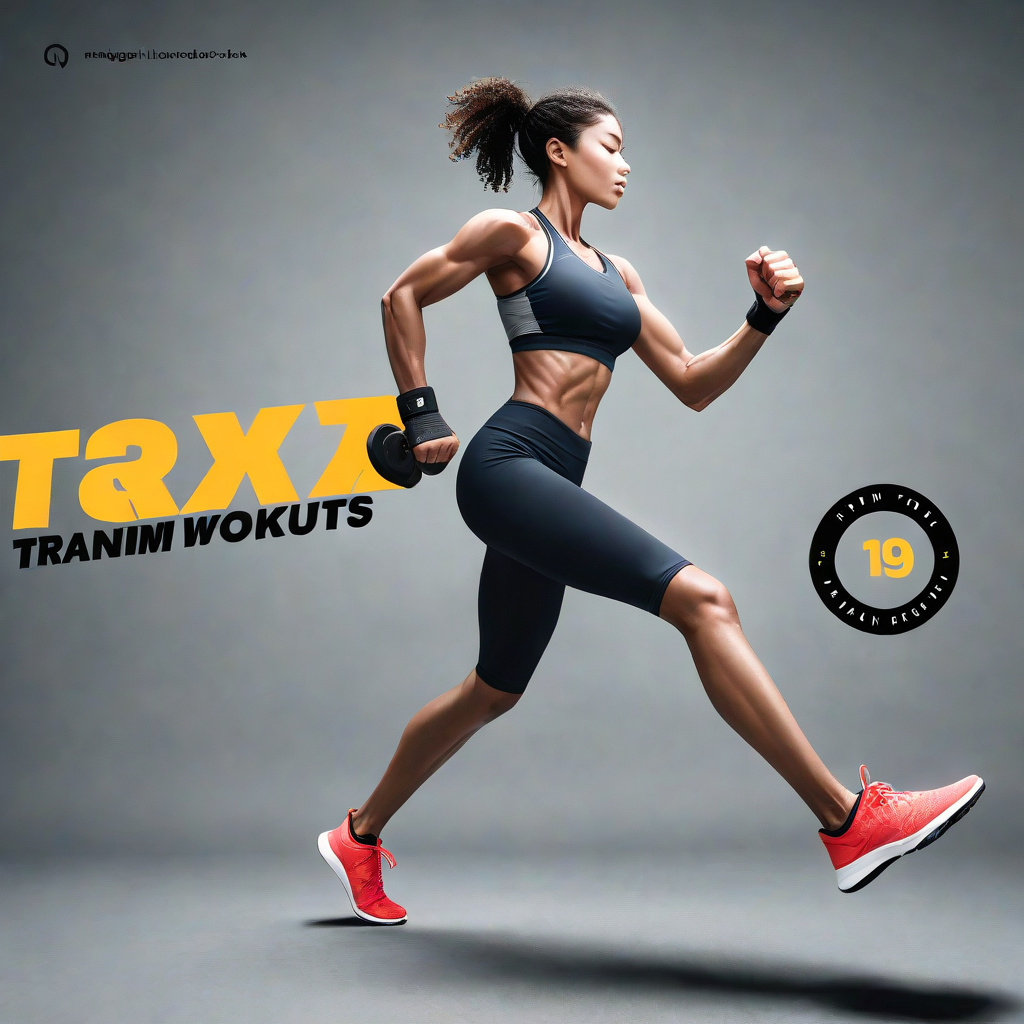
In an era where our calendars are perpetually overbooked, finding an hour for the gym often feels like a luxury we cannot afford. However, the paradigm of fitness is shifting. Research consistently demonstrates that high-intensity, short-duration movement can be just as effective—if not more so—than long, steady-state sessions for improving cardiovascular health and metabolic rate. By focusing on intensity rather than duration, you can transform your body in just five minutes a day.
The Science of Micro-Workouts
Micro-workouts, or exercise snacking, involve performing short bursts of intense physical activity throughout the day. This approach triggers a metabolic response known as Excess Post-exercise Oxygen Consumption (EPOC). When you push your body to near-maximal effort for a short period, your metabolism remains elevated long after you have finished your routine. This means your body continues to burn calories even while you are sitting at your desk or commuting home. By concentrating your effort, you maximize the efficiency of every muscle fiber recruited, leading to improved endurance and strength without the need for a 60-minute commitment.
Setting Up Your Five-Minute Sanctuary
You do not need a gym membership or expensive equipment to see results. The key to a successful five-minute routine is preparation. Clear a small space in your living room or office, ensure you have a non-slip surface, and keep a timer visible. Because the window is so short, transition time must be minimized. Lay out your workout clothes the night before or keep a pair of sneakers under your desk. The goal is to move from “I have five minutes” to “I am working out” in under thirty seconds.
The Bodyweight Power Circuit
This circuit is designed to hit every major muscle group in one cohesive flow. Perform each exercise for 45 seconds, followed by 15 seconds of transition time. Start with bodyweight squats to engage your glutes and quads. Immediately move into push-ups—modify on your knees if necessary—to target your chest and triceps. Transition to a plank hold to stabilize your core, followed by mountain climbers to spike your heart rate. Finish with jumping jacks to ensure you are breathless by the final bell. This sequence builds full-body functional strength and cardiovascular capacity.
High-Intensity Interval Training (HIIT) Tactics
If you want to focus specifically on fat oxidation and heart health, HIIT is your best tool. In a five-minute window, use a 30/30 split: 30 seconds of maximum-effort work followed by 30 seconds of active recovery. For the work portion, choose movements that involve large muscle groups, such as burpees, high knees, or speed skaters. The intensity must be high enough that you cannot carry on a conversation. By pushing your heart rate into the anaerobic zone during those 30-second bursts, you force your body to adapt and become more efficient at utilizing oxygen.
Building Core Stability in Seconds
A strong core is the foundation of every physical movement, yet it is often neglected in favor of more “visible” muscles. A five-minute core blast can drastically improve your posture and reduce back pain. Try a sequence of dead bugs, bicycle crunches, side planks, and bird-dogs. Spend 60 seconds on each movement with no breaks. The focus here is on slow, controlled tension rather than speed. By maintaining constant engagement, you force the deep abdominal muscles—the transverse abdominis—to work harder, which provides better spinal support and a more toned appearance.
Creating a Sustainable Habit
The biggest challenge with any fitness routine is consistency. A five-minute workout is easy to justify, but it is also easy to skip. To make this a permanent part of your lifestyle, anchor it to an existing habit. Perform your five minutes immediately after waking up, before you check your phone, or right before you shower after work. By stacking your workout onto a habitual action, you remove the need for willpower. Treat these five minutes as non-negotiable “me time” that is essential for your long-term health and mental clarity.
Progressive Overload Without More Time
Even with five-minute workouts, you must continue to challenge your body to see progress. This is the principle of progressive overload. Once a workout begins to feel “easy,” increase the intensity rather than the duration. You can do this by increasing the number of repetitions completed within the 45-second windows, decreasing your rest periods to 10 seconds, or adding a pair of light dumbbells to your movements. By constantly introducing new stressors, you prevent your fitness levels from plateauing and ensure that your five minutes remain as potent as possible.
Listening to Your Body
While intensity is the hallmark of short workouts, it must be balanced with mindfulness. If you feel sharp pain or excessive strain, stop immediately. Short workouts are meant to be intense, not injurious. Always prioritize form over speed. A sloppy push-up is less effective than a perfectly executed one and carries a higher risk of injury. If you feel burnt out, use your five minutes for active recovery, such as mobility work or deep stretching. Your body transforms during rest; listen to the signals it sends and adjust your intensity accordingly.
Optimizing Neural Drive and Explosive Power
While cardiovascular health and metabolic rate are primary goals, five-minute sessions provide a unique opportunity to train your nervous system for explosive power. By incorporating plyometric movements—such as explosive jump squats or lateral bounds—you train your motor units to fire simultaneously. This “neural drive” is essential for athletic performance and functional movement in daily life. To implement this, dedicate your five-minute block to a density-based approach: perform a set of five explosive repetitions every minute on the minute (EMOM). The remaining time in the minute is your recovery, allowing your central nervous system to reset. This prevents the degradation of form that often occurs with fatigue, ensuring that each repetition is performed with maximum power output and technical precision.
The Role of Isometric Tension for Structural Integrity
Not all progress in a five-minute window requires dynamic motion. Isometric training—holding a static position under tension—is a potent way to build tendon strength and muscular endurance without the joint impact of high-repetition sets. Incorporating a “static hold” circuit can be a game-changer for those with limited space or joint sensitivity. Try holding a wall sit, a glute bridge hold, or a hollow-body hold for 60 seconds each. By focusing on maximal muscular contraction during these holds, you generate high levels of internal tension that stimulate hypertrophy and bone density. This approach is particularly effective for injury prevention, as it forces the stabilizing muscles surrounding your joints to maintain alignment under sustained load.
Leveraging Unilateral Training for Symmetry
Many common fitness routines ignore the imbalances created by our daily habits, such as carrying a bag on one shoulder or sitting with crossed legs. Five-minute sessions are the perfect laboratory for unilateral (single-limb) training. By performing exercises like single-leg Romanian deadlifts, pistol squat regressions, or single-arm floor presses, you force your body to engage its stabilizers and correct side-to-side strength discrepancies. Spend two and a half minutes on each side. This not only builds a more symmetrical, aesthetic physique but also improves balance and proprioception. Because these movements require more coordination, they provide an intense mental challenge that keeps your focus sharp, ensuring that your five minutes are as cognitively engaging as they are physically demanding.
Integrating Mobility and Fascial Release
True body transformation isn’t just about muscle size; it is about how you move. If you are constantly stiff from hours at a desk, a high-intensity workout on top of that rigidity can lead to compensation patterns and eventual injury. Dedicate your five-minute window to a “mobility flow” once or twice a week. Utilize movements like the World’s Greatest Stretch, cat-cow transitions, and thoracic rotations. By moving through these ranges of motion with intention, you hydrate your fascia and improve joint lubrication. This proactive maintenance ensures that when you do return to your high-intensity intervals, your body is capable of performing those movements through a full, safe range of motion, effectively unlocking your true strength potential.
The Power of “Greasing the Groove”
The concept of “Greasing the Groove” (GTG), popularized by strength coach Pavel Tsatsouline, is ideal for the five-minute practitioner. Instead of exhausting yourself in a single session, you perform sub-maximal sets of a specific movement throughout the day. If your goal is to improve your pull-up or push-up count, perform a set that is about 50-60% of your maximum capacity every few hours. Because you never go to failure, you avoid the heavy metabolic fatigue that requires long recovery periods. This frequency trains your nervous system to become more efficient at the movement pattern. Over the course of a week, you may perform five or six “micro-sessions” of five minutes, resulting in a significantly higher total volume of work than a single, grueling gym session could offer.
Environmental Cues and Behavioral Architecture
To ensure your five-minute workouts become as automatic as brushing your teeth, you must treat your environment like a tool. If your goal is to do push-ups upon waking, place your workout mat directly next to your bed so that you physically step onto it when you rise. If you plan to do a core blast during your lunch break, keep a resistance band or a small yoga block in your laptop bag. By reducing the friction between the intention to work out and the execution of the movement, you remove the decision-making process that often leads to procrastination. This is known as “choice architecture”; by limiting the number of decisions you have to make, you preserve your cognitive bandwidth for the workout itself, turning a momentary lapse in motivation into a consistent, daily ritual.
Tracking Metrics Beyond the Scale
When training in such short bursts, the bathroom scale is often a poor indicator of progress. Instead, track metrics that reflect your functional capacity and intensity. Keep a simple log of how many repetitions you complete in your 45-second work intervals. If you start by completing 15 squats in 45 seconds and, after two weeks, you are hitting 20 with the same level of effort, you have objectively improved your work capacity. Other useful metrics include your heart rate recovery (how quickly your pulse returns to normal after the final interval) and the perceived exertion level of a previously “difficult” movement. By focusing on these performance-based indicators, you shift your mindset from merely “burning calories” to building a high-performance machine, which provides a much more sustainable and rewarding motivation loop.
Maximizing Metabolic Efficiency Through Compound Supersets
To truly maximize the impact of a five-minute window, you must transition from isolated movements to compound supersets. By pairing two exercises that target opposing muscle groups—such as a push-up followed immediately by a reverse lunge—you force your cardiovascular system to shuttle blood between the upper and lower body rapidly. This creates a systemic demand that prevents localized muscle fatigue from stopping your momentum. For instance, performing 30 seconds of push-ups followed by 30 seconds of lunges, repeated for five minutes, keeps your heart rate elevated while allowing one muscle group to recover slightly while the other works. This “peripheral heart action” training style is highly effective for fat oxidation and endurance, ensuring that not a single second of your five-minute session is wasted on passive rest.
The Critical Role of Eccentric Loading
Most individuals focus on the “lifting” phase of an exercise, but the most significant muscular micro-tearing—which leads to growth and tone—occurs during the eccentric or lowering phase. In your five-minute routine, intentionally slow down the descent of your squats or push-ups to a three-count. By slowing the lowering phase, you increase the time under tension, which recruits more muscle fibers and places a higher metabolic demand on your tissues. This approach allows you to achieve the physiological stimulus of a much longer workout without increasing the volume or the time commitment. Even if you only manage half the repetitions you normally would, the quality of the muscular contraction will lead to faster gains in strength and structural definition.
Utilizing Weighted Objects for Progressive Resistance
While bodyweight exercises are foundational, you can accelerate your transformation by incorporating household objects as makeshift weights. A backpack filled with books, a heavy gallon jug of water, or even a sturdy chair can transform basic movements into resistance training. For example, holding a weighted object during your squats or using it for a single-arm row adds an external load that triggers muscle hypertrophy. This is particularly useful for those who have adapted to bodyweight movements and require a new stimulus to avoid a plateau. By keeping these objects in your workout space, you ensure that you can instantly add intensity to your session without the need for a rack of dumbbells or a bulky home gym setup.
The Psychology of “Micro-Flows” for Mental Recovery
Beyond the physical benefits, these five-minute sessions serve as a powerful tool for cognitive reset. When you engage in high-intensity movement, you force your brain to switch from analytical processing to somatic awareness. This shift acts as a “circuit breaker” for work-related stress. To optimize this, structure your five minutes as a “flow” rather than a rigid set of exercises. Transition smoothly from a deep squat into a reach, then into a push-up, and finally into a spinal twist. By focusing on the fluidity of movement, you promote blood flow to the brain and release stored tension in the nervous system. This mindful approach turns your workout into a form of active meditation, providing a dual benefit of physical conditioning and mental clarity that prepares you to tackle the remainder of your day with renewed focus.
Identifying and Addressing Kinetic Chain Weaknesses
In a short training window, it is easy to overlook the “weak links” in your movement patterns. Use your five-minute sessions to perform diagnostic movements that reveal hidden weaknesses. For example, if you find that your knees cave inward during a squat, dedicate your five-minute block to focusing on glute medius activation using lateral band walks or clamshells. If you struggle with shoulder stability during push-ups, spend your time on scapular retractions or Y-raises. By treating your five-minute sessions as an opportunity to reinforce your kinetic chain, you build a foundation that makes every other physical activity you perform safer and more efficient. Addressing these small deficiencies now prevents chronic issues later, ensuring your body remains resilient and capable of high-intensity output for years to come.
Structuring Your Week for Adaptive Recovery
Not every five-minute session should be a maximal-effort sprint. To ensure long-term sustainability, implement a “wave-loading” structure to your week. Designate two days as “High-Intensity” (HIIT or plyometrics), two days as “Strength-Focus” (eccentric loading or isometric holds), and one day as “Recovery-Focus” (mobility and fascial release). This variety prevents the repetitive stress injuries that can occur from performing the same motions daily. By varying the stimulus, you allow different energy systems to recover while keeping your body constantly challenged. This strategic approach mimics the periodization used by professional athletes, condensed into a format that fits your busy life, ensuring that you are always moving forward without falling into the trap of overtraining or burnout.
Frequently Asked Questions
Can I really get fit in just five minutes a day? Yes, provided the intensity is sufficient. While you won’t become an Olympic athlete in five minutes, you can significantly improve your cardiovascular health, metabolic rate, and muscle tone by consistently pushing your body to its limits in short, focused bursts.
Should I warm up before a five-minute workout? Ideally, yes. Spend the first 60 seconds of your five minutes doing light movements like marching in place, arm circles, or bodyweight lunges to get blood flowing to your muscles. Never jump straight into maximal-effort sprints without a brief transition period.
How many days a week should I do these workouts? To see noticeable changes, aim for 5 to 6 days per week. Because these workouts are short, they are easier to recover from than hour-long sessions, allowing for higher frequency. Consistency is far more important than the length of each individual session.
Can I combine these workouts with other activities? Absolutely. These micro-workouts are excellent supplements to other activities like walking, cycling, or yoga. They serve to bridge the gap between sedentary periods and active time, helping to keep your metabolism elevated throughout the day.
What if I am a complete beginner? Start slow. You do not need to perform high-impact moves like burpees on day one. Focus on mastering the form of basic movements like squats and planks. As you gain strength and confidence, gradually increase your intensity during your work intervals.
Related posts:
 The Brutal Assault Bike Workout That Torches Calories in Minutes
 Understanding Gym Equipment
 This Full-Body Resistance Band Workout Will Transform Your Home Gym
 5-Minute Core Blast Workout
 How to Change Your Fitness Routine to Avoid Plateau
 Get Stronger with Charlee Atkins
 15-Minute No-Equipment HIIT
 Quick Cardio Fix: Tracy Anderson’s 7-Minute Heart-Pumping Workout Video