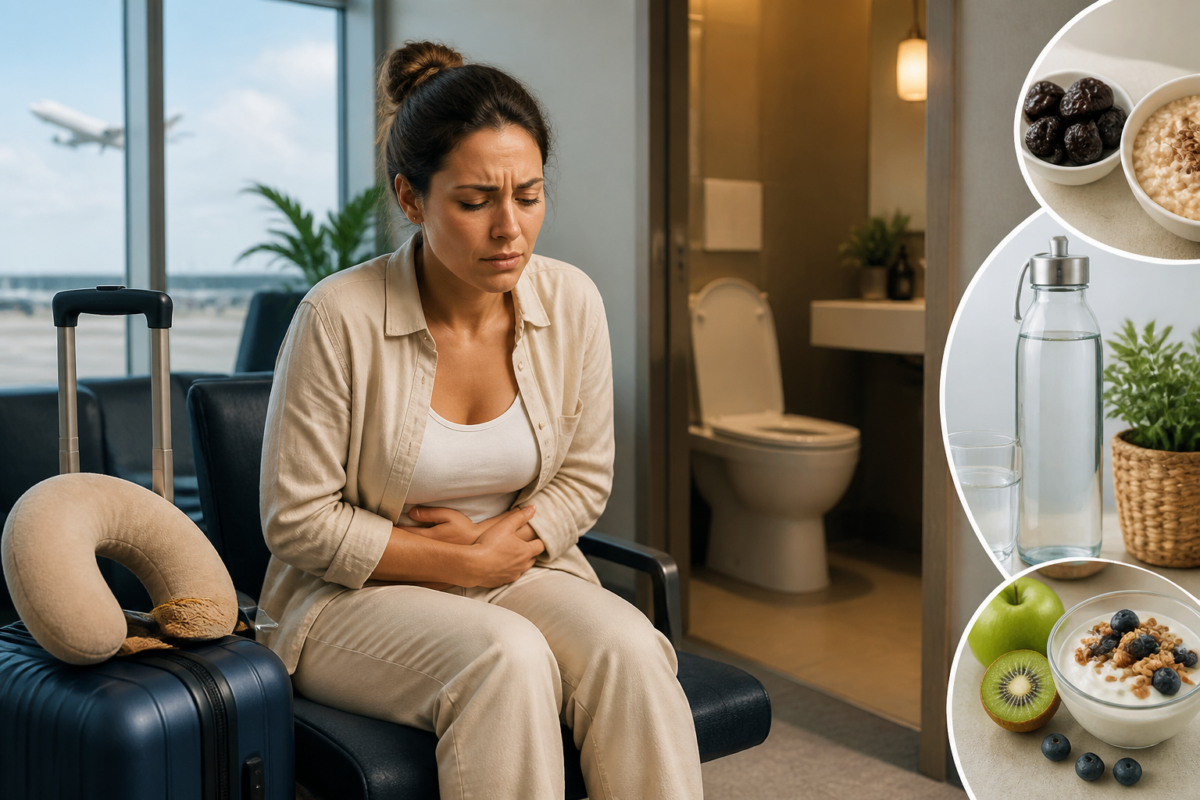
Travel can be exhilarating, but it often brings an unwelcome companion: constipation. Whether you’re crossing time zones, sampling street food, or spending hours on a plane, changes in routine, hydration, and diet can slow digestion. Understanding why traveler’s constipation happens gives you the power to prevent it and to respond quickly if it strikes. This guide breaks down the science, highlights common triggers, and offers practical, evidence‐based steps you can take before, during, and after your journey.
What Is Traveler’s Constipation?
Traveler’s constipation refers to a temporary slowdown in bowel movements that occurs during or shortly after a trip. It is typically defined as fewer than three stools per week, straining, hard or lumpy stools, or a sensation of incomplete evacuation. Studies suggest that up to 40 percent of people experience some degree of irregularity when they travel, especially on long flights or when crossing multiple time zones. The condition is usually self‑limited and resolves once normal habits resume, but it can cause discomfort, bloating, and a feeling of heaviness that detracts from the travel experience.
Unlike chronic constipation, which may stem from underlying medical conditions, traveler’s constipation is primarily driven by environmental and behavioral changes. Recognizing the difference helps you avoid unnecessary worry and focus on reversible factors such as fluid intake, fiber consumption, and movement patterns.
Common Triggers When You’re on the Road
Several predictable factors converge during travel to disrupt normal bowel function. Dehydration tops the list; airplane cabins have low humidity, and many travelers reduce fluid intake to avoid frequent bathroom trips. Reduced dietary fiber follows, as convenience foods, restaurant meals, and snack bars often lack whole grains, fruits, and vegetables. Irregular meal timing throws off the gastrocolic reflex, the natural urge to defecate after eating. Limited access to clean restrooms can cause people to ignore the urge, reinforcing a habit of stool retention. Stress and excitement activate the sympathetic nervous system, which slows gut motility. Altitude changes, especially on high‑altitude destinations, may also affect digestion. Finally, certain medications taken for jet lag, motion sickness, or pain can have constipating side effects.
How Dehydration and Diet Shifts Affect Digestion
Water is essential for softening stool and facilitating its passage through the colon. Even mild dehydration reduces stool water content, making it harder and slower to move. When you replace water with caffeinated or alcoholic beverages, the diuretic effect worsens fluid loss. Simultaneously, a drop in dietary fiber reduces stool bulk and short‑chain fatty acid production, both of which stimulate colonic contractions. The gut microbiome, which thrives on diverse plant fibers, can shift toward less beneficial species within days of a low‑fiber diet, further diminishing motility. Rehydrating with water, herbal teas, or electrolyte solutions and deliberately choosing high‑fiber options such as oatmeal, beans, nuts, and fresh produce can counteract these changes quickly.
The Role of Routine Disruption and Stress
Your digestive system follows a circadian rhythm regulated by light exposure, meal timing, and sleep patterns. Crossing time zones desynchronizes this rhythm, leading to a temporary mismatch between the internal clock and external cues. The gut‑brain axis translates psychological stress into altered gut motility; anxiety about itineraries, language barriers, or safety can activate the fight‑or‑flight response, which diverts blood away from the intestines. Practicing simple grounding techniques—deep breathing, brief meditation, or a short walk—helps re‑engage the parasympathetic nervous system, promoting the rest‑and‑digest state needed for regular bowel movements.
Practical Nutrition Strategies While Traveling
Planning ahead makes a measurable difference. Pack portable fiber sources such as individual packets of chia seeds, ground flaxseed, or psyllium husk that can be stirred into water or yogurt. Choose whole‑grain bread, brown rice, or quinoa when dining out, and ask for extra vegetables on the side. Keep a reusable water bottle and aim for at least 2 liters of fluid daily, more in hot climates or at altitude. Limit alcohol and excessive caffeine, especially on travel days. If you tolerate dairy, a small serving of kefir or yogurt with live cultures can support microbial diversity. For longer trips, consider a shelf‑stable probiotic supplement with strains studied for travel‑related digestive health, but consult a healthcare professional before starting any new supplement.
Movement and Bathroom Habits That Help
Physical activity stimulates colonic motility through mechanical jostling and hormonal signals. Aim for at least 30 minutes of moderate movement each travel day—walking the terminal, stretching during layovers, or a brief bodyweight routine in your hotel room. Schedule bathroom visits roughly 20 to 30 minutes after meals, when the gastrocolic reflex is strongest, even if you don’t feel an urgent need. When using a public restroom, adopt a relaxed posture: feet flat, knees slightly higher than hips (a small footstool helps), and avoid straining. If you feel the urge, respond promptly; delaying reinforces the retention cycle.
When to Seek Professional Advice
Most traveler’s constipation resolves within a few days of returning to routine. However, certain signs warrant medical evaluation: rectal bleeding, severe abdominal pain, unexplained weight loss, persistent vomiting, or constipation lasting more than three weeks despite lifestyle adjustments. These symptoms could indicate an underlying condition such as irritable bowel syndrome, bowel obstruction, or medication side effects that require targeted treatment. A clinician can review your medication list, order appropriate tests, and recommend safe laxative options if needed.
Quick Reference Checklist for a Smooth Trip
- Hydrate: carry a water bottle, sip consistently, replace electrolytes on long flights.
- Fiber: pack chia, flax, or psyllium packets; choose whole grains and vegetables at meals.
- Move: walk every 1–2 hours on flights; schedule a daily 30‑minute walk or stretch.
- Routine: eat at regular intervals, honor the post‑meal bathroom window.
- Stress management: practice 5‑minute breathing exercises morning and evening.
- Supplements: consider a probiotic or gentle osmotic laxative only after professional guidance.
- Monitor: track bowel frequency; act early if you notice a shift.
Pre‑Travel Bowel Conditioning and Personalized Planning
Building a resilient digestive baseline before departure can reduce the magnitude of disruption once you are on the move. Start by tracking your usual stool pattern for at least one week using a simple notebook or a phone app; note frequency, consistency on the Bristol scale, and any triggers such as specific foods or stress events. With that data you can identify a personal “sweet spot” for fiber intake — typically 25 to 35 grams per day for adults — and adjust meals gradually over the three to five days preceding travel. Incremental increases of 5 grams per day (for example adding a tablespoon of chia seeds to breakfast, a half cup of lentils at lunch, and a handful of almonds as a snack) allow the microbiome to adapt without causing gas or bloating. Hydration should be front‑loaded as well: aim for 30 milliliters of water per kilogram of body weight daily, and add an extra 500 milliliters on the day of departure to compensate for cabin dryness. If you take medications that affect motility — such as opioids, anticholinergics, or certain antihypertensives — discuss timing adjustments with your prescriber; sometimes shifting a dose to the evening before a long flight can lessen daytime sluggishness. Finally, assemble a compact travel kit that includes pre‑measured fiber packets (psyllium husk, acacia gum), a small bottle of electrolyte powder, and a single‑dose osmotic laxative (polyethylene glycol 17 g) that you have tested at home. Knowing the exact dose and your personal response eliminates guesswork during the trip.
Navigating Airline Cabin Environment: Hydration Timing, Electrolytes, and Seat Selection
The airplane cabin presents a unique combination of low humidity (often 10‑20 percent), reduced barometric pressure, and prolonged immobility that together accelerate fluid loss and slow colonic transit. A practical hydration schedule begins before boarding: drink 300‑400 milliliters of water or an electrolyte solution in the hour leading up to security, then sip 150‑200 milliliters every 45 minutes during the flight rather than gulping large volumes at once. This steady intake maintains plasma osmolality and reduces the urge to use the lavatory excessively, which many travelers avoid to the detriment of bowel health. Choose a seat near the front of the cabin or an aisle seat if possible; these locations experience slightly less vibration and allow easier access to the restroom, encouraging timely response to the gastrocolic reflex. When the seatbelt sign is off, perform a brief “seat‑stretch” routine every 60‑90 minutes: ankle circles, seated knee lifts, and a gentle torso twist. These micro‑movements stimulate the enteric nervous system and promote peristalsis without requiring a full walk down the aisle. Avoid alcohol and limit caffeine to one small cup; both increase diuresis and can blunt the thirst signal. If the flight exceeds eight hours, consider a single dose of a low‑sodium electrolyte tablet dissolved in 250 milliliters of water at the midpoint of the journey to replace sodium lost through respiration and maintain stool water content.
Ground Transportation and Cruise‑Specific Strategies
Road trips, train journeys, and cruises each impose distinct constraints on bowel regularity. In a car or bus, the vibration of the vehicle can actually aid colonic motility, but long stretches without a rest stop often lead to voluntary stool retention. Plan stops every two to three hours at locations with clean facilities; use a phone map to locate rest areas, gas stations, or fast‑food outlets with restrooms ahead of time. Pack a small cooler with high‑fiber snacks — roasted chickpeas, whole‑grain crackers, fresh fruit — and a reusable water bottle that you refill at each stop. On trains, the ability to walk the length of the carriage every hour is a major advantage; schedule a five‑minute walk after each meal to harness the gastrocolic reflex. Cruises present a paradox: abundant food options and frequent shore excursions, yet a constant buffet of low‑fiber, high‑fat dishes and a tendency to stay seated for shows or deck lounging. Counteract this by selecting at least one high‑fiber item at every buffet (oatmeal, bran muffins, bean salad) and by joining the ship’s daily fitness class or simply walking the promenade deck for 20 minutes after dinner. Shore excursions often involve irregular meal times; carry a portable fiber sachet and a collapsible water pouch to stay consistent. If the ship’s medical center stocks a mild osmotic laxative, ask the nurse for a single dose on the first night you notice a slowdown — early intervention prevents a cascade of discomfort that can mar the entire voyage.
Special Populations: Children, Older Adults, Pregnant Travelers, and Chronic GI Conditions
Physiological differences make certain groups more vulnerable to travel‑related constipation and require tailored tactics. For children, maintain a familiar toileting routine: bring a portable potty seat reducer for airplane lavatories, and schedule bathroom breaks 20 minutes after each meal, mirroring home habits. Offer water‑rich fruits (watermelon, orange segments) and a small daily dose of a pediatric‑approved fiber gummy (usually 2‑3 g inulin) that the child has tolerated previously. Older adults often have reduced thirst sensation and may be on multiple constipating medications; encourage a “sip‑every‑hour” rule using a marked water bottle, and review the medication list with a pharmacist before travel to possibly substitute a non‑constipating alternative (e.g., switching from a calcium‑channel blocker to an ACE inhibitor if clinically appropriate). Pregnant travelers experience progesterone‑mediated gut slowing and mechanical pressure from the uterus; prioritize soluble fiber (oats, psyllium) over insoluble bulk to minimize gas, and use a footstool in the airplane lavatory to achieve a squat‑like angle that eases evacuation. For individuals with irritable bowel syndrome (IBS) or inflammatory bowel disease (IBD), stress management becomes paramount: practice a 5‑minute guided gut‑directed hypnotherapy session before boarding and carry a prescribed antispasmodic (e.g., hyoscine butylbromide) for acute cramping. Keep a written summary of your diagnosis, current regimen, and emergency contacts in both paper and digital form; many international clinics request this information before prescribing any laxative.
Cultural Bathroom Norms, Squat Toilets, and Portable Hygiene Kits
Encountering unfamiliar sanitation facilities can trigger avoidance behavior that worsens constipation. In many parts of Asia, the Middle East, and parts of Europe, squat toilets are standard; the deep hip flexion they require actually straightens the anorectal angle and can facilitate evacuation — if you know how to use them. Practice a brief squat at home (hold onto a sturdy chair for balance) to build confidence. Carry a compact hygiene kit: biodegradable wet wipes, a small bottle of hand sanitizer (at least 60 percent alcohol), a disposable toilet seat cover, and a zip‑lock bag for used wipes when bins are absent. In regions where toilet paper is not provided, a travel‑size bidet bottle (filled with water) can be a lifesaver; many models collapse to the size of a lipstick tube. When public restrooms are scarce — such as on long hiking trails or in remote villages — a portable “go‑anywhere” toilet kit (a foldable stool with a waste bag and gel) allows you to respond to the urge promptly rather than holding it. Familiarize yourself with local etiquette: in some cultures, flushing paper is discouraged, so dispose of used tissue in the provided bin. Understanding these norms reduces anxiety, keeps the parasympathetic tone high, and prevents the voluntary retention loop that turns a brief irregularity into a multi‑day episode.
Technology, Tracking, and Telehealth for On‑the‑Go Management
Digital tools can transform reactive management into proactive control. Choose a stool‑tracking app that logs frequency, Bristol type, fluid intake, fiber grams, and stress rating; many sync with wearable devices to correlate heart‑rate variability (a proxy for autonomic balance) with bowel patterns. Set a daily reminder for the post‑meal bathroom window (20‑30 minutes after breakfast, lunch, dinner) and a hydration alert every 90 minutes. Some apps integrate with airline Wi‑Fi to push a notification when the seatbelt sign turns off, prompting a quick aisle walk. For travelers with chronic constipation or IBS, telehealth platforms allow a brief video consult with a gastroenterologist or a specialized dietitian while abroad; have your electronic health record summary and a list of local pharmacies (identified via Google Maps offline) ready. If a prescription osmotic laxative is needed, many international pharmacies honor an electronic prescription sent from your home provider, but verify the country’s regulations beforehand. Wearable abdominal belts that deliver gentle vibration (e.g., 30 Hz for 10 minutes) have shown modest improvement in colonic transit in pilot studies; they are lightweight and can be used discreetly in a hotel room. Finally, consider a portable breath‑hydrogen tester if you suspect small‑intestinal bacterial overgrowth (SIBO) contributing to bloating; a positive result can guide a short course of rifaximin prescribed via telemedicine, preventing a prolonged discomfort cycle.
Frequently Asked Questions
Can I prevent traveler’s constipation entirely?
While you cannot control every variable, consistent hydration, adequate fiber, regular movement, and maintaining a meal schedule dramatically reduce the likelihood. Preparation before departure—such as increasing fiber intake a few days prior—sets a stronger baseline.
Is it safe to use over‑the‑counter laxatives while traveling?
Short‑term use of osmotic agents like polyethylene glycol or bulk‑forming fibers is generally safe for healthy adults. Stimulant laxatives should be reserved for occasional use and not relied upon daily, as they can lead to dependence. Always read labels and consult a pharmacist if you have kidney disease, heart failure, or are pregnant.
Does altitude affect bowel habits?
Higher altitudes can reduce appetite and increase fluid loss through respiration, both of which contribute to constipation. Increasing water intake and eating small, frequent meals rich in fiber helps mitigate the effect.
How long does traveler’s constipation usually last?
Most episodes resolve within two to five days after returning to normal routines. Persistent symptoms beyond two weeks merit a medical review.
Are there specific foods that worsen constipation on the road?
Highly processed snacks, cheese‑heavy meals, fried foods, and excessive red meat provide little fiber and can slow transit. Limiting these while emphasizing fruits, vegetables, legumes, and whole grains supports regularity.
Related posts:
 The Water Intake Math You’ve Been Getting Wrong Your Entire Life
 Why Millennials Crave Transformative Travel
 What Causes Constipation?
 The Most Common Causes of Constipation, According to Gastroenterologists
 Managing Fiber Intake with IBS
 Foods That Help You Poop
 Choosing the Right Toilet Stool
 When Too Much Fiber Becomes a Problem for Your Health