In our fast-paced modern world, achieving a state of deep, restorative sleep and maintaining a balanced, positive mood can often feel like an uphill battle. While we frequently look toward supplements or lifestyle overhauls to find relief, the solution may be much closer than we think: on our dinner plates. Tryptophan, an essential amino acid found in a variety of common foods, serves as the fundamental building block for the neurotransmitters responsible for how we feel and how well we rest. By understanding how to strategically incorporate tryptophan-rich foods into your diet, you can harness the power of nutrition to support your mental health and nocturnal recovery.
Key takeaways
- Include tryptophan-rich foods like turkey, eggs, pumpkin seeds, and soy to provide building blocks for serotonin and melatonin.
- Pair tryptophan sources with complex carbohydrates to help the amino acid cross the blood-brain barrier and reach the brain.
- Ensure adequate intake of Vitamin B6, magnesium, and iron to facilitate the chemical conversion of tryptophan into neurotransmitters.
- Consume tryptophan-balanced meals two to three hours before bedtime to reduce sleep latency and improve overall rest quality.
- Manage inflammation and stress to prevent the body from diverting tryptophan away from serotonin production via the kynurenine pathway.
Understanding Tryptophan: The Building Block of Happiness and Rest
Tryptophan is one of the nine essential amino acids, meaning our bodies cannot produce it internally. We must obtain it entirely through the foods we consume. While all amino acids are necessary for protein synthesis, tryptophan holds a unique position because of its metabolic pathway. Once ingested, a portion of the tryptophan you eat is converted into a molecule called 5-hydroxytryptophan (5-HTP), which is then transformed into serotonin.
Serotonin is often dubbed the “feel-good” hormone. It plays a critical role in regulating anxiety, happiness, and overall mood. However, the journey doesn’t end there. As the sun sets and light levels decrease, the brain’s pineal gland converts serotonin into melatonin, the primary hormone responsible for regulating our sleep-wake cycle. Therefore, a deficiency in dietary tryptophan can lead to a domestic domino effect: lower serotonin levels, which may contribute to irritability or low mood, and subsequently lower melatonin levels, which can disrupt the quality and duration of your sleep.
The Science of Sleep: How Tryptophan Regulates Your Circadian Rhythm
Sleep is not merely a passive state of rest; it is an active physiological process essential for cognitive function, immune health, and emotional regulation. Tryptophan’s role in this process is centered on its relationship with the circadian rhythm. When we consume tryptophan, we are essentially providing the raw material needed to manufacture the “sleep signal” (melatonin) that tells our body it is time to wind down.
Clinical studies have consistently shown that diets rich in tryptophan can reduce the time it takes to fall asleep, a metric known as sleep latency. Furthermore, it has been linked to increased sleep efficiency and a reduction in nighttime awakenings. Unlike many sedative sleep aids, tryptophan-rich foods help the body follow its natural biological clock rather than forcing a state of unconsciousness. This leads to a more “natural” feeling of sleepiness and helps avoid the morning grogginess often associated with pharmacological interventions.
Boosting Your Mood Naturally: The Serotonin Connection
The link between diet and mental health is a growing field known as nutritional psychiatry. Serotonin deficiency is frequently associated with symptoms of depression, seasonal affective disorder (SAD), and general anxiety. Because tryptophan is the sole precursor to serotonin, its availability in the brain is a major factor in emotional stability.
When tryptophan levels are optimized, the brain can maintain a steady production of serotonin, which helps modulate our response to stress. It acts as a natural buffer, allowing us to navigate daily challenges with greater resilience. For individuals who experience “hangriness” or emotional volatility, ensuring a consistent intake of tryptophan throughout the day can help stabilize blood sugar and neurotransmitter levels, leading to a more even-tempered experience of life. It is important to note, however, that while diet is a powerful tool, it should complement, not replace, professional mental health support when needed.
Top Animal-Based Tryptophan Sources
Animal products are among the most concentrated sources of tryptophan, as they provide complete proteins containing all essential amino acids. Here are some of the most effective options to include in your diet:
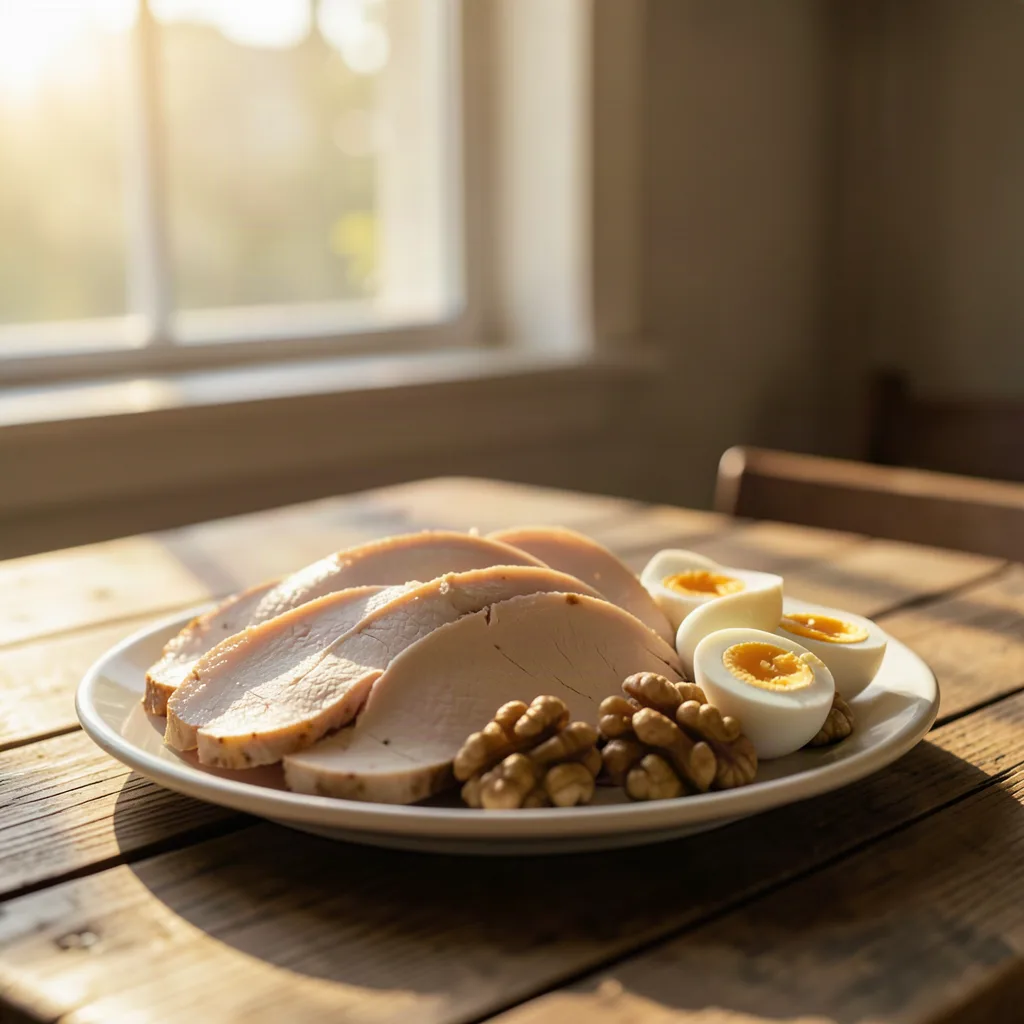
- Turkey and Chicken: While the “post-Thanksgiving coma” is often attributed solely to turkey, it is indeed a high-tryptophan food. Poultry is an excellent lean protein source that provides a significant dose of this amino acid per serving.
- Eggs: Specifically, the yolks are rich in tryptophan, along with choline and tyrosine. Eggs are highly bioavailable, meaning the body can easily process and use the nutrients they provide.
- Dairy Products: Milk, cheese, and yogurt are classic sleep-inducing foods for a reason. A glass of warm milk or a small serving of Greek yogurt before bed provides tryptophan along with calcium, which helps the brain use the tryptophan to manufacture melatonin.
- Fatty Fish: Salmon, tuna, and halibut are not only high in tryptophan but also rich in Omega-3 fatty acids. These fats are essential for brain health and have been shown to enhance the conversion of tryptophan into serotonin.
Plant-Based Powerhouses: Vegan Tryptophan Sources
You do not need to consume meat to reap the benefits of tryptophan. Many plant-based foods are exceptionally high in this amino acid, often providing additional fiber and antioxidants that support overall health.
- Pumpkin Seeds (Pepitas): Gram for gram, pumpkin seeds are one of the highest sources of tryptophan available. Just a small handful provides a substantial portion of your daily requirement.
- Soy Products: Tofu, tempeh, and edamame are stellar vegan options. Soy is a complete protein, making it an efficient way for vegetarians and vegans to maintain neurotransmitter balance.
- Nuts: Walnuts, cashews, and almonds are great snacks that support mood. Walnuts, in particular, also contain their own small amounts of melatonin.
- Oats and Whole Grains: While lower in total protein than seeds, oats are a comforting source of tryptophan that also provides the necessary carbohydrates for optimal absorption.
- Legumes: Lentils and chickpeas are versatile staples that contribute to long-term serotonin production while keeping you satiated.
The Secret to Absorption: Why You Need Carbohydrates
Simply eating high-protein foods isn’t always enough to boost serotonin levels. This is due to a biological hurdle known as the blood-brain barrier. Tryptophan must compete with other Large Neutral Amino Acids (LNAAs) to enter the brain. Since tryptophan is often present in smaller amounts than other amino acids like leucine or valine, it frequently loses the race to the transport sites.
The solution lies in the “Carbohydrate Connection.” When you eat carbohydrates, your body releases insulin. Insulin encourages your muscles to absorb the competing LNAAs, but it leaves tryptophan alone in the bloodstream. With the competition cleared out, tryptophan has a clear path to cross the blood-brain barrier and begin its conversion into serotonin. This is why many traditional “comfort foods” combine a protein with a starch—such as a turkey sandwich on whole-grain bread or crackers with cheese. To maximize the mood and sleep benefits, always pair your tryptophan source with a complex carbohydrate.
Practical Meal Planning for Restful Nights
Integrating these foods into your daily routine doesn’t have to be complicated. The goal is consistency and smart pairing. Here are several meal and snack ideas designed to optimize your tryptophan intake:
- Breakfast: Start your day with a bowl of oatmeal topped with pumpkin seeds and a sliced banana. The oats provide the carbs, the seeds provide the tryptophan, and bananas contain potassium and B6, which assist in the conversion process.
- Lunch: A spinach salad with grilled salmon or chickpeas, quinoa, and a sprinkle of sunflower seeds. This provides a steady release of energy and keeps mood levels stable through the afternoon slump.
- Dinner: Stir-fried tofu or chicken with plenty of broccoli and brown rice. The brown rice acts as the insulin-triggering carbohydrate that helps the tryptophan from the protein reach the brain.
- Evening Snack: About 90 minutes before bed, try a small piece of whole-wheat toast with almond butter, or a small bowl of cottage cheese with a few berries. This helps prime the body for melatonin production as you wind down.
Timing Your Intake: When to Eat for Maximum Benefit
While tryptophan is beneficial at any time of day, timing can influence whether you feel the effects primarily in your mood or your sleep. Consuming tryptophan-rich foods during breakfast and lunch can help maintain a steady supply of serotonin, which supports emotional resilience and focus throughout your working hours.
For sleep benefits, the “sweet spot” for consumption is generally 2 to 3 hours before your intended bedtime. This allows enough time for digestion and for the metabolic conversion from tryptophan to serotonin, and finally to melatonin, to occur. Avoid heavy, high-fat meals right before bed, as the digestive effort required can actually interfere with sleep quality. Instead, opt for a light, carb-protein balanced snack that feels soothing rather than burdensome to the stomach.
Beyond Diet: Lifestyle Factors that Support Tryptophan Synthesis
Diet is a cornerstone of health, but it works in tandem with your environment. To get the most out of your tryptophan-rich diet, consider these supporting factors:
- Sunlight Exposure: Serotonin production is triggered by light. Spending time outdoors in the morning helps “set” your internal clock, ensuring that the serotonin you produce during the day is ready to be converted into melatonin at night.
- B-Vitamins and Magnesium: The chemical reaction that turns tryptophan into serotonin requires cofactors, specifically Vitamin B6, B12, and Magnesium. Ensure your diet includes leafy greens, beans, and whole grains to provide these essential helpers.
- Gut Health: Interestingly, about 90% of the body’s serotonin is produced in the digestive tract. A healthy gut microbiome, supported by fermented foods like kefir or sauerkraut, ensures that your body can efficiently process the nutrients you consume.
- Stress Management: Chronic stress produces cortisol, which can divert tryptophan away from the serotonin pathway and toward a different pathway that produces kynurenine, which does not help with mood or sleep. Practices like meditation or deep breathing help keep tryptophan on the right track.
Optimizing the Tryptophan-to-Serotonin Conversion with Micronutrient Cofactors
While the existing discussion emphasizes the role of carbohydrates in helping tryptophan cross the blood-brain barrier, the internal journey from amino acid to neurotransmitter requires a specific set of chemical “assistants” known as cofactors. Without these micronutrients, even a diet high in tryptophan may fail to produce the desired mood and sleep benefits. The primary driver of this conversion is Vitamin B6, specifically in its active form, pyridoxal-5-phosphate (P5P). This vitamin acts as a catalyst for the enzyme aromatic L-amino acid decarboxylase, which strips a carboxyl group from the tryptophan derivative to create serotonin. If you are deficient in B6, your body may instead divert tryptophan into the production of xanthurenic acid, a metabolic byproduct that offers no benefit to sleep or mood.
Iron and magnesium also play critical supporting roles. Iron is a necessary component of tryptophan hydroxylase, the rate-limiting enzyme in serotonin synthesis. This means that individuals with low iron levels—a common issue among athletes, vegetarians, and women of childbearing age—may experience symptoms of serotonin deficiency despite adequate protein intake. To maximize this pathway, consider pairing tryptophan sources with mineral-rich accompaniments. For example, a spinach and pumpkin seed salad provides both the tryptophan and the non-heme iron and magnesium needed for synthesis. Adding a squeeze of lemon juice (Vitamin C) further enhances the absorption of that iron, creating a highly efficient nutrient synergy for brain health.
Furthermore, zinc is often overlooked in the tryptophan narrative. Zinc is involved in the storage and release of serotonin within neurons. A diet lacking in zinc can lead to a “leaky” neurotransmitter system where serotonin is produced but not effectively utilized. To ensure your body makes the most of the tryptophan you consume, incorporate zinc-rich foods like oysters, hemp seeds, or fortified cereals alongside your primary tryptophan sources. This multi-nutrient approach ensures that the metabolic factory has all the tools necessary to finish the job of creating the hormones you need for rest and happiness.
Navigating the Kynurenine Pathway: When Stress Diverts Your Sleep Hormones
A critical edge case in nutritional science is the “Tryptophan Steal,” a biological phenomenon governed by the kynurenine pathway. Under normal, low-stress conditions, only about 1% to 5% of dietary tryptophan is converted into serotonin in the brain. The vast majority is processed in the liver via the kynurenine pathway to produce nicotinic acid (Vitamin B3). However, when the body is under significant physiological or psychological stress, or when chronic inflammation is present, an enzyme called indoleamine 2,3-dioxygenase (IDO) becomes hyper-activated. This enzyme aggressively pulls tryptophan away from the serotonin-melatonin route and forces it into the kynurenine route.
The result of this diversion is twofold: first, brain serotonin levels plummet, leading to the “blues” or irritability often associated with burnout. Second, the kynurenine pathway can produce neurotoxic metabolites like quinolinic acid if it becomes overactive. This is why people who are chronically stressed often find that eating “comfort foods” or high-tryptophan meals doesn’t seem to help their mood as much as it used to; the raw materials are being hijacked by an inflammatory response. To prevent this, it is essential to manage systemic inflammation alongside dietary changes. Incorporating anti-inflammatory agents like curcumin (from turmeric), ginger, and high-quality Omega-3 fatty acids can help down-regulate the IDO enzyme, essentially “guarding” your tryptophan and ensuring it reaches the brain where it can be converted into serotonin.
This pathway also explains why sleep quality often degrades during a viral infection or a period of intense work stress. The body’s immune signaling molecules, called cytokines, are the primary triggers for the IDO enzyme. By understanding this, we can see that supporting sleep and mood isn’t just about eating more tryptophan; it’s about creating an internal environment where that tryptophan is allowed to do its intended work. Reducing refined sugars and trans fats, which are pro-inflammatory, is just as important as increasing your intake of seeds and poultry.
The Influence of Fermentation and Sprouting on Tryptophan Bioavailability
How we prepare our food can significantly alter the amount of tryptophan that is actually available for absorption. For plant-based sources like seeds, grains, and legumes, the presence of anti-nutrients such as phytic acid can sometimes hinder the digestion of proteins and the absorption of amino acids. Sprouting (germination) is an effective way to mitigate this. When a pumpkin seed or a chickpea begins to sprout, enzymatic activity increases, breaking down complex proteins into free-form amino acids, including tryptophan. This makes the nutrients much easier for the human digestive tract to extract. If you are relying on plant-based sources for your tryptophan, choosing sprouted pumpkin seeds or sprouted grain breads can provide a more potent dose per gram than their unsprouted counterparts.
Fermentation offers another layer of benefit. In the case of soy, traditional fermentation processes used to create tempeh, miso, and natto do more than just improve flavor. The microbes involved in fermentation partially pre-digest the soy protein, increasing the concentration of bioactive peptides and free tryptophan. Additionally, fermented foods contribute to a healthy gut microbiome. As mentioned in the existing article, a large portion of the body’s serotonin is produced in the gut (the enteric nervous system). While gut-derived serotonin does not cross the blood-brain barrier, it plays a vital role in regulating gut motility and signaling the brain via the vagus nerve. A healthy, fermented-food-rich diet ensures that the “gut-brain axis” is communicating effectively, which can indirectly improve how the brain processes its own supply of tryptophan.
Furthermore, certain strains of probiotic bacteria, such as *Lactobacillus helveticus* and *Bifidobacterium longum*, have been shown in preliminary studies to influence tryptophan metabolism by reducing the activity of the aforementioned kynurenine pathway. By regularly consuming yogurt, kefir, or kimchi alongside your tryptophan-rich meals, you are essentially providing a protective microbial shield that encourages the amino acids to be used for neurotransmitter synthesis rather than being lost to inflammatory degradation.
Tryptophan’s Role in Cognitive Resilience and Executive Function
While often discussed in the context of relaxation and sleep, tryptophan is equally vital for higher-level cognitive functions, particularly executive function and emotional regulation. Executive function refers to the suite of mental skills that include working memory, flexible thinking, and self-control. Serotonin acts as a modulator in the prefrontal cortex, the area of the brain responsible for complex decision-making and the suppression of impulsive behaviors. When tryptophan levels are low, the “communication” between the emotional centers of the brain (like the amygdala) and the rational centers (the prefrontal cortex) can become frayed.
Clinical observations using a technique called Acute Tryptophan Depletion (ATD) have shown that when healthy individuals are temporarily deprived of tryptophan, they exhibit increased aggression, reduced patience, and a harder time shifting between tasks. This suggests that maintaining high levels of dietary tryptophan is not just about feeling “happy,” but about maintaining the cognitive resilience needed to handle a high-pressure job or a demanding family schedule. For professionals who face frequent high-stakes decisions, a lunch rich in tryptophan—such as a tuna salad with chickpeas or a turkey and avocado wrap—can provide the neurochemical stability required to remain calm and analytical during the afternoon hours.
This cognitive benefit extends to social interactions as well. Serotonin is often linked to “pro-social” behavior. Individuals with optimized tryptophan levels tend to be more cooperative and less prone to social friction. This creates a positive feedback loop: better nutrition leads to better social outcomes, which in turn reduces stress and further protects the tryptophan-to-serotonin pathway. In this light, tryptophan-rich foods can be viewed as a tool for “emotional intelligence” from the inside out, helping you stay focused on long-term goals rather than reacting impulsively to short-term stressors.
Seasonal Variations: Adjusting Tryptophan Intake for Seasonal Affective Disorder (SAD)
The body’s requirement for tryptophan is not static; it fluctuates based on the amount of environmental light we receive. During the autumn and winter months, when daylight hours are shorter, the brain’s production of serotonin naturally dips. For many, this leads to Seasonal Affective Disorder (SAD), characterized by low energy, hypersomnia (oversleeping), and a specific craving for high-carbohydrate, calorie-dense foods. These cravings are actually a form of self-medication: the body is desperately trying to trigger an insulin spike to shuttle more tryptophan into the brain to compensate for the lack of light-driven serotonin production.
To manage these seasonal shifts proactively, it is helpful to increase tryptophan-rich food intake starting in late September. However, the key is to lean into *complex* carbohydrates rather than refined sugars. While a sugary donut will provide a temporary tryptophan boost, the subsequent blood sugar crash can worsen the mood symptoms of SAD. Instead, focus on “winter-friendly” tryptophan pairings like roasted butternut squash with pumpkin seeds, or a warm bowl of steel-cut oats with walnuts and soy milk. These provide a slow, sustained release of insulin, ensuring a steady stream of tryptophan to the brain throughout the darker days.
Additionally, because the conversion of serotonin to melatonin is triggered by the onset of darkness, people in northern latitudes may find they produce melatonin too early in the evening during winter, leading to afternoon fatigue. To counter this, timing your largest tryptophan-rich meal for the early evening, while using bright light therapy in the morning, can help re-align your circadian rhythm. This combination ensures that you have the serotonin needed for a stable mood during the day and the melatonin needed for deep sleep at the appropriate time at night, regardless of the sun’s schedule.
The Impact of High-Intensity Exercise on Tryptophan Transport
The relationship between exercise and tryptophan is a fascinating area of sports nutrition known as the “Central Fatigue Hypothesis.” During prolonged, high-intensity exercise, the body begins to burn Branched-Chain Amino Acids (BCAAs) for fuel. Since BCAAs and tryptophan use the same transport carriers to cross the blood-brain barrier, a decrease in BCAA levels in the blood means there is less competition for tryptophan. Consequently, more tryptophan enters the brain during a workout, leading to an increase in serotonin. While this contributes to the “runner’s high” initially, an excess of serotonin during exercise can eventually lead to feelings of lethargy or “central fatigue,” which can limit athletic performance.
For athletes, the goal is to manage this balance. Post-exercise, however, the influx of tryptophan is highly beneficial for recovery. Intense physical activity causes muscle damage, and the body’s repair processes are most active during deep sleep. By consuming a recovery meal that includes both protein (for muscle repair) and carbohydrates (to trigger insulin and clear the path for tryptophan), athletes can enhance the quality of their nocturnal recovery. A classic example is a protein shake made with whey or soy protein and a banana, or a bowl of Greek yogurt with honey and almonds. This not only repairs the muscles but also ensures the brain has the melatonin precursors needed to initiate the deep, slow-wave sleep phases where growth hormone is released.
It is also worth noting that regular, moderate exercise—as opposed to extreme, exhaustive bouts—actually improves the efficiency of the tryptophan system over time. Regular movement increases the expression of the transporters that move tryptophan, making the brain more adept at regulating its own serotonin levels. This is one reason why consistent physical activity is often as effective as dietary changes for long-term mood stabilization.
Assessing Tryptophan Intake in Restricted Diets: Keto, Paleo, and Beyond
Modern dietary trends can sometimes inadvertently create challenges for tryptophan absorption. The Ketogenic (Keto) diet, which is very high in fat and extremely low in carbohydrates, is a prime example. Without the insulin spike provided by carbohydrates, tryptophan faces maximum competition from other amino acids to enter the brain. Many people on Keto report initial improvements in energy but eventual struggles with sleep or a “flat” mood. This is often because brain serotonin levels have gradually declined due to the lack of transport assistance. To mitigate this, some practitioners recommend a “Cyclical Keto” approach or saving a small portion of the day’s allowable carbs for the evening meal to facilitate a nightly tryptophan boost.
The Paleo diet, while generally higher in carbohydrates than Keto, can also be problematic if it overemphasizes muscle meats (like steak and chicken breast) while neglecting other parts of the animal or plant-based seeds. Muscle meats are very high in the Large Neutral Amino Acids (LNAAs) that compete with tryptophan. Traditional Paleo-style eating often included organ meats and bone broths, which have different amino acid profiles. To balance a Paleo diet for better sleep, it is crucial to include plenty of pumpkin seeds, walnuts, and starchy tubers like sweet potatoes, which provide the necessary carbohydrate-insulin mechanism without relying on grains.
For those on a strict Vegan diet, the challenge is not the lack of carbohydrates, but the density of the protein sources. While soy and seeds are excellent, one must consume a larger volume of these foods to reach the same tryptophan levels found in a small piece of salmon or turkey. Vegans should be particularly mindful of their intake of Vitamin B12 and Iron, as deficiencies in these cofactors are more common in plant-based diets and can stall the conversion process even if tryptophan intake is high. Incorporating fortified nutritional yeast or taking a high-quality B12 supplement is often the “missing link” for vegans looking to improve their sleep and mood through nutrition.
Frequently Asked Questions
1. Can I just take a tryptophan supplement instead of eating these foods?
While supplements are available, it is generally recommended to obtain tryptophan through whole foods. Foods provide a complex matrix of nutrients, such as fibers, healthy fats, and vitamins, that aid in absorption and overall health. Furthermore, high doses of isolated tryptophan supplements can sometimes cause side effects like nausea or interact with certain medications, such as SSRIs. Always consult a healthcare professional before starting a new supplement regimen.
2. How much tryptophan do I actually need per day?
The World Health Organization suggests a daily requirement of approximately 4 milligrams per kilogram of body weight. For an average adult, this equates to roughly 250 to 400 milligrams. Most people can easily meet this requirement by consuming a balanced diet that includes a variety of protein sources and seeds.
3. Will eating turkey at lunch make me sleepy at work?
Not necessarily. The sleep-inducing effect of tryptophan is most pronounced when paired with a large amount of carbohydrates and in the absence of light. A balanced lunch with protein and vegetables is unlikely to cause a “coma” unless it is accompanied by a very high intake of refined sugars or if you are already significantly sleep-deprived. In fact, the serotonin boost can actually improve afternoon focus.
4. Are there any foods that block tryptophan?
Foods that are extremely high in other competing amino acids but very low in tryptophan can theoretically make it harder for tryptophan to reach the brain. However, the bigger “blocker” is often a lack of carbohydrates. A diet that is excessively high-protein and zero-carb might lead to lower brain serotonin levels because the tryptophan cannot win the competition at the blood-brain barrier.
5. How long does it take to see improvements in sleep and mood?
Nutritional changes are rarely instantaneous. While some people notice a slight improvement in relaxation shortly after a tryptophan-rich evening snack, the most significant benefits for mood and sleep quality typically appear after 1 to 2 weeks of consistent dietary changes. Your body needs time to stabilize its neurotransmitter stores and regulate its internal rhythms.
Related posts:
 Why Carbs Aren’t the Enemy You Think They Are
 Eating Better for Quality Sleep
 Sleep-Boosting Bedtime Smoothie Recipe
 Can Your Sleep Supplement Double as a Fountain of Youth?
 Brain-Boosting Foods
 PHA Bodyweight Workout: Efficient Fitness Anywhere, Anytime
 Dangerous Duo: Why Melatonin and Alcohol Don’t Mix
 High-Protein Foods That Pack a Serious Nutritional Punch