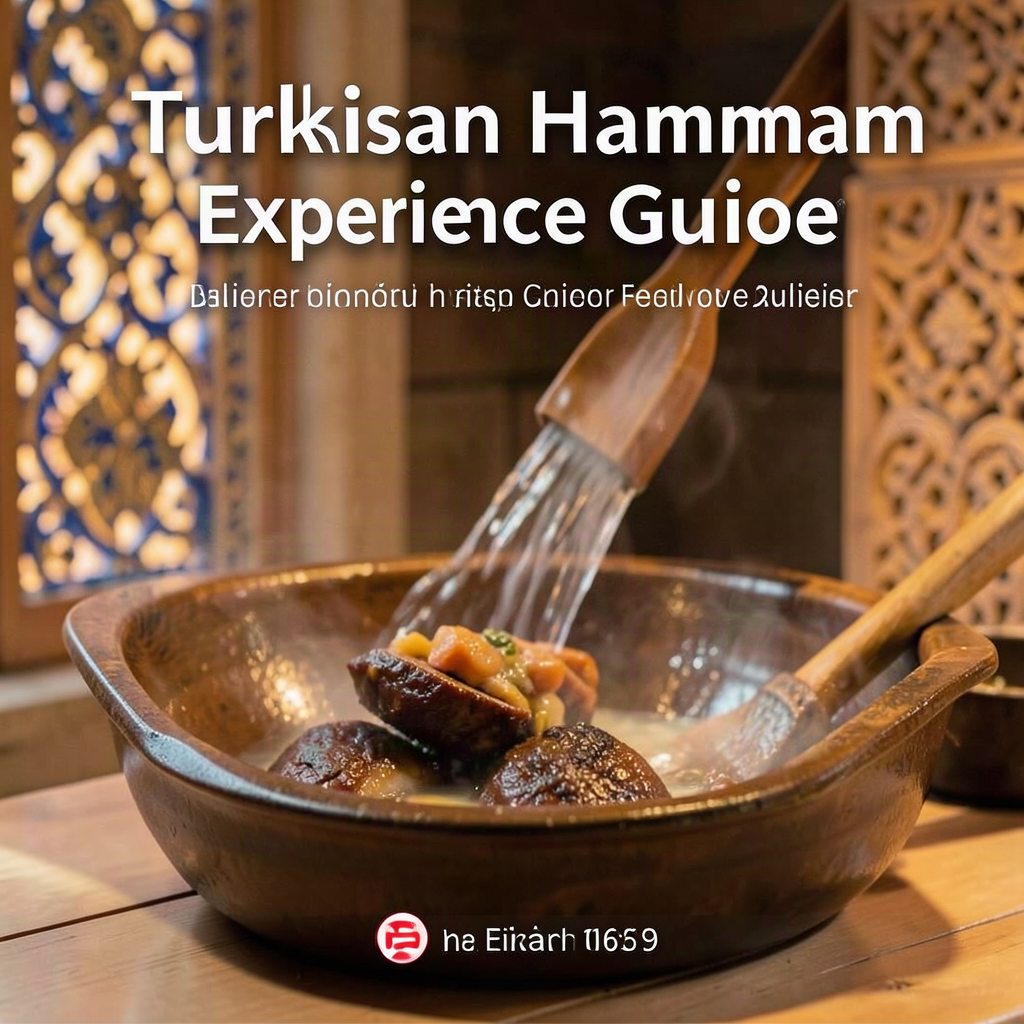
Stepping into a Turkish hammam for the first time is more than just a visit to a spa; it is an immersion into a living history that spans centuries. The air is thick with the scent of laurel soap and the gentle hiss of steam against ancient marble. For the uninitiated, the experience can feel both intimidating and profoundly intimate. This guide serves as your compassionate companion, walking you through every marble corridor and ritualistic step of the Turkish hammam experience, ensuring you feel prepared, respected, and ready to embrace this transformative wellness tradition.
The Historical Origins and Cultural Significance of the Hammam
The Turkish hammam, or Turkish bath, is a direct descendant of the Roman thermae. When the Turks arrived in Anatolia, they merged their own bathing traditions with the existing Roman and Byzantine bath structures. Over time, these spaces evolved into the architectural and social masterpieces we recognize today as the Ottoman hammam. Historically, the hammam was far more than a place for hygiene; it was a communal hub where people of all social classes met to discuss politics, celebrate marriages, and share news.
In Ottoman society, the hammam played a vital role in the life cycle of the community. There were specific rituals for brides before their wedding day, for new mothers, and even for soldiers returning from war. The architecture itself reflects a spiritual journey, often featuring a grand dome that symbolizes the heavens, with small circular windows known as “elephant eyes” that filter sunlight into ethereal beams. Understanding this depth of history helps you appreciate that when you lie on the warm marble stone, you are participating in a ritual that has remained largely unchanged for over 500 years.
Understanding the Hammam Architecture: A Three-Stage Journey
A traditional hammam is typically divided into three distinct areas, each designed to transition the body and mind from the chaos of the outside world to a state of total purification. Recognizing these spaces will help you navigate the experience with confidence.
The first area is the Camekan (or Soyunmalık). This is the grand entrance hall, often featuring a fountain in the center and wooden cubicles or changing rooms along the walls. This is where you leave your clothes, wrap yourself in a traditional towel, and begin to disconnect from your daily worries. It is the transition zone between the public sphere and the private sanctuary.
Next is the Soğukluk (Intermediate Room). This space acts as a buffer zone, allowing your body to adjust to the increasing heat and humidity. It often contains the toilets and additional washing basins. In some older hammams, this is also the area where you might rest after your treatment to cool down slowly.
The heart of the experience is the Hararet (Hot Room). This is the large, marble-clad chamber crowned by a dome. At the center lies the Göbek Taşı (Belly Stone), a raised, heated marble platform where bathers lie to sweat and receive massages. Around the perimeter are Kurnas (marble basins) with hot and cold water taps. The acoustics here are unique; the domed ceiling carries the sound of splashing water in a rhythmic, meditative echo.
Choosing the Right Hammam for Your Experience
Turkey, and Istanbul in particular, offers a wide spectrum of hammam experiences, ranging from neighborhood local baths to opulent, five-star historical monuments. Your choice depends on the level of luxury and the type of atmosphere you seek.
Historical Masterpieces: If you want to experience the zenith of Ottoman architecture, visit a hammam designed by the legendary architect Mimar Sinan, such as the Kılıç Ali Paşa Hamamı or the Çemberlitaş Hamamı. These locations offer high-end service, English-speaking staff, and meticulously restored interiors. They are perfect for first-timers who might feel more comfortable in a structured, tourist-friendly environment.
Local Neighborhood Hammams: For a more authentic and budget-friendly experience, neighborhood hammams (Mahalle Hamamı) offer a glimpse into local life. These are less polished and may have limited English-speaking staff, but the sense of community is palpable. You will see families bathing together and locals enjoying their weekly ritual. These require a bit more confidence in navigating the etiquette independently.
Hotel Hammams: Many luxury hotels in Turkey and abroad offer modern interpretations of the hammam. While these provide the ultimate in privacy and comfort, they sometimes lack the atmospheric weight and historical resonance of the centuries-old stone structures. They are, however, an excellent “entry-level” option for those who are particularly shy or prefer a more contemporary spa setting.
Essential Etiquette and Preparation
Preparation is key to feeling at ease. The most important thing to know is that traditional Turkish hammams are gender-segregated. Men and women either have separate sections or use the same facility at different times of the day. It is vital to check the schedule before arriving.
What to Wear: In the women’s section, it is common to be either completely nude or to wear a bikini bottom. In the men’s section, nudity is generally not permitted; men should keep the Peştemal (a thin, fringed cotton towel) wrapped around their waist at all times. The hammam will provide a peştemal, but many regular bathers bring their own. You will also be given Terlik (slippers) to prevent slipping on the wet marble.
What to Bring: Most high-end hammams provide everything you need, including soap, shampoo, and towels. However, if you are visiting a local bath, you should bring your own toiletries and a dry set of underwear for afterward. It is also customary to bring a small tip for your attendant (usually 10-20% of the service fee), which is often given at the end of the experience in the Camekan area.
A Note on Modesty: While the idea of being bathed by a stranger can seem daunting, the attendants (called a tellak for men and a natır for women) are professionals who perform these rituals dozens of times a day. They approach the task with a matter-of-fact, almost maternal or paternal care that quickly dispels any initial awkwardness.
The Step-by-Step Process of a Traditional Treatment
A full hammam treatment usually lasts between 45 and 90 minutes. Here is what you can expect once you enter the Hararet (Hot Room):
1. Acclimatization and Sweating: You will start by sitting near a kurna (basin) and pouring warm water over yourself using a Tas (a traditional metal bowl). Then, you will lie down on the heated Göbek Taşı. The goal is to let the heat penetrate your muscles and open your pores. This usually takes about 15 to 20 minutes. The warmth of the stone is deeply relaxing and begins the process of softening the skin.
2. The Kese (Exfoliation): Your attendant will approach you with a Kese, a hand-stitched silk or goat-hair mitt. Using long, firm strokes, they will scrub your entire body. You will likely see small rolls of gray, dead skin coming off—this is completely normal and is the primary goal of the treatment. The kese stimulates blood circulation and leaves the skin incredibly smooth.
3. The Sabunlama (Foam Massage): This is the most iconic part of the experience. The attendant dips a long, lacy cloth bag into a bucket of soapy water, fills it with air, and squeezes it to create a mountain of white, cloud-like bubbles that cover your body. They will then perform a rhythmic massage through the foam, working on your muscles and joints. It is a sensory delight that feels both light and deeply cleansing.
4. The Rinse and Hair Wash: After the massage, you are rinsed with bowls of warm water. Finally, the attendant will wash your hair with traditional soap or shampoo. The experience concludes with a final splash of cooler water to close the pores and invigorate the system.
The Physical and Mental Benefits of Hammam Rituals
The benefits of a Turkish hammam go far beyond simple cleanliness. It is a holistic treatment that addresses both the physical and psychological aspects of well-being. Physically, the intense exfoliation of the kese removes dead skin cells better than any home scrub, promoting skin regeneration and a healthy glow. The heat of the marble and the steam help to alleviate muscle tension, reduce joint pain, and can even improve respiratory issues by clearing the sinuses.
Mentally, the hammam provides a rare opportunity for digital detoxification. In the humid, stone-walled environment, there are no phones, no clocks, and no distractions. The repetitive sound of water and the warmth of the environment induce a meditative state. Many people find that the experience of being “cared for”—of someone else washing and scrubbing them—provides a profound sense of emotional release and comfort. It is a form of self-care that emphasizes the importance of slowing down and honoring the body.
Post-Hammam Care and the Afterglow
The period immediately following your bath is just as important as the bath itself. After your final rinse, you will be wrapped in fresh, dry towels—one for your body, one for your shoulders, and one for your head. You will then be led back to the cooling area or the Camekan.
Hydration is Essential: The sweating process can be dehydrating. It is traditional to sit and relax while sipping Ayran (a salty yogurt drink), herbal tea, or fresh orange juice. This helps replenish electrolytes and allows your body temperature to return to normal gradually.
Moisturizing: Because the kese removes the top layer of dead skin, your skin will be particularly receptive to moisture. While traditionalists might use a simple olive oil, you can apply a high-quality body lotion or oil after you have cooled down. Avoid heavy perfumes or harsh chemicals immediately after, as your pores are still sensitive.
The Afterglow: You will likely feel a sense of “hammam fatigue”—a heavy, pleasant relaxation. It is best not to schedule any strenuous activities immediately following your visit. Instead, plan for a quiet meal or a gentle walk. The “glow” from a hammam can last for several days, characterized by exceptionally soft skin and a calm mind.
Creating a Hammam-Inspired Ritual at Home
While nothing can truly replicate the atmosphere of a 16th-century marble dome, you can incorporate the principles of the Turkish hammam into your home self-care routine. To do this, you will need a few key items: a high-quality kese mitt, traditional olive oil or laurel soap, and a heavy cotton towel.
Start by turning your bathroom into a steam room. Run a hot shower for a few minutes before entering to build up humidity. Soak in a warm bath for at least 15 minutes to soften your skin; do not add oils or bubbles yet, as the skin needs to be free of residue for the exfoliation to work. Once your skin feels soft, use the kese mitt in long, upward strokes. Avoid being too aggressive on sensitive areas, but use enough pressure to see the exfoliation occur.
For the foam massage, you can use a loofah or a mesh sponge to create a thick lather with olive oil soap. Focus on massaging your limbs toward your heart to encourage lymphatic drainage. Finish with a cool rinse and wrap yourself in a warm towel. This home ritual can be a powerful way to maintain the skin-softening benefits between visits to a professional hammam and provides a weekly moment of sanctuary.
Regional Variations and the Thermal Hammams of Anatolia
While the classic Ottoman hammam relies on furnace-heated water and steam, Turkey’s unique geography offers a fascinating variation: the thermal hammam, or Kaplıca. In cities like Bursa, which served as the first capital of the Ottoman Empire, the bathing tradition is inextricably linked to the natural hot springs flowing from Mount Uludağ. Unlike the Istanbul baths where water is heated in a Külhan (furnace room), these thermal baths utilize mineral-rich volcanic water that emerges from the earth at temperatures often exceeding 40°C (104°D).
The experience in a Kaplıca differs subtly from the urban steam bath. The water contains high concentrations of sulfur, magnesium, and calcium, which are believed to have therapeutic properties for chronic conditions like rheumatism and skin disorders. In these settings, you might find a Termal Havuz (thermal pool) in the center of the hot room instead of a dry marble platform. Bathers alternate between soaking in the mineral pool and receiving the traditional kese scrub. If you travel to Central Anatolia or the Aegean coast, you will notice that local hammams often prioritize these medicinal qualities over the sheer luxury found in the capital, with more emphasis on the ‘healing waters’ than the architectural opulence.
The Art of the Tellak and Natır: A Vanishing Craft
The heartbeat of the hammam is the Tellak (for men) or Natır (for women). This is not merely a job but a traditional craft often passed down through generations. Historically, many tellaks came from specific regions, such as Central Anatolia or the Black Sea coast, bringing with them unique techniques of massage and exfoliation. Understanding the professional nature of their work can help ease any remaining social anxiety. They are trained to read the skin; an experienced natır can tell by the texture of your skin exactly how much pressure to apply and which type of kese mitt to use.
There is a specific rhythm to their work that borders on the choreographic. In the Sabunlama (foam massage) phase, the way they swing the Torba (the cloth foam bag) to trap air is a skill that takes months to master. You may notice them using ‘tough love’ during the massage—firmly cracking knuckles or stretching limbs. This is part of the Kırklama tradition, intended to ‘reset’ the joints. While it can be surprising, it is deeply rooted in the belief that the body must be physically manipulated to release the toxins loosened by the heat. If you encounter a veteran attendant, you are witnessing a living link to a medieval guild system that has survived the transition into the modern spa era.
Rituals of Passage: The Gelin and Sünnet Hamamı
To truly understand the hammam, one must view it as a stage for life’s most significant milestones. The Gelin Hamamı (Bridal Bath) remains a vibrant tradition in many parts of Turkey. This is a private, festive event held a few days before a wedding. The bride’s family rents out the hammam, and the afternoon is filled with music, dancing, and food. The bride is led around the Göbek Taşı with candles and songs, often wearing an elaborate, embroidered peştemal. For the women involved, it is a rite of passage that celebrates the transition into a new family, reinforcing the hammam’s role as a sanctuary for female bonding and collective joy.
Similarly, the Sünnet Hamamı celebrates a young boy’s circumcision, marking his first step toward manhood. These events are loud and celebratory, featuring traditional instruments like the Tef (tambourine) or Darbuka (drum). Trays of food, including stuffed vine leaves (sarma), pastries (börek), and local sweets, are brought into the Camekan area. Even as a regular visitor, you might occasionally find yourself at a hammam during one of these celebrations. While it might mean the environment is louder than usual, it offers an incredible window into the communal spirit of Turkish culture, where the bath is a place of celebration rather than just silent contemplation.
The Materiality of the Bath: Copper, Silk, and Laurel
The sensory experience of the hammam is defined by its specific tools, each chosen for its durability and skin-friendly properties. The Tas, the traditional metal bowl used for pouring water, is almost always made of hammered copper or brass. The specific ‘clink’ of a copper tas against a marble basin is the signature sound of the Turkish bath. These bowls are often tinned on the inside to prevent oxidation and are designed with a central indentation for a better grip with wet, soapy hands.
The Kese mitt is another marvel of traditional engineering. While modern synthetic versions exist, the best are still made of silk, goat hair, or a blend of plant fibers like bark. The texture is designed to be abrasive enough to lift dead skin but smooth enough not to cause micro-tears. Then there is the soap. Traditional hammams use Sabun made from 100% olive oil or laurel (daphne) oil. Unlike commercial soaps filled with synthetic fragrances, these traditional bars are alkaline and high in Vitamin E, which helps to further soften the keratin in the skin during the soaking phase. The scent of laurel oil, earthy and slightly medicinal, is what most people remember long after they have left the marble halls.
Navigating the Silent Language: Communication and Social Norms
In the humid, echoing chambers of the hammam, verbal communication is often kept to a minimum, replaced by a set of understood gestures and social norms. If you are in the Hararet and need more water, you don’t need to shout; a simple gesture toward your Kurna (basin) is enough for an attendant to assist. When you are finished with your scrub and wish to signal that you are ready for the foam massage, sitting upright on the Göbek Taşı or returning to your basin is the standard cue.
One of the most important unspoken rules involves the Bahşiş (tip) culture. In traditional settings, the staff who helped you—the person who gave you your towels, the one who did the scrub, and the one who served your tea—may line up in the Camekan as you prepare to leave. This isn’t meant to be aggressive; it is part of the old-world service ritual. It is helpful to keep small bills ready. Also, be mindful of the ‘towel flip.’ When you transition from the wet area to the dry area, an attendant will often hold up a large towel to create a temporary ‘curtain’ so you can swap your wet peştemal for a dry one without exposing yourself. Cooperating with this ‘dance’ shows that you understand and respect the local standards of modesty.
Advanced Skin Science and the Physiology of the Scrub
Many first-timers are shocked by the amount of skin that comes off during the Kese treatment. Physiologically, what you are seeing is the removal of the stratum corneum, the outermost layer of the epidermis. The high heat of the hammam (usually between 40°C and 50°C) and 100% humidity cause the skin to hydrate and swell, loosening the ‘glue’ (desmosomes) that holds dead skin cells together. This is why the scrub is significantly more effective than any home exfoliation; the environment essentially ‘primes’ the skin for deep renewal.
However, there are edge cases to consider. If you have recently used retinol or chemical exfoliants (like AHAs or BHAs) on your face or body, you must inform your attendant to skip those areas, as the skin will be too thin for a vigorous kese. Similarly, if you have a fresh sunburn, the hammam will be extremely painful and potentially damaging. Conversely, if you are planning to get a tan, a hammam visit before you hit the beach is highly recommended. By removing the dead skin cells, your tan will be more even and last longer. Just ensure you use a high-SPF sunscreen afterward, as your ‘new’ skin will be particularly vulnerable to UV rays.
Beyond the Marble: The Culinary Traditions of the Hammam
The hammam experience doesn’t end when you put your clothes back on; it concludes with the Keyif, a period of leisurely enjoyment. The physical exertion of the heat and the scrub often triggers a specific type of ‘hammam hunger.’ In the Camekan, you will find a menu of items specifically designed to restore the body’s balance. Beyond the ubiquitous Ayran, which replaces lost salts and minerals, look for Gazoz (a nostalgic Turkish fruit soda) or Limonata.
In more traditional or rural settings, bathers often bring a Hammam Bohçası—a bundle of food to share. This typically includes cooling foods like watermelon, cucumbers, and white cheese (beyaz peynir). The combination of the salty cheese and the hydrating fruit is the perfect physiological antidote to the sweating process. Some high-end historical hammams have now integrated full-service cafes serving Ottoman-era sherbets (sweet fruit and herb infusions) like tamarind or rose. Taking at least 30 minutes to sit, eat, and drink in the cooling area is not just a luxury; it is a vital part of the recovery process that allows your heart rate to stabilize and your body to fully absorb the benefits of the treatment.
Frequently Asked Questions
How long does a typical Turkish hammam experience take?
A full treatment, including the steam, scrub, and massage, usually takes about 60 to 90 minutes. However, you are often welcome to stay longer in the cooling area to relax and enjoy a drink. It is best to set aside at least two hours in your schedule so you don’t feel rushed.
What should I do if I am shy about being naked?
In most modern and high-end hammams, modesty is respected. Women can wear bikini bottoms, and men are required to stay wrapped in a peştemal. The attendants are very professional and use towels to drape you during the process. If you are particularly concerned, you can always call ahead to ask about the specific modesty policies of the establishment.
Is the Turkish hammam scrub (kese) painful?
The kese is firm but should not be painful. It feels like a very vigorous exfoliation. If the pressure is too much for you, simply tell your attendant “yavaş” (slow/gentle). They will adjust their pressure according to your comfort level. Most people find the sensation invigorating rather than uncomfortable.
Are there any health conditions that should prevent me from using a hammam?
Because of the high heat and humidity, individuals with heart conditions, very high or low blood pressure, or respiratory issues should consult a doctor first. Pregnant women are also generally advised to avoid the high heat of the Hararet. If you have any open wounds or severe skin conditions, it is best to wait until they are healed before undergoing a kese treatment.
How much does a Turkish hammam visit cost?
Prices vary significantly depending on the location. A local neighborhood bath might cost between $10 and $20 for a basic scrub and wash. In contrast, a famous historical hammam in Istanbul can cost between $50 and $150 for a full package. Always check if the price includes the tip, as this is often expected as an additional gesture of appreciation for the attendant.
Related posts:
 True Botanicals Bum Scrub Review
 Playa’s Salt Scrub: Exfoliate and Revitalize Your Skin
 Scrub Daddy Sponges: The Fun and Effective Cleaning Solution
 The Volcanic Sand Bath Experience That’s Worth Traveling For
 Blow Drying Hair Without Damage: Expert Tips
 A DIY Baking Soda Body Scrub
 Transform Your Tuesday Night Bath Into a Spa-Level Experience
 Pre-Eclipse Skincare: Meteor Shower Scrub