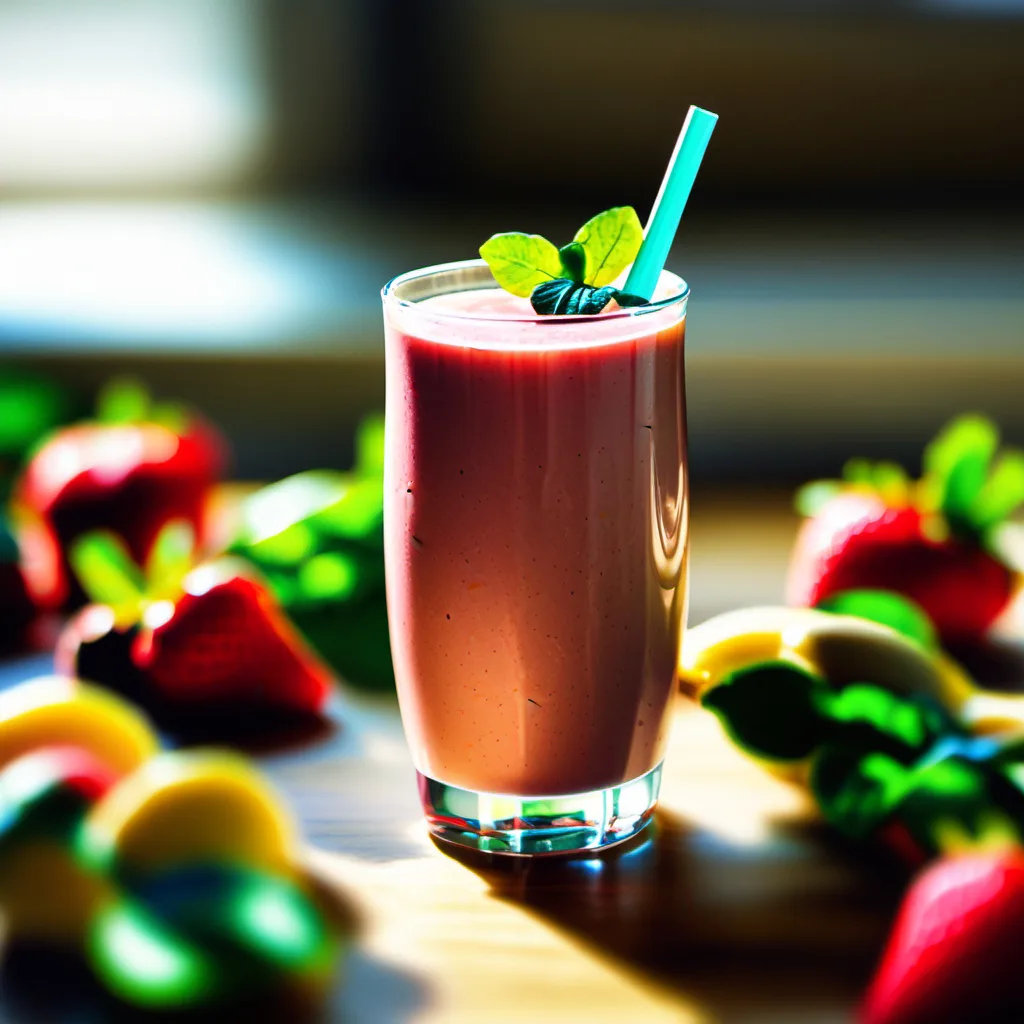
Building a smoothie that tastes great and fuels your body starts with a simple framework. Whether you are a busy parent, an athlete, or someone looking for a quick nutrient boost, the same core principles apply. This guide walks you through each element, shows you how to balance flavors, and gives you a repeatable ratio you can trust.
Key takeaways
- Use the 2-1-1-1 formula: two parts liquid, one part produce, one part protein, and one part healthy fat.
- Layer ingredients by adding liquids first, followed by powders, soft produce, frozen items, and finally ice.
- Freeze pre-portioned fruit and vegetable packs to save time and reduce morning prep to thirty seconds.
- Choose seasonal produce to maximize nutritional value and lower costs by up to thirty percent.
- Blend on low for ten seconds before ramping to high for thirty to sixty seconds for a smooth texture.
Understanding the Core Components
Every smoothie rests on four pillars: liquid, produce, protein, and fat. The liquid provides volume and helps the blender move ingredients. Produce delivers vitamins, minerals, and natural sweetness. Protein supports muscle repair and satiety. Fat slows digestion and adds creaminess. When you keep these pillars in mind you can swap ingredients without losing balance. Think of the liquid as the canvas, the produce as the color, the protein as the structure, and the fat as the finish. A typical starting point is one cup of liquid, one to two cups of produce, a serving of protein, and a teaspoon of healthy fat. Adjust up or down based on calories, goals, and personal taste.
Choosing the Right Liquid Base
The liquid sets the texture and flavor foundation. Water keeps calories minimal and lets other tastes shine. Unsweetened almond milk adds a subtle nutty note and a creamy mouthfeel without dairy. Coconut water contributes electrolytes and a hint of tropical sweetness. Oat milk offers a naturally sweet, thick consistency that works well for dessert style blends. Green tea or cold brew coffee can add antioxidants and a gentle caffeine lift. Aim for about one cup per serving; you can always add more if the blend is too thick. Avoid sweetened juices or flavored milks unless you intentionally want extra sugar.
Selecting Fruits and Vegetables for Flavor and Nutrition
Fruit supplies natural sugars, fiber, and vibrant color. Berries bring antioxidants and a tart edge. Banana adds creaminess and potassium. Mango and pineapple give tropical brightness. Citrus such as orange or lemon adds zing and vitamin C. For vegetables, spinach and kale blend almost invisibly while delivering iron and folate. Cucumber adds hydration and a clean taste. Carrot or beet contribute earthiness and beta carotene. Frozen produce creates a thicker, colder smoothie without ice, preserving nutrients. A good rule is one cup of fruit plus half a cup of leafy greens per serving. Mix colors to broaden the nutrient profile.
Adding Protein and Healthy Fats
Protein turns a snack into a meal. Greek yogurt, cottage cheese, or silken tofu blend smoothly and add calcium. Plant based powders such as pea, hemp, or brown rice protein keep the mix vegan. A scoop typically provides 15 to 20 grams of protein. For fats, a teaspoon of nut butter, a quarter avocado, or a tablespoon of chia seeds adds omega three fatty acids and satiety. Flaxseed meal or hemp hearts work similarly. These fats also help absorb fat soluble vitamins from the produce. Keep portions modest; a little goes a long way for texture and fullness.
Boosting with Superfoods and Supplements
Superfoods can target specific health goals. Spirulina or chlorella add protein and micronutrients with a deep green hue. Maca powder supports energy and hormone balance. Cacao nibs give chocolate flavor and magnesium. Turmeric with a pinch of black pepper offers anti inflammatory compounds. Matcha provides a calm caffeine boost and catechins. Probiotic powders support gut health. When adding powders start with half a teaspoon and taste before increasing. Too much can overwhelm flavor or cause digestive discomfort. Rotate supplements to avoid over reliance on any single ingredient.
Mastering the Ratio Formula
A repeatable ratio removes guesswork. Use the 2‑1‑1‑1 rule: two parts liquid, one part produce, one part protein, one part fat. For example, two cups almond milk, one cup mixed berries, one scoop protein powder, one teaspoon almond butter. Scale up or down while keeping proportions. If you prefer a thinner drink, increase liquid to three parts. For a thicker bowl style, reduce liquid to one part and add extra frozen fruit. Write the ratio on a kitchen sticky note until it becomes second nature. Consistency builds confidence and reduces waste.
Blending Techniques for Texture
Layer ingredients in the blender for smooth results. Start with liquid, then add powders, followed by soft produce, then frozen items, and finish with ice if needed. This order prevents clumping and protects the blades. Blend on low for ten seconds to combine, then ramp to high for thirty to sixty seconds until vortex forms. Pause and scrape sides if necessary. For ultra creamy texture, blend a second time after a brief rest. Avoid over blending hot ingredients; let them cool first. A high speed blender yields the smoothest mouthfeel, but a standard model works with patience.
Customizing for Goals and Dietary Needs
Weight loss: prioritize low calorie liquids, high fiber veg, and lean protein; limit added fats to one teaspoon. Muscle gain: increase protein to two scoops, add oats or banana for carbs, and include a tablespoon of nut butter. Keto: use unsweetened almond milk, avocado, MCT oil, and low carb berries; skip high sugar fruit. Vegan: choose plant milks, tofu or pea protein, and seed butters. Allergy friendly: swap nuts for sunflower seed butter, dairy for oat milk, and soy for hemp protein. Track macros with a nutrition app to fine tune each blend.
Seasonal and Budget‑Friendly Ingredient Planning
Building a smoothie habit that lasts means aligning your shopping list with what is fresh, affordable, and at its nutritional peak. In spring, strawberries, rhubarb, and tender spinach appear at lower prices and higher antioxidant levels than off‑season imports. Summer brings stone fruit, berries, and cucumbers that can be bought in bulk and frozen for later use. Autumn offers apples, pears, pumpkin puree, and hearty kale, while winter favors citrus, frozen berries, and root vegetables like carrots and beets. Planning around these cycles reduces cost per serving by up to thirty percent and guarantees brighter flavor.
Create a simple calendar: list two to three fruit options and two vegetable options for each month. When you shop, purchase the peak items in larger quantities, wash, portion, and freeze them on parchment trays before transferring to zip‑top bags. This method preserves texture better than buying pre‑frozen packs, which often contain added syrups or have been blanched. For budget protein, consider dry lentils or chickpeas cooked in batches, then blended into a neutral base that adds creaminess and fiber without the price tag of specialty powders. Bulk nuts and seeds bought from the bulk aisle can be toasted lightly and stored in airtight jars; a tablespoon per smoothie supplies healthy fat at a fraction of the cost of single‑serve packets.
Edge case: if a favorite fruit is out of season and prohibitively expensive, substitute with a frozen equivalent or a complementary flavor profile. For example, replace fresh mango with frozen pineapple plus a squeeze of lime to mimic tropical brightness. Keep a “swap sheet” on your fridge that notes flavor families (citrus, stone fruit, berry, tropical) so you can improvise without breaking the budget.
Advanced Flavor Pairing and Culinary Techniques
Beyond the basic sweet‑tart balance, smoothies can explore savory, spicy, and umami dimensions that elevate them from a quick drink to a culinary experience. Pairing roasted beet with a hint of ginger and a splash of orange juice creates an earth‑bright synergy that works well for a post‑run recovery blend. Adding a pinch of smoked paprika to a carrot‑orange‑turmeric base introduces a subtle campfire note that pairs surprisingly well with a dollop of Greek yogurt.
Herbs such as mint, basil, cilantro, or tarragon can be blended whole; their volatile oils disperse evenly when added after the liquid but before frozen fruit. A teaspoon of fresh basil in a strawberry‑banana‑almond milk smoothie adds a garden‑fresh lift that mimics a summer salad. For a savory breakfast bowl, blend cucumber, avocado, spinach, a splash of cold‑brew coffee, and a pinch of sea salt; top with toasted pumpkin seeds and a drizzle of olive oil.
Texture manipulation is another lever. Soaking chia seeds in the liquid for five minutes before blending yields a gel‑like thickness that mimics a pudding without extra calories. Conversely, a quick pulse of rolled oats (about a quarter cup) adds body and a pleasant chew when the smoothie is served in a bowl. For an airy mousse texture, fold in whipped aquafaba (the liquid from canned chickpeas) after blending; the proteins stabilize foam and create a light, cloud‑like mouthfeel.
Edge case: strong flavors like raw garlic or raw onion can dominate. If you want the health benefits of alliums, roast them first or use a tiny amount of black garlic paste, which delivers umami without harshness. Always taste after each addition; a micro‑adjustment of acid (lemon juice, apple cider vinegar) can rescue an overly sweet or flat blend.
Batch Preparation, Storage, and Shelf‑Life Management
Morning rush often derails the best intentions. A systematic batch‑prep workflow turns a daily five‑minute blend into a thirty‑second pour. Start by designating a “smoothie station” in your freezer: one shelf for pre‑portioned fruit‑veg packs, another for protein‑fat kits. Each fruit‑veg pack contains the exact produce ratio you use (e.g., one cup mixed berries, half cup spinach, quarter cup diced cucumber). Protein‑fat kits hold a measured scoop of powder, a teaspoon of nut butter, and a tablespoon of seeds in a small silicone pouch.
When assembling, dump a fruit‑veg pack into the blender, add the liquid, then the protein‑fat kit. This eliminates measuring each morning and reduces waste from half‑used containers. For liquid bases, prepare a weekly pitcher of infused water (cucumber‑mint, citrus‑ginger) and keep it refrigerated; it adds flavor without extra calories and stays fresh for five days.
Storage science: oxidation degrades vitamin C and polyphenols within hours of blending. To extend shelf life, fill jars to the brim, leaving minimal headspace, and seal with a vacuum‑seal lid or a piece of parchment pressed directly onto the surface before capping. Refrigerated smoothies retain optimal nutrient density for twenty‑four hours; frozen smoothie cubes (pour into ice‑cube trays) keep for up to three months and can be re‑blended with a splash of liquid for a quick refresh.
Edge case: separation is natural, especially with high‑fat ingredients. A quick shake or a ten‑second blend restores homogeneity. If a batch develops off‑flavors (fermented notes), discard; it indicates microbial growth beyond safe limits. Label each jar with preparation date and ingredient list to avoid accidental consumption of an expired batch.
Tailoring Smoothies for Specific Life Stages and Conditions
Nutrient needs shift dramatically across life stages, and a one‑size‑fits‑all smoothie can miss critical windows. For toddlers, prioritize iron‑rich greens (spinach, Swiss chard) paired with vitamin C sources (kiwi, strawberry) to enhance absorption; keep added sugars minimal and avoid whole nuts — use smooth nut butters thinned with breast‑milk or formula. A typical toddler portion is half the adult volume, served in a spill‑proof cup.
Pregnant and lactating individuals benefit from extra choline, folate, and omega‑3s. Blend a base of fortified oat milk, add a handful of cooked lentils (for folate), a tablespoon of ground flaxseed (ALA), and a slice of avocado (choline). Avoid high‑dose herbal adaptogens unless cleared by a healthcare provider; stick to food‑based boosters like cacao nibs for magnesium.
Older adults often face reduced appetite and altered digestion. A smoothie with kefir (probiotic), cooked sweet potato (beta‑carotene, easy‑to‑digest carbs), and a scoop of hydrolyzed collagen peptide supports muscle maintenance and gut health. Keep fiber moderate (half cup berries) to prevent bloating, and ensure the texture is completely smooth — any grit can be a choking hazard.
For athletes in heavy training cycles, timing matters. A pre‑workout blend (thirty minutes prior) should be lower in fat and fiber: banana, white rice milk, a splash of maple syrup, and a fast‑acting whey isolate. Post‑workout (within forty‑five minutes) can be richer: tart cherry juice (anti‑inflammatory), Greek yogurt, a tablespoon of almond butter, and a pinch of sea salt for electrolyte replacement.
Edge case: individuals on blood‑thinning medication (e.g., warfarin) must monitor vitamin K intake. Limit kale and spinach to a quarter cup per serving and substitute with lower‑K greens like romaine or arugula. Always coordinate with a dietitian when integrating smoothies into a therapeutic nutrition plan.
Functional Boosts: Targeted Nutrition for Gut, Blood Sugar, Cognition, and Sleep
Beyond macros, smoothies can deliver precise micronutrient and phytochemical packages. For gut health, combine a fermented base (kefir or coconut yogurt) with prebiotic fibers: half a green banana (resistant starch), a tablespoon of inulin powder, and a handful of cooked oats. The synergy feeds beneficial Bifidobacteria and produces short‑chain fatty acids that strengthen the intestinal barrier.
Blood‑sugar stabilization hinges on low‑glycemic carbs, protein, and fat. Use unsweetened almond milk, a quarter cup of rolled oats (soaked overnight), a scoop of pea protein, a teaspoon of chia, and a handful of frozen raspberries (low sugar, high fiber). Add a sprinkle of cinnamon — research shows half a teaspoon can improve insulin sensitivity when consumed consistently.
Cognitive performance benefits from flavonoids, omega‑3s, and adaptogens. Blend wild blueberries (anthocyanins), a tablespoon of walnut butter (ALA), a teaspoon of lion’s mane mushroom powder (nerve‑growth factor support), and a splash of green tea (L‑theanine). The result is a calm‑focus drink suitable for mid‑morning slumps without the jitter of straight caffeine.
Sleep‑promoting smoothies leverage tryptophan, magnesium, and melatonin precursors. Evening blend: tart cherry juice (natural melatonin), a banana (tryptophan), a tablespoon of pumpkin seed butter (magnesium), and a pinch of nutmeg (mild sedative). Keep the volume modest (eight ounces) to avoid nocturia, and consume thirty minutes before bed.
Edge case: adaptogen tolerance builds over weeks. Cycle lion’s mane, ashwagandha, or rhodiola — two weeks on, one week off — to maintain efficacy and avoid downregulation. Track subjective scores (focus, sleep quality) in a simple journal to personalize dosing.
Equipment Care, Troubleshooting Texture, and Creative Serving Ideas
A high‑speed blender is an investment; proper maintenance extends its life and protects blend quality. After each use, rinse the jar and blade assembly immediately; dried residue hardens and can dull blades. Once a week, run a cycle with warm water and a drop of dish soap, then a second cycle with plain water to clear soap film. Inspect the gasket monthly — cracks cause leaks and air pockets that produce foam.
Texture troubleshooting: if the smoothie is grainy, the culprit is often insufficient liquid or under‑blended fibrous veg. Add an extra quarter cup of liquid and blend an additional fifteen seconds. For excessive foam, reduce blending speed after the vortex forms; a brief pulse on low collapses bubbles. If the blend separates quickly, increase the fat component slightly (half a teaspoon more nut butter) — fat acts as an emulsifier.
Creative serving expands the smoothie repertoire. Pour into popsicle molds with layers of fruit puree for a striped treat; freeze for four hours. For a breakfast bowl, thicken with extra frozen banana and top with granola, fresh berries, and a drizzle of honey. Savory smoothie “soups” can be served warm: blend roasted red pepper, tomato, carrot, and a splash of bone broth; heat gently on the stove (do not boil) and garnish with a swirl of yogurt and chopped chives.
Edge case: immersion blenders struggle with large frozen chunks. Pre‑chop frozen fruit into half‑inch pieces or let them soften five minutes at room temperature before blending. For single‑serve cups, a personal‑size blender jar (twenty‑four ounces) reduces oxidation because the headspace is minimal. Keep a spare blade assembly on hand; a dull blade forces the motor to work harder, shortening its lifespan.
Frequently Asked Questions
Can I prepare smoothie packs ahead of time?
Yes. Portion produce, protein powder, and dry boosters into freezer bags. Leave liquid and fresh fats out until blending day. This saves morning minutes and reduces waste.
How do I avoid a watery smoothie?
Use frozen fruit instead of ice, reduce liquid by a quarter cup, and add a thickening agent such as chia seeds or half a banana.
Is it okay to drink a smoothie every day?
Daily smoothies can be part of a balanced diet if they vary in ingredients and complement whole meals. Rotate produce and protein sources to cover a broad nutrient spectrum.
What blender speed works best?
Start low to incorporate powders, then high for a vortex. Most blenders reach optimal texture within forty five seconds on high.
Can I replace a meal with a smoothie?
A well balanced smoothie containing protein, fat, fiber, and carbs can serve as a meal replacement occasionally. Ensure it meets your calorie and micronutrient needs for that meal.
Related posts:
 Sweet Smoothies Without the Sugar Crash
 Creamy Homemade Macadamia Milk in Under 10 Minutes
 Nina Agdal’s Green Smoothie Recipe That Tastes Like Paradise
 Healthy Frozen Banana Desserts
 The Coconut Pudding That Tastes Like Dessert But Isn’t
 Plant-Based Breakfast Ideas
 High-Protein Foods That Pack a Serious Nutritional Punch
 Sleep-Boosting Bedtime Smoothie Recipe