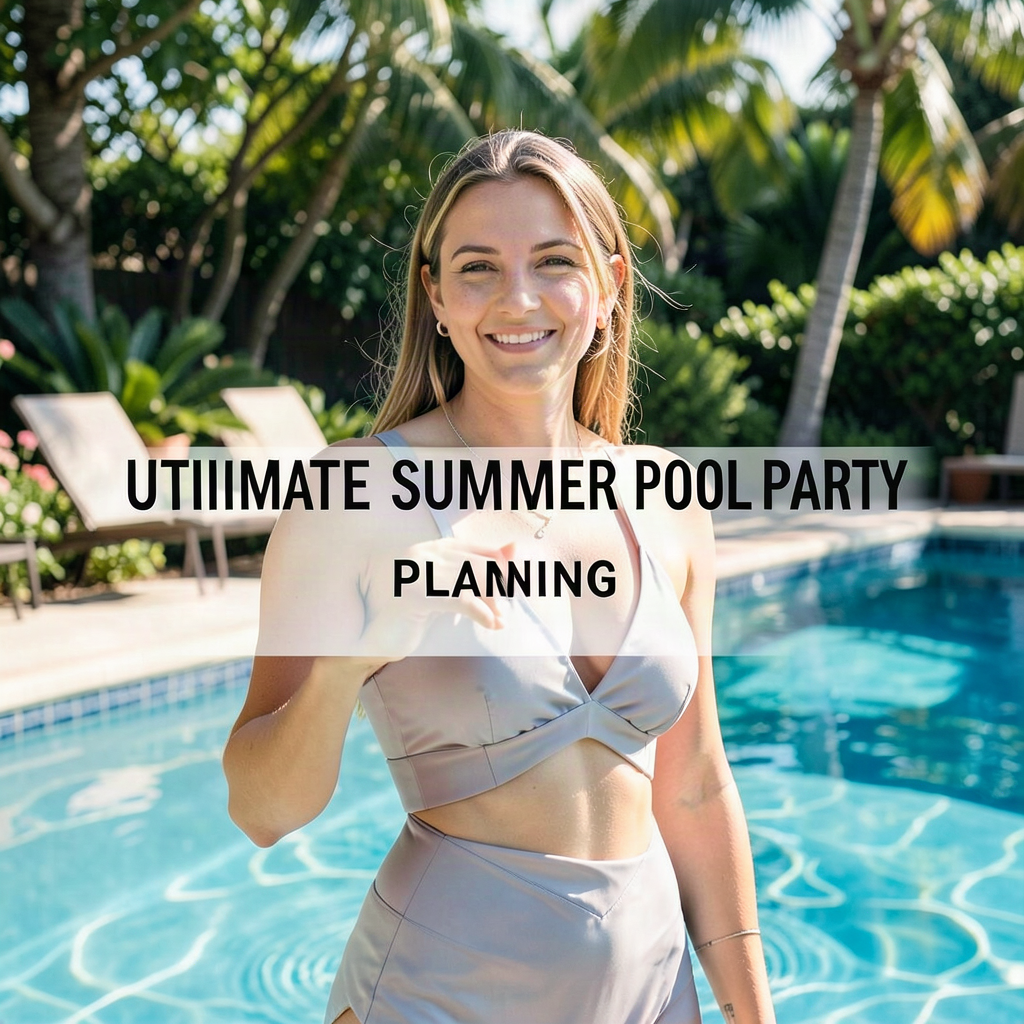
Summer calls for celebration, and few gatherings capture the season’s spirit quite like a pool party. Whether hosting an intimate backyard get-together or a larger celebration, successful pool party planning combines thoughtful preparation, engaging activities, and attention to guest comfort. This guide walks through every element of creating a memorable summer pool party that guests will talk about long after the season ends.
Setting the Date and Managing Your Guest List
The foundation of any successful party begins with strategic timing. Summer schedules fill quickly with vacations, holidays, and other commitments, so sending invitations three to four weeks in advance gives guests adequate notice. Consider the typical weather patterns for your region during your chosen timeframe, and always have a backup plan for unexpected weather shifts.
Weekend afternoons typically work best for pool parties, with 2 PM to 7 PM offering ideal hours. This window allows the sun to be warm without the intensity of midday, and guests can transition into evening swimming as temperatures cool. If your guest list includes families with children, earlier start times accommodate bedtimes and nap schedules.
Your guest list should reflect both your pool’s capacity and your comfort level for supervision. A general guideline suggests allowing approximately 15 square feet of pool surface per swimmer for comfortable spacing. Beyond the pool itself, consider deck and seating capacity. Overcrowding creates safety concerns and diminishes the relaxed atmosphere that makes pool parties enjoyable.
When sending invitations, clearly communicate what guests should bring. Specify whether towels, sunscreen, or swim gear are provided, and note any pool-specific rules like no glass containers or requirements for swim diapers for young children. Digital invitations through platforms like Paperless Post or simple evites allow easy RSVP tracking and last-minute updates if weather conditions change.
Essential Pool Party Supplies and Equipment
Creating a well-equipped party environment reduces stress on the day of the event and ensures guest comfort. Start with the basics: ample towels, waterproof sunscreen in various SPFs, and shaded areas for guests seeking relief from direct sun. A designated towel station with a basket or rack keeps towels organized and prevents them from ending up in the pool.
Comfortable seating options beyond standard patio furniture make a significant difference in guest experience. Consider renting additional lounge chairs for larger gatherings, or provide oversized cushions and waterproof outdoor poufs that can be rearranged as needed. Umbrellas, pop-up tents, or a permanent shade structure protect guests from overexposure and create comfortable conversation areas away from the water.
Pool floats have evolved far beyond basic inflatables, now serving both functional and decorative purposes. Giant flamingos, unicorns, and donuts add playful visual elements while providing floating relaxation spots. For larger parties, consider a mix of single-person floats and multi-person rafts that encourage socializing. A storage bin or designated corner keeps floats organized when not in use and prevents clutter around the pool deck.
Safety equipment should never be an afterthought. A well-stocked first aid kit, life ring or throw rope, and a working phone for emergencies are essential. If children will be present, designate at least one adult as the designated water watcher who remains sober and focused on pool supervision. Consider hiring a certified lifeguard for larger gatherings or parties with many young swimmers.
Creating the Perfect Pool Party Atmosphere
Atmosphere transforms a simple gathering into a memorable event, and thoughtful decorative choices set the tone before guests even enter the water. Choose a cohesive theme to guide your decorating decisions, whether that’s tropical luau, retro beach party, or elegant resort-style celebration. Theme consistency across invitations, decorations, food presentation, and even music playlists creates a polished, intentional feel.
Color schemes work best when they complement rather than match your existing outdoor space. Bright citrus tones of lemon yellow, lime green, and coral feel distinctly summer, while navy and white combinations create a more sophisticated poolside aesthetic. String lights, lanterns, or waterproof LED candles add ambiance as daylight fades and extend the party into evening hours.
Music sets the energy level for your event. Create playlists in advance that match your party’s vibe, whether that’s upbeat summer hits, relaxed acoustic tracks, or curated genres that reflect your theme. Waterproof Bluetooth speakers positioned strategically around the pool area ensure consistent sound without being overwhelmingly loud. Consider the musical preferences of your guest list and aim for broad appeal, keeping explicit lyrics in mind if children will attend.
Practical touches elevate the guest experience. A welcome station near the entrance with sunscreen, insect repellent, and perhaps sunglasses or disposable waterproof phone cases shows thoughtful preparation. Hooks or designated areas for bags and personal items prevent clutter and keep belongings dry. A cooler or beverage station positioned for easy access minimizes traffic near the pool’s edge.
Planning Your Pool Party Menu
Pool party food should be refreshing, easy to eat, and able to withstand outdoor temperatures. Focus on items that taste good cool or at room temperature, avoiding foods that wilt, melt, or spoil quickly in heat. A mix of substantial dishes and lighter options accommodates different appetites and dietary needs.
Fresh fruit is a pool party staple for good reason. Watermelon, pineapple, berries, and grapes provide hydration and natural sweetness. Pre-cut fruit into manageable pieces and serve in individual cups or on skewers for easy grab-and-go eating. A fruit salad bar where guests can customize their combinations adds interactive elements to the food spread.
Protein options should be substantial enough to satisfy swimmers but easy to manage. Skewers work beautifully because they require no utensils and can be eaten with one hand. Chicken, shrimp, or vegetable kabobs grilled in advance and served at room temperature hit the mark. Sandwiches cut into quarters, wraps sliced into pinwheels, and sliders offer similar grab-and-go convenience.
Hydration becomes particularly important during pool parties where sun and activity increase fluid needs. Beyond water, offer infused water stations with combinations like cucumber-mint, strawberry-basil, or citrus blends. These add visual appeal and encourage guests to stay hydrated without relying solely on alcoholic beverages. For adult guests, batch cocktails or a signature drink reduce bartending duties while adding a festive touch.
Food safety requires attention at outdoor events. Keep perishable items on ice or in coolers until serving time, and use nested bowls with ice between them to maintain safe temperatures during the party. Avoid leaving food out for more than two hours, or one hour if temperatures exceed 90°F. Assign someone to monitor food stations and refresh items as needed.
Engaging Pool Party Games and Activities
While many guests are content to swim and socialize, structured activities add energy and help guests who may not know each other well to connect. Choose games that accommodate various swimming abilities and comfort levels in the water.
Classic pool games remain popular across generations. Marco Polo requires no equipment and gets everyone involved. Relay races with teams competing to swim laps or transport objects across the pool build friendly competition. For a modern twist, try pool noodle races where participants straddle noodles and race across the pool using only their arms for propulsion.
Pool volleyball and basketball bring familiar sports into the water. Net systems that span the pool width create a proper court for volleyball, while floating basketball hoops allow casual shooting games. These activities work well for mixed-age groups because players can participate at whatever intensity level suits them.
For guests who prefer staying dry, set up activity stations on the deck. Giant Jenga, cornhole, or card games provide entertainment without requiring swimwear. A DIY photo booth with fun props and a pool-themed backdrop creates shareable memories and gives guests a reason to take breaks from the water.
Children’s pool parties benefit from age-appropriate structured activities. Treasure hunts using weighted pool toys, diving rings, or even coins entertain kids while building swimming confidence. Supervised games like sharks and minnows or colors require no equipment but keep children engaged and active. Always match activities to the swimming abilities present and maintain appropriate supervision ratios.
Pool Party Safety Considerations
Safety should underpin every aspect of pool party planning. Start with a realistic assessment of your pool area: identify potential hazards, ensure all drain covers are compliant and secure, and verify that safety equipment is accessible and in good condition. Remove or secure any trip hazards around the pool deck, and ensure adequate lighting for evening swimming.
Adult supervision remains the most critical safety factor, particularly when children are present. The designated water watcher system assigns a specific adult to watch the pool without distractions, rotating responsibility every 15 to 20 minutes. This person should avoid alcohol, put away their phone, and maintain visual contact with all swimmers. For parties with many children, consider hiring a professional lifeguard.
Alcohol management requires thoughtful planning. While adult beverages are common at pool parties, intoxication and swimming create dangerous combinations. Serve food alongside alcohol, offer appealing non-alcoholic alternatives, and consider closing the pool to swimming after a certain hour if alcohol is being served. Never allow intoxicated guests to swim.
Weather safety extends beyond rain checks. Summer thunderstorms can develop quickly, and the National Weather Service recommends staying out of the water for at least 30 minutes after the last thunder is heard. Have a plan for quickly moving guests inside if weather threatens. Also monitor heat advisories and encourage regular breaks, hydration, and shade access during extreme heat.
Pool chemistry deserves attention before the party. Test water balance a day in advance and make any necessary adjustments. Proper chlorine levels and pH balance ensure the water is safe and comfortable for swimmers. A clean pool also means less debris to contend with during the party and better water clarity for visibility.
Planning for Different Age Groups
Pool parties often bring together guests across generations, and successful planning considers the needs of each age group present. Family-friendly parties require different preparations than adult-only gatherings, so let your guest list guide your decisions.
Parties with young children need additional safety measures, age-appropriate activities, and accommodations for parents. Create a separate area for diaper changing and ensure swim diapers are required for any child not fully potty trained. Shallow areas or kiddie pools give young children safe places to play, while pool toys and floaties designed for small children add to the fun. Plan for regular breaks from the sun and water, and communicate clear rules about supervision to parents.
Teen pool parties strike a different balance. Teens often want more independence but still benefit from structure and engagement. Music becomes more central to the event, and photo opportunities matter for social media-savvy adolescents. Food quantities should reflect teenage appetites, which often exceed adult portions. Maintain supervision while giving teens appropriate space, and establish clear boundaries about pool use and guest limits.
Adult-only pool parties allow for different atmospheres entirely. Cocktail-infused popsicles, more sophisticated menu items, and ambient lighting transform the same space into an evening entertainment venue. Wine chilling in the pool, curated playlists, and conversation-focused seating arrangements create a different kind of celebration. Even at adult parties, swimming ability varies, so maintain safety awareness and never assume all guests are confident swimmers.
Mixed-generation gatherings work well when you create zones for different activities. A quiet corner with comfortable seating suits older guests who want to visit without entering the water. Active game areas appeal to children and teens. Food stations positioned for easy access from multiple areas serve everyone. The key is providing options so each guest can engage at their comfort level.
Cleanup and Post-Party Considerations
Planning for cleanup during your initial preparations makes the post-party period manageable rather than overwhelming. Set up clearly marked trash and recycling stations around the party area to encourage guests to dispose of items properly. Line bins with extra bags for quick removal when full. A separate container for glass prevents broken glass hazards near the pool area.
Enlist help for post-party cleanup. If the party was a family effort, assign specific tasks to family members in advance. For larger events, consider hiring help or asking close friends to stay after other guests depart. Tackle food storage and perishables first, then address trash removal, and finally pool and deck cleaning.
Pool maintenance after a party requires attention. Heavy use introduces contaminants and can affect water chemistry. Test the water the following day and adjust chemicals as needed. Skim debris, clean filters, and consider shocking the pool if many guests used it. Running the pump for an extended period helps restore water clarity.
Thank-you messages after the party complete the hosting cycle. A quick text, email, or social media post thanking guests for attending shows appreciation and maintains connections. Sharing a few favorite photos from the event gives guests a memento and may inspire future gatherings.
Budget-Friendly Pool Party Strategies
Hosting a memorable pool party doesn’t require an unlimited budget. Strategic choices in timing, supplies, and food can significantly reduce costs while still creating an event guests will remember. The key is identifying where to splurge and where smart substitutions deliver equal impact for less money.
Timing your party strategically can reduce costs across multiple categories. Hosting earlier in the summer season, before peak party months of July and August, often means better availability and pricing on rentals and supplies. Sunday gatherings typically cost less than Saturday events for professional services like lifeguards or caterers. Afternoon parties that transition into evening reduce the need for elaborate lighting setups, letting natural daylight do most of the work.
Pool float investments offer excellent return when chosen strategically. Instead of purchasing themed floats that tie you to one aesthetic, opt for classic designs in colors that work across multiple party themes. A collection of solid-colored floats in white, turquoise, and coral can support tropical, nautical, or modern themes simply by changing accent decorations. Quality matters more than quantity—two durable floats that last multiple seasons beat five cheap ones that deflate mid-party.
Food costs add up quickly, but strategic menu planning keeps expenses manageable. Focus on two to three substantial dishes rather than attempting an elaborate spread. A large batch of pulled chicken or pork works across multiple serving styles—tacos, sliders, or salad toppings. Seasonal produce purchased from farmers markets or u-pick farms costs significantly less than pre-cut options from grocery stores. Enlisting guests to contribute dishes potluck-style builds community while distributing costs, but be specific about what you need to avoid duplication or items that don’t travel well in summer heat.
Decorations present opportunities for significant savings without sacrificing visual impact. String lights purchased after holiday seasons cost a fraction of their peak pricing and work perfectly for outdoor parties. Fresh greenery from your own yard—palm fronds, ferns, or flowering branches—creates expensive-looking arrangements for free. Paper products in solid colors cost less than printed designs and can be dressed up with simple touches like washi tape or custom tags printed at home.
Weather Contingency Planning Beyond the Basics
Summer weather unpredictability extends beyond the obvious concern of rain. Temperature extremes, wind, humidity, and even air quality can affect your pool party plans. Comprehensive contingency preparation means you’re ready for whatever conditions arise, not just whether precipitation appears in the forecast.
Extreme heat poses health risks that simple shade can’t fully address. When temperatures climb above 95°F, even guests in water face heat-related concerns. Prepare frozen towels by dampening and freezing washcloths the night before—these provide instant relief when draped on necks or foreheads. Set up misting stations using inexpensive misting attachments that connect to standard garden hoses. Create a dedicated cooling area with multiple fans, cold drinks, and frozen treats where guests can recover from heat exposure.
Wind creates problems that standard party planning rarely addresses. Lightweight decorations, napkins, and paper products become airborne hazards that can end up in the pool. Secure tablecloths with clips or weights at all corners, and consider switching to cloth napkins that won’t blow away. Position beverage stations away from the pool edge to prevent wind-blown cups from creating litter in the water. For particularly windy conditions, have a plan to quickly move lightweight decorations indoors and rely on heavier, stable decor elements.
Humidity affects guest comfort even when temperatures seem reasonable. High humidity reduces the body’s ability to cool through perspiration, making guests feel overheated at lower temperatures than they might expect. Increase hydration options during humid conditions, as guests may not realize how much fluid they’re losing. Consider positioning fans to create air movement even in shaded areas, helping sweat evaporate more effectively.
Regional weather patterns deserve consideration in your planning timeline. Some areas experience predictable afternoon thunderstorms during certain summer weeks, making morning parties more reliable. Others face wildfire season with air quality concerns that may necessitate moving the party indoors or rescheduling. Understanding your region’s specific patterns allows proactive rather than reactive planning.
Addressing Common Pool Party Challenges
Even well-planned pool parties encounter unexpected situations. Preparing solutions for common challenges allows you to address issues quickly and maintain the relaxed atmosphere your guests expect.
Uninvited guests present an awkward situation that requires advance consideration. Whether a guest asks to bring a friend or someone simply shows up, decide your policy beforehand. For intimate gatherings where capacity matters, politely explain that the event is at capacity. For larger parties, having extra food and supplies allows flexibility. If uninvited guests create safety concerns due to pool capacity or supervision ratios, prioritize safety over social comfort and explain the limitation clearly.
Pool contamination incidents happen, particularly at parties with children. Having a plan prevents panic and ensures proper response. Keep a supply of shock treatment on hand, and know your pool’s volume so you can calculate proper dosing. Communicate to guests that the pool will temporarily close, and have alternative activities ready—a deck area with music, games, or food stations can occupy guests during the 30 to 60 minutes typically needed for treatment and dissipation. Maintain good humor about the situation; children especially should not feel shamed for accidents that are developmentally normal.
Guests who overconsume alcohol require a planned response. Designate someone beforehand to monitor the party and intervene if someone becomes too intoxicated. This person should remain sober throughout the event and have authority to cut off alcohol service to specific individuals. Keep rideshare apps ready on your phone, and don’t hesitate to call a taxi or rideshare for a guest who shouldn’t drive. For guests who insist on swimming despite intoxication, firmly redirect them to other activities and enlist friends to help distract them from the pool.
Sunburn prevention requires proactive management throughout the party. Despite providing sunscreen, guests often forget to reapply after swimming. Set phone alarms for every two hours as a reminder for everyone to reapply. Position sunscreen stations in obvious locations—near the bathroom, at the beverage cooler, and at the pool entrance. Check on guests who seem to be getting red and offer them sunscreen, shade, or a t-shirt for additional coverage.
Creating Inclusive Pool Party Experiences
Thoughtful inclusivity ensures all guests can enjoy your pool party regardless of physical ability, swimming skill, or personal comfort with water activities. Planning with diverse needs in mind creates a welcoming environment for everyone on your guest list.
Guests with mobility limitations face specific challenges at pool parties. Pool access often requires navigating wet, slippery surfaces and may involve steps without proper handrails. Consider renting a temporary pool lift if your pool doesn’t have permanent accessible entry. Ensure pathways from parking to pool area are clear and accessible. Position seating areas at various distances from the water so guests who can’t or prefer not to swim can still participate in conversations and activities. Provide shade options in accessible locations, not just on uneven pool decks.
Swimming anxiety affects more guests than typically acknowledged. Fear of water, self-consciousness about appearance in swimwear, or simply never learning to swim are common experiences many adults hesitate to admit. Create clear opportunities for guests to enjoy the party without entering the pool—comfortable seating with good sightlines, engaging deck activities, and conversation areas away from the water’s edge. Never pressure guests to swim or draw attention to those who remain on the deck.
Dietary restrictions have become increasingly common, and pool parties present particular challenges because many traditional pool foods contain common allergens. Shellfish, a frequent pool party menu item, is a top allergen. Nuts, dairy, and gluten appear in many dishes. Request dietary information on RSVPs and label all foods clearly, noting major allergens. Ensure safe alternatives are available for guests with restrictions—not just a token option, but substantial food they can actually enjoy. Separate serving utensils prevent cross-contamination for guests with severe allergies.
Cultural and religious considerations may affect how guests can participate. Some guests may prefer modest swimwear or separate swimming times for mixed-gender gatherings. Religious observances might require prayer space or specific dietary accommodations. Consider whether your planned activities and timeline accommodate guests observing religious practices, and create private space options for guests who need to pray or change into modest swimwear without observation.
Pool Party Timeline and Day-Of Coordination
The hours leading up to your pool party determine whether you’re rushing through last-minute tasks or calmly ready to welcome guests. A structured timeline prevents oversights and lets you enjoy the party you’ve worked to create.
Two days before the party, focus on pool preparation and food prep. Test water chemistry and make any necessary adjustments—this timing allows adjustments to take effect and gives you buffer time if you need to shock the pool or wait for chemical levels to stabilize. Complete any food preparation that can be done in advance: marinating proteins, chopping vegetables that will hold, assembling dry ingredients for recipes. Charge all speakers, lights, and any electronic equipment you’ll be using.
The morning of the party, tackle setup tasks that can’t be done further in advance. Set up shade structures and seating areas while morning temperatures are cooler. Position coolers and fill with ice and beverages—doing this early prevents a rush as guests arrive. Set up decoration elements that might blow away if left out overnight. Begin any food cooking that needs to be done day-of, timing completion to coincide with serving time or keeping items warm as appropriate.
One hour before guests arrive, complete final preparations. Set out food that doesn’t require refrigeration. Position sunscreen stations and check that bathroom supplies are stocked. Set up any welcome stations or sign-in areas. Do a final walk-through of the pool area to check for hazards, position safety equipment, and ensure everything is in place. Take a moment to review your weather contingency plan so you can implement it quickly if needed.
During the party, resist the urge to constantly manage details. Your primary responsibilities are guest welcome, safety monitoring, and food maintenance. Everything else can wait. When you notice supplies running low or minor issues arising, delegate to helpers if possible rather than handling everything yourself. Take time to actually engage with guests—you planned this party to enjoy it, too.
Sustainable Pool Party Practices
Environmental consciousness at pool parties extends beyond simply providing recycling bins. Thoughtful choices in supplies, food, and energy use reduce your event’s environmental impact while often saving money in the process.
Single-use plastics have become a focus of environmental concern, and pool parties traditionally generate significant plastic waste. Reusable options present alternatives that work well for pool settings. Melamine plates in cheerful colors withstand outdoor use and can be used across multiple parties. Stainless steel or heavy plastic cups won’t break if dropped on the pool deck and eliminate the need for disposable drinkware. If reusable options aren’t practical for your guest count, choose compostable products made from materials like bamboo or plant fibers rather than traditional plastic.
Water conservation at pool parties might seem contradictory, but opportunities exist beyond the pool itself. Use a pool cover in the days before the party to reduce evaporation and maintain water temperature, reducing the need to top off with fresh water. Position beverage stations away from the pool to prevent cups from being abandoned in the water, where their contents add to contamination and require additional treatment chemicals. Consider how you’ll handle pool draining after the party—dechlorinated pool water can irrigate landscapes rather than entering storm drains.
Energy consumption during pool parties comes primarily from pool equipment and climate control. Running pool pumps during off-peak hours, typically evening and early morning, reduces strain on the electrical grid and may reduce costs depending on your utility rate structure. If using portable air conditioning or fans for indoor overflow spaces, set them to run only when needed rather than continuously. Solar-powered string lights and decorations eliminate the need for electrical outlets and extension cords while creating ambiance.
Food waste reduction requires planning but pays off in both environmental and financial terms. Plan portions based on realistic consumption rather than over-purchasing to ensure enough. Know what your local food banks and shelters accept for donation if you have substantial unopened leftover items. Compost food scraps rather than sending them to landfill. If you’re planning multiple summer gatherings, consider which menu items can be repurposed for future events to reduce waste and future shopping trips.
Frequently Asked Questions
How far in advance should I send pool party invitations?
Send invitations three to four weeks before your planned pool party date. This timeline gives guests adequate notice to arrange schedules while remaining close enough that details won’t be forgotten. For holiday weekends or popular summer dates, consider extending this to five or six weeks. Include RSVP deadline information and be prepared to follow up with non-respondents about a week before the event.
What food should I avoid serving at a pool party?
Avoid foods that melt quickly in heat like chocolate or ice cream unless stored properly until served. Skip items that require constant refrigeration or those that spoil easily such as mayonnaise-based salads left at room temperature. Foods that create messy hands, like ribs or wings, may not pair well with swimming activities. Glass containers present safety hazards near pools, so transfer items to plastic or paper serving pieces.
How do I handle a pool party when some guests can’t swim?
Accommodate non-swimmers by providing shallow areas, pool steps, or swim aids like noodles and kickboards. Floats designed for lounging allow non-swimmers to enjoy the water safely. Ensure life jackets or puddle jumpers are available for children who need them. Create comfortable deck areas with good sightlines to the pool so non-swimmers can participate in the social atmosphere. Never pressure guests to enter the water if they’re uncomfortable.
What’s the best way to handle unexpected weather during a pool party?
Monitor weather forecasts in the days leading up to your event and have a contingency plan. For rain, prepare an indoor space with alternative activities. If thunderstorms develop during the party, clear the pool immediately and move guests inside, staying away from windows. For excessive heat, ensure extra shade, hydration options, and encourage indoor breaks. Communicate weather contingency plans in invitations so guests know what to expect if conditions change.
Do I need extra insurance for hosting a pool party?
Standard homeowners insurance typically covers personal liability for gatherings at your home, but policy limits and specifics vary. Review your policy to understand your coverage and consider whether your liability limits are adequate for your comfort level. For large events or if you have significant assets to protect, an umbrella policy provides additional coverage. If hiring professional lifeguards or catering services, verify their insurance coverage as well.
Related posts:
 Summer Romance Compatibility Guide
 Sober Social Parties: College Trend
 Most Stunning Hotel Pool Views
 Pool Water Effects on Skin and Hair
 Transforming Hotel Stays: Creative Ideas for a Warm Welcome
 How Pool Water is Secretly Sabotaging Your Gut Health
 UV Index Tracking with Apple Watch
 Budget-Friendly Party Hosting Tips