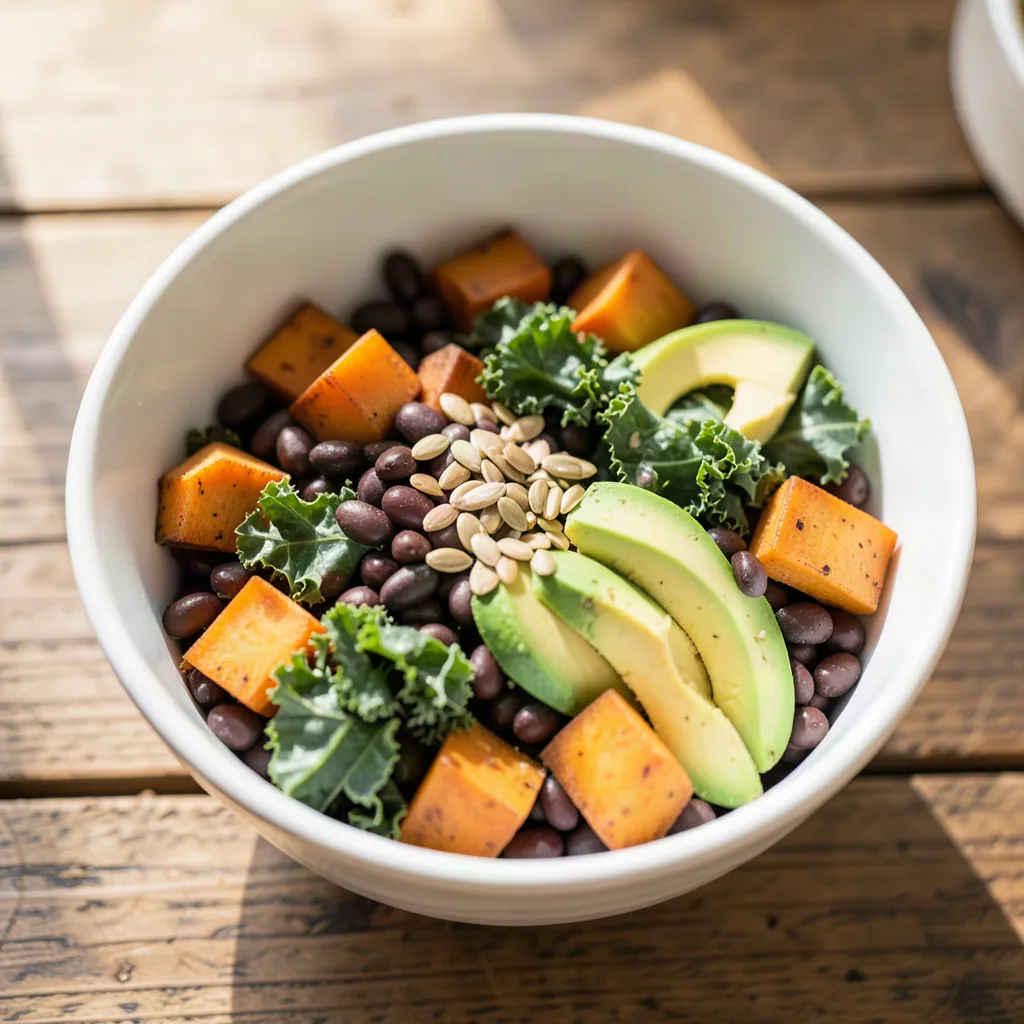
In the world of vibrant, nutrient-dense eating, few ingredients command as much respect as the humble sweet potato. When transformed into a bowl, it becomes a versatile canvas for texture, color, and flavor. This guide explores how to craft the ultimate sweet potato bowl, balancing macronutrients to ensure you stay satisfied while creating a meal that is visually stunning enough for any social media feed.
Key takeaways
- Balance your bowl with 25% carbohydrates, 25% protein, 25% healthy fats, and 25% fiber-rich vegetables for sustained energy.
- Roast potatoes at 400°F with avocado oil and seasonings to achieve a caramelized texture and enhanced flavor profile.
- Use distinct sections for ingredients and add height to your plating to create a visually appealing, professional meal.
- Incorporate fermented foods like kimchi or sauerkraut to provide essential acidity and gut-healthy probiotics to your dish.
- Prep roasted components in advance to assemble a healthy, custom meal in under five minutes on busy days.
The Nutritional Foundation of a Balanced Bowl
Sweet potatoes are a nutritional powerhouse, providing complex carbohydrates for sustained energy, a high dose of Vitamin A in the form of beta-carotene, and a respectable amount of dietary fiber. However, a great bowl requires more than just a base. To build a nutritionally complete meal, you should aim for a “macro-balanced” approach: 25% complex carbohydrates, 25% lean protein, 25% healthy fats, and 25% volume from colorful, fiber-rich vegetables. By layering these components, you ensure that your blood sugar remains stable and your satiety levels stay high throughout the afternoon.
Selecting the Perfect Sweet Potato Base
Not all sweet potatoes are created equal. For bowls, the variety you choose changes the texture significantly. Garnet or Jewel yams (the ones with orange flesh) offer a creamy, moist texture when roasted, which works perfectly as a base for savory bowls. White-fleshed sweet potatoes, such as the Japanese or Okinawan varieties, are starchier and have a slightly nutty, chestnut-like flavor. To achieve the perfect roast, dice your potatoes into uniform one-inch cubes, toss them in high-quality avocado oil, and season with sea salt, smoked paprika, and a pinch of cinnamon. Roasting at 400°F (200°C) until the edges are caramelized is the secret to unlocking their natural sweetness.
Injecting Protein for Sustained Energy
A bowl without protein is merely a snack. To turn your sweet potato base into a meal, incorporate a protein source that complements the earthy tones of the potato. For a plant-based approach, crispy spiced chickpeas or marinated tempeh work exceptionally well. If you prefer animal protein, pan-seared wild salmon, shredded rotisserie chicken, or even a jammy soft-boiled egg can elevate the dish. The key is to season your protein separately so it holds its own against the sweetness of the potatoes.
Adding Texture with Fresh Vegetables
Texture is what separates a mediocre meal from a memorable one. While the roasted sweet potatoes provide a soft, creamy element, you need crunch to keep your palate engaged. Incorporate raw ingredients like thinly sliced radishes, shredded purple cabbage, or cucumbers. For a leafy base, massaged kale or arugula adds a peppery bite that cuts through the starchiness of the potatoes. Don’t forget the “crunch factor”—a sprinkle of toasted pumpkin seeds, sunflower seeds, or crushed walnuts adds a satisfying texture that also boosts the healthy fat content of your bowl.
The Art of the Drizzle: Crafting the Perfect Sauce
The dressing is the binding agent of your bowl. Because sweet potatoes are inherently sweet and earthy, they pair beautifully with acidic or creamy dressings. A tahini-lemon dressing is a classic choice; the bitterness of the sesame paste balances the sugar in the potato. Alternatively, a cilantro-lime vinaigrette or a spicy peanut satay sauce can shift the flavor profile toward a more global aesthetic. When plating, drizzle your sauce in a deliberate zigzag or a circular motion to ensure every bite is coated, and to create that professional, Instagram-worthy finish.
Visual Composition and Plating Techniques
To make your bowl look as good as it tastes, follow the principle of color contrast. If you have orange potatoes and brown protein, look for deep greens, bright reds, or vibrant yellows to fill the remaining space. Arrange your ingredients in distinct sections rather than tossing them together; this “buddha bowl” style allows the viewer to see every component clearly. Fresh herbs like cilantro, parsley, or microgreens should be added as a final garnish, providing a pop of color that makes the dish look fresh and vibrant.
Customizing for Dietary Needs
The beauty of the sweet potato bowl lies in its adaptability. If you are following a gluten-free diet, the base is naturally safe; simply ensure your protein and dressings are free from cross-contamination. For those on a low-FODMAP or ketogenic-leaning diet, you can swap a portion of the sweet potato for roasted cauliflower or squash to reduce the glycemic load while maintaining the bowl structure. Always keep a pantry stocked with staples like hemp hearts, nutritional yeast, and high-quality vinegars to pivot your flavor profile based on what you have on hand.
Meal Prep Strategy for Busy Weeks
You do not need to roast potatoes every single day to enjoy this bowl. On Sunday, roast a large tray of sweet potatoes and prepare a batch of your chosen protein. Store these in airtight containers separately from the fresh, raw ingredients. When it is time to assemble your lunch, simply reheat the potatoes and protein, then add your fresh greens and dressing. By doing the heavy lifting in advance, you ensure that you always have a healthy, Instagram-ready meal ready in under five minutes, reducing the temptation to reach for processed convenience foods.
Exploring Global Flavor Profiles Through Spicing
To move beyond the standard salt-and-pepper roast, consider the sweet potato as a blank canvas for regional spice blends. For a Mediterranean-inspired bowl, toss your cubes in za’atar and a hint of sumac before roasting; the citrusy, herbal notes of the sumac cut through the density of the potato perfectly. If you are leaning toward a Mexican-inspired theme, a dusting of chipotle powder and cocoa powder creates a deep, smoky undertone that pairs exceptionally well with black beans and avocado. For an Asian-fusion approach, skip the cinnamon and opt for ginger, garlic, and a light glaze of soy sauce or tamari during the final five minutes of roasting. These nuanced spice profiles change the entire “vibe” of the bowl, ensuring that even if you eat sweet potatoes three times a week, the experience remains novel and exciting.
The Critical Role of Fermented Ingredients
Beyond texture and color, the secret to a high-end bowl is the inclusion of fermented ingredients. Fermented foods like kimchi, sauerkraut, or pickled red onions provide a sharp, acidic punch that acts as a palate cleanser against the sweet, starchy weight of the potatoes. A small scoop of spicy kimchi can transform a mundane bowl into a gut-healthy probiotic powerhouse. Furthermore, the vibrant pink of pickled onions or the bright orange of kimchi adds a pop of color that naturally commands attention on a camera lens. When adding these, place them in a small “nest” to one side of the bowl to keep their juices from bleeding into the other components, maintaining that clean, segmented look that characterizes professional food styling.
Mastering the “Creamy-to-Crunchy” Ratio
An often-overlooked aspect of bowl construction is the specific ratio of creaminess to crunch. A bowl that is entirely soft can feel one-dimensional, while one that is too crunchy can feel like a salad rather than a hearty meal. Aim for a 60/40 split. You want 60% of your bowl to provide a soft or creamy mouthfeel—think roasted potatoes, avocado slices, or a hummus base—and 40% to offer a distinct snap or bite. To achieve this, consider incorporating “unexpected crunch” elements such as raw jicama matchsticks, toasted buckwheat groats, or even crispy fried shallots. If you find your bowl is lacking that essential bite, a handful of toasted pepitas or a sprinkle of dukkah (an Egyptian nut and spice blend) can bridge the gap between heavy starches and light, fresh vegetables.
Advanced Plating: The “Layering” Technique
While the “buddha bowl” section method is aesthetically pleasing, true depth comes from the layering technique. Start by placing your heartiest greens at the bottom of the bowl, but don’t just dump them in; fluff them up to create volume. Next, add your roasted sweet potatoes in a crescent shape, followed by your protein. The trick to a professional look is to overlap your ingredients slightly. Place your avocado slices leaning against the potatoes, and let your protein rest partially on top of the greens. This creates “height” in the bowl, which is a fundamental principle in food photography. A flat bowl looks like leftovers, but a bowl with height, built from the bottom up, looks like a culinary creation. Always finish by wiping the inner rim of your bowl with a clean paper towel to remove any stray drips or crumbs before serving.
Temperature Contrast as a Sensory Experience
Most home cooks serve bowls at a uniform temperature, but playing with thermal contrast can elevate the eating experience significantly. Imagine a bowl with warm, caramelized sweet potatoes, chilled cucumbers, and room-temperature chickpeas. This temperature variance makes every bite feel dynamic. To achieve this, roast your potatoes and cook your grains or proteins ahead of time, but keep your raw vegetables and fresh herbs in the refrigerator until the very last second. When you assemble, the contrast between the hot, comforting potatoes and the crisp, cool vegetables creates a sensory experience that feels complex and purposeful. If you are adding a creamy sauce, consider serving it at room temperature to ensure it doesn’t instantly cool down the hot components or warm up the cold ones too quickly.
The “Hidden” Nutrient Boosters
If you want to pack even more nutrition into your bowl without altering the flavor profile, look toward “stealth” superfoods. Nutritional yeast, often called “nooch,” provides a savory, cheesy flavor that complements the earthiness of sweet potatoes while adding B-vitamins. Hemp hearts are nearly flavorless but provide a significant boost of plant-based protein and omega-3 fatty acids. You can also incorporate micro-greens like radish sprouts or pea shoots; they are incredibly nutrient-dense and possess a delicate texture that doesn’t overwhelm the other ingredients. Adding a teaspoon of these “hidden” boosters to your bowl before the final drizzle ensures you are getting maximum density in every mouthful, turning a simple meal into a functional health tool.
Troubleshooting Common Bowl Failures
Even the best chefs hit snags. If your sweet potatoes turn out mushy, it is likely because they were crowded on the baking sheet; they need space to release steam and caramelize. If your dressing breaks or looks oily, whisk in a teaspoon of warm water or dijon mustard to emulsify it. If your bowl feels “bland” despite having all the right parts, you are likely missing an acid or a salt component. A quick squeeze of fresh lime juice or a final pinch of flakey sea salt can “wake up” the flavors of the entire dish. Finally, if you find yourself bored with your bowls, rotate your base grain or legume—substituting quinoa for farro, or black beans for white can change the entire texture profile of the meal without requiring you to learn a new recipe from scratch.
Frequently Asked Questions
How long can I store roasted sweet potatoes in the fridge? Roasted sweet potatoes typically keep well in an airtight container for up to 4 to 5 days. For the best texture, reheat them in an air fryer or oven rather than the microwave to regain some of that crispiness.
Can I use frozen sweet potatoes for these bowls? Yes, frozen cubed sweet potatoes are a great time-saver. Be sure to pat them dry thoroughly before roasting, as they often contain excess moisture from the freezing process, which can prevent them from browning properly.
What is the best way to keep my greens from wilting? If you are packing these bowls for work, keep the dressing in a separate small container and add it only when you are ready to eat. If you are using heartier greens like kale, you can massage them with a little oil or dressing beforehand to soften them without them becoming soggy.
Are sweet potato skins safe to eat? Absolutely. The skin contains a significant portion of the fiber and nutrients found in the potato. Just be sure to scrub them thoroughly under running water before roasting to remove any dirt.
How can I make my bowl more filling without adding too much volume? Focus on healthy fats. Adding half an avocado, a tablespoon of hemp seeds, or a drizzle of olive oil will increase the satiety of the meal significantly without requiring you to eat a larger portion of food.
Related posts:
 The Green Goddess Guide to Buying Leafy Perfection
 Sweet Potatoes: All-Day Recipes
 Mini Avocados at Trader Joe’s
 Kayla Itsines’ Game-Changing Sweet Potato Enchilada Recipe That’ll Transform Your Kitchen
 High-Protein Foods That Pack a Serious Nutritional Punch
 Surprising Sweet Potato Dishes
 Magic Avocado Sauce Recipe
 Why Avocado Toast Dominated Breakfast Trends in 2017