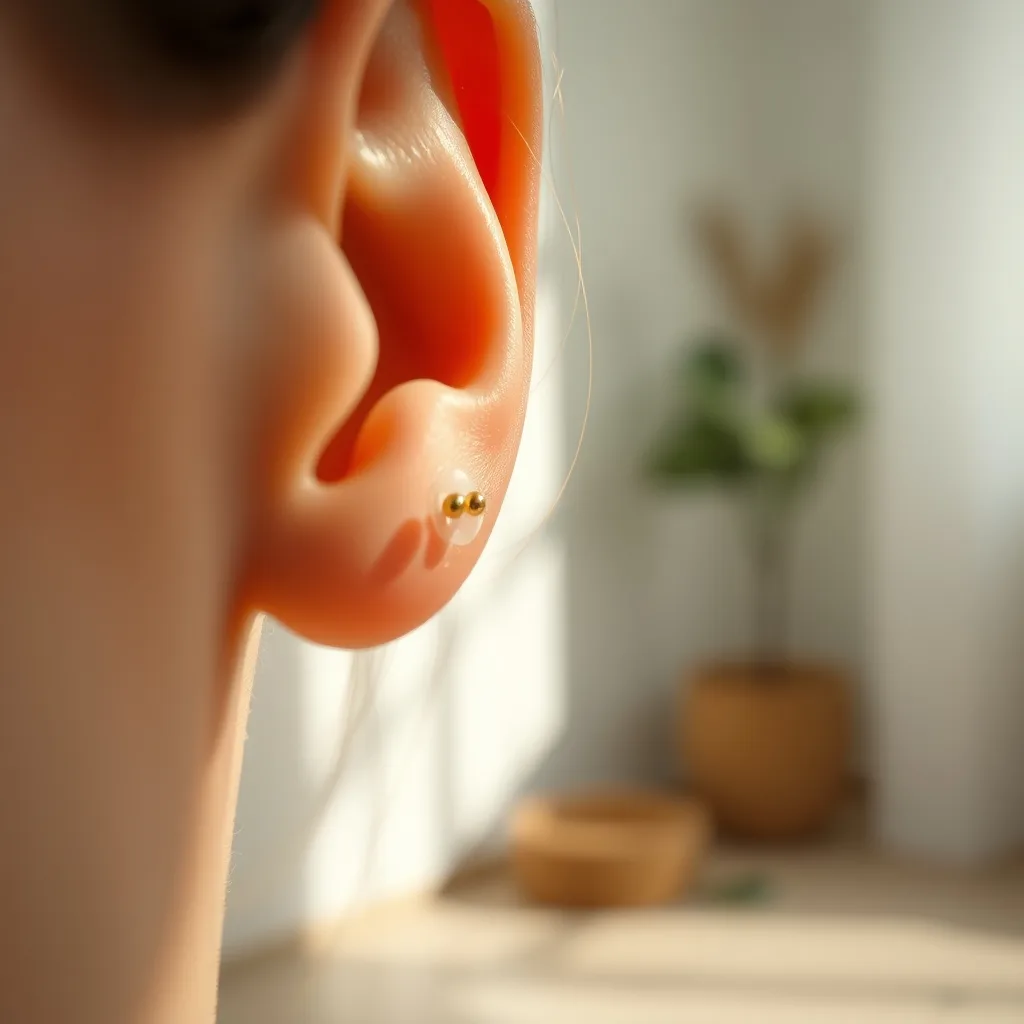
In the evolving landscape of holistic wellness, ear seeds have emerged as a discreet, non-invasive tool for managing stress, discomfort, and various physical imbalances. Rooted in the ancient principles of Traditional Chinese Medicine (TCM), these tiny beads offer a bridge between clinical acupuncture and at-home self-care. By applying gentle pressure to specific points on the ear, practitioners believe they can influence the body’s internal energy flow and nervous system, providing a versatile option for those seeking a natural approach to daily wellness.
Key takeaways
- Clean the ear with rubbing alcohol before applying seeds with tweezers to ensure the adhesive stays secure.
- Wear seeds for three to five days, then remove them for 24 hours to prevent skin irritation.
- Activate seeds by applying gentle pressure for three to five seconds when experiencing stress or physical discomfort.
- Target the Shen Men point for relaxation or the Hunger Point on the tragus to help manage cravings.
- Consult a professional before use if pregnant and remove seeds immediately if redness, swelling, or itching occurs.
The History and Philosophy of Auriculotherapy
Auriculotherapy, the practice of stimulating specific areas of the ear to treat health conditions, dates back thousands of years. While early records exist in ancient Egypt and Greece, the modern development of ear acupuncture was heavily influenced by French neurologist Dr. Paul Nogier in the 1950s. He mapped the ear as a microsystem, suggesting it functions like an inverted fetus. According to this model, the ear contains a complete map of the entire body; by stimulating specific points on the ear, one can send signals to the corresponding organs or systems.
In the context of TCM, the ear is viewed as a dense network of meridians—pathways through which Qi (life force) flows. When these pathways are blocked or disrupted, physical or emotional symptoms may arise. Ear seeds act as a continuous, low-level acupressure stimulus, keeping these meridians open and balanced throughout the day.
What Exactly Are Ear Seeds?
Ear seeds are small, round objects placed on specific acupressure points on the outer ear, or auricle. Traditionally, these were actual seeds from the Vaccaria plant, a herb known in TCM for its ability to invigorate the blood and open energy channels. Today, the term is used broadly to encompass various materials, including stainless steel, gold-plated beads, ceramic pellets, or even crystals. These materials are affixed to the skin using a small piece of medical-grade adhesive tape.
Unlike acupuncture needles, which penetrate the skin to trigger a physiological response, ear seeds are entirely non-invasive. They provide a sustained, gentle pressure that you can activate yourself by pressing on the seed whenever you feel the need for support, making them an ideal entry point for those intimidated by needles.
Identifying Common Auricular Points
The ear is a complex terrain, and understanding where to place your seeds is crucial for effectiveness. While a trained practitioner should handle complex health issues, there are several universally recognized points that are commonly used for general well-being:
- Shen Men (The Spirit Gate): Located in the upper triangular fossa of the ear, this point is widely used to promote relaxation, reduce anxiety, and calm the nervous system.
- Point Zero: Found in the center of the ear, this point is believed to help return the body to a state of homeostasis or balance.
- Hunger Point: Located on the tragus, this point is frequently used by those looking to manage cravings and support mindful eating habits.
- Adrenal Gland Point: Situated near the base of the ear, this is often targeted to help manage stress responses and energy levels.
It is important to remember that because the ear is highly sensitive, precision matters. Using a chart provided by a qualified acupuncturist or reflexologist can help you locate these points with greater accuracy.
The Step-by-Step Application Process
Applying ear seeds is a straightforward process, but hygiene and preparation are essential for comfort and safety. First, clean your outer ear thoroughly with a cotton swab dipped in rubbing alcohol to remove any natural oils or dirt; this ensures the adhesive sticks properly. Using a pair of tweezers, carefully peel the ear seed from its backing and place it exactly on the desired point. Press down firmly for a few seconds to secure the adhesive.
Once applied, you do not need to press them constantly. Instead, incorporate them into your routine by applying gentle pressure to the seeds for 3 to 5 seconds when you feel a spike in stress or a physical symptom. You may feel a slight, dull ache or warmth, which is often considered a sign that you have successfully hit the point.
Safety, Hygiene, and Best Practices
Ear seeds are generally considered safe for most people, but common sense and cleanliness are paramount. Because the ear is a warm, moist environment, it is easy for bacteria to accumulate under the adhesive tape. It is recommended to leave the seeds in place for no more than three to five days. After this period, remove them, clean the area, and give your skin a break for at least 24 hours before applying a fresh set.
If you notice any redness, swelling, itching, or pain, remove the seeds immediately. Some individuals may have sensitivities to the adhesive used on the tape; if you have sensitive skin, look for brands that specify hypoallergenic or latex-free materials. Furthermore, avoid placing seeds on broken or irritated skin, and always consult with a healthcare professional if you are pregnant or have underlying chronic conditions before beginning any new wellness practice.
Integrating Ear Seeds into a Wellness Routine
The beauty of ear seeds lies in their portability and subtlety. Many people find them to be an excellent companion to other mindfulness practices such as meditation, yoga, or deep breathing exercises. For example, applying a seed to the Shen Men point before a stressful meeting can serve as a physical reminder to breathe and stay grounded. They act as a tactile anchor, helping you maintain a connection to your body amidst a busy day.
Because they are virtually invisible, they are suitable for professional settings where other wellness tools might be distracting. By creating a ritual around the application—perhaps choosing the points based on your current emotional state—you turn a simple physical act into a moment of intentional self-care.
Managing Expectations and Limitations
While ear seeds can be a wonderful supportive tool, it is essential to maintain realistic expectations. They are not a cure-all or a replacement for professional medical treatment. If you are dealing with chronic pain, severe anxiety, or other medical conditions, ear seeds should be viewed as a complementary approach rather than a primary solution. They work best when integrated into a holistic lifestyle that includes proper nutrition, adequate sleep, and regular physical activity.
Furthermore, because everyone’s ear anatomy is slightly different, the exact placement of points can vary from person to person. If you are not seeing the desired results, it may be worth scheduling a session with an acupuncturist who specializes in auriculotherapy to ensure your placement is optimal for your unique physiology.
Advanced Mapping: Navigating the Auricular Microsystem
While beginners often focus on the most popular points, the ear acts as a sophisticated switchboard for the entire body. Advanced practitioners utilize the ‘inverted fetus’ model to address more specific, localized concerns. For example, the lobe of the ear corresponds to the head and face; by targeting the eye or tooth points located here, users often report relief from digital eye strain or tension associated with jaw clenching. Moving toward the concha—the hollow center of the ear—you find the projection points for internal organs, including the heart, lungs, and liver. Understanding this anatomy requires patience, as the surface area is small and points can be as close as a few millimeters apart. To refine your technique, use a blunt probe or the rounded end of a metal tool to gently scan the ear. When you hit a point that feels slightly more tender or ‘electric’ than the surrounding skin, you have likely located an active trigger point. This search process is a form of mindful body scanning, helping you cultivate a deeper awareness of physical sensations that you might otherwise ignore.
Material Science and Energetic Resonance
The choice of material for your ear seeds is more than a matter of aesthetic preference; it is a question of energetic resonance and skin sensitivity. Vaccaria seeds are the gold standard for traditionalists because they are organic and possess a unique, earthy pressure that is soft yet firm. However, modern users often prefer metal beads—such as gold-plated, silver, or stainless steel—for their durability and consistent shape. Gold, in Traditional Chinese Medicine, is often associated with tonifying or ‘building’ energy, making it a preferred choice for individuals feeling depleted or exhausted. Stainless steel, by contrast, is thought to be more neutral and cooling, which can be beneficial for reducing inflammation or ‘excess’ heat in the body. Crystal-infused seeds, such as those embedded with amethyst or rose quartz, add a layer of vibrational therapy, appealing to those who integrate energy work into their routine. When selecting your materials, consider your skin’s reactivity; if you have a known nickel allergy, ensure your stainless steel or gold beads are certified nickel-free to avoid contact dermatitis.
Managing Chronicity: The Protocol for Long-Term Support
While ear seeds are excellent for acute situational stress, their true potential often shines through in the management of chronic, low-grade discomfort. For conditions like persistent back pain or long-term sleep disturbances, a ‘rotation protocol’ is recommended. This involves applying seeds for the standard three-day window, followed by a mandatory ‘rest day’ where the skin is left completely bare. During this break, the skin recovers from the adhesive, and the nervous system is given a chance to integrate the stimulus without constant external input. To keep a journal of your progress, note the date of application, the specific points used, and your perceived level of discomfort before and after the three-day cycle. Over several weeks, this data collection will reveal which points provide the most relief for your specific physiology. Consistency is the secret to efficacy here; unlike a single acupuncture session, the cumulative effect of ear seeds relies on the sustained, gentle signaling they provide to the brain’s autonomic nervous system.
Troubleshooting Common Application Failures
Even with careful preparation, ear seeds can be finicky. The most frequent issue is premature detachment, usually caused by natural sebum (oils) on the skin or the use of heavy hair products. If you struggle with adhesion, take a small amount of witch hazel or isopropyl alcohol and swipe the ear area twice, allowing it to air-dry completely before application. Avoid applying heavy lotions or hair oils near the ear for at least two hours before placing your seeds. If you have oily skin, consider using a high-quality, water-resistant medical tape or skin-prep barrier spray as a base layer. Another common hurdle is the ‘misplaced seed’—if you feel a sharp, stinging sensation rather than a dull, grounding ache, the seed is likely pressing on a nerve ending or an area of broken skin. In this case, do not ‘tough it out.’ Immediately remove the seed, cleanse the area, and re-apply a fresh one slightly to the side. The goal is to stimulate the meridians, not to irritate the epidermis.
The Intersection of Auriculotherapy and Nervous System Regulation
At its core, the efficacy of ear seeds rests on the vagus nerve. The ear is one of the few places on the human body where the vagus nerve—the primary component of the parasympathetic nervous system—reaches the surface. By applying pressure to specific points in the cymba concha, you are essentially providing a manual ‘reset’ button for your body’s fight-or-flight response. This is why points like Shen Men are so effective; they act as a physical bridge to calm the heart rate and lower cortisol levels. For those living in high-stress environments, ear seeds function as a form of biofeedback. By pressing on the seeds during a moment of high anxiety, you are consciously choosing to trigger a relaxation response. This creates a conditioned habit: eventually, the mere act of touching the ear can begin to elicit a calming effect, even without the physical seed in place. This neurological conditioning is a powerful tool for self-regulation in the modern age.
Frequently Asked Questions
1. Do ear seeds hurt when applied? No, they should not be painful. You may feel a slight sensation of pressure or a dull, tingling ache when you press on them, which is normal. If you experience sharp, persistent pain, remove the seed immediately as it may be incorrectly placed or irritating the skin.
2. Can I get my ears wet while wearing ear seeds? Yes, most high-quality ear seed adhesives are water-resistant. You can shower and wash your hair while wearing them. However, be sure to pat your ears dry gently with a towel afterward rather than rubbing them, as aggressive friction can cause the seeds to fall off prematurely.
3. How long should I wear ear seeds? It is generally recommended to keep them on for three to five days. Wearing them for longer than this can increase the risk of skin irritation or infection. Always remove them after five days and allow the skin to rest for at least one full day before applying new ones.
4. Are ear seeds effective for weight loss or anxiety? Ear seeds are often used as a supportive tool for both weight management and stress reduction. By stimulating points like the Hunger Point or Shen Men, they can help increase awareness of habits and promote a calmer state of mind. However, they are most effective when used in conjunction with healthy lifestyle habits, not as a standalone solution.
5. Can I use ear seeds if I am pregnant? While ear seeds are generally non-invasive, it is always best to consult with your obstetrician or a licensed acupuncturist before starting any new wellness practice during pregnancy. Certain points on the ear are contraindicated during pregnancy, so professional guidance is necessary to ensure safety.
Related posts:
 How to Safely Remove Eyelash Extensions at Home
 Chan Seeds Health Benefits
 Proper Use of Exfoliating Mitts
 PHA Bodyweight Workout: Efficient Fitness Anywhere, Anytime
 Eyebrow Extensions Are the New Lash Extensions
 The Body-Positive Art Movement Turning Stretch Marks Into Glittery Masterpieces
 Auriculotherapy Explained
 Mind-Skin Connection: Psychodermatology Insights