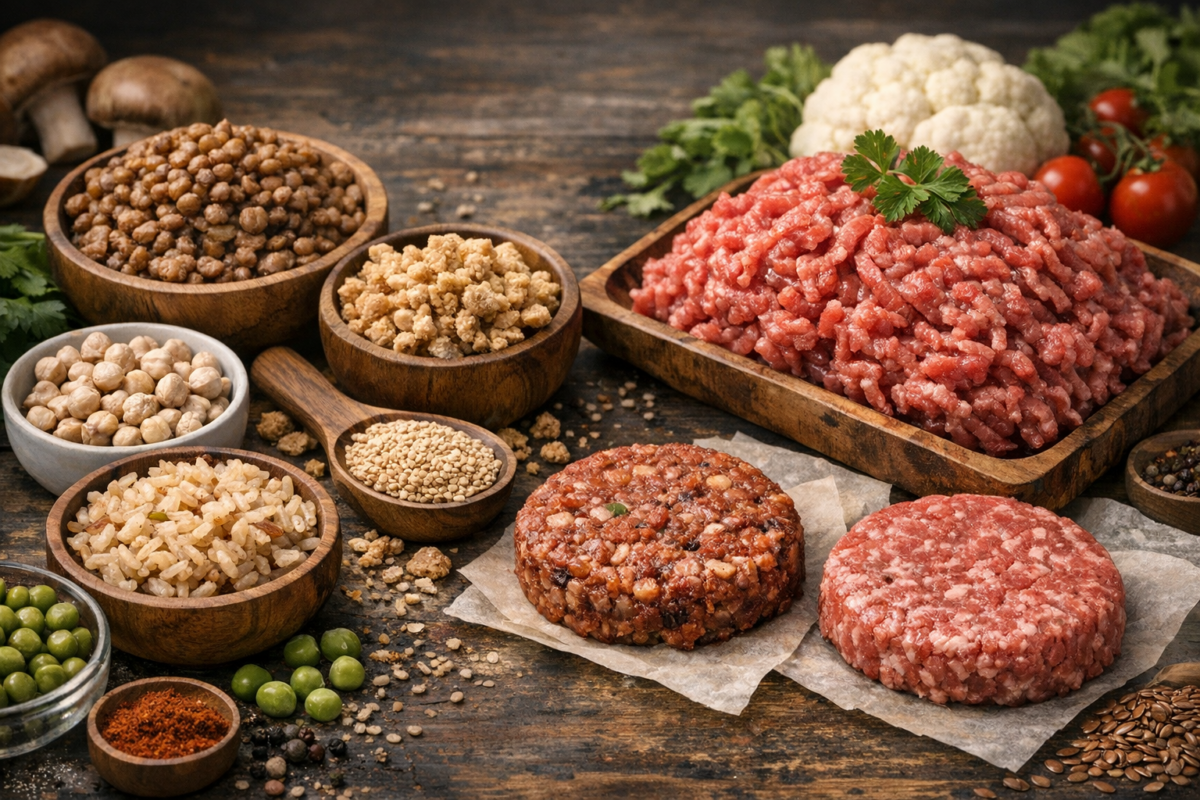
In an era where grocery budgets are stretched thin and environmental consciousness is at an all-time high, the concept of meat extenders has moved from the shadows of industrial food production into the heart of the home kitchen. Once viewed skeptically as “cheap fillers” used to pad out school lunches or low-cost canned goods, meat extenders are now recognized as a sophisticated culinary strategy. They offer a way to reduce meat consumption without sacrificing the textures and flavors we love, while simultaneously boosting the nutritional profile of our meals. This guide explores the multifaceted world of meat extenders, providing you with the knowledge to use them effectively, economically, and healthfully.
The Evolution of Meat Extenders in Modern Cooking
Historically, the use of meat extenders was born out of necessity. During periods of war or economic depression, families used whatever was on hand—often stale bread or garden vegetables—to make a small amount of meat feed a large family. This gave rise to classic comfort foods like meatloaf and meatballs. However, the modern approach to extending meat is vastly different. It is no longer just about survival; it is about choice.
Today, we see a convergence of culinary science and health advocacy. Chefs are using mushrooms to create “blended burgers” that are juicier and more flavorful than 100% beef patties. Nutritionists are encouraging the use of legumes to increase fiber intake in meat-heavy diets. Meanwhile, the rise of the “flexitarian” lifestyle has made the practice of blending plant and animal proteins a mainstream trend. Understanding meat extenders today means recognizing them as functional ingredients that can improve the moisture, texture, and nutrient density of a dish, rather than merely seeing them as a way to save a few dollars.
Why Incorporate Extenders into Your Kitchen?
The benefits of using meat extenders are three-fold: economic, nutritional, and environmental. From a financial perspective, meat is often the most expensive component of a meal. By replacing 25% to 50% of the meat with high-quality plant-based ingredients, you can significantly lower your cost per serving. This allows for the purchase of higher-quality, perhaps organic or locally sourced meat, as you are buying less of it overall.
Nutritionally, most meat extenders add essential components that meat lacks, particularly dietary fiber. Ingredients like lentils, beans, and whole grains contribute complex carbohydrates and a variety of micronutrients. Furthermore, replacing a portion of high-fat ground meat with vegetables or legumes naturally reduces the saturated fat and calorie content of the final dish. Environmentally, reducing meat consumption is one of the most impactful ways an individual can lower their carbon footprint. Meat extenders provide a bridge for those who aren’t ready to go fully vegetarian but want to participate in more sustainable eating habits.
Common Types of Plant-Based Extenders
When selecting a meat extender, the goal is to find an ingredient that mimics or complements the texture of the meat being used. Here are some of the most effective plant-based options:
- Textured Vegetable Protein (TVP): Made from defatted soy flour, TVP is a powerhouse extender. When rehydrated, its crumbly texture is remarkably similar to ground beef. It is shelf-stable, high in protein, and absorbs the flavors of the dish it is cooked in.
- Lentils: Cooked brown or green lentils are perhaps the most popular natural extender for ground beef or lamb. Their earthy flavor and soft yet firm texture blend seamlessly into tacos, sloppy joes, and pasta sauces.
- Mushrooms: Often referred to as the “meat of the vegetable world,” mushrooms contain high levels of glutamate, which provides a rich umami flavor. Finely chopped and sautéed mushrooms are the gold standard for extending burgers and meatballs because they retain moisture that meat often loses during cooking.
- Beans and Legumes: Black beans are excellent for beef-based dishes, while chickpeas or cannellini beans work well with ground chicken or turkey. Mashing them slightly helps them bind with the meat more effectively.
Using Grains and Seeds as Bulking Agents
Grains have been used as meat extenders for centuries, but modern varieties offer more than just bulk. They provide a unique structural integrity to ground meat mixtures that prevents them from becoming too dense.
Oats: Old-fashioned or quick oats are a classic addition to meatloaf. They act as a sponge, soaking up the meat juices and keeping the loaf moist. Because they are gluten-free (if certified), they are an excellent alternative to breadcrumbs for those with sensitivities.
Quinoa: This “pseudo-grain” is a nutritional powerhouse, containing all nine essential amino acids. When cooked, quinoa has a slight “pop” and a nutty flavor that adds a sophisticated texture to Mediterranean-style meatballs or stuffed peppers. Its small size allows it to disappear into the meat, making it a favorite for parents looking to boost their children’s nutrition discreetly.
Bulgur Wheat: Traditionally used in kibbeh, bulgur wheat provides a chewy, meat-like texture. It is particularly effective in spicy dishes where its slightly nutty flavor can stand up to bold seasonings. Because it is parboiled, it cooks quickly, making it a convenient option for weeknight meals.
The Role of Vegetables in Meat Extension
Vegetables are often overlooked as extenders, yet they are the most effective way to add moisture and volume without adding significant calories. The key is in the preparation—the vegetables must be finely prepared to integrate properly.
Grated Root Vegetables: Carrots, parsnips, and beets can be finely grated and folded into meat mixtures. Carrots add a subtle sweetness that balances the richness of beef, while beets provide an earthy depth and a vibrant color that can make lean meats look more appetizing. Always squeeze out excess moisture from watery vegetables like zucchini before adding them to ensure the meat mixture doesn’t become soggy.
Cauliflower: Riced cauliflower is an exceptional extender for lighter meats like ground turkey or chicken. It has a neutral flavor profile and a texture that mimics small bits of fat or cartilage, providing a satisfying mouthfeel without the actual fat content. It is particularly effective in Asian-inspired dishes, such as ginger-soy turkey meatballs.
Eggplant: Roasted and mashed eggplant has a silky, creamy texture that acts as both an extender and a binder. It is especially useful in lamb dishes, where its richness complements the distinct flavor of the meat.
Mastering the Ratios: How Much to Add?
Success with meat extenders depends on finding the right balance. Adding too much can cause the dish to fall apart or lose its “meaty” identity, while adding too little may not provide the desired cost or health benefits. As a general rule of thumb, a 25% replacement is almost undetectable. A 50% replacement is noticeable but usually very pleasant, especially if the seasonings are adjusted.
For burgers, a ratio of 70% meat to 30% extender (like chopped mushrooms or cooked quinoa) is ideal for maintaining structural integrity on the grill. For dishes served in a sauce, such as Bolognese or chili, you can push the ratio further, sometimes using up to 60% extender (like lentils or TVP) and 40% meat, as the sauce helps unify the different textures. When making meatloaf or meatballs, which rely on binders like eggs, a 50/50 split often works well, provided you include enough binding agents to hold the increased volume together.
Flavor Profiling and Seasoning Techniques
One of the challenges of using extenders is that they can dilute the intense flavor of the meat. To compensate, you must be intentional with your seasoning. Since many extenders (like grains and tofu) are neutral, they require extra help to achieve a savory profile.
Boost the Umami: Use ingredients that enhance the “savory” sense. A splash of soy sauce, Worcestershire sauce, or a tablespoon of tomato paste can bridge the gap between the meat and the extender. Liquid smoke or smoked paprika can add a “grilled” depth that is often lost when meat content is reduced.
Layer Your Aromatics: Don’t just add the extender to the raw meat. If using mushrooms or onions, sauté them first until they are deeply browned. This caramelization process creates complex flavors that permeate the entire dish. If using dry extenders like TVP, rehydrate them in beef or vegetable broth rather than plain water to infuse them with flavor from the inside out.
Practical Guidance for Implementation
Transitioning to using meat extenders doesn’t require a complete overhaul of your cooking style. Start with familiar recipes. If you usually make a pound of ground beef for taco night, try using 3/4 pound of beef and 1 cup of cooked black beans or lentils. You will likely find that the texture is more interesting and the meal more filling.
For meal prepping, meat-extended dishes often freeze and reheat better than 100% meat dishes. The plant-based components help retain moisture during the freezing process, preventing the meat from becoming dry and rubbery when microwaved. When experimenting, keep a notebook of which ratios and combinations your family prefers. You might find that while they dislike mushrooms in burgers, they love the addition of riced cauliflower in turkey chili.
Advanced Binding Strategies for High-Ratio Blends
When moving beyond the conservative 25% replacement threshold, the primary challenge shifts from flavor preservation to structural integrity. High-ratio blends—those where the extender constitutes 50% or more of the mixture—often suffer from a lack of cohesion, leading to burgers that crumble on the grill or meatballs that disintegrate in simmering sauce. To master these ratios, one must understand the science of binders. While the original meat proteins provide natural ‘glue’ through myosin denaturation, plant-based extenders often lack these specific adhesive properties. To compensate, culinary practitioners use a combination of primary and secondary binders to create a robust matrix.
Hydrocolloids and starches are the secret weapons of the high-ratio kitchen. Potato starch and tapioca flour are particularly effective because they gelatinize at relatively low temperatures, creating a sticky network that traps moisture and holds plant fibers to meat proteins. For a 50/50 beef and lentil blend, adding just two tablespoons of potato starch per pound of mixture can drastically improve the ‘snap’ of the cooked product. For those seeking a more advanced approach, methylcellulose—a plant-derived thickener used in many commercial plant-based meats—acts as a unique thermal gelling agent. Unlike most binders that soften when heated, methylcellulose firms up as it cooks, providing a meat-like resistance that is invaluable in vegan-heavy blends.
Edge cases often arise when using high-moisture extenders like grated zucchini or sautéed mushrooms. In these instances, a ‘dry-bind’ strategy is required. Instead of adding more liquid, incorporate dehydrated elements such as instant mashed potato flakes or finely ground toasted breadcrumbs. These ingredients act as desiccants, absorbing the excess water released by the vegetables during the cooking process and turning it into a savory paste that reinforces the structure. For a Mediterranean-style turkey burger using 60% riced cauliflower, a combination of one egg and a quarter-cup of chickpea flour provides both the protein-based coagulation and the starch-based absorption needed to keep the patty intact under high heat.
Cultural Heritage and Global Meat-Stretching Techniques
While modern meat extension is often framed through the lens of health or sustainability, global culinary traditions have utilized these techniques for centuries to create some of the world’s most iconic dishes. Studying these traditional methods provides a roadmap for achieving superior flavor profiles. In the Middle East, the art of the kofta or kibbeh relies heavily on bulgur wheat or nuts. The traditional kibbeh nayyeh uses a high ratio of fine bulgur to lean lamb, where the grain is not just a filler but a texture-defining element that provides a pleasant chew and absorbs the aromatic spices and olive oil far better than meat alone could.
In Southeast Asian cuisines, tofu and tempeh are frequently used as ‘co-stars’ rather than substitutes. In Indonesian semur (a type of meat stew), it is common to find beef chunks braised alongside hard-boiled eggs and fried tofu. The tofu acts as a sponge for the sweet soy and nutmeg-based gravy, effectively doubling the volume of the dish while providing a contrasting texture that makes the meat feel more indulgent. Similarly, in Japanese hamburg steaks, the inclusion of panko and silken tofu is a standard technique to achieve a level of tenderness and juiciness that 100% beef cannot provide. The tofu introduces moisture that doesn’t cook out, ensuring the steak remains succulent even if slightly overcooked.
Latin American kitchens often utilize the ‘sofrito’ method as a precursor to meat extension. By starting with a large volume of finely diced aromatics—onions, peppers, garlic, and tomatoes—and cooking them down into a concentrated paste before adding ground meat, the cook creates a flavor base that can support a significant amount of added bulk. In many traditional picadillo recipes, the meat is further extended with small-diced potatoes and raisins. The potatoes absorb the fat and juices from the meat, becoming ‘meat-flavored’ themselves, which allows a small amount of expensive protein to satisfy a large group without the diners feeling deprived of the meat experience.
Protein-Specific Strategies: Tailoring Extenders for Poultry and Seafood
The original guide focused heavily on red meat, but extending poultry and seafood requires a more nuanced approach due to their lighter flavors and delicate textures. Ground turkey and chicken are notoriously prone to drying out because of their low fat content. When extending these white meats, the goal is to introduce ‘internal basting’ agents. Pureed white beans (like cannellini or navy beans) are the premier choice here. Their creamy consistency mimics the mouthfeel of animal fat, and their neutral color ensures the final dish looks like pure poultry. For a chicken burger, a 30% addition of pureed white beans mixed with chopped fresh herbs can actually result in a juicier product than a standard 100% chicken patty.
Seafood extension is a burgeoning field, particularly as the cost of shrimp and white fish rises. The ‘surimi’ concept—where fish protein is pulverized and mixed with starches—can be replicated at home on a smaller scale. To extend shrimp cakes or crab cakes, hearts of palm or canned artichoke hearts are revolutionary. When pulsed in a food processor, their fibrous, flaky texture closely resembles crab meat or chopped shrimp. A ratio of 60% seafood to 40% artichoke heart, bound with a small amount of mayonnaise and mustard, creates a cake that feels substantial and luxurious. The acidity of the artichokes also serves to brighten the seafood flavors, reducing the need for heavy seasoning.
For ground pork, which sits between the richness of beef and the lightness of poultry, the best extenders are those that lean into the meat’s inherent sweetness. Finely diced apples or rehydrated dried apricots, when used in a 15-20% ratio, provide a sophisticated flavor profile for sausages or meatballs. If a more savory direction is desired, fermented foods like finely chopped kimchi or sauerkraut can act as both an extender and a tenderizer. The lactic acid in fermented vegetables helps break down the pork proteins, resulting in a softer texture, while the vegetables themselves provide a punchy, umami-rich bulk that stands up to the pork’s fat content.
Mimicking the Sensory Experience: Fat, Juice, and Mouthfeel
The psychological satisfaction of eating meat comes largely from the ‘mouthfeel’—the combination of fat, moisture, and the resistance of the fibers. When we replace meat with plant-based extenders, we often lose the lubricating quality of animal fat. To bridge this gap, one must employ ‘fat mimicry’ techniques. For lean meat blends, incorporating a small amount of healthy, high-smoke-point oils, such as avocado oil or grapeseed oil, directly into the extender (like TVP or quinoa) before mixing it with the meat can simulate the presence of intramuscular fat. The oil coats the plant fibers, preventing them from feeling dry or ‘woody’ in the mouth.
Another sophisticated technique involves the use of fruit purees that contain specific enzymes. Unsweetened applesauce or mashed roasted eggplant can provide a ‘slickness’ that mimics the sensation of melted fat. In beef-based recipes, a tablespoon of unsweetened cocoa powder or a teaspoon of instant espresso can be added to the extender. While these don’t add bulk, they deepen the color and enhance the perception of richness, making a 50% extended burger look and feel like a high-fat, 80/20 commercial blend. The goal is to fool the palate into perceiving more richness than is actually present.
Moisture retention is the second pillar of mouthfeel. The ‘panade’—a mixture of bread and liquid—is the classic example, but it can be modernized. Using a ‘gelled’ liquid, such as a strong beef or vegetable stock thickened with a small amount of gelatin (or agar-agar for vegetarians), adds a succulent, lip-smacking quality to the meat. When this gelled stock is mixed into an extender like cooked lentils, it stays solid at room temperature but melts into a savory juice during cooking. This prevents the ‘dry crumble’ effect often associated with meat-extended dishes and ensures that every bite releases a burst of flavor similar to a high-quality, bone-in cut of meat.
Nutritional Bioavailability and Ingredient Synergy
While the health benefits of meat extenders are clear, it is important to consider the nutritional synergy of the ingredients. Combining certain plant extenders with animal proteins can actually enhance the bioavailability of nutrients. For instance, the heme iron found in beef is more easily absorbed by the body than the non-heme iron found in lentils or spinach. However, when meat and plants are eaten together, the ‘meat factor’ (a term used by nutritionists) helps the body absorb more of the plant-based iron. By blending beef with lentils, you are not just adding fiber; you are making the iron in the lentils more effective.
Amino acid profiling is another critical consideration for those using meat extenders as a primary protein source. While meat is a complete protein, many extenders are not. By pairing specific grains with specific legumes as your meat extenders—such as rice and beans or corn and soy—you create a complete amino acid profile within the extender itself. This ensures that even in a dish where meat is reduced to only 30% of the total volume, the meal remains a high-quality protein source. This is particularly important for athletes or growing children who require a full spectrum of essential amino acids for muscle repair and development.
One must also be mindful of ‘anti-nutrients’ like phytic acid, which is found in many grains and legumes used as extenders. Phytic acid can bind to minerals like zinc and calcium, preventing their absorption. To mitigate this, consider using traditional preparation methods for your extenders: soaking dried beans for 24 hours before cooking, or using sprouted grains and fermented soy products like tempeh. These processes neutralize much of the phytic acid, turning your meat-extended meal into a nutritional powerhouse. Furthermore, adding a source of Vitamin C—such as diced bell peppers or a squeeze of lime—to your extended meat dishes can further boost iron absorption, creating a synergistic effect that makes the blended meal nutritionally superior to a meat-only dish.
The Frontier of Upcycled and Industrial Byproduct Extenders
As the ‘zero-waste’ movement gains traction, a new category of meat extenders is emerging: upcycled food products. These are ingredients that were once considered waste but are now recognized for their culinary and nutritional value. One of the most promising is ‘okara,’ the pulpy byproduct of soy milk and tofu production. Okara is almost flavorless, high in fiber, and has a crumbly texture that integrates perfectly into ground poultry or pork. Because it has already been processed, it is incredibly easy to use and absorbs the seasonings of the meat dish without altering the cooking time. Many artisanal tofu makers now sell okara, or it can be made at home by those who produce their own soy milk.
Spent brewer’s grain is another innovative extender gaining popularity in home kitchens located near craft breweries. After the sugars are extracted from barley for beer, the remaining grain is a high-fiber, high-protein material with a deep, toasted flavor. When dried and ground, it can be used as a 20% replacement for meat in hearty dishes like chili or beef stew. It provides a unique ‘malty’ undertone that pairs exceptionally well with the Maillard reaction products of seared beef. Similarly, the pulp left over from vegetable juicing—particularly carrot, celery, and beet pulp—is an ideal, pre-shredded extender. Since the juice has been removed, the pulp is dry enough to be added directly to meat without making it soggy, and it provides a massive boost of concentrated phytonutrients.
Frequently Asked Questions
1. Are meat extenders safe for people with allergies?
It depends entirely on the extender used. Many common extenders are major allergens. TVP and tofu are soy-based, while breadcrumbs, bulgur, and some oats contain gluten. If you are cooking for someone with allergies, vegetables like carrots, mushrooms, and cauliflower, or legumes like lentils and beans, are generally the safest and most nutritious options. Always check labels on processed extenders for hidden additives.
2. Do meat extenders change the cooking time of the meat?
Generally, no, but they can change how you monitor doneness. Because many extenders (like mushrooms or zucchini) hold a lot of moisture, the meat may appear “wet” even when it is fully cooked. It is always best to use a meat thermometer to ensure the internal temperature of the meat portion has reached safety standards (e.g., 160°F for ground beef, 165°F for poultry), rather than relying solely on visual cues.
3. Can I use meat extenders in whole cuts of meat like steak or chicken breast?
Meat extenders are primarily designed for ground meat or finely chopped meat dishes. It is difficult to “extend” a whole steak. However, you can use a similar philosophy by practicing “meat as a condiment.” This involves slicing a smaller portion of steak and serving it atop a large bed of extended grains (like a mushroom-barley pilaf) or hearty roasted vegetables, allowing the meat’s flavor to lead the dish while the bulk comes from plants.
4. Will using extenders make my meat dishes taste “vegetably”?
If done correctly, the extender should enhance rather than overpower the meat. The key is the “fineness” of the chop. If you finely mince mushrooms or grate carrots on a microplane, they will integrate into the meat’s texture. If you leave large chunks, the flavors will remain distinct. Using umami-rich seasonings also helps to unify the flavors so that the final product simply tastes like a more succulent version of the original meat dish.
5. Are store-bought “blended” meats better than making my own?
Many grocery stores now sell pre-blended patties (e.g., beef and mushroom blends). These are convenient and usually formulated by food scientists to have the perfect texture. However, making your own is almost always more cost-effective and gives you complete control over the ingredients. Store-bought versions may contain higher levels of sodium or preservatives to maintain shelf life, whereas home-blended meats can be kept pure and seasoned to your specific dietary needs.
Related posts:
 TGI Friday’s Just Started Serving Beyond Meat and Everything Has Changed
 Essential Vegan Pantry Staples Every Plant-Based Kitchen Needs
 Delicious Ground Chicken Recipes
 The Meat Blend Trend That’s Taking Over Grocery Stores
 Vegetarian Main Dishes for Thanksgiving
 High-Protein Foods That Pack a Serious Nutritional Punch
 Beyond Breakfast: The Plant-Based Sausage That’s Changing the Morning Game
 Vegan vs Plant-Based: Which is Healthier?