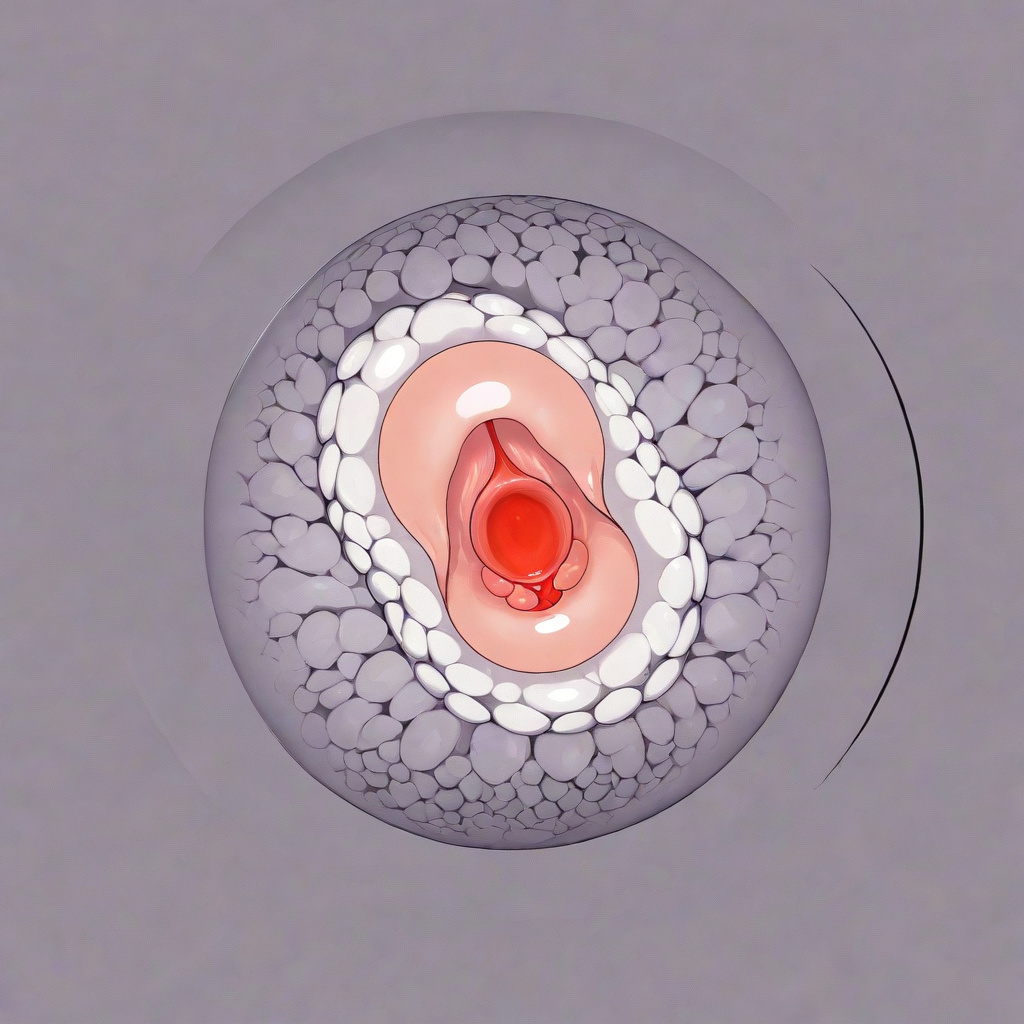
Ovulation is a complex physiological event in the menstrual cycle, yet for many, it is accompanied by physical sensations that range from mild awareness to sharp discomfort. Often referred to as mittelschmerz—a German term meaning “middle pain”—this sensation occurs when an egg is released from the ovary. While generally considered a normal part of the cycle, understanding why it happens and when it warrants medical attention is essential for reproductive health literacy.
What is Mittelschmerz and Why Does It Occur?
Mittelschmerz refers to one-sided, lower abdominal or pelvic pain that occurs in the middle of the menstrual cycle. The term is derived from the German words “mittel” (middle) and “schmerz” (pain). In a typical 28-day cycle, ovulation usually takes place around day 14. Before the egg is released, the follicles within the ovary grow. This growth can stretch the surface of the ovary, causing a dull ache. During the actual release of the egg, a small amount of fluid or blood may be expelled from the follicle. This fluid can irritate the lining of the abdominal cavity, known as the peritoneum, leading to a sudden, sharper sensation of pain.
Identifying the Physical Sensations of Ovulation
The sensation of ovulation varies significantly from person to person. Some individuals experience a mild twinge or a “popping” sensation, while others report a cramping feeling similar to menstrual period pain. The pain is typically localized to one side of the lower abdomen, depending on which ovary is releasing the egg that month. Because the ovaries often alternate, the pain may shift sides from one cycle to the next. The duration of this pain can range from a few minutes to several hours, and in rarer cases, it may persist for a day or two. Recognizing these patterns helps in distinguishing ovulation pain from other gastrointestinal or gynecological issues.
Distinguishing Ovulation Pain from Other Pelvic Issues
Because the lower abdomen houses several vital organs, it is important to distinguish ovulation pain from other conditions. Appendicitis, for example, typically presents with pain that starts near the navel and moves to the lower right side, often accompanied by fever, nausea, or vomiting. Ovarian cysts can also cause pelvic pain, but this discomfort is often more persistent and may not align strictly with the middle of the cycle. Endometriosis or pelvic inflammatory disease (PID) can cause chronic pain that does not necessarily follow a predictable monthly pattern. If the pain is severe, accompanied by a high fever, or causes difficulty with urination, it is likely not related to ovulation and requires professional assessment.
Tracking Your Cycle to Predict Discomfort
One of the most effective ways to manage ovulation pain is to understand your unique cycle. Tracking tools, such as mobile apps, paper calendars, or basal body temperature charts, can help you correlate specific sensations with your fertile window. By logging the timing and intensity of the pain, you can gain insight into your body’s rhythm. If you notice that the pain occurs consistently around the same time each month, you can prepare by practicing self-care techniques before the discomfort begins. This data is also invaluable when consulting with a healthcare provider, as it provides a clear record of your symptoms over several months.
Practical Self-Care Strategies for Relief
For most people, ovulation pain is mild and manageable with home remedies. Heat therapy is often the first line of defense; applying a heating pad or a warm water bottle to the lower abdomen can help relax the pelvic muscles and increase blood flow, thereby reducing cramping. Over-the-counter pain relievers, such as ibuprofen or naproxen, can be effective in reducing inflammation associated with the release of follicular fluid. However, if you are actively trying to conceive, it is advisable to consult with your doctor before taking non-steroidal anti-inflammatory drugs (NSAIDs), as some studies suggest they may interfere with ovulation. Gentle movement, such as walking or restorative yoga, can also help alleviate tension in the pelvic floor.
When to Seek Professional Medical Advice
While mittelschmerz is usually harmless, there are red flags that necessitate a visit to a gynecologist. Seek medical attention if you experience severe pain that prevents you from performing daily activities, pain that lasts longer than 48 hours, or if the pain is accompanied by unusual vaginal bleeding. Furthermore, if you experience dizziness, nausea, fever, or pain during urination or bowel movements, these could be signs of an underlying issue such as an ectopic pregnancy, an ovarian torsion, or an infection. Always prioritize your intuition; if the pain feels different than what you are accustomed to, it is better to seek an evaluation for peace of mind.
Lifestyle Factors and Hormonal Balance
The severity of ovulation pain can sometimes be influenced by broader lifestyle factors. High levels of stress can impact the endocrine system, potentially making physical symptoms of the cycle more pronounced. Maintaining a balanced diet rich in anti-inflammatory foods—such as those containing omega-3 fatty acids, leafy greens, and antioxidants—may help support hormonal health and potentially reduce the intensity of cyclic pain. Adequate hydration is also crucial for overall pelvic health. By supporting your body’s natural processes through consistent sleep, balanced nutrition, and stress management, you may find that the physical sensations of your cycle become less disruptive over time.
The Role of Hormonal Contraception
For individuals who find ovulation pain significantly disruptive, hormonal contraception is a common medical intervention. Methods such as the combined oral contraceptive pill, the patch, or the ring work primarily by suppressing ovulation. If the egg is not released, the physical symptoms associated with the rupture of the follicle do not occur. This is often the most effective way to eliminate ovulation pain entirely. However, deciding to use hormonal contraception is a personal choice that should be made in consultation with a healthcare provider, taking into account your reproductive goals, medical history, and potential side effects.
Anatomical Influences and Pelvic Floor Tension
Beyond the immediate follicular rupture, the pelvic floor plays a significant role in how ovulation pain is perceived. The pelvic floor is a complex network of muscles that support the bladder, uterus, and bowels. When the peritoneum is irritated by follicular fluid, the body often responds with a protective reflex: the pelvic floor muscles may tighten or spasm in anticipation of or in response to that internal irritation. This secondary muscular tension can turn a localized, sharp twinge into a more generalized, aching pelvic pressure. Individuals who already experience hypertonic pelvic floor dysfunction—a condition where these muscles are chronically tight—may find that ovulation serves as a trigger for a more widespread flare-up, making the sensation feel more intense or prolonged than it might for others.
The Biochemical Cascade: Prostaglandins and Inflammation
The sensation of pain during ovulation is not merely mechanical; it is also chemically driven. As the follicle prepares to rupture, the body releases a surge of prostaglandins. These lipid compounds are essential for the physical process of ovulation, as they help break down the wall of the follicle to allow the egg to exit. However, prostaglandins are also notorious for causing muscle contractions and inflammation. In some individuals, a higher concentration of these chemicals at the site of the ovary can heighten the pain response. This is essentially the same chemical mechanism responsible for menstrual cramps, explaining why some people describe ovulation pain as feeling like a “mini-period.” Understanding this link can help explain why anti-inflammatory measures are often effective, as they directly target the prostaglandin pathway.
Navigating Ovulation Pain During Perimenopause
As individuals approach the transition into menopause, the hormonal landscape of the menstrual cycle begins to shift significantly. During perimenopause, ovulation becomes less predictable, and the hormonal surges—specifically the luteinizing hormone (LH) spike—can become erratic. This can lead to “follicular recruitment” issues where multiple follicles attempt to grow but fail to rupture, or where a single follicle grows for an extended period, leading to persistent, low-grade discomfort that lasts for several days rather than a few hours. Because hormone levels are fluctuating wildly, the physical sensation of ovulation may feel different than it did in younger years. If you notice a sudden increase in the frequency or intensity of mid-cycle pain during your late 30s or 40s, it is often a reflection of these shifting hormonal dynamics rather than a sign of a new pathology.
The Impact of Physical Anatomy and Ovarian Positioning
Not every ovary is positioned in the same way, and anatomical variations can influence how ovulation feels. Some individuals have a “tilted” or retroverted uterus, which can change the spatial relationship between the ovaries and the abdominal wall. If an ovary is positioned closer to the pelvic nerves or is situated in a way that causes the released fluid to pool in a specific area of the pelvic cavity, the pain may be more pronounced. Furthermore, the presence of minor adhesions—scar tissue from past abdominal surgeries, appendectomies, or even minor infections—can “tether” the ovary or fallopian tube, making the stretching of the ovary during follicular growth more noticeable. These anatomical nuances mean that one person’s “normal” ovulation pain might be entirely different from another’s, purely based on their internal pelvic geography.
Diagnostic Imaging and When to Look Deeper
If ovulation pain becomes a recurring source of distress, a healthcare provider may suggest diagnostic imaging, most commonly a pelvic ultrasound. It is important to note that an ultrasound performed at the wrong time in the cycle may show nothing, as the follicle is only visible for a short window. A transvaginal ultrasound is the gold standard for visualizing the ovaries and the surrounding area. It can help identify if the pain is truly related to the follicle or if there is an underlying issue like a corpus luteum cyst. A corpus luteum is the structure that remains after the egg is released; it is supposed to produce progesterone, but sometimes it fills with fluid and becomes enlarged, causing persistent pain that extends well into the luteal phase of the cycle. Distinguishing between standard ovulation pain and a cystic response can help refine your management plan.
The Connection Between Gut Health and Pelvic Discomfort
There is a strong neurological and physical link between the pelvic organs and the digestive system. The ovaries sit in close proximity to the sigmoid colon and the appendix. Inflammation caused by ovulation can occasionally trigger a sympathetic response in the nearby bowel, leading to bloating, changes in bowel habits, or increased gas during the middle of the cycle. This is often why people mistake ovulation pain for food poisoning or IBS. To differentiate these, track your bowel movements alongside your cycle. If the pain is strictly correlated with the timing of your LH surge (which you can track with home ovulation kits), it is likely gynecological. If the discomfort is accompanied by significant diarrhea or constipation that lasts long after the ovulation window has closed, it may indicate that your digestive system is being sensitized by the pelvic inflammation, warranting a conversation with a gastroenterologist.
Frequently Asked Questions
Is it normal for ovulation pain to switch sides every month? Yes, it is common. Ovaries typically take turns releasing an egg, so the pain may manifest on the left side one month and the right side the next, or you may not feel pain at all in some cycles.
Can ovulation pain be a sign of fertility issues? Generally, no. Mittelschmerz is a normal physiological process. However, if the pain is chronic or severe, it may be associated with conditions like endometriosis or adhesions that could impact fertility, which is why persistent pain should be investigated.
How long should ovulation pain typically last? Most people experience this discomfort for a few minutes to a few hours. In some cases, it can linger for 24 to 48 hours, but it should dissipate as the egg travels down the fallopian tube.
Should I avoid exercise when I have ovulation pain? You do not need to avoid exercise, but you should listen to your body. If high-intensity workouts exacerbate the pain, consider switching to gentle activities like walking, stretching, or swimming until the discomfort subsides.
Are there any natural supplements that help with ovulation pain? While some people find relief with magnesium supplements or herbal teas like ginger or chamomile due to their anti-inflammatory and muscle-relaxing properties, you should always check with a healthcare provider before starting any new supplement regimen to ensure it does not interfere with your cycle or other medications.
Related posts:
 Understanding Blood Clots During Periods
 Hilaria Baldwin’s Pelvic Floor Exercises
 Perfect Hard-Boiled Eggs: A Simple Guide
 Pelvic Floor and Weight Lifting
 11. What to Expect During Pelvic Floor Therapy
 Activating Your Pelvic Floor
 Meet the Woman Making Periods Safer for Everyone
 Pelvic Floor and Constipation