
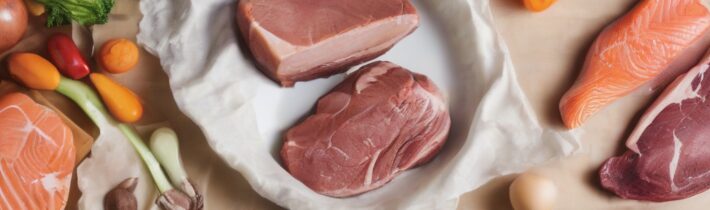
What is the Paleo Diet?
The Paleo diet, short for Paleolithic diet, is an eating plan inspired by the foods our ancient ancestors likely consumed. Also known as the caveman diet or stone-age diet, it focuses on whole, unprocessed foods that would have been available to hunter-gatherer societies. While the Paleo diet has gained popularity in recent years, it’s important to approach it with a balanced perspective, focusing on overall health and wellbeing rather than strict rules.
Key Principles of the Paleo Diet
The Paleo diet emphasizes:
- Lean meats, fish, and seafood
- Fruits and vegetables
- Nuts and seeds
- Healthy fats from sources like avocados and olive oil
It typically excludes:
- Grains
- Legumes
- Dairy products
- Processed foods and refined sugars
While these guidelines form the basis of the Paleo diet, it’s essential to remember that our bodies and nutritional needs have evolved. The most compassionate approach is to listen to your body and adapt the diet to suit your individual needs and values.
Potential Benefits of the Paleo Diet
Many people report positive effects from following a Paleo-inspired eating plan:
- Increased energy levels
- Better digestion
- Improved skin health
- Weight management
- Reduced inflammation
However, it’s important to note that these benefits can often be achieved through any well-balanced, whole-food-based diet. The key is finding an approach that works for you and makes you feel your best.
Mindful Adaptation of Paleo Principles
Rather than adhering strictly to Paleo rules, consider adopting its core principles in a way that aligns with your lifestyle and values:
- Focus on whole foods: Emphasize fresh, minimally processed ingredients.
- Listen to your body: Pay attention to how different foods make you feel.
- Embrace variety: Enjoy a wide range of nutrient-dense foods.
- Cook at home: Prepare meals using wholesome ingredients.
- Practice mindful eating: Savor your food and eat with awareness.
Remember, the goal is not to replicate exactly what our ancestors ate, but to nourish our bodies with wholesome foods that make us feel our best.
Balancing Paleo with Modern Nutritional Knowledge
While the Paleo diet has its merits, it’s crucial to consider modern nutritional science and individual needs. Some considerations include:
- Calcium sources: If excluding dairy, ensure adequate calcium intake from other sources like leafy greens and fortified plant-based milks.
- Fiber intake: Without grains and legumes, focus on getting enough fiber from fruits, vegetables, and nuts.
- Plant-based proteins: For those who prefer to limit animal products, consider incorporating some legumes or plant-based proteins, even if they’re not strictly Paleo.
- Sustainability: Choose sustainably sourced animal products and consider the environmental impact of your food choices.
The key is to create a balanced, nutrient-rich diet that supports your health and aligns with your personal values.
FAQ: Common Questions About the Paleo Diet
1. Is the Paleo diet suitable for everyone?
While many people can benefit from Paleo principles, it may not be suitable for everyone. Consult with a healthcare professional or registered dietitian before making significant changes to your diet, especially if you have any health conditions or dietary restrictions.
2. Can I follow a Paleo diet if I’m vegetarian or vegan?
Strict Paleo diets can be challenging for vegetarians or vegans due to the emphasis on animal products. However, you can adapt Paleo principles to a plant-based diet by focusing on fruits, vegetables, nuts, and seeds, and including plant-based proteins like legumes if they agree with you.
3. Will I lose weight on the Paleo diet?
Many people do experience weight loss when switching to a Paleo-style diet, often due to the elimination of processed foods and increased consumption of whole foods. However, weight loss is not guaranteed and depends on various factors including overall calorie intake and individual metabolism.
4. Are there any risks associated with the Paleo diet?
Potential risks include nutrient deficiencies (particularly calcium and vitamin D if dairy is eliminated), excessive saturated fat intake if consuming large amounts of animal products, and difficulty maintaining the diet long-term. It’s important to ensure a balanced intake of nutrients and listen to your body’s needs.
5. How can I make the Paleo diet more sustainable and environmentally friendly?
Choose locally sourced, organic produce when possible. Opt for sustainably raised animal products or wild-caught fish. Consider incorporating some plant-based meals and reducing meat consumption. Remember, small changes can make a big difference in reducing your environmental impact.
Embracing a Compassionate Approach to Eating
Ultimately, the most important aspect of any diet is how it makes you feel – both physically and emotionally. Whether you choose to follow Paleo principles strictly, adapt them to suit your needs, or simply incorporate some of its ideas into your current eating habits, approach your food choices with kindness and self-compassion.
Remember that food is not just fuel, but also a source of pleasure, cultural connection, and sometimes comfort. Honor your body’s needs, enjoy your meals, and cultivate a positive relationship with food. By focusing on nourishing your body with wholesome foods that make you feel good, you’re taking a significant step towards overall health and wellbeing.
The journey to finding the right balance in your diet is personal and often evolving. Be patient with yourself, stay curious, and remain open to adjusting your approach as you learn more about your body’s unique needs. With mindfulness and compassion, you can create an eating pattern that supports your health, aligns with your values, and brings joy to your life.
Related posts:
 Paleo Diet Macro Breakdown
 5 Surprising Foods That Are Forbidden by the Paleo Diet
 7-Day Paleo Meal Plan
 Plant-Based Diet Starter Guide
 Combining Vegan and Paleo Diets
 Wait, Are You Vegan—Or Are You Plant-Based? Learn the Difference…
 Easy Paleo Slow Cooker Recipes
 8 Quick and Easy Paleo Food Swaps to Try Tonight