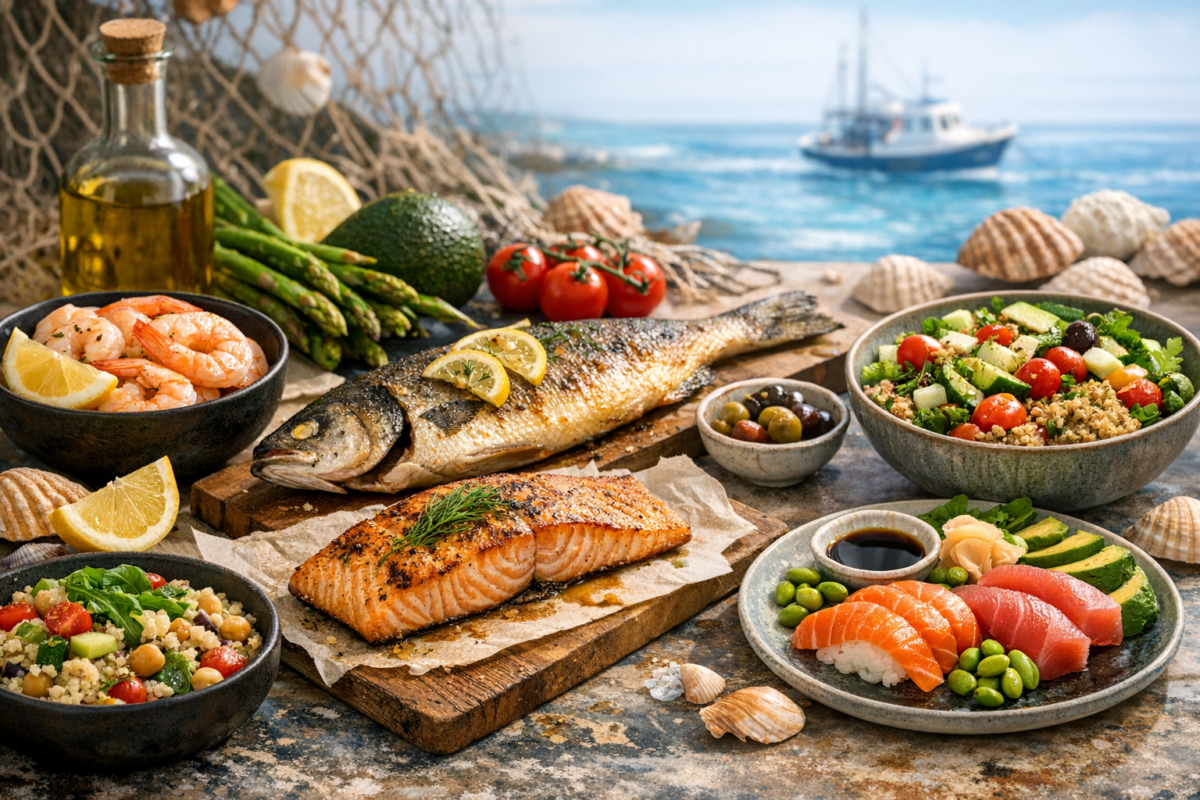
The pescatarian lifestyle is often viewed as a middle ground between a traditional omnivorous diet and a strict vegetarian regimen. By prioritizing plant-based foods while incorporating seafood as the primary source of animal protein, many individuals find a sustainable way to nourish their bodies. This approach offers a unique blend of heart-healthy omega-3 fatty acids, diverse plant nutrients, and a significant reduction in the environmental footprint typically associated with land-based meat consumption.
Key takeaways
- Prioritize whole, minimally processed plant foods like legumes, grains, and vegetables alongside two servings of seafood per week.
- Select sustainable, low-mercury fish such as sardines, salmon, or mackerel to minimize environmental impact and toxin exposure.
- Boost plant-based nutrient absorption by pairing non-heme iron sources like lentils with vitamin C-rich foods like citrus.
- Use budget-friendly options like frozen, flash-frozen, or tinned fish to maintain a cost-effective and nutritious pantry.
- Incorporate fermented foods like kimchi or miso to support gut health and enhance the savory flavors of plant-based meals.
The Core Principles of the Pescatarian Diet
At its heart, the pescatarian diet is defined by what it includes and what it excludes. A pescatarian eats a primarily vegetarian diet consisting of vegetables, fruits, legumes, grains, nuts, and seeds, while intentionally adding fish and shellfish. Unlike a flexitarian diet, which may include occasional servings of poultry or red meat, a pescatarian excludes all land animals. This distinction is crucial for those who choose this path for ethical, environmental, or health-related reasons. The focus remains on whole, minimally processed foods, allowing for a wide range of culinary creativity that emphasizes fresh produce alongside sustainable seafood choices.
Nutritional Advantages of Adding Seafood
One of the primary benefits of the pescatarian diet is the intake of high-quality protein and essential fatty acids. Fish, particularly fatty varieties like salmon, mackerel, sardines, and anchovies, are rich in omega-3 fatty acids, specifically EPA and DHA. These nutrients are vital for cardiovascular health, cognitive function, and reducing inflammation throughout the body. By replacing red and processed meats with fish, pescatarians often reduce their intake of saturated fats and cholesterol, which can contribute to better long-term heart health. Furthermore, seafood provides essential minerals such as iodine, zinc, and selenium, which are sometimes lacking in purely plant-based diets.
Navigating Sustainability and Ethical Sourcing
Sustainability is a cornerstone of the modern pescatarian lifestyle. Because industrial fishing can have significant environmental impacts, informed pescatarians prioritize “sustainable seafood.” This means choosing species that are harvested in ways that do not deplete the population or harm the surrounding marine ecosystem. Organizations like the Marine Stewardship Council (MSC) and the Monterey Bay Aquarium Seafood Watch provide guidance on which fish are currently abundant and caught responsibly. Eating lower on the food chain—such as opting for smaller fish like sardines or mollusks like mussels and clams—is generally more environmentally friendly than consuming large predatory fish like tuna or swordfish, which may carry higher levels of mercury and have longer life cycles.
Building a Balanced Plate: Plant-Based Foundations
While fish provides a nutritional boost, it should not be the sole focus of every meal. A well-rounded pescatarian diet relies heavily on plant-based staples. Legumes, such as lentils, chickpeas, and black beans, provide essential fiber and plant-based protein. Whole grains like quinoa, farro, and brown rice offer complex carbohydrates for sustained energy. Incorporating a rainbow of vegetables ensures a wide spectrum of vitamins, antioxidants, and phytonutrients. By centering meals around plants and using seafood as a complementary protein source rather than the main event at every sitting, pescatarians can achieve a nutrient-dense and highly varied dietary pattern.
Addressing Potential Nutrient Gaps
Transitioning to a pescatarian diet requires a mindful approach to certain nutrients. While fish is an excellent source of vitamin B12, those who significantly limit their fish intake should remain vigilant about their B12 status, as it is primarily found in animal products. Iron is another consideration; while plant-based iron sources like spinach and lentils are valuable, they are non-heme iron, which is less efficiently absorbed by the body. Pairing these foods with vitamin C-rich sources, such as bell peppers or citrus, can enhance absorption. Regular blood work and consultation with a healthcare provider can help determine if supplementation, such as vitamin D or B12, is necessary based on individual health markers.
Practical Meal Planning for the Busy Household
Adopting a pescatarian lifestyle does not have to be time-consuming or expensive. Simple strategies, such as “Meatless Mondays” transitioning into “Seafood Saturdays,” can help structure your week. Batch-cooking grains and roasting large trays of seasonal vegetables on the weekend provides a foundation for quick assembly during the week. For example, a batch of quinoa can be turned into a Mediterranean bowl with chickpeas, cucumbers, and canned sardines in olive oil for a quick lunch. Tinned fish, such as wild-caught salmon or mackerel, is a pantry staple that is both affordable and shelf-stable, making it an excellent option for busy evenings when fresh cooking isn’t feasible.
Managing Mercury and Environmental Contaminants
When consuming seafood regularly, it is important to be aware of mercury levels. Mercury is a heavy metal that accumulates in the tissues of predatory fish. As a general rule, the larger and longer-lived the fish, the higher its mercury content. It is advisable to limit consumption of high-mercury species such as shark, swordfish, king mackerel, and tilefish. Instead, focus on low-mercury options like salmon, shrimp, pollock, tilapia, and canned light tuna. Pregnant women and young children should be particularly cautious and follow specific guidelines provided by national health authorities regarding safe fish consumption limits to ensure optimal development.
Transitioning and Maintaining Long-Term Success
The most successful dietary changes are those that are sustainable and gradual. If you are currently an omnivore, you might start by replacing red meat with legumes or fish one or two days a week. Pay attention to how your body feels and adjust your intake accordingly. Explore new cuisines that naturally lean toward pescatarianism, such as Mediterranean, Japanese, or Scandinavian cooking, which offer a wealth of recipes that highlight fresh produce and seafood. Remember that the goal is not perfection, but rather fostering a healthier relationship with food that respects both your body and the environment.
Optimizing Culinary Techniques for Seafood
Mastering the pescatarian lifestyle requires moving beyond basic pan-searing. Because you are relying on fish as a primary protein, learning how to handle different textures is essential to prevent palate fatigue. For instance, delicate white fish like cod or tilapia benefit from parchment paper cooking (en papillote), which steams the fish in its own juices alongside aromatics, ensuring it remains succulent without requiring excess oil. Conversely, robust, oily fish like mackerel or bluefish stand up well to high-heat methods such as broiling or grilling, which help balance their richer, stronger flavors. Don’t overlook the utility of poaching in flavorful liquids—such as coconut milk, ginger-infused vegetable broth, or tomato-based sauces—which infuses the fish with deep flavor while keeping it moist. By diversifying your cooking repertoire, you transform seafood from a simple protein source into a versatile culinary centerpiece.
The Role of Fermented Foods and Gut Health
While seafood provides essential proteins, a truly robust pescatarian diet thrives on a healthy gut microbiome, which is particularly vital for maximizing nutrient absorption from plant-based iron and calcium sources. Integrating fermented foods like kimchi, sauerkraut, miso, and tempeh serves a dual purpose: they act as natural probiotics and often provide a savory, umami-rich punch that can replicate the satisfaction of meat. Miso paste, in particular, is a game-changer for pescatarians; a simple glaze of miso and maple syrup on salmon or a teaspoon stirred into a vegetable-heavy lentil soup adds a depth of flavor that feels substantial and complex. Prioritizing these fermented staples ensures that the high fiber intake from your plant-based foundations is balanced with the beneficial bacteria necessary for efficient digestion and systemic health.
Navigating Social Situations and Dining Out
One of the most common hurdles for new pescatarians is the social aspect of dining. When navigating menus, the strategy should be to look for the “sides” section of the menu to build a main, rather than relying solely on the fish entrees, which are often prepared with heavy creams or excessive butter. Many high-end restaurants now offer “composed” vegetable plates that can be supplemented with a side of grilled shrimp or catch-of-the-day fish. When attending social gatherings or dinner parties, it is helpful to offer to bring a dish that aligns with your dietary needs—such as a quinoa salad with smoked trout or a hearty bean and artichoke dip. This removes the burden from the host and ensures you have a nutrient-dense option to anchor your meal. Being proactive rather than reactive in social settings reduces the anxiety of conforming to traditional menu structures.
Budget-Conscious Sourcing Beyond the Fresh Counter
The perception that a pescatarian diet is prohibitively expensive often stems from a focus on fresh, premium fillets. To maintain this lifestyle long-term, expand your sourcing to include high-quality frozen seafood. Modern flash-freezing technology at the point of harvest preserves the nutritional profile and texture of fish just as effectively as fresh options, often at a fraction of the cost. Furthermore, consider the “whole animal” approach by utilizing parts of the fish that are often overlooked. Fish heads and bones are excellent for creating nutrient-dense stocks, which provide a base for soups and stews that are significantly more flavorful than store-bought vegetable broths. Buying frozen bulk packs of wild-caught shrimp, scallops, or whitefish allows you to control portion sizes while keeping your grocery bill predictable throughout the month.
Understanding the Bioavailability of Nutrients
When you rely on plant-based sources like spinach, kale, and legumes for vitamins and minerals, you must consider bioavailability—the degree to which your body can actually absorb those nutrients. For example, the oxalates found in certain greens can hinder calcium absorption. To counteract this, pescatarians should prioritize “calcium-set” tofu, calcium-fortified plant milks, and low-oxalate greens like bok choy and broccoli. Additionally, the absorption of non-heme iron from beans and lentils is significantly boosted by the presence of vitamin C. A simple habit to adopt is adding a squeeze of fresh lemon juice to your fish or a dash of bell pepper to your bean salads. This small, intentional pairing ensures that you are getting the most out of your plant-based intake, bridging the gap between simply eating healthy foods and actually absorbing the nutrition they provide.
Seasonality and the Marine Ecosystem
Just as you might eat according to the seasons with produce, you can apply the same logic to seafood to support both your health and the environment. Seasonal fishing calendars dictate which species are at their peak flavor and abundance. For example, wild salmon has a specific window of availability in the summer, while certain shellfish are best in the colder months. By aligning your purchasing habits with these natural cycles, you are naturally participating in a more sustainable ecosystem, as you avoid pressuring fish populations during their spawning seasons. Many local fishmongers are happy to share information about the seasonality of their stock. This practice not only keeps your diet varied throughout the year, but also connects you more deeply to the rhythms of the natural world, reinforcing the environmental ethos that often draws people to the pescatarian lifestyle in the first place.
Frequently Asked Questions
Q: Is a pescatarian diet automatically healthier than an omnivorous one? A: Not necessarily. A pescatarian diet can be unhealthy if it relies heavily on processed foods, refined sugars, and fried seafood. The health benefits are derived from whole, nutrient-dense foods. Focusing on fresh vegetables, whole grains, and healthy cooking methods is what makes the diet advantageous.
Q: How much fish should a pescatarian eat per week? A: Most health organizations recommend about two servings of fish per week to obtain the benefits of omega-3 fatty acids. You do not need to eat fish daily to reap the rewards of the lifestyle; the focus should remain on plant-based variety.
Q: Can I get enough protein on a pescatarian diet? A: Yes, easily. Between fish, shellfish, eggs, dairy (if consumed), legumes, nuts, seeds, and whole grains, there are numerous high-quality protein sources available to meet your daily requirements without needing land-based meat.
Q: Is this diet expensive to maintain? A: It can be, but it doesn’t have to be. While fresh, wild-caught fish can be pricey, frozen fish and canned options like sardines, mackerel, and tuna are often very affordable. Pairing these with inexpensive plant-based staples like beans, rice, and seasonal vegetables keeps the overall cost manageable.
Q: What if I don’t like the taste of fish? A: If you do not enjoy fish, you might find that a vegetarian or vegan diet is a better fit for your preferences. However, you can experiment with different cooking methods, such as poaching, baking with herbs, or using mild white fish in tacos, which can mask the “fishy” flavor that some people find off-putting.
Related posts:
 Tinned Seafood Renaissance
 53. How an Astrologer Prepares for Mercury Retrograde
 Vegan vs Plant-Based: Which is Healthier?
 7-Day Pescatarian Meal Plan
 High-Protein Foods That Pack a Serious Nutritional Punch
 Plant-Based Seafood Innovation
 Surviving Mercury Retrograde: Expert Tips
 Fish-Free Mediterranean Diet