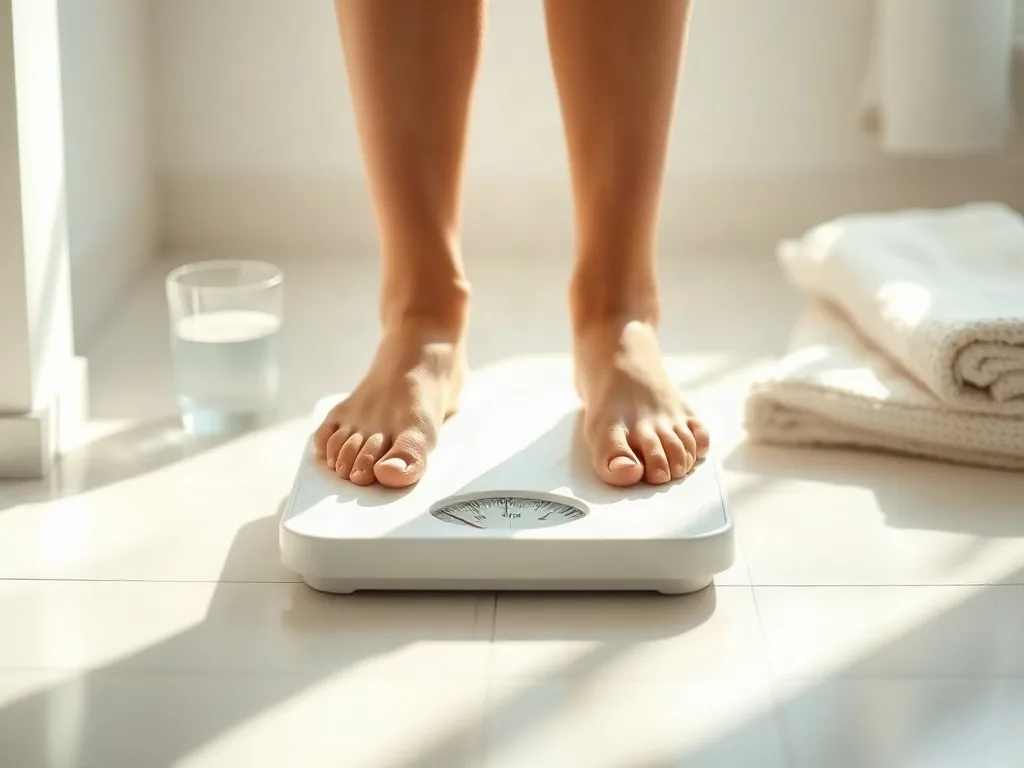
Stepping on the scale can often feel like an emotional gamble. One morning you feel light and energized, only to find the number has jumped by three pounds since yesterday. This experience is incredibly common and frequently leads to unnecessary frustration, discouragement, and even the abandonment of healthy habits. However, the reality is that body weight is a dynamic, ever-shifting metric that rarely reflects immediate changes in body fat. Understanding weight fluctuations is essential for anyone looking to maintain a healthy relationship with their body and their fitness journey.
Key takeaways
- Balance high sodium intake by drinking more water and eating potassium-rich foods like bananas to reduce temporary fluid retention.
- Carbohydrates are stored as glycogen, which bonds with water at a 1:3 ratio, causing weight shifts during intake changes.
- Use weekly averages rather than daily readings to smooth out fluctuations and gain a clearer picture of long-term progress.
- Muscle repair from new exercise and hormonal shifts during the menstrual cycle can cause temporary weight spikes of several pounds.
- The whoosh effect occurs when fat cells temporarily fill with water before releasing it, causing sudden, delayed weight drops.
A fluctuation in weight is not the same as gaining or losing body fat. To gain a single pound of fat, a person would generally need to consume approximately 3,500 calories above their maintenance level. If the scale jumps two pounds overnight, it is physiologically impossible for that to be purely fat gain unless you consumed an extra 7,000 calories the day before. Instead, these shifts are usually the result of water retention, digestive processes, and hormonal shifts. By deconstructing the science behind these changes, we can learn to view the scale as just one piece of data among many, rather than a definitive judgment on our progress.
The Role of Sodium and Water Retention
One of the most frequent causes of a sudden spike on the scale is sodium intake. Sodium is an essential mineral that helps regulate fluid balance in the body. However, when we consume more salt than our body is accustomed to, the kidneys respond by holding onto extra water to maintain the correct concentration of electrolytes in the bloodstream. This is a protective mechanism, but it manifests as temporary water weight.
Common culprits include restaurant meals, processed snacks, canned soups, and even certain condiments. A single high-sodium meal can cause the body to retain several pounds of water for 24 to 48 hours. To mitigate this, focus on increasing your water intake. It may seem counterintuitive to drink more water when you are already retaining it, but staying hydrated helps flush out excess sodium and signals to the body that it no longer needs to hold onto its current fluid stores. Potassium-rich foods, such as bananas, spinach, and avocados, can also help balance sodium levels and reduce bloating.
Carbohydrates and Glycogen Storage
Carbohydrates are often unfairly blamed for weight gain, but the weight gain associated with carbs is usually just water. When we eat carbohydrates, our body converts them into glucose for energy. Any glucose not immediately used is stored in the liver and muscles as glycogen. Glycogen is a crucial energy source, especially for physical activity.
The catch is that glycogen molecules are chemically bonded to water. For every gram of glycogen stored in your body, you also store approximately three to four grams of water. If you have a high-carb day after a period of lower carb intake, your glycogen stores will replenish, bringing several pounds of water along with them. This is why people on low-carb diets often see a massive initial weight drop—it is largely the loss of glycogen and its associated water. Conversely, a “refeed” or a pasta dinner will cause the scale to rise. This is not fat gain; it is simply your body refueling its energy tanks.
The Impact of the Menstrual Cycle
For individuals who menstruate, hormonal fluctuations play a significant role in weight changes throughout the month. During the luteal phase (the week or two leading up to a period), levels of progesterone and estrogen shift significantly. This hormonal dance can lead to increased water retention and bloating.
Many people find they gain anywhere from two to eight pounds in the days before their period begins. This weight typically drops off once menstruation starts and hormone levels stabilize. Additionally, these hormonal shifts can affect digestion, leading to slower transit times and further contributing to the feeling of heaviness. Understanding your cycle and tracking your weight in relation to it can provide much-needed perspective. If you always gain five pounds the week before your period, you can learn to expect it rather than panic when it happens.
Exercise and Muscle Inflammation
Starting a new exercise routine or increasing the intensity of your current workouts can lead to a temporary increase in weight. This is often confusing for those who are working hard to lose weight, but it is actually a sign of progress. When you engage in challenging physical activity, especially strength training, you create microscopic tears in your muscle fibers.
The body repairs these tears through a process of inflammation, which involves drawing fluid to the affected area to facilitate healing. This is known as Delayed Onset Muscle Soreness (DOMS). While your muscles are recovering and getting stronger, they will hold onto extra fluid. Furthermore, as your fitness improves, your body becomes more efficient at storing glycogen in the muscles to power your workouts, which, as mentioned previously, also increases water retention. This “pump” and the associated fluid are temporary and should not be mistaken for a lack of progress in fat loss.
Digestive Volume and Food Weight
It is important to remember that the scale measures everything in your body at that exact moment, including the physical weight of the food and liquids you have consumed. If you eat a large, high-volume meal consisting of several pounds of vegetables and lean protein, that food has physical mass that will register on the scale until it is fully digested and excreted.
The timing of your last meal and your bowel movements significantly impacts daily weight. Constipation or a slow digestive system can cause the scale to remain high for several days. Fiber is essential for digestive health, but a sudden increase in fiber intake can also cause temporary bloating and gas as the gut microbiome adjusts. If you weigh yourself in the morning after a late-night dinner, you are likely seeing the weight of the undigested food still in your system. This is a matter of volume, not a change in body composition.
Stress, Cortisol, and Sleep Quality
Lifestyle factors such as stress and sleep are often overlooked in the context of weight fluctuations. When we are chronically stressed or sleep-deprived, the body produces higher levels of cortisol, often referred to as the “stress hormone.” Cortisol can interfere with the body’s ability to regulate fluid balance and may increase the production of antidiuretic hormone (ADH), which tells the kidneys to conserve water.
Furthermore, poor sleep can disrupt the hormones that regulate hunger and fullness (ghrelin and leptin), leading to increased cravings for high-sodium or high-carb foods, which then contributes to water retention. A night of poor sleep can easily result in a higher scale reading the next morning due to a combination of systemic inflammation and fluid shifts. Prioritizing stress management techniques like meditation and ensuring seven to nine hours of quality sleep can help stabilize these physiological responses.
Medications and Underlying Health Factors
Certain medications are known to cause weight fluctuations or water retention as a side effect. These include non-steroidal anti-inflammatory drugs (NSAIDs) like ibuprofen, certain blood pressure medications, corticosteroids, and some antidepressants or anti-seizure drugs. If you notice a significant and persistent change in your weight after starting a new medication, it is important to discuss this with your healthcare provider rather than attempting to restrict calories or over-exercise to compensate.
In some cases, persistent or extreme fluid retention (edema) can be a sign of an underlying health issue related to the heart, kidneys, or liver. While daily fluctuations of a few pounds are normal, sudden and massive swelling in the ankles, legs, or hands should be evaluated by a medical professional. Most weight fluctuations are benign, but staying attuned to how your body feels overall is key to distinguishing between normal shifts and potential health concerns.
Practical Strategies for Mindful Tracking
If the scale causes you significant anxiety, it may be worth changing how you track your progress. One effective method is to weigh yourself daily but only look at the weekly average. This smooths out the daily spikes and dips, providing a clearer picture of the actual trend. There are several apps designed specifically to calculate these moving averages, which can help remove the emotional sting of a single high reading.
Alternatively, you might choose to weigh yourself only once a week or once a month, ensuring you do so under consistent conditions—ideally in the morning, after using the bathroom, and before eating or drinking. However, for some, the scale is simply not a helpful tool. If you find that a certain number ruins your day or triggers disordered eating patterns, it is perfectly acceptable to stop weighing yourself entirely. Your value is not defined by a number, and there are many other ways to measure health and success.
Environmental Influences: Heat, Humidity, and Seasonal Shifts
While we often look at what we put into our bodies to explain weight fluctuations, we rarely consider the environment we are standing in. Temperature and humidity play a surprisingly significant role in how our bodies manage fluid balance. During periods of extreme heat or high humidity, the body undergoes a process called vasodilation, where blood vessels expand to help dissipate heat. To maintain blood pressure and ensure adequate circulation despite these wider vessels, the body often increases its total plasma volume. This physiological adaptation can result in the retention of several extra pounds of fluid, often manifesting as slight swelling in the hands and feet, known as heat edema.
Furthermore, seasonal changes can influence activity levels and metabolic adaptations. In the winter, the body may slightly alter its thermogenic processes to maintain core temperature, while in the summer, increased perspiration requires a delicate recalibration of electrolytes. If you move from a dry climate to a humid one, or if your office air conditioning fails during a heatwave, the scale may tick upward as your body works to stay cool and hydrated. This is a survival mechanism, not a reflection of your fat-loss progress. Once the environment stabilizes or your body acclimates to the new temperature, these fluid shifts typically resolve themselves within a few days.
The Alcohol Paradox: Dehydration and Rebound Retention
Alcohol consumption presents a unique and often confusing scenario for those tracking their weight. Alcohol is a known diuretic, meaning it inhibits the production of antidiuretic hormone (ADH), signaling the kidneys to release more water than usual. This is why many people wake up the morning after a few drinks weighing less than they did the previous day. However, this lower number is an illusion of progress caused by acute dehydration. The real fluctuation often occurs 24 to 48 hours later.
Once the alcohol is metabolized, the body enters a compensatory phase. To protect against the perceived state of dehydration, the body becomes hypersensitive to fluid intake and begins to retain water aggressively. This “rebound retention” is often exacerbated by the fact that alcohol is frequently consumed alongside high-sodium foods—think of the salt on a margarita rim or the late-night pizza that often follows a night out. Additionally, alcohol can cause systemic inflammation and temporary gut irritation, both of which contribute to water holding. If you see a dip followed by a significant spike two days later, it is likely the result of this complex physiological correction rather than the calories in the drinks themselves.
Creatine and Supplement-Induced Intracellular Shifts
For those who have recently started a new supplement regimen, particularly one involving creatine monohydrate, the scale can be a source of significant confusion. Creatine is one of the most well-researched and effective supplements for improving strength and muscle mass, but its primary mechanism involves drawing water into the muscle cells—a process known as cellular volumization. Unlike the extracellular water retention associated with sodium (which can feel like “bloat” under the skin), creatine causes intracellular water retention. This makes the muscles look fuller and harder, but it also adds immediate weight to the scale.
A typical “loading phase” of creatine can result in a weight gain of two to five pounds within the first week. Even at a lower maintenance dose, the body will maintain a higher level of total body water to support the increased phosphocreatine stores in the muscles. Other supplements, such as high-dose multivitamins or certain pre-workouts containing high levels of caffeine or beta-alanine, can also influence fluid balance or cause minor digestive irritation that registers as weight. When starting any new supplement, it is wise to expect a shift in your baseline weight and allow at least three to four weeks for your body to reach a new equilibrium before judging the supplement’s impact on your physique.
The “Whoosh Effect” and Fat Cell Dynamics
One of the more fascinating, albeit scientifically debated, phenomena in the world of weight loss is the “whoosh effect.” Many individuals notice that their weight will stall for weeks despite a consistent calorie deficit, only to drop three or four pounds overnight. This can be explained by a hypothesis regarding the behavior of adipocytes (fat cells). As the body metabolizes the triglycerides stored within a fat cell for energy, the cell does not immediately collapse. Instead, it may temporarily fill with water to maintain its structure and volume, waiting to see if more fat will be stored there soon.
During this period, you may feel “squishy” or notice that your fat feels softer than usual, even though the scale isn’t moving. Eventually, the body realizes the energy is not being replaced, and it releases the stored water all at once, leading to a sudden, dramatic drop in weight—the “whoosh.” This process is often triggered by a sudden change in routine, such as a higher-calorie meal (which can lower cortisol levels), a particularly deep night of sleep, or a reduction in exercise intensity. Understanding this potential delay between fat loss and scale movement can help you stay the course during frustrating plateaus, knowing that the physical loss of fat has already occurred and the scale is simply waiting to catch up.
Travel, Air Pressure, and Circadian Disruptions
Frequent travelers often notice that their weight is wildly inconsistent during and after a trip. This is rarely due to the food alone. Air travel involves significant changes in atmospheric pressure, which can cause gases in the intestines to expand and fluid to shift into the tissues of the lower extremities. This “plane bloat” can persist for a day or two after landing. Furthermore, prolonged sitting during long flights or car rides leads to blood and fluid pooling in the legs, a form of gravitational edema that can add temporary pounds.
Beyond the physical act of travel, crossing time zones disrupts the body’s circadian rhythms. Our internal clocks regulate everything from cortisol production to digestive enzyme release and bowel frequency. When these rhythms are disrupted (jet lag), the body often experiences elevated stress levels and sluggish digestion. Constipation is a very common side effect of travel, and as noted previously, the physical weight of undigested food and waste can significantly impact the scale. If you have just returned from a trip, it is best to wait at least three to five days before weighing yourself to allow your hydration levels, digestive tract, and circadian clock to return to their normal patterns.
The Technical Side: Scale Precision and Surface Variables
Sometimes the fluctuation isn’t in your body at all, but in the tool you are using. Digital scales are sensitive instruments that can be affected by a variety of external factors. For instance, placing a scale on a soft surface like carpet, or even a slightly uneven tile floor, can result in inaccurate readings by as much as five to ten pounds. The scale’s sensors (load cells) require a perfectly level, hard surface to distribute weight evenly. Even moving the scale from one corner of the bathroom to another can change the result.
Furthermore, many modern digital scales utilize a feature called “weight smoothing” or “memory.” If you weigh yourself, step off, and weigh yourself again immediately, the scale may display the exact same number even if there is a slight variation, because it “remembers” the previous reading and assumes any small change is an error. To get a true reading, you sometimes have to “reset” the scale by weighing yourself while holding a heavy object (like a gallon of water), then weighing yourself again without it. Additionally, as batteries lose their charge, the sensors may become less accurate, leading to erratic jumps. Ensuring your scale is calibrated, placed on a consistent hard surface, and equipped with fresh batteries is essential for reducing artificial fluctuations.
Microbiome Fermentation and Specific Fiber Types
While fiber is a critical component of a healthy diet, the *type* of fiber and the state of your gut microbiome can cause significant, temporary weight spikes. High-fiber foods, particularly those high in FODMAPs (fermentable oligosaccharides, disaccharides, monosaccharides, and polyols), are broken down by bacteria in the large intestine. This fermentation process produces gas and draws water into the colon. Foods like broccoli, beans, onions, and certain sugar alcohols (like xylitol or erythritol) can cause the gut to hold onto a substantial amount of water and gas during the digestive process.
Moving Beyond the Number: Non-Scale Victories
To gain a truly accurate picture of your health and progress, it is vital to look at “Non-Scale Victories” (NSVs). These are markers of improvement that have nothing to do with gravity’s pull on your body. Focusing on these can provide much more satisfaction and motivation than the scale ever could.
Examples of NSVs include:
- Clothing Fit: Are your jeans feeling looser, or do your shirts drape differently? Muscle is denser than fat, so you may be losing inches even if the scale stays the same.
- Energy Levels: Do you have more stamina throughout the day? Are you no longer experiencing a mid-afternoon crash?
- Physical Strength: Are you able to lift heavier weights, run further, or perform daily tasks with less effort?
- Improved Sleep: Are you falling asleep faster and waking up feeling more refreshed?
- Mood and Mental Clarity: Do you feel more resilient to stress and more focused at work?
- Biometric Markers: Improvements in blood pressure, resting heart rate, or blood sugar levels are profound indicators of health.
By shifting the focus from a single metric to a holistic view of well-being, you can navigate weight fluctuations with grace and maintain the consistency needed for long-term health.
Frequently Asked Questions
Why did I gain 3 pounds overnight when I ate healthy yesterday?
It is virtually impossible to gain 3 pounds of body fat in 24 hours. A 3-pound jump is almost certainly due to water retention or digestive volume. This can be caused by a slightly higher intake of sodium (even from healthy foods like pickles or fermented vegetables), a higher volume of fiber, or even muscle inflammation from a workout. If you ate late in the evening, the physical weight of that food is still in your system. Drink plenty of water and wait a day or two; the number will likely return to its baseline as your body processes the fluids and food.
How much weight fluctuation is considered normal?
For most adults, a daily fluctuation of 2 to 5 pounds is considered completely normal. Some individuals may even see shifts of up to 10 pounds depending on their body size, activity level, and hormonal cycle. These changes are driven by the balance of fluids, glycogen, and waste in the body. As long as the long-term trend is moving in your desired direction (or staying stable if you are in maintenance), these daily zig-zags are nothing to worry about.
Does drinking more water help with weight fluctuations?
Yes, staying consistently hydrated is one of the best ways to minimize dramatic weight fluctuations. When you are dehydrated, your body is more likely to hold onto whatever water it has to maintain essential functions. By drinking adequate water throughout the day, you signal to your kidneys that there is a steady supply, allowing them to flush out excess sodium and waste more efficiently. While drinking a large glass of water will temporarily increase your weight (because water has weight), it helps prevent the long-term retention that causes those frustrating spikes.
Should I stop weighing myself if the fluctuations upset me?
If the scale negatively impacts your mental health, self-esteem, or relationship with food, it is absolutely okay to step away from it. Many people find success using other tracking methods, such as taking monthly progress photos, using a tape measure to track inches, or simply paying attention to how their clothes fit. The scale is a tool, not a requirement. If a tool is broken or causes harm, you don’t have to use it. You can still achieve all your health goals without ever knowing your exact weight.
Can stress really make the scale go up?
Absolutely. Stress triggers the release of cortisol, which can cause the body to retain sodium and water. Furthermore, chronic stress can lead to systemic inflammation, which also involves fluid retention. Stress can also impact your digestion, leading to bloating or constipation. If you are going through a particularly high-stress period, you might notice your weight plateau or slightly increase despite no changes in your diet. Focusing on relaxation, deep breathing, and adequate rest can often help your body release this “stress weight.”
Related posts:
 PHA Bodyweight Workout: Efficient Fitness Anywhere, Anytime
 Dehydration Risks After 60
 Post-Run Nutrition Guide
 Understanding Body Fat Percentage
 Rosenberg Self-Esteem Scale Test
 Anne Hathaway’s Positive Take on Weight Gain from Strength Training
 The Water Intake Math You’ve Been Getting Wrong Your Entire Life
 How to Reduce Sodium Intake Without Losing Flavor