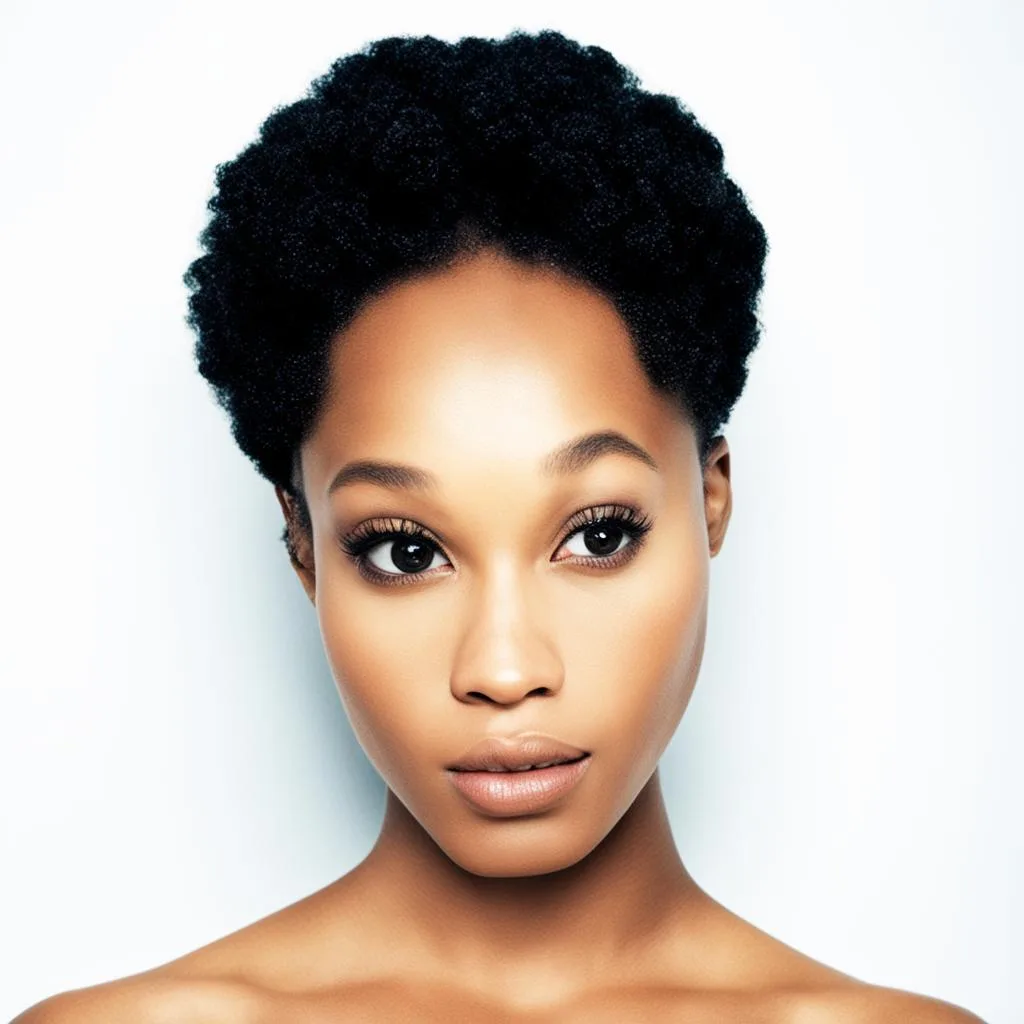
We live in a world that often emphasizes looks over substance. Social media filters, airbrushing, and unrealistic beauty standards can make us feel like we need to change our appearance to measure up.
But true beauty shine through from the inside out. It’s reflected in how we carry ourselves, speak to others, and cultivate self-acceptance. Here are 10 ways to embrace the unique beauty within you.
1. Identify Your Strengths
Make a list of things you admire about yourself, like your sense of humor, courage, or determination. Refer back to it when you feel doubtful.
2. Silence Your Inner Critic
We all have that negative voice telling us we’re not good enough. When it pipes up, consciously replace put-downs with positive affirmations.
3. Surround Yourself With Support
Cherish friendships that make you feel secure in being yourself. Avoid relationships causing self-criticism.
4. Express Your Creativity
Painting, writing, or playing music engages us in positive self-expression. Enjoy the process rather than judging the outcome.
5. Move Your Body in Ways That Feel Good
Tune into sensations during yoga, walking, dance that celebrate what your body can do versus how it looks.
6. Act Confidently, Think Positively
Even when doubtful, keep your head high, shoulders back, making eye contact. Positive thoughts will follow.
7. Wear Colors That Uplift You
Surround yourself with hues boosting your mood, reminding you of your best qualities.
8. Spend Time in Nature
The natural world has a way of restoring perspective and appreciation of beauty in all forms.
9. Be Kind to Yourself
Imagine how you’d speak to your best friend if they were struggling. Offer yourself that same compassion.
10. Consider True Beauty Lies Within
Looks fade, but inner light lasts. What really counts is how we treat ourselves and others.
Mastering the Capsule Wardrobe for a Signature Style
While the internal journey is paramount, the clothes we choose to wear act as the interface between our inner selves and the outer world. A dramatic change in your look often begins with a fundamental audit of your closet. Instead of chasing fleeting trends that may not align with your body type or lifestyle, consider the philosophy of the capsule wardrobe. This approach focuses on quality over quantity, emphasizing pieces that are versatile, durable, and cohesive. To start this transformation, identify a core palette of three neutral colors—such as navy, camel, and charcoal—and two accent colors that complement your skin’s undertone. By limiting your palette, every item in your wardrobe becomes interchangeable, allowing you to create dozens of looks from just a few high-quality garments.
Tailoring is the secret weapon of the well-dressed. Even an inexpensive garment can look like a high-end designer piece if it fits your specific proportions perfectly. Most people wear clothes that are slightly too large, which can lead to a slumped or overwhelmed appearance. By finding a local tailor to hem your trousers to the correct break or to take in the waist of a blazer, you sharpen your silhouette and project an image of intentionality. Consider the “Rule of Thirds” in dressing: rather than bisecting your body at the middle, aim for a ratio where your top takes up one-third of your visual height and your bottom takes up two-thirds. This creates an elongated, aesthetically pleasing line that instantly modernizes your look.
Edge cases often arise when transitioning between professional and casual environments. To bridge this gap, invest in “hybrid” pieces like the unstructured blazer or the elevated knit polo. These items offer the comfort of casual wear with the structured visual cues of formal attire. Furthermore, pay attention to fabric textures. Mixing textures—such as a silk blouse with denim or a heavy wool sweater with leather—adds visual depth to a monochrome outfit, making it look sophisticated rather than flat. This tactile variety signals a high level of style literacy without requiring a single logo or brand name.
The Architecture of Hair: Finding Your Optimal Cut and Color
Your hair is the most prominent feature of your personal presentation, and changing it is often the quickest way to signal a “new you.” However, a successful transformation requires understanding the geometry of your face. For instance, if you have a square jawline, soft layers and side-swept bangs can provide a balancing contrast. Conversely, those with round faces may find that high-volume styles or sharp, angular bobs add necessary definition. When consulting with a stylist, use descriptive language rather than just showing a photo; explain whether you want your hair to look “lived-in,” “polished,” or “edgy.” This ensures the technical execution matches your lifestyle needs.
Color theory plays a vital role in how your hair affects your complexion. A common mistake is choosing a hair color that is too close to your skin tone, which can result in a washed-out appearance. Instead, aim for contrast. If you have cool undertones (veins appear blue/purple), look for ashier blondes or cool browns. If you have warm undertones (veins appear green), golden honey or rich copper tones will make your skin glow. For those not ready for a total color overhaul, “balayage” or “babylights” can add dimension and mimic the natural bleaching effect of the sun, providing a refreshed look that requires significantly less maintenance than a full head of highlights.
The health of your hair is just as important as the style. Transitioning to a new look often involves chemical processes that can compromise hair integrity. Incorporating a weekly bond-building treatment or a deep-conditioning mask can restore the luster that makes a new haircut truly pop. Additionally, consider the impact of your part. Simply moving your hair from a center part to a deep side part can change the way light hits your face and highlight different features, such as your cheekbones or eyes. This is a zero-cost way to experiment with your look before committing to the shears.
Strategic Grooming and the Science of Skin Health
A change in your look is frequently underpinned by the vitality of your skin. Rather than masking imperfections with heavy cosmetics, focus on a “skin-first” approach that prioritizes hydration and barrier protection. The concept of “glass skin” or a “lit-from-within” glow is achieved through consistent exfoliation and layering of moisture. Chemical exfoliants like AHAs (alpha hydroxy acids) or BHAs (beta hydroxy acids) work to remove dead skin cells more evenly than physical scrubs, revealing a smoother surface that reflects light more effectively. When your skin is healthy, any subsequent changes to your look—be it a new makeup style or a bold hair color—will appear more vibrant.
Grooming extends beyond the skin to the “frames” of the face: the eyebrows. The shape and thickness of your brows can drastically alter your perceived age and temperament. Straight, thicker brows often project a more youthful, modern aesthetic, while a high arch can create a more dramatic, sophisticated look. Professional threading or tinting can provide a structural change that lasts for weeks, giving your face a “lifted” appearance without any invasive procedures. For men, grooming the beard or maintaining a clean shave with a high-quality safety razor can define the jawline and create a more disciplined, intentional image.
Don’t overlook the importance of dental aesthetics and lip care. A bright, healthy smile is a universal sign of vitality. Simple habits like using a whitening toothpaste or ensuring your lips are consistently exfoliated and hydrated can make your face look more polished. In the world of grooming, the details matter; well-maintained nails and moisturized hands are subtle cues that suggest you take pride in your presentation. These small adjustments aggregate to create a significant shift in how you are perceived by others and, more importantly, how you feel when you catch your reflection.
Modernizing Your Aesthetic with Intentional Accessories
Accessories are the punctuation marks of an outfit. They have the power to transform a basic ensemble into a curated look. If you feel your style has become stagnant, changing your eyewear is one of the most effective interventions. Eyeglasses occupy the center of your face and are often the first thing people notice. Moving from thin wire frames to a bold acetate shape can convey confidence and intellectual curiosity. When choosing frames, look for the opposite of your face shape: angular frames for round faces and rounded frames for angular faces to create a harmonious balance.
Jewelry should be viewed as a tool for storytelling. Instead of wearing the same pieces every day out of habit, select items that reflect your current mood or the “new you” you are cultivating. Mixing metals—once considered a fashion faux pas—is now a mark of a modern, eclectic style. Try layering necklaces of different lengths and textures to create a focal point near your face. For a more minimalist transformation, focus on one “statement” piece, such as a bold watch or a sculptural ring, and let it be the anchor of your look. This prevents the accessories from cluttering your appearance while still providing a clear stylistic direction.
The bags and shoes you carry are functional, but they also serve as anchors for your silhouette. A structured leather tote can add a sense of authority to a casual outfit, while a pair of clean, minimalist sneakers can make a formal suit feel approachable and contemporary. Pay attention to the condition of these items; scuffed shoes or a frayed bag strap can undermine even the most expensive clothing. Regular maintenance, such as polishing leather and cleaning fabric, ensures that your accessories continue to enhance your look rather than detract from it.
The Art of Subtle Cosmetic Enhancements
Changing your look through makeup doesn’t require a full transformation; rather, it’s about using color and light to emphasize your best features. One of the most effective ways to update your look is by mastering the “no-makeup” makeup technique. This involves using sheer tints and cream-based products that melt into the skin, creating the illusion of natural perfection. By switching from matte powders to dewy creams, you can achieve a more youthful, hydrated appearance that looks great in both natural and artificial light.
Understanding your skin’s undertone is the key to choosing the right lip and eye colors. If you have cool undertones, berries and true reds will make your features pop. If you have warm undertones, corals and terracotta shades will be more flattering. A bold lip color is perhaps the fastest way to change your look for an evening out or a high-stakes meeting; it projects a sense of readiness and boldness. On the other hand, focusing on the eyes with a well-blended neutral shadow and a high-quality mascara can create an “open” and alert look that improves your non-verbal communication.
Contouring has evolved from the heavy, stage-like application of years past to a more subtle “tantouring” or “bronzing” approach. By lightly dusting a cool-toned contour shade under the cheekbones and along the hairline, you can add structural depth to your face. The goal is to mimic natural shadows, not to create visible lines. Highlighting the high points of the face—the tops of the cheekbones, the bridge of the nose, and the cupid’s bow—draws the eye to your bone structure and gives the skin a healthy radiance. This play of light and shadow is a sophisticated way to refine your look without looking like you’ve tried too hard.
Posture and Presence: The Non-Verbal Style Upgrade
While the existing article mentions confidence, the physical mechanics of posture are a tangible way to change your look instantly. “Enclothed cognition” suggests that the way we dress affects our psychological state, but the reverse is also true: our physical stance dictates how our clothes hang and how our presence is felt in a room. To improve your posture, imagine a string pulling you up from the crown of your head, allowing your spine to lengthen and your shoulders to drop naturally away from your ears. This simple adjustment increases your perceived height and opens up your chest, making you appear more approachable and self-assured.
The way you move—your gait and gestures—is a significant part of your “look.” A hurried, frantic pace can make even a well-dressed person appear disorganized. Conversely, a deliberate, measured stride conveys a sense of calm and control. Practice “active sitting” as well; instead of slouching into a chair, sit with your feet flat on the floor and your back supported. This not only prevents long-term physical strain but also keeps you looking engaged and professional during meetings or social gatherings. These biomechanical changes are often more impactful than a new outfit because they alter the energy you project.
Micro-expressions and eye contact are the finishing touches on your physical presence. Softening your gaze and ensuring you make consistent, but not aggressive, eye contact can make your face appear more friendly and open. A genuine “Duchenne” smile—one that reaches the eyes—changes the musculature of the entire face, creating a look of warmth that is more attractive than any cosmetic product. By aligning your physical movements with your new aesthetic goals, you create a cohesive and believable transformation that feels authentic to both you and those around you.
Scent as an Invisible Accessory
Often overlooked in discussions about changing one’s look, fragrance is a powerful tool for self-expression and memory. Scent is processed in the limbic system, the part of the brain associated with emotion and memory, meaning your choice of perfume or cologne can leave a lasting impression that transcends visual aesthetics. To change your look through scent, move away from “mass-market” fragrances and explore the world of niche perfumery. These scents often use higher concentrations of natural oils and offer more complex profiles that evolve on the skin throughout the day.
Understand the “Scent Pyramid”: top notes are what you smell immediately, heart notes emerge after 15 minutes, and base notes are the lingering scents that stay for hours. If you want to project a look of professional authority, look for fragrances with woody or spicy base notes like sandalwood, vetiver, or black pepper. If you want a more approachable, fresh look, opt for citrus or light floral heart notes like neroli or bergamot. Layering scents—using a scented body oil followed by a complementary perfume—creates a unique “signature” that is entirely your own, making your presence recognizable even before you are seen.
FAQ
What is true beauty?
True beauty comes from self-acceptance, self-care, creativity, confidence, and compassion towards ourselves and others.
How do you build self-confidence?
Building self-confidence involves identifying our strengths, silencing unhealthy self-criticism, surrounding ourselves with supportive people, engaging in positive self-expression through creativity, moving our bodies in ways that feel good, acting confidently, thinking positively, expressing our unique style, spending time in nature, practicing self-kindness, and remembering that true beauty lies within.
Why is inner beauty more important than looks?
Unlike superficial appearance, inner beauty lasts a lifetime. It’s reflected through our essence, spirit, and actions. Judgements based solely on looks often lead to shallow or unhappy relationships. People who embrace their inner beauty attract others to their confidence and warmth.
How can you change your look without changing your body?
Update your style with colors, fabrics, cuts that make you feel uplifted. Experiment with makeup, hairstyles, or accessories expressing your personality. Improve posture and body language to project confidence. Smile more often!
What are signs of low self-esteem?
Signs of low self-esteem include harsh self-criticism, assumption others judge you negatively, perfectionism, withdrawal from others, envy, clinging to unhealthy relationships, and inability to accept compliments or see your positive qualities.
Related posts:
 Hair Accessory Hygiene: The Gross Truth About Dirty Hair Ties
 Perfect Curly Hair Routine
 Zoe Kravitz’s Coconut Oil Hair Care Secret
 Blow Drying Hair Without Damage: Expert Tips
 Gray Hair Treatment Options
 Hair Slugging Beauty Trend Guide
 PHA Bodyweight Workout: Efficient Fitness Anywhere, Anytime
 Silk Hair Ties: Gentle on Hair, Tough on Tangles