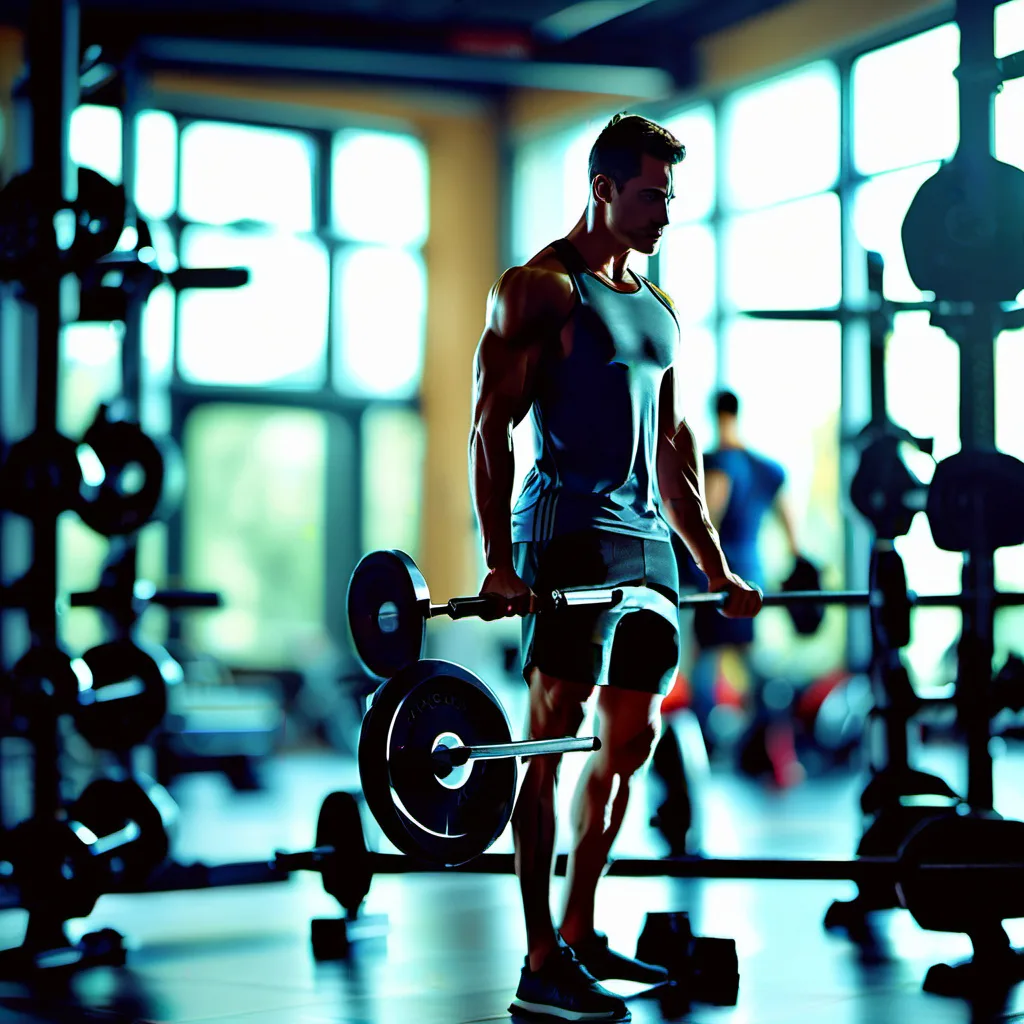
Walking into a busy weight room can feel like stepping onto a stage where everyone knows the script except you. Trainers spend years watching the same habits repeat, and most of those habits are unwritten rules that keep the floor safe, efficient, and welcoming. Understanding them early saves you embarrassment, prevents injuries, and helps you make faster progress.
Key takeaways
- Return all weights to racks in the correct order and reset machines to their default settings after use.
- Wipe down benches and equipment surfaces with disinfectant after every set to maintain gym hygiene.
- Communicate your plans clearly when supersetting or waiting for equipment to reduce friction with other members.
- Keep your personal belongings in lockers to ensure walkways remain clear and safe for everyone.
- Offer spotting assistance only when asked and stay focused on the lifter to ensure their safety.
Why Gym Etiquette Matters
Etiquette is not about policing; it is about creating an environment where every member can focus on their own goals without unnecessary friction. When you follow the shared norms, you reduce the chance of equipment collisions, minimize wait times, and signal to staff that you respect the facility. Trainers notice members who consistently demonstrate good habits and are more likely to offer personalized cues, program adjustments, or even a quick spot when you need it. Conversely, repeated breaches such as hogging a bench, dropping weights loudly, or leaving sweat on a bench can lead to subtle exclusion from group classes or a conversation with management. Think of etiquette as the invisible framework that lets the gym run like a well‑oiled machine.
Practical tip: before your first session, walk the floor for five minutes. Observe how regulars rack plates, how they approach the squat rack, and how they handle the water fountain. Mirror those behaviors and you will blend in instantly.
Another reason etiquette matters is the psychological effect on the community. A predictable, courteous atmosphere lowers anxiety for newcomers and encourages consistent attendance. When members trust that equipment will be returned and space will be respected, they can focus on progressive overload rather than navigating social friction.
Respect the Equipment and Space
Every piece of equipment has a purpose and a capacity. Loading a barbell beyond its rated limit, using a cable machine for a movement it was not designed for, or stacking plates on a bench press that is already occupied are common missteps. When you finish a set, return plates to the rack in descending order, wipe down the bench, and reset any adjustable settings to a neutral position. This simple routine saves the next user valuable time and prevents wear on the machinery.
- Rerack weights in the same order you found them.
- Wipe down benches, handles, and seats with the provided disinfectant.
- Return adjustable seats, safety arms, and pin settings to default.
Space awareness also matters. Keep your personal items in a locker or designated cubby rather than sprawling a gym bag across a walkway. If you need a stretch area, use the designated mobility zone instead of the main lifting floor. When you are moving between stations, walk around active lifters instead of cutting through their line of sight; a quick sidestep prevents accidental contact and shows respect for their focus.
If you notice a piece of equipment that is damaged, missing a safety pin, or otherwise unsafe, report it to the front desk immediately. Prompt reporting protects everyone and helps the facility maintain a high standard of maintenance.
Timing Your Sets and Rest Periods
Rest intervals are part of the program, not a suggestion. When you rest for the prescribed ninety seconds, stay near the equipment so the next person can step in without awkward hovering. If you need a longer break, step away and let the station become available. Conversely, do not rush a partner’s set by standing too close or tapping the bar; give them the full rest they programmed.
Actionable guide: set a timer on your watch or phone for each rest period. When the alarm sounds, you know it is time to either begin the next set or vacate the station. This habit also sharpens your own pacing and prevents unintentional camp‑out behavior.
If you are supersetting two exercises that share a piece of equipment, communicate the plan with anyone waiting. A brief “I’ll be done in two minutes” sets clear expectations and reduces frustration. When you finish the superset, immediately release the equipment rather than lingering for a phone check.
Communication and Spotting Etiquette
Asking for a spot is a sign of confidence, not weakness. Approach the lifter calmly, make eye contact, and say something like Would you mind spotting me on this set? Once agreed, position your hands where the lifter prefers—usually just outside the knurling on a bench press or under the bar on a squat. Keep your grip light until the lifter signals for assistance.
If you are the spotter, stay focused. Avoid checking your phone, chatting with others, or looking away. A distracted spotter can miss a failed rep and cause injury. After the set, thank the lifter and step back, giving them space to recover.
When you see someone struggling without a spotter, offer help only if you are qualified. A quick Need a hand? is polite; a forced intervention can be dangerous. If you are unsure about the proper spotting technique for a particular lift, ask a trainer for a quick demonstration before you volunteer.
Hygiene and Personal Care
Sweat is inevitable, but leaving it on shared surfaces is not. Carry a small towel and use it on every bench, machine, and floor area you touch. Many gyms provide spray bottles; a quick spritz and wipe takes seconds. Wear clean, breathable clothing and avoid overly strong fragrances that can trigger allergies in a confined space.
Footwear matters too. Closed‑toe athletic shoes protect your feet and provide stable traction. Sandals or barefoot lifting on a commercial floor increase slip risk and can damage the flooring.
Quick checklist before you leave the floor:
- Towel off any equipment you used.
- Return weights to the rack.
- Dispose of any used wipes or paper towels in the bin.
If you have a skin condition or open wound, cover it with a breathable bandage before using shared equipment. This protects both you and other members from infection.
Phone Use and Distractions
Smartphones are useful for timing, logging, or following a program, but they become a nuisance when they dominate the workout area. Keep calls brief and step outside the lifting zone. If you must watch a video for form reference, use headphones and keep the screen angled away from other members.
Set your phone to silent or vibrate. A ringing device in the middle of a heavy deadlift set breaks concentration for everyone nearby. Many facilities now have designated phone‑free zones; respect those signs.
Consider using a dedicated fitness watch or a simple interval timer for rest periods. This reduces the temptation to scroll social media between sets and keeps your attention on the workout.
Supporting Fellow Lifters
A supportive atmosphere accelerates progress for all. Celebrate a personal record with a genuine Nice lift! rather than a sarcastic comment. Offer a quick form cue only when asked; unsolicited advice can feel condescending. Share equipment willingly—if you are doing supersets, let the next person know when you will be free.
Remember that everyone started somewhere. A beginner who feels welcomed is more likely to stay consistent, which benefits the community and the gym’s bottom line. If you notice someone looking unsure about a machine, a brief demonstration or a pointer to the instructional placard can make a big difference.
Group classes and open‑gym sessions thrive on mutual encouragement. A simple high‑five or a thumbs‑up after a tough set builds camaraderie without crossing personal boundaries.
When to Ask a Trainer for Help
Trainers are there to teach, not to police. If you are unsure about a movement, feel pain beyond normal muscle fatigue, or want a program review, schedule a short consultation. Bring a notebook or app with your current routine so the trainer can give targeted feedback.
Do not wait until an injury forces you to seek help. Early guidance on technique, progression, and recovery strategies saves months of setback. Most gyms offer a complimentary assessment for new members; take advantage of it.
When you approach a trainer, be specific. Instead of saying I want to get stronger, say I’m struggling with the bottom position of my squat and would like a cue for hip drive. Specific questions yield actionable answers.
Navigating Peak Hours and Equipment Sharing Strategies
Peak hours typically cluster around early morning, lunch, and early evening. During these windows the most popular stations such as squat racks, bench presses, and cable towers fill quickly. A practical approach is to arrive with a flexible plan that includes at least two alternative movements for each primary lift. For example if the barbell bench is occupied you can shift to a dumbbell press on an adjacent bench or a machine chest press without losing training stimulus.
Observe the flow of the floor for a few minutes before you start. Note which lifters are using a station for multiple sets and which are rotating quickly. If a lifter appears to be on a long rest interval you can politely ask how many sets remain. A brief conversation such as ‘How many sets do you have left?’ sets clear expectations and prevents awkward hovering.
When you must wait, position yourself at a respectful distance. Standing directly behind a lifter can be distracting and may violate personal space. Instead use the designated waiting area or a nearby stretch zone. If the gym provides a digital queue board or a whiteboard for rack reservations, write your name and estimated finish time. This transparent system reduces conflict and lets everyone plan their rest periods more accurately.
Supersetting across two stations that share a single piece of equipment requires clear communication. Before you begin, announce the plan to anyone nearby: ‘I will alternate between the rack and the platform for the next ten minutes.’ When the superset ends, immediately release both stations rather than lingering for a phone check. This habit keeps the floor moving and signals that you respect the shared resource.
Edge case: a sudden equipment failure mid‑set. If a cable snaps or a safety pin dislodges, stop the lift, secure the weight, and alert staff immediately. Do not attempt a makeshift repair. Your quick reporting protects the next user and helps maintenance prioritize the fix.
- Identify two backup exercises for each main lift.
- Use waiting zones instead of crowding the lifter.
- Log your estimated finish time on any public board.
- Communicate superset plans before starting.
- Report malfunctions instantly and step away.
Leveraging Gym Technology and Digital Reservations
Many modern facilities integrate a member app that handles class sign‑ups, equipment reservations, and workout logging. Familiarize yourself with the app on your first visit. Reserve a rack or a cardio machine up to thirty minutes in advance during peak periods. The reservation window guarantees you a start time and eliminates the need to circle the floor looking for an open station.
QR codes placed on machines often link to video tutorials or preset programs. Scan the code before you begin a new movement to review proper setup. This reduces trial‑and‑error time and minimizes the chance of misusing a machine, which can cause wear or injury.
If you follow a structured program, input the workout into the app’s logging feature. The timer function can replace a separate interval watch, keeping your phone screen off the lifting area. When the rest timer expires, a subtle vibration alerts you without disturbing neighbors.
Virtual classes streamed on the gym’s screens provide a guided option when the group‑fitness studio is full. Use headphones and keep the volume low enough that only you can hear the cues. Position yourself in the designated streaming zone so you do not block walkways or mirror sightlines.
Edge case: the app crashes or the reservation system shows a conflict. Approach the front desk calmly and present your reservation screenshot. Staff can usually override the glitch and assign you an equivalent station. Maintaining a polite tone speeds resolution and preserves good rapport with the team.
- Reserve high‑demand stations ahead of peak windows.
- Scan QR codes for instant form references.
- Log workouts in the app to replace paper notes.
- Use headphones for streamed classes.
- Carry a screenshot of reservations as backup.
Mirror Etiquette and Form‑Checking Protocols
Mirrors are valuable tools for real‑time feedback, but they become a source of friction when misused. Stand at a distance that lets you see the full range of motion without stepping into another lifter’s line of sight. If you need to adjust your stance, do so before the set begins rather than shifting mid‑rep.
When you record a set for later review, angle the phone so the screen faces you and the camera captures only your movement. Avoid filming the entire floor; this respects the privacy of members who did not consent to appear on camera. Many gyms post signage indicating whether recording is permitted. Follow those guidelines without exception.
If you notice a fellow lifter struggling with form, resist the urge to intervene unless they ask. Unsolicited cues can feel intrusive and may contradict the coaching they receive elsewhere. A simple nod or a brief ‘Good effort’ after the set acknowledges effort without crossing boundaries.
During busy periods, mirrors can become congested. Rotate through the available reflective surfaces rather than camping in front of one. If a lifter is using a mirror for a heavy compound lift, give them priority and use a side mirror or a portable phone stand for your own check.
Edge case: a mirror is cracked or fogged. Report the issue to staff immediately and avoid using that section until repaired. A damaged mirror can distort feedback and lead to faulty technique.
- Keep a comfortable distance from other lifters’ sightlines.
- Angle recording devices to capture only yourself.
- Offer encouragement only when invited.
- Rotate mirror use during high traffic.
- Report damaged mirrors promptly.
Managing Personal Belongings, Lockers, and Transition Zones
Lockers are the primary storage for bags, coats, and valuables. Choose a locker near the zone where you will spend the most time to minimize back‑and‑forth trips. If the facility uses a digital lock, memorize the code or store it in a secure note on your phone. Avoid leaving the locker door ajar; an open door can obstruct the aisle and create a tripping hazard.
Transition zones between cardio and strength areas often become bottlenecks. When you finish a treadmill interval and move to the weight floor, carry only the essentials: water bottle, towel, and any small accessory like lifting straps. Leave larger bags in the locker. This practice keeps walkways clear and reduces the chance of accidental collisions.
If you need to change shoes, use the designated bench or seating area rather than the main lifting platform. Changing on a bench press or squat rack damages the upholstery and inconveniences the next user. A quick shoe swap in the proper spot takes less than a minute and shows consideration.
Personal items such as phones, keys, and wallets should never be placed on equipment surfaces. Sweat and chalk can damage electronics, and a misplaced key can cause a safety issue if it falls into a moving part. Use the small cubby or magnetic strip often provided near each station for temporary storage.
Edge case: a locker is jammed or the lock fails. Notify the front desk immediately and request a temporary holding area for your belongings. Do not force the lock, as this can damage the mechanism and create a security risk for other members.
- Select a locker close to your primary training zone.
- Carry only essentials when moving between areas.
- Change shoes in designated seating, not on lifting platforms.
- Use cubbies for phones and small valuables.
- Report locker malfunctions without forcing the lock.
Recovery Tools, Mobility Areas, and Shared Accessory Etiquette
Foam rollers, massage guns, resistance bands, and mobility balls are common in the stretching zone. Treat these tools like any other piece of equipment: wipe them down after use, return them to their rack, and respect any posted time limits. Some gyms enforce a ten‑minute maximum per tool during peak hours to ensure fair access.
When you borrow a band for a warm‑up set, keep the tension low and avoid snapping it near other members. A sudden release can startle a lifter mid‑rep and cause loss of balance. If you need a heavier band, ask the front desk for the appropriate resistance rather than stacking multiple bands, which can exceed the anchor point’s rating.
Massage guns generate vibration and noise. Use them on the designated recovery mats, not on the main lifting floor. Limit sessions to two minutes per muscle group during busy periods. If a queue forms, offer to share the device by alternating short intervals.
Mobility balls and lacrosse balls are excellent for targeted release. Place a towel underneath to protect the flooring and to absorb sweat. After use, return the ball to its container and wipe the mat. Leaving a ball on the floor creates a tripping hazard and can roll into a lifter’s path.
Edge case: a recovery tool is missing or damaged. Inform staff so they can replace it. Do not improvise with a weight plate or a dumbbell as a substitute; the improper shape can cause injury and damage the floor.
- Wipe and return each recovery tool after use.
- Observe posted time limits during peak traffic.
- Use massage guns only on recovery mats.
- Place a towel under mobility balls.
- Report missing or broken accessories immediately.
Inclusive Practices, Accessibility, and Emergency Awareness
An inclusive gym welcomes members of all abilities, body types, and experience levels. Adaptive equipment such as seated cable rows, lever‑based leg presses, and adjustable benches should be treated with the same respect as standard stations. If you see a member using adaptive gear, give them space and avoid leaning on the apparatus while they work.
Language matters. Use person‑first descriptors when referring to others, and avoid assumptions about capacity. If you are unsure whether assistance is needed, ask politely: ‘Would you like a hand with the setup?’ This approach respects autonomy and prevents unwanted interference.
Familiarize yourself with the location of emergency exits, automated external defibrillators, and first‑aid kits. In the event of a medical incident, clear the immediate area, call for staff, and follow the facility’s emergency protocol. Knowing the nearest AED can save critical minutes.
Report any hazard such as a wet floor, loose flooring tile, or exposed wiring to the front desk right away. Prompt reporting protects everyone and demonstrates community responsibility. Staff typically log the issue and place warning signage until repairs are completed.
Edge case: a member experiences a sudden health event while lifting. Do not attempt to move them unless they are in immediate danger. Call for trained staff, provide the exact location, and stay clear to allow professionals to work. Your calm presence can help keep the situation controlled.
- Respect adaptive equipment and give users space.
- Ask before offering physical assistance.
- Know emergency exit and AED locations.
- Report hazards immediately to staff.
- Stay clear during medical emergencies unless danger is imminent.
Social Media Filming, Photography, and Privacy Boundaries
Sharing progress online can be motivating, but the gym is a shared private space. Before you start recording, check the facility’s policy on photography. Many gyms require a signed release or restrict filming to designated zones. Ignoring these rules can lead to revoked membership.
When you film a set, frame the shot to include only yourself. Use a tripod or a stable surface rather than handheld recording that may swing into another member’s space. Keep the camera angle low enough to avoid capturing faces of background users.
If a fellow member appears inadvertently in your footage, blur their face or crop them out before posting. A quick edit respects their privacy and prevents potential complaints. Some members prefer not to be on any social platform; honoring that preference builds trust.
Live streaming a workout adds real‑time interaction but also increases distraction. Mute notifications, keep the stream window small, and position the device out of the main traffic flow. Announce to nearby lifters that you are streaming so they can adjust their positioning if they wish.
Edge case: a staff member asks you to stop recording because it violates policy. Comply immediately, delete any footage captured in the restricted area, and thank the staff for the reminder. Arguing escalates the situation and reflects poorly on the community.
- Verify gym photography policy before filming.
- Frame shots to exclude other members.
- Blur or crop unintended faces before posting.
- Mute notifications and keep streaming devices unobtrusive.
- Comply promptly if staff request you to stop.
Frequently Asked Questions
What should I do if someone is using a machine I need?
Politely ask how many sets they have left. If it is more than two, consider an alternative exercise or wait nearby without hovering.
Is it okay to drop weights after a heavy lift?
Only on platforms designed for dropping, such as Olympic lifting pads. On standard flooring, set the weight down quietly to protect the equipment and the floor.
How can I improve my gym confidence?
Learn the basic layout, master a few staple movements, and follow the etiquette guidelines above. Confidence grows with competence and familiarity.
Should I wipe down equipment if I only used it for a few seconds?
Yes. Even brief contact transfers sweat and bacteria. A quick wipe is a courtesy that keeps the environment hygienic for everyone.
Can I bring my own chalk or straps?
Most gyms allow personal chalk bags and lifting straps, but check the facility policy first. Keep chalk contained to avoid a mess.
Related posts:
 Best Natural Makeup Remover Wipes That Actually Work
 How to Safely Clean Your Yoga Equipment
 Gyms Are Actually Banning Sexy Workout Clothes and Here’s Why
 Life Time Fitness Bans Cable News
 Costco Gym Membership Analysis
 Understanding Gym Equipment
 Pelvic Floor Expert’s Advice
 Gym Flirt Guide: How to Slide Into Someone’s DMs at the Squat Rack