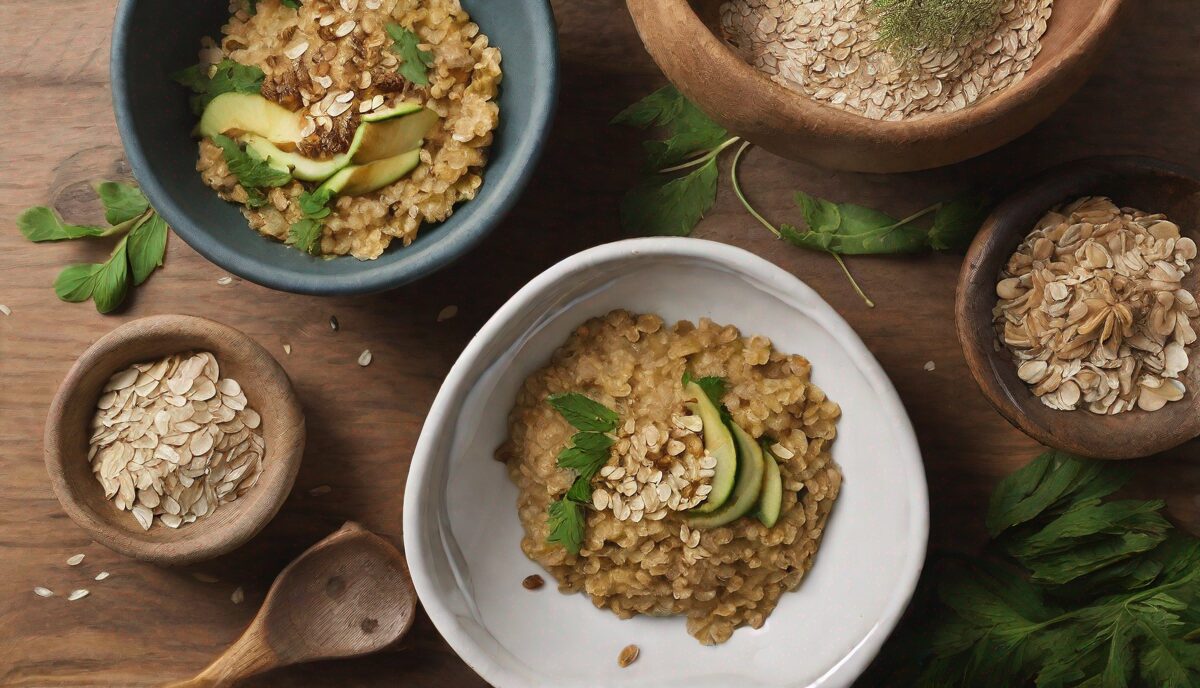
Oats are a staple breakfast choice for their health benefits and ease of preparation. But if you think oats are only meant for sweet toppings like fruits and honey, think again. Savory oats are a game-changer for your morning routine, and incorporating herbs can elevate your dish to new flavorful heights. In this article, we explore how to turn your ordinary oatmeal into a gourmet, herb-infused meal that will kickstart your day with a burst of flavor and nutrition.
Why Choose Savory Oats?
Opting for savory oats can be a refreshing change from the usual sweet oatmeal. Apart from being delicious, savory oats are an excellent way to incorporate more vegetables and herbs into your breakfast, which can increase your nutrient intake first thing in the morning. Plus, they’re a warm and comforting option that’s perfect for any season.
Benefits of Adding Herbs to Your Oats
Herbs are not only packed with flavor but also boast a myriad of health benefits. They’re rich in antioxidants, have anti-inflammatory properties, and can aid in digestion. By adding herbs to your oats, you’re enhancing both the taste and the nutritional value of your meal.
The Ultimate Savory Oatmeal Recipe
Let’s dive into the ultimate savory oatmeal recipe that is sure to transform your breakfast experience. Here’s what you’ll need:
- 1 cup of rolled oats
- 2 cups of vegetable broth or water
- 1 tablespoon of olive oil
- 1/4 cup of chopped onions
- 1 garlic clove, minced
- 1/4 cup of chopped bell peppers
- 1/4 cup of fresh herbs (such as parsley, thyme, and chives)
- Salt and pepper to taste
- Optional toppings: poached egg, avocado slices, cherry tomatoes
Directions:
- Heat the olive oil in a pan over medium heat. Add the onions and garlic, and sauté until translucent.
- Add the bell peppers and sauté for a couple of minutes.
- Pour in the vegetable broth or water and bring to a boil. Stir in the oats and reduce the heat to a simmer.
- Cook the oats until they’re soft and have absorbed the liquid, about 5-7 minutes.
- Remove from heat and stir in the fresh herbs. Season with salt and pepper to taste.
- Serve hot with your choice of toppings.
Experimenting with Different Herbs and Spices
Don’t be afraid to get creative with your savory oats. Experiment with different combinations of herbs and spices to find what excites your palate. Try rosemary, oregano, or basil for an Italian twist, or cilantro and cumin for a Mexican-inspired dish. The possibilities are endless.
Tips for the Perfect Savory Oats
For the best results, use rolled oats for a creamier texture. If you’re in a hurry, quick oats can be used as a faster alternative. Always taste as you go and adjust the seasoning to your preferences. And remember, the key to delicious savory oats is in the freshness of your herbs, so try to use them straight from the garden or the market.
Mastering Advanced Herbal Infusion Techniques
While stirring fresh herbs into your oats at the final stage of cooking provides a bright, immediate flavor, truly gourmet savory oats rely on layering herbal notes through multiple infusion techniques. To achieve a professional-grade depth of flavor, consider the “decoction” method. Instead of using plain water or standard vegetable broth, simmer hardy herbs like rosemary sprigs, bay leaves, or dried shiitake mushrooms in your cooking liquid for 15 minutes before adding the oats. This creates a botanical base that permeates the grain from the inside out, rather than just coating the exterior.
Another technique involves the “blooming” of dried herbs. Unlike fresh herbs, which are delicate, dried herbs like marjoram, savory, or oregano contain fat-soluble volatile oils that require heat and a lipid to unlock. Before adding your liquid, sauté your dry oats in a small amount of ghee or avocado oil along with your dried herbs for 60 to 90 seconds. You will notice the aroma intensify as the heat breaks down the cellular walls of the dried botanicals, allowing the flavor to bond with the natural oils of the oat groat. This method prevents the “dusty” or muted taste often associated with dried herbs and ensures a consistent flavor profile throughout the dish.
For a cold-infusion approach, especially useful for overnight savory oats, consider using herbal-steeped nut milks. Steeping crushed lemongrass or bruised kaffir lime leaves in unsweetened cashew milk overnight in the refrigerator creates a fragrant, creamy base. When you combine this with the oats the following morning, the result is a complex, aromatic porridge that mimics the flavor profile of a refined Thai coconut soup, providing a sophisticated start to the day that far exceeds the simplicity of basic seasoning.
Global Herbal Profiles: Regional Savory Oat Inspirations
Expanding your herbal repertoire allows you to travel the world through your breakfast bowl. Consider the Levantine profile, which moves beyond the standard parsley and chives. Utilize a heavy hand of fresh dill paired with dried mint and sumac. The cooling sensation of the mint contrasts beautifully with the earthy warmth of the oats, while the sumac provides a citric tang that mimics lemon juice without the added moisture. This profile works exceptionally well when topped with a dollop of labneh or thick Greek yogurt, creating a creamy, herbaceous experience that is both filling and refreshing.
In East Asian-inspired savory oats, the focus shifts to “aromatics”—a sub-category of herbs and roots. Finely minced ginger and scallion whites should be sautéed first to create a pungent base. However, the true herbal elevation comes from the addition of shiso leaves (perilla) or Thai basil at the very end. Shiso offers a complex flavor profile—notes of cinnamon, anise, and basil—that cuts through the starchiness of the oats. If you are looking for a more robust, earthy tone, incorporating ground turmeric and fresh cilantro stems (which have more flavor and crunch than the leaves) creates a vibrant, golden bowl that pairs perfectly with a drizzle of toasted sesame oil.
French-style savory oats, or “Avoine aux Herbes,” rely on the classic *fines herbes* quartet: parsley, chives, tarragon, and chervil. The key here is the tarragon, which provides a sophisticated licorice-like undertone. To prevent the tarragon from becoming bitter, it must be added only seconds before serving. This profile is best executed with steel-cut oats, as their chewy texture mimics a traditional risotto. Finish the dish with a knob of cultured butter and a sprinkle of fleur de sel to allow the delicate herbal notes to shine without being overshadowed by heavy spices.
The Texture Revolution: Using Grains and Toppings to Enhance Herbs
The success of savory oats is as much about mouthfeel as it is about flavor. While rolled oats are excellent for a creamy consistency, steel-cut oats (also known as Irish or pinhead oats) offer a nutty, resilient texture that holds up better against heavy herbal oils and chunky vegetable additions. If you find the texture of oats too uniform, try a “grain blend” by mixing oats with a small portion of buckwheat groats or quinoa. These additions provide a structural contrast that prevents the herbs from feeling “lost” in a soft porridge.
To further enhance the herbal experience, focus on “crispy” herbal elements. Instead of just chopping sage, try flash-frying whole sage leaves in a tablespoon of olive oil until they become translucent and brittle. These “herbal chips” provide a concentrated burst of flavor and a satisfying crunch that contrasts with the soft oats. Similarly, making an herbal crumble—a mixture of toasted panko breadcrumbs, lemon zest, and finely minced rosemary—can be sprinkled over the top just before serving. This protects the herbs from the steam of the oats, ensuring they remain vibrant and crisp rather than wilting into the base.
Edge cases, such as using whole oat groats, require a much longer cooking time (often 45-60 minutes) but offer the most “savory” experience. Because groats are the least processed form of the grain, they can be treated almost like farro or barley. This allows for long-simmering herbal infusions with woody stems like thyme and rosemary that would otherwise overwhelm more delicate rolled oats. The result is a chewy, salad-like breakfast that bridges the gap between a morning cereal and a sophisticated grain pilaf.
Umami Synergy: Pairing Herbs with Fermented Elements
Herbs often need a savory “anchor” to prevent them from tasting too medicinal or grassy. This is where umami-rich fermented ingredients come into play. Nutritional yeast is a common vegan addition, providing a cheesy flavor, but for a more complex herbal interaction, look toward miso paste. Whisking a teaspoon of white miso into your oats along with fresh chives creates a savory depth that enhances the natural sweetness of the grain. The saltiness of the miso acts as a flavor magnifier for the herbs, making even a small amount of parsley taste significantly more intense.
Another powerful combination is the use of preserved lemons and mint. Preserved lemons, fermented in salt and their own juices, offer a funky, floral acidity that transforms a standard bowl of oats. When paired with the brightness of fresh mint and a heavy crack of black pepper, the result is a North African-inspired dish that is both complex and deeply savory. For those who enjoy a bit of heat, fermenting your own herbal chili oil—by steeping dried bird’s eye chilies and oregano in oil for several weeks—provides a finishing drizzle that adds both spice and a fermented herbal backnote.
Don’t overlook the power of fermented herbs themselves. Lacto-fermented ramps or garlic scapes can be finely minced and folded into the oats. These ingredients bring a sour, probiotic punch that balances the starch. Because fermentation changes the chemical structure of the herbs, the sharp “bite” of raw garlic or onion is replaced by a mellow, rounded savory flavor that lingers on the palate, making the oats feel like a complete, chef-driven meal rather than a quick breakfast fix.
Seasonal Herbal Transitions: Adapting Your Bowl Through the Year
The availability of herbs changes with the seasons, and your savory oat recipes should follow suit to ensure the highest nutrient density and flavor. In the spring, focus on “tender” herbs and wild forage. This is the time for lovage, which tastes like a concentrated cross between celery and parsley, and wild garlic. These early-season herbs are delicate and should be used raw as a garnish. Pair them with spring peas and a light lemon zest to celebrate the end of winter. The lightness of these herbs requires a thinner oat consistency, perhaps achieved by using a bit more broth for a “soupy” oat experience.
As summer arrives, the herbal profile shifts toward the resinous and robust. Basil, oregano, and marjoram thrive in the heat and can stand up to the addition of grilled summer squash or heirloom tomatoes in your oats. This is also the season for herbal pestos. Instead of a traditional pine nut and basil pesto, try a walnut and arugula-cilantro pesto swirled into your oats. The bitterness of the arugula and the citrus notes of the cilantro provide a cooling effect that makes savory oats palatable even on warmer mornings.
In the autumn and winter, transition to “woody” herbs that provide a sense of warmth and comfort. Thyme, sage, and rosemary are the stalwarts of the cold months. These herbs pair exceptionally well with earthy root vegetables like roasted butternut squash or sautéed mushrooms. Because these herbs are more potent, they should be used sparingly and cooked *with* the oats to mellow their intensity. A winter savory oat bowl might feature steel-cut oats cooked with a sprig of rosemary, topped with toasted pecans and a drizzle of maple syrup—not for sweetness, but to provide a woody, forest-like flavor that complements the herbal bitterness.
Botanical Fats: Infusing Lipids for Maximum Flavor Delivery
Since many of the flavor compounds in herbs are fat-soluble, the choice of fat used in your savory oats is a critical vehicle for herbal delivery. Instead of just using plain olive oil, create a “botanical butter” or an infused oil to use as the base of your dish. For example, browning butter (beurre noisette) with whole sage leaves creates a nutty, toasted flavor profile that coats each oat grain in a savory, aromatic film. The milk solids in the butter caramelize, providing a backdrop that makes the sage taste less like a leaf and more like a savory spice.
If you prefer a plant-based approach, cold-pressed nut oils like walnut or hazelnut oil offer a unique canvas for herbs. These oils have low smoke points, so they should be used as a finishing touch rather than a cooking medium. Drizzling a walnut oil infused with dried thyme over a bowl of oats topped with sautéed mushrooms creates a luxurious, earthy experience. The fat molecules trap the herbal aromas, ensuring that the scent of the herbs reaches your olfactory receptors before the first bite, which significantly enhances the perceived flavor.
For a more modern twist, consider using coconut oil infused with kaffir lime and ginger. While coconut is often associated with sweet dishes, its high saturated fat content makes it an excellent carrier for the pungent, citrusy notes of Southeast Asian herbs. When used to sauté the dry oats before adding broth, the coconut oil creates a moisture barrier that helps the oats maintain their individual shape, resulting in a fluffier, less “mushy” texture that carries the herbal notes with clarity and precision.
Troubleshooting and Balancing: The Science of Herbal Harmony
One common pitfall when working with savory oats is the “muddy” flavor that occurs when too many herbs are mixed haphazardly. To avoid this, follow the rule of “Lead and Support.” Choose one dominant herb (the lead), such as tarragon or basil, and use others (the support), like parsley or chives, to provide background depth. If your oats taste too “grassy,” it is often a sign of an acid deficiency. A small squeeze of lemon juice or a teaspoon of apple cider vinegar can instantly brighten the herbal notes, cutting through the heavy starches and bringing the flavors back into balance.
Bitterness is another common issue, particularly when using herbs like rosemary or oregano which can become acrid if overcooked or if the stems are included. To fix a bitter bowl, add a tiny pinch of salt or a small amount of fat (like a splash of heavy cream or a teaspoon of almond butter). Salt suppresses the tongue’s ability to perceive bitterness, while fat coats the palate and mellows the sharp herbal edges. If the texture becomes too “slimy”—a common complaint with oats—ensure you are not over-stirring. Stirring releases excess starch; for a cleaner, more herbal-forward dish, let the oats simmer undisturbed and fold in the herbs gently at the very end.
Finally, consider the “soapy” factor associated with cilantro. For some, this is a genetic trait, but for others, it’s a result of using older, bolting cilantro. If you find cilantro overwhelming, try substituting with flat-leaf parsley and a squeeze of lime, or use the roots and stems of the cilantro rather than the leaves, as they contain a more peppery, less soapy flavor profile. By understanding the chemical interactions between the herbs and the oat starches, you can troubleshoot any bowl and ensure a consistent, gourmet result every time.
FAQ
Can I use instant oats for this recipe?
Yes, you can use instant oats, but the texture will be less creamy compared to rolled oats. Adjust the cooking time according to the package instructions.
Are savory oats gluten-free?
Oats are naturally gluten-free, but ensure they are not contaminated with gluten during processing. Always check the packaging if you’re sensitive to gluten.
How can I add more protein to my savory oats?
Incorporate ingredients like a poached egg, tofu, or lean chicken strips to boost the protein content of your savory oats.
Can I make savory oats vegan?
Absolutely! Use vegetable broth, omit the optional egg topping, and ensure any add-ins are plant-based.
How long can I store leftover savory oats?
Leftover savory oats can be stored in an airtight container in the refrigerator for up to 3 days. Reheat on the stove or in the microwave before serving.
Related posts:
 The Overnight Oats Recipe That Changed Everything for the Lactose Intolerant
 Understanding Oat Milk
 Creative Cilantro Recipes You’ll Love
 Beyond Breakfast: The Plant-Based Sausage That’s Changing the Morning Game
 How to Reduce Sodium Intake Without Losing Flavor
 Fresh Watermelon Salsa Recipe
 The Ultimate Oat Milk Showdown: Which Creamy Alternative Reigns Supreme?
 15-Minute Dairy-Free Dinner Ideas