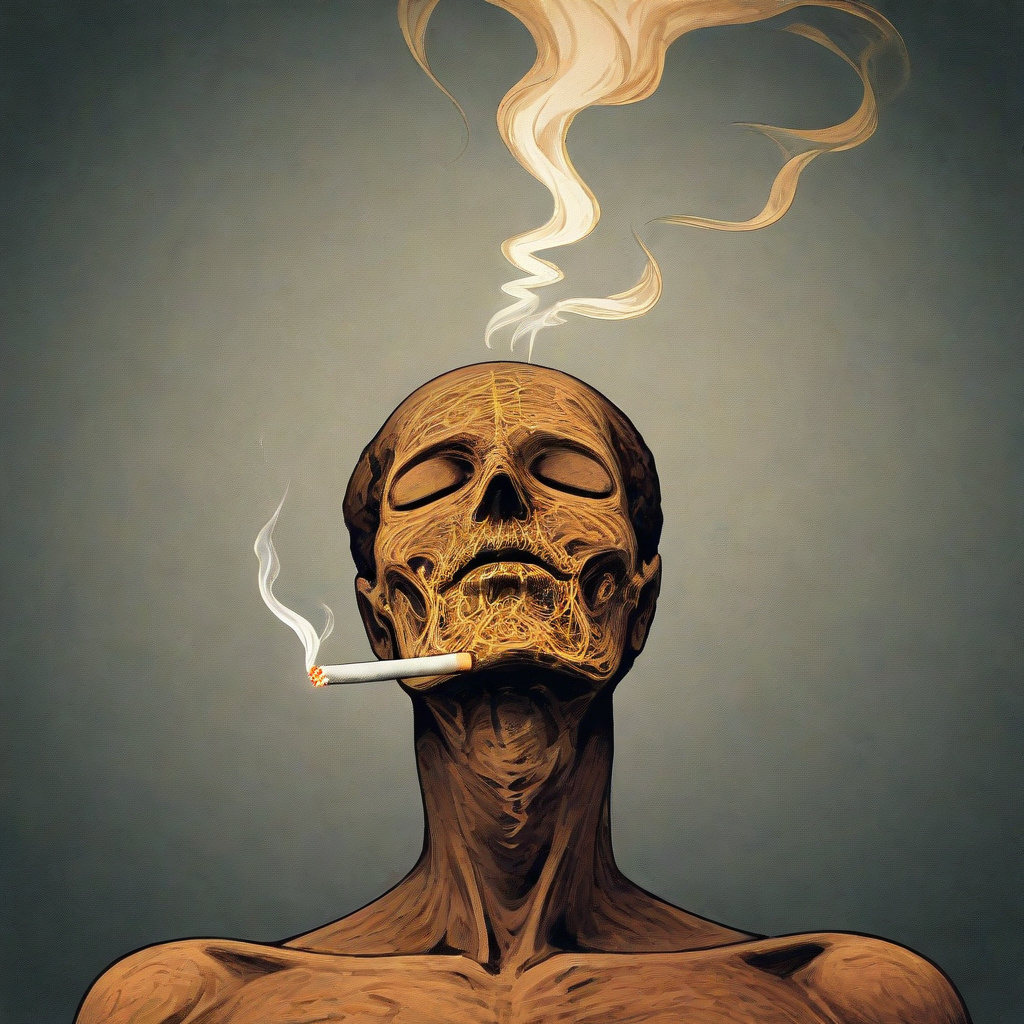
In the modern Western world, tobacco is frequently viewed through the lens of public health crises, addiction, and corporate commercialization. However, if we peel back the layers of industrial processing and look into the deep history of human-plant relationships, a very different picture emerges. For thousands of years, indigenous cultures across the Americas have revered tobacco as one of the most sacred and powerful medicines in the plant kingdom. Far from being a mere stimulant or a recreational habit, tobacco is used for energy healing, spiritual protection, and as a medium for communication with the divine. This ancient practice, often referred to as using “Grandfather Tobacco,” focuses on the energetic properties of the plant rather than the physical consumption for pleasure. Understanding how to use tobacco for energy healing requires a shift in perspective—from seeing the plant as a commodity to respecting it as a sentient teacher and a powerful energetic tool.
When we discuss tobacco in a spiritual context, we are typically referring to Nicotiana rustica, known as Mapacho in the Amazon, or organic, additive-free Nicotiana tabacum. These varieties differ significantly from commercial cigarettes, which contain hundreds of chemical additives designed to increase addiction and alter the burning process. In energy healing, the purity of the plant is paramount. The goal is to work with the plant’s natural spirit to clear blockages, ground the physical body, and protect the practitioner’s energetic field. By approaching tobacco with intention and reverence, individuals can tap into a tradition of healing that predates modern medicine, focusing on the subtle vibrations that govern our emotional and spiritual well-being.
The Sacred Origins of Mapacho and Ritual Tobacco
To understand the role of tobacco in energy healing, one must first appreciate its botanical and cultural roots. Nicotiana rustica, or Mapacho, is a potent variety of tobacco native to the rainforests of South America. It contains up to twenty times more nicotine than common commercial tobacco, but in a ceremonial setting, it is used very differently. In indigenous cosmologies, tobacco is often considered the “first plant” or the “master teacher.” It is believed to have a strong, masculine spirit that provides clarity, strength, and protection. Unlike other teacher plants that may induce visions or altered states of consciousness, tobacco is known for its ability to ground the user, bringing them back to the present moment and the physical earth.
Historically, tobacco was not smoked for recreation. It was used in rituals to seal treaties, heal the sick, and offer gratitude to the spirits of nature. The act of smoking or blowing tobacco was seen as a way to carry prayers to the heavens, as the smoke rises and dissipates into the ether. In many traditions, tobacco is considered the food of the spirits; by offering tobacco, a practitioner establishes a relationship of reciprocity with the spiritual world. This foundation of respect and sacredness is essential for anyone looking to incorporate tobacco into their energy healing practice today. Without the correct intention, the plant’s power can become distorted, leading to the very issues of addiction and stagnation that spiritual practice seeks to resolve.
Tobacco as a Bridge: The Energetic Properties of the Plant
In energy healing, every plant carries a specific vibrational frequency. Tobacco is uniquely characterized by its intense grounding and clearing properties. It is often associated with the element of Earth and the Root Chakra, the energy center located at the base of the spine that governs our sense of safety, stability, and belonging. When a person feels “spaced out,” anxious, or disconnected from their body, tobacco can be used to pull their energy back down into the physical plane, providing an immediate sense of centeredness.
Furthermore, tobacco is regarded as a powerful “cleaner.” Just as we wash our physical bodies, our energetic bodies (the aura) can accumulate “hucha” or heavy, dense energy from our environment and interactions. Tobacco smoke is believed to have the ability to bind to these heavy energies and carry them away. This is why you will often see shamans or energy healers blowing smoke over a person’s head, hands, and heart. The plant acts as a bridge between the physical and the metaphysical, allowing the healer to manipulate energy through the medium of smoke and breath. It provides a protective shield, preventing negative influences from entering a person’s space while they are in a vulnerable or healing state.
The Art of the Soplada: Cleansing the Auric Field
One of the most common techniques for using tobacco in energy healing is the soplada. This is the practice of blowing tobacco smoke onto a person or into a space with a specific healing intention. The soplada is more than just exhaling smoke; it is an intentional movement of energy. The practitioner takes a puff of sacred tobacco (usually without inhaling it into the lungs, but rather keeping it in the mouth) and then blows it forcefully or gently onto the crown of the head, the back, the palms, or specific areas of the body where energy feels stagnant.
During a soplada, the healer focuses their mind on the desired outcome—whether that is clearing a headache, removing emotional trauma, or sealing a person’s energy field after a deep healing session. The smoke acts as a physical representation of the healer’s breath and intent. It is said that the spirit of the tobacco enters the client’s energetic field through the smoke, breaking up blockages and restoring the natural flow of prana or chi. For those practicing self-healing, a soplada can be performed by blowing smoke into one’s own hands and then “washing” the body with the smoke, similar to the practice of smudging with sage or palo santo.
Tobacco Offerings: Reciprocity and the Principle of Ayni
In Andean and Amazonian traditions, the concept of Ayni, or sacred reciprocity, is central to all life. It suggests that in order to receive a blessing or a healing, one must also give something back. Tobacco is the primary medium for this exchange. Using tobacco for energy healing isn’t always about smoking; it is frequently about making offerings to the Earth (Pachamama) or to the spirits of the land. This practice helps to harmonize the individual’s energy with the environment around them.
A simple tobacco offering involves placing a small amount of loose, natural tobacco on the ground, under a tree, or in a body of water while offering a prayer of gratitude. This act signals to the spiritual world that you are aware of your connection to the web of life. Energetically, this practice helps to dissolve the ego and fosters a state of humility and openness. When we give tobacco to the earth, we are essentially saying, “I recognize that I am part of this system, and I thank you for supporting my life.” This shift in consciousness can be profoundly healing for those struggling with feelings of isolation, depression, or a lack of purpose.
Shamanic Perspectives: The Role of Tobacco in Ceremony
In shamanic ceremonies, particularly those involving other plant medicines like Ayahuasca or San Pedro, tobacco plays a vital role as a “director” or “protector.” It is often used to “hold the space,” ensuring that the energetic environment remains clear and safe for the participants. The shaman may smoke a large cigar (mapacho) throughout the night, using the smoke to clear the room of any purging energies or “darkness” that may be released by the participants.
Tobacco is also used to “call in” specific spirits or energies. Different ways of blowing the smoke or different rhythms of smoking can signal different intentions. In this context, tobacco is like a spiritual telephone; it clarifies the line of communication between the human realm and the spirit realm. For an energy healer, incorporating tobacco means having a reliable tool to maintain their own energetic integrity while working with others. It helps the healer stay grounded so they don’t “take on” the problems or the heavy energy of their clients. This protective quality is one of the most valued aspects of tobacco in the shamanic toolkit.
Emotional Release and Grounding the Root Chakra
From an energetic standpoint, emotional trauma often manifests as “tightness” in the solar plexus or a “floating” feeling where the individual is not fully present in their body. Tobacco’s heavy, earthy vibration is particularly effective at addressing these issues. When used with the intention of emotional release, the scent and the presence of the plant can act as an anchor, allowing the person to feel safe enough to process difficult feelings. It provides a “container” for the emotional experience.
Working with the Root Chakra, tobacco helps to resolve fears related to survival and physical existence. By grounding the energy, it allows the individual to stand their ground and feel a sense of internal authority. In energy healing sessions focused on trauma, tobacco might be used to help the client “come back down” after a particularly intense emotional release. The stabilizing effect of the plant helps to integrate the healing, ensuring that the insights gained during the session are translated into a stable, grounded physical reality. This integration is crucial; without it, spiritual experiences can remain fleeting and fail to produce lasting change in one’s life.
Ethical Considerations and Cultural Sensitivity
As interest in indigenous healing practices grows, it is vital to approach the use of tobacco with deep cultural sensitivity and ethical awareness. This is not a practice to be taken lightly or used as a “trendy” alternative to other forms of smudging. Many indigenous communities have suffered significantly due to the exploitation of their sacred medicines. When using tobacco for energy healing, it is important to source the plant responsibly. Avoid commercial brands that are tied to destructive industrial practices and instead seek out organic, fair-trade, or traditionally prepared tobacco from sources that support indigenous livelihoods.
Furthermore, one must respect the lineage of these practices. If you are not from a culture that traditionally uses tobacco in this way, it is helpful to learn from qualified teachers or elders who can provide the proper context and training. Cultural appropriation occurs when sacred tools are used without understanding their history or respecting the people they come from. By approaching tobacco with humility and a willingness to learn, you honor the plant and the traditions that have kept this knowledge alive for millennia. This respect is, in itself, a form of energy healing, as it fosters harmony and integrity within the practitioner.
Safety First: Navigating the Physical Risks of Tobacco
While the spiritual and energetic benefits of tobacco are significant, we cannot ignore the physical realities of the plant. Nicotine is a highly addictive substance, and the combustion of any organic material produces carcinogens. In energy healing, the intention is never to encourage a smoking habit or to dismiss the health risks associated with chronic tobacco use. The distinction lies in the way the plant is used: ritual use is occasional, intentional, and usually involves no inhalation into the lungs.
For those who have a history of nicotine addiction, using tobacco for energy healing may be contraindicated, as it could trigger a relapse into habitual, unconscious smoking. In such cases, the person can still work with the “spirit” of tobacco through non-smoking methods, such as placing a dried leaf on an altar, using a tobacco-infused water (with extreme caution, as liquid tobacco can be toxic if ingested), or simply offering the dry leaf to the earth. Safety also involves being mindful of others; always ensure you have consent before blowing smoke near someone and be aware of allergies or respiratory conditions. The goal of energy healing is to promote life and vitality, so the physical well-being of the practitioner and the client must always be a priority.
The Alchemy of Breath and Sound: Icaros and Tobacco
In many indigenous traditions, tobacco smoke is rarely used in silence. It is frequently accompanied by icaros—sacred songs or whistled melodies that act as the steering mechanism for the plant’s energy. While the tobacco provides the power and the raw clearing force, the icaro provides the direction. For a practitioner engaged in energy healing, the combination of sound vibration and tobacco smoke creates a multi-dimensional healing tool. The vibration of the voice carries the spirit of the tobacco deeper into the client’s energetic layers, reaching places where smoke alone might not penetrate.
When working with sound, the healer often whistles into the tobacco before lighting it, essentially “charging” the leaves with a specific frequency. As the smoke is later blown (the soplada), the song is sung into the smoke. This is particularly effective for breaking up dense energetic “crystallizations”—those stubborn areas of the aura where old traumas have hardened into semi-permanent blockages. For instance, if a client is struggling with a specific grief that feels like a heavy weight on the chest, the healer may use a high-pitched, piercing whistle combined with a sharp burst of Mapacho smoke to shatter that density. Conversely, a low, melodic hum paired with slow, swirling smoke can be used to soothe an overactive nervous system or a frayed energetic field after a period of intense stress.
The Path of the Dieta: Building a Relationship with the Plant Spirit
To truly master tobacco for energy healing, one does not simply use the plant; one enters into a formal relationship with it. In the Amazonian tradition, this is known as a dieta (diet). This is an intensive period of apprenticeship where the practitioner isolates themselves in nature, adheres to a very strict food regimen (usually no salt, sugar, oil, or red meat), and consumes tobacco in various forms under the guidance of a master. The goal of the dieta is to clear the practitioner’s own vessel so that the “spirit” of the tobacco can take up residence within their energetic body. This process transforms the healer into a conduit for the plant’s wisdom.
During a tobacco dieta, the practitioner may experience vivid dreams where the spirit of tobacco appears—often as a strong, protective grandfather figure or a powerful warrior. These dreams are considered teachings, where the plant reveals specific techniques for healing or provides the practitioner with their own unique icaros. Once a dieta is completed, the healer no longer just uses tobacco; they are working in partnership with a sentient ally. This relationship allows the healer to call upon the tobacco’s protection even when the physical plant is not present. For the modern seeker, while a full jungle dieta may not be feasible, a “mini-dieta” of several days spent in quiet contemplation with the plant, while maintaining a clean diet and specific intentions, can significantly deepen the efficacy of their energy work.
Liquid Applications: The Ritual of Singada and Ambil
While smoke is the most visible medium, tobacco is also used in liquid and paste forms for profound energetic shifts. Singada is a practice found in the northern Andes where tobacco leaves are macerated in water (often mixed with alcohol, perfumes, or sacred spring water). This liquid is then snuffed into the nostrils. Energetically, this is described as a “lightning bolt” to the pineal gland. It is used to clear mental clutter, sharpen intuition, and provide an immediate, albeit intense, grounding. In a healing session, a practitioner might use singada to help a client who is “stuck in their head,” unable to access their feelings or the present moment. The shock to the system forces the energy out of the overactive mind and back into the body.
Another form is ambil, a thick, dark tobacco resin made by boiling down tobacco leaves for many hours, often mixed with the alkaline ash of specific trees. Ambil is placed on the gums or tongue. In traditional circles, ambil is the “medicine of the word.” It is used during communal councils to ensure that everyone speaks from a place of truth, integrity, and heart. For energy healing, ambil can be used to clear the Throat Chakra. If a person feels unable to speak their truth or has a history of “swallowing” their emotions, a tiny amount of ambil can be used ritualistically to help dissolve the energetic constriction in the throat area, allowing for a more authentic expression of the self.
Energetic Architecture: Using Tobacco to Seal and Protect the Home
Tobacco’s protective qualities extend beyond the human body to the environments we inhabit. In energy healing, the space in which we live and work is seen as an extension of our own auric field. If a room feels “heavy,” “cold,” or “unsettling,” tobacco can be used to perform what is known as an energetic sealing. This is more intensive than a simple smudging. The practitioner begins at the entrance of the space and moves clockwise, blowing smoke into every corner, window frame, and doorway. Corners are particularly important, as they are believed to be places where stagnant energy (hucha) tends to accumulate.
To seal a room, one might blow a thick cloud of smoke into a corner and then use a hand gesture—such as a cross or a circle—to “lock” the tobacco’s protective energy into the walls. This creates an energetic “mesh” that filters out external negativity while allowing positive, high-vibrational energy to circulate. For those living in high-stress urban environments or apartment buildings where the energies of neighbors can bleed through the walls, this ritual can be performed monthly. It is also highly effective after an illness or a major argument in the home, as it helps to reset the vibrational frequency of the space to a neutral, grounded baseline.
The Sacred Pipe: Geometry and Symbolism in Tobacco Healing
The tool used to deliver tobacco smoke is as significant as the plant itself. In North American indigenous traditions, the sacred pipe (often called a chanunpa) is a profound symbol of the universe. The bowl, usually made of red stone (catlinite) or clay, represents the feminine principle and the Earth. The wooden stem represents the masculine principle and all that grows upon the Earth. When the two are joined, the pipe becomes a living bridge between Heaven and Earth. Smoking the pipe is an act of cosmic union.
In energy healing, the pipe acts as a localized altar. The practitioner loads the pipe with pinches of tobacco, each representing a different prayer or a different direction (North, South, East, West, Above, Below, and Within). This process of “loading the pipe” is a meditative act that gathers the healer’s intent into a physical form. When the pipe is lit, those prayers are released into the ether. For the healer, the pipe provides a focused channel for their breath. The long stem allows the smoke to cool slightly before it reaches the mouth, and the physical weight of the pipe helps the healer remain physically anchored while they are navigating the subtle, sometimes disorienting realms of a client’s energetic body. Understanding the pipe as a sacred geometric tool helps the practitioner move away from the casual use of cigarettes and toward a more structured, ceremonial approach.
Tobacco for Ancestral Healing and Lineage Clearing
One of the more advanced applications of tobacco in energy healing is its use in addressing ancestral trauma. Many cultures believe that we carry the unresolved emotions and energetic debts of our ancestors in our DNA and our subtle bodies. Tobacco, as an “ancient one,” is believed to have the authority to communicate with the spirits of the dead and to help clear these inherited burdens. In this context, tobacco is offered not just for the individual present, but for the seven generations that came before them.
A practitioner might perform a ceremony where tobacco smoke is blown specifically down the spine—the energetic highway of the lineage—while calling upon the client’s ancestors to step forward and receive the offering. The smoke acts as a medium of nourishment and reconciliation. If there is a family history of addiction, displacement, or violence, tobacco can be used to “feed” the hungry spirits of the past, providing them with the energetic sustenance they need to move on, thereby releasing the living descendant from the weight of that history. This is often a deeply emotional process, as the client may feel a literal “unburdening” of their back or shoulders as the tobacco works to untangle the energetic threads of the past.
Advanced Soplada Techniques: Targeted Energy Mapping
While a general soplada cleanses the entire aura, advanced practitioners use tobacco smoke to target specific “power points” or “vulnerable gates” on the physical body. These are often locations where the physical and energetic bodies are most closely knit, such as the fontanelle (crown), the temples, the nape of the neck, the solar plexus, the palms of the hands, and the soles of the feet. For instance, blowing smoke into the palms of a client who is a healer themselves can help to “recharge” their ability to channel energy and protect them from taking on the “slime” of their own clients.
Another specific technique involves the “back heart”—the area between the shoulder blades. In many traditions, this is considered the place where we are most vulnerable to “psychic darts” or the negative projections of others. A strong, concentrated soplada to this area, followed by a “brushing” motion with a feather or the hands, can remove these energetic intrusions. Furthermore, the joints (knees, elbows, ankles) are seen as hinges where energy can become “stuck” or “rusty.” Blowing smoke into these joints during a session can restore flexibility not just to the physical body, but to the person’s life path, helping them to move forward when they feel paralyzed by indecision or fear. These targeted techniques require a steady hand and a deep understanding of the body’s subtle anatomy, ensuring that the tobacco’s power is applied exactly where it is needed most.
Integrating Tobacco Healing into Modern Self-Care
Integrating tobacco into a modern self-care routine does not require one to become a shaman. It can be as simple as using the plant to mark the beginning and end of a meditation session or using it to clear your home office after a stressful day of work. The key is the transition from unconscious consumption to conscious ritual. You might keep a small pouch of organic tobacco in your meditation space. Before you begin, you could hold a small amount in your hand, set an intention for your practice, and then place it in a bowl as an offering.
If you choose to use smoke, do so sparingly and with a clear focus. Light a natural tobacco leaf or a hand-rolled cigarette, take a moment to connect with the scent, and visualize the smoke clearing away any mental fog or anxiety. As you exhale, imagine you are releasing anything that no longer serves you. This simple ritual can transform a mundane moment into a sacred one, providing a sense of structure and spiritual support in a fast-paced world. By reclaiming tobacco as a sacred tool for energy healing, we move away from the patterns of addiction and toward a relationship of respect, balance, and profound grounding.
Frequently Asked Questions
1. Do I have to inhale the smoke for it to work in energy healing?
No, in most traditional energy healing practices involving tobacco, the smoke is not inhaled into the lungs. Instead, it is taken into the mouth and then blown out. The healing occurs through the energetic presence of the plant and the intention behind the breath, rather than through the systemic absorption of nicotine into the bloodstream. This method minimizes physical health risks while still allowing the practitioner to work with the plant’s elemental properties.
2. What is the difference between “sacred” tobacco and store-bought cigarettes?
The primary difference lies in both the chemical composition and the intention. Commercial cigarettes contain numerous additives like formaldehyde, arsenic, and ammonia, which are harmful and designed to increase addiction. Sacred tobacco, such as Mapacho or organic whole-leaf tobacco, is pure and free of these chemicals. Furthermore, sacred tobacco is grown and harvested with spiritual intent, whereas commercial tobacco is produced as a mass-market commodity. The energetic “signature” of a chemically treated cigarette is very different from that of a pure, natural leaf.
3. Can I use tobacco for healing if I am a former smoker?
This requires a great deal of self-awareness. For some former smokers, the smell or presence of tobacco can trigger cravings and lead back to addiction. If this is a risk for you, it is better to avoid the smoke entirely. You can still work with the energetic spirit of tobacco by using the dry leaves as an offering to the earth or keeping a leaf on your altar as a symbol of grounding and protection. Your healing journey should never compromise your recovery from addiction.
4. How does tobacco “clear” negative energy?
Energetically, tobacco has a very high, dense, and “bright” vibration that is said to be incompatible with lower-vibrational energies like fear, anger, or stagnant grief. When the smoke or the presence of the plant is introduced into an energy field, it acts like a spiritual vacuum or a powerful solvent, breaking up the density of the “heavy” energy. The intention of the healer directs this process, using the tobacco as the fuel or the medium to move the energy out of the person’s space.
5. Are there any alternatives to tobacco for those who don’t want to use it?
Yes, many other plants offer similar clearing and grounding properties. Sage, Palo Santo, Cedar, and Copal are all excellent for clearing energy. For grounding specifically, working with stones like Black Tourmaline or Hematite, or spending time barefoot on the earth, can provide similar benefits. However, each plant has its own unique “personality,” and tobacco is uniquely valued for its intense protective and “masterful” qualities. If you choose not to use tobacco, you can still achieve great results with other sacred plants, provided your intention is clear.
Related posts:
 The Hidden Dangers of Thirdhand Smoke
 A Smoke-Free Lifestyle: The Rise of Nicotine Pouches
 Moonstone Magic: Unlocking the Mystical Powers of This Celestial Gem
 Finding the Right Holistic Healer
 July Energy Horoscope with Rockstar Shaman Alyson Charles
 Moving the Winds: Curandera Wisdom
 Discovering Earth’s Sacred Energy Points: A Journey Through Our Planet’s Chakras
 Reiki for Beginners: Channel Your Inner Energy Healer