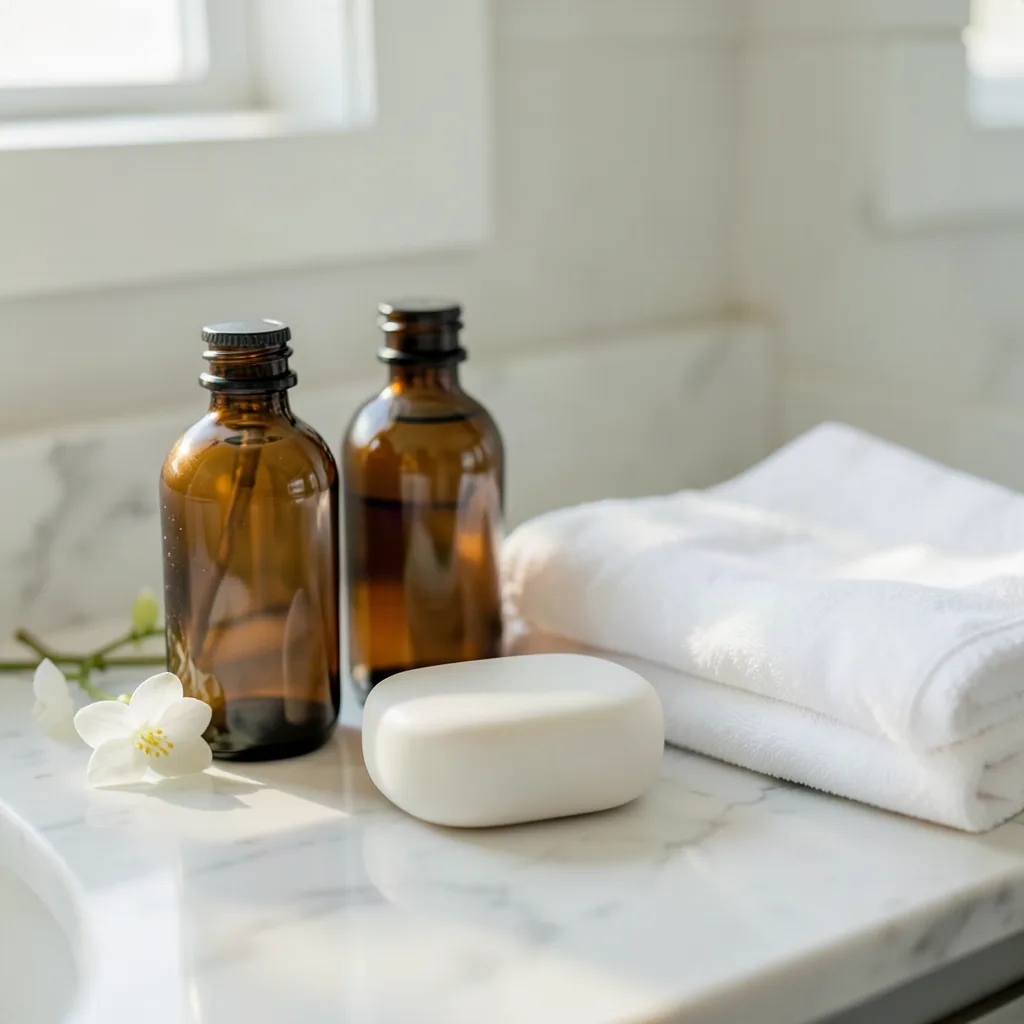
Maintaining vaginal health is a fundamental aspect of overall wellness, yet it remains a topic often shrouded in misinformation and unnecessary marketing pressure. The delicate ecosystem of the vagina is self-regulating, utilizing a complex balance of beneficial bacteria, primarily lactobacilli, to maintain an acidic pH. Understanding how to support this natural balance versus how to avoid disruptive practices is the cornerstone of effective vaginal care.
Key takeaways
- Avoid internal douching, as the vagina is self-cleaning and douching disrupts the protective pH balance and bacterial ecosystem.
- Use mild, fragrance-free, pH-balanced soaps or warm water for external vulvar cleansing to prevent irritation and contact dermatitis.
- Wear breathable cotton underwear and avoid synthetic fabrics to reduce moisture and heat that encourage yeast and bacterial growth.
- Choose water-based or silicone-based lubricants free from glycerin and parabens, and avoid petroleum-based products when using latex condoms.
- Switch to fragrance-free laundry detergents and avoid fabric softeners to prevent vulvar itching and skin sensitivity.
Understanding the Vaginal Microbiome
The vagina hosts a diverse microbiome that acts as a primary defense mechanism against infection. When this environment is healthy, it maintains a pH level between 3.8 and 4.5. This acidity is created by the production of lactic acid, which prevents the overgrowth of harmful bacteria and yeast. Disrupting this ecosystem through harsh chemicals, internal cleansing, or moisture-trapping materials can lead to common issues like bacterial vaginosis or yeast infections. Recognizing that the vagina is a self-cleaning organ is the most important step in choosing appropriate care products.
The Truth About Douching and Internal Cleansing
For decades, marketing campaigns promoted internal douching as a necessity for hygiene. Medical professionals and gynecologists universally advise against this practice. Douching involves flushing the vagina with water or antiseptic mixtures, which physically strips away the protective mucosal layer and alters the delicate pH balance. This practice has been linked to an increased risk of pelvic inflammatory disease, ectopic pregnancy, and fertility issues. If you feel the need to cleanse internally, it is usually a sign that you should consult a healthcare provider rather than reaching for a product.
Selecting Gentle Cleansers for External Use
When it comes to external care, also known as the vulva, simplicity is key. The skin of the vulva is highly sensitive and distinct from the skin on the rest of your body. Avoid products containing synthetic fragrances, heavy dyes, or high-alcohol content, as these can cause contact dermatitis or irritation. A mild, fragrance-free, pH-balanced soap or simply warm water is sufficient for daily hygiene. Look for labels that specify “gynecologist-tested” and ensure the product is meant for external use only. If a product causes itching, redness, or a burning sensation, discontinue use immediately.
Breathability and Undergarment Choices
Vaginal health is heavily influenced by the environment created by your clothing. Moisture and heat are the primary enemies of a healthy flora, as they encourage the growth of yeast and unwanted bacteria. Choose underwear made from breathable, natural fibers like organic cotton. Cotton allows for airflow and wicks moisture away from the skin, whereas synthetic fabrics like polyester or nylon trap heat and moisture against the body. If you are prone to infections, consider sleeping without underwear at night to allow the area to stay dry and aerated.
Navigating Menstrual Product Options
The menstrual cycle introduces unique challenges to vaginal care. Whether you prefer pads, tampons, menstrual cups, or period underwear, the goal is to minimize irritation and avoid prolonged exposure to blood, which has a higher pH than the vaginal environment. If you experience sensitivities, consider switching to organic cotton tampons or pads, which are free from chlorine bleaching, fragrances, and synthetic additives. Menstrual cups are an excellent sustainable option, but they require rigorous cleaning and sterilization according to the manufacturer’s instructions to prevent the buildup of bacteria.
Lubricants and Moisturizers: What to Look For
Vaginal dryness can occur at any age due to hormonal fluctuations, medication side effects, or stress. When choosing a lubricant, the primary concern is osmolality—a measure of how the product interacts with the body’s cells. High-osmolality products can draw water out of the vaginal tissue, causing irritation. Opt for water-based or silicone-based lubricants that are isotonic and free from glycerin, parabens, and flavorings. If you require a long-term moisturizer for daily comfort, look for hyaluronic acid-based formulas, which are generally well-tolerated and help maintain tissue hydration.
Probiotics and Dietary Considerations
There is growing interest in the role of probiotics for vaginal health. While oral probiotic supplements containing specific strains like Lactobacillus rhamnosus or Lactobacillus reuteri may support the microbiome, they are not a substitute for medical treatment if an infection is present. A balanced diet rich in fermented foods like yogurt, kefir, and sauerkraut can also support overall gut and vaginal health. Always prioritize a well-rounded diet and hydration over relying solely on supplements to fix an imbalance.
When to Seek Professional Medical Advice
No product can replace a gynecological exam. You should schedule an appointment if you notice persistent changes in discharge, such as a strong fishy odor, unusual color, or a cottage-cheese-like consistency. Additionally, persistent itching, pain during intercourse, or unexplained burning when urinating are indicators that you need professional guidance. Never attempt to treat a suspected infection with over-the-counter products without an initial diagnosis, as using the wrong medication can make the underlying issue significantly worse.
Navigating the World of Intimate Wipes and Freshening Products
The convenience of portable intimate wipes has led to a surge in their popularity, yet they often represent one of the most common sources of contact dermatitis in the genital region. Many wipes are saturated with alcohol, preservatives like phenoxyethanol, or harsh surfactants that strip the vulvar skin of its natural lipid barrier. If you find yourself in a situation where a wipe is necessary—such as during travel or intense physical activity—prioritize products labeled as “hypoallergenic” and “fragrance-free.” Crucially, avoid any product containing “cooling” or “tingling” agents like menthol or peppermint oil. While these may provide a temporary sensation of freshness, they are potent irritants that can cause significant inflammation. Always wipe from front to back to prevent the transfer of fecal bacteria toward the vaginal opening, and never use these products for internal cleansing, as the residue can migrate into the vaginal canal and disrupt the delicate bacterial balance.
The Impact of Shaving, Waxing, and Grooming Practices
Grooming habits significantly influence the moisture levels and friction experienced by the vulva. Shaving, in particular, creates micro-abrasions on the skin that can serve as entry points for bacteria, potentially leading to folliculitis or ingrown hairs. If you choose to remove hair, use a clean, sharp, single-blade razor and a fragrance-free, sensitive-skin shaving gel rather than traditional soap. Always shave in the direction of hair growth to minimize trauma. If you opt for waxing or sugaring, ensure the technician uses a fresh applicator for every dip to avoid cross-contamination. Following any hair removal, avoid tight clothing for at least 24 hours to allow the skin to heal and prevent friction-induced irritation. Some individuals find that using a non-comedogenic, soothing oil like jojoba or fractionated coconut oil helps calm the skin, provided it is applied only to the hair-bearing areas and kept away from the vaginal introitus.
Understanding the Role of Barrier Creams and Ointments
For those dealing with chronic chafing or skin sensitivity caused by sweat, barrier creams can be a helpful tool. Unlike moisturizers designed to be absorbed, barrier creams are intended to sit on the surface of the skin, protecting it from moisture and friction. Look for products containing zinc oxide or dimethicone, which are effective at repelling moisture and preventing skin breakdown. These are particularly useful for athletes or individuals who experience irritation due to long periods of sitting. However, be cautious: avoid petroleum-based products if you use latex condoms, as petroleum can degrade latex and lead to breakage. Furthermore, ensure that any barrier cream used is free from botanical extracts or essential oils, as the sensitive skin of the vulva is highly susceptible to allergic reactions from these additives.
The Science of pH-Balanced Toners and Mists
A newer trend in the personal care market involves the use of pH-balanced mists or toners for the vulva. These products are often marketed as a way to “reset” the area after a long day or after exercise. While the intention is to mimic the natural acidity of the region, they are largely unnecessary for the vast majority of people. If you choose to use one, it is vital to scrutinize the ingredient list. Avoid any mist that contains alcohol, which will dehydrate the skin, or “botanical blends” that list vague ingredients like “fragrance” or “essential oil extract.” A truly effective mist should contain only simple, humectant ingredients like glycerin or lactic acid to maintain the moisture barrier. If your skin is already healthy, adding these products is an unnecessary expense and an added risk of sensitivity; they are best reserved for individuals who have been advised by a dermatologist to manage specific skin conditions like lichen sclerosus or chronic eczema.
Managing Sensitivity to Laundry Detergents and Fabric Softeners
Often, the culprit behind persistent vulvar itching is not a vaginal infection, but rather contact dermatitis triggered by laundry products. The vulva is in direct contact with underwear that has been washed in detergents containing heavy fragrances, optical brighteners, and enzymes. These residues can remain in the fabric fibers long after the wash cycle ends. If you suspect your laundry routine is the cause of your discomfort, switch to a “free and clear” detergent that is specifically formulated for sensitive skin. Avoid the use of liquid fabric softeners and dryer sheets, as these rely on waxy coatings and heavy perfumes to function, which can build up on underwear and trap moisture and irritants against your skin. For an extra layer of protection, consider performing an extra rinse cycle on your underwear to ensure all detergent residues are thoroughly removed.
The Intersection of Lifestyle, Stress, and Hormonal Health
Vaginal health is not just about what you put on your body, but how your body responds to internal stressors. High levels of systemic stress increase cortisol production, which can indirectly alter the immune response and the balance of the vaginal microbiome. Furthermore, hormonal fluctuations—whether due to natural cycles, hormonal contraception, or perimenopause—directly impact the thickness of the vaginal walls and the production of natural lubrication. When selecting care products, it is important to contextualize them within your current hormonal life stage. For instance, a person in menopause may require a more robust, long-term moisturizing regimen than someone in their twenties. If you are experiencing unexplained changes in your vaginal environment, look at your life holistically. Are you getting enough sleep? Is your diet providing enough hydration? Sometimes, the best “product” for vaginal health is a reduction in lifestyle-induced inflammation, allowing your body’s natural regulatory systems to function optimally.
Navigating the World of Intimate Wipes and Freshening Products
The convenience of portable intimate wipes has led to a surge in their popularity, yet they often represent one of the most common sources of contact dermatitis in the genital region. Many wipes are saturated with alcohol, preservatives like phenoxyethanol, or harsh surfactants that strip the vulvar skin of its natural lipid barrier. If you find yourself in a situation where a wipe is necessary—such as during travel or intense physical activity—prioritize products labeled as “hypoallergenic” and “fragrance-free.” Crucially, avoid any product containing “cooling” or “tingling” agents like menthol or peppermint oil. While these may provide a temporary sensation of freshness, they are potent irritants that can cause significant inflammation. Always wipe from front to back to prevent the transfer of fecal bacteria toward the vaginal opening, and never use these products for internal cleansing, as the residue can migrate into the vaginal canal and disrupt the delicate bacterial balance.
The Impact of Shaving, Waxing, and Grooming Practices
Grooming habits significantly influence the moisture levels and friction experienced by the vulva. Shaving, in particular, creates micro-abrasions on the skin that can serve as entry points for bacteria, potentially leading to folliculitis or ingrown hairs. If you choose to remove hair, use a clean, sharp, single-blade razor and a fragrance-free, sensitive-skin shaving gel rather than traditional soap. Always shave in the direction of hair growth to minimize trauma. If you opt for waxing or sugaring, ensure the technician uses a fresh applicator for every dip to avoid cross-contamination. Following any hair removal, avoid tight clothing for at least 24 hours to allow the skin to heal and prevent friction-induced irritation. Some individuals find that using a non-comedogenic, soothing oil like jojoba or fractionated coconut oil helps calm the skin, provided it is applied only to the hair-bearing areas and kept away from the vaginal introitus.
Understanding the Role of Barrier Creams and Ointments
For those dealing with chronic chafing or skin sensitivity caused by sweat, barrier creams can be a helpful tool. Unlike moisturizers designed to be absorbed, barrier creams are intended to sit on the surface of the skin, protecting it from moisture and friction. Look for products containing zinc oxide or dimethicone, which are effective at repelling moisture and preventing skin breakdown. These are particularly useful for athletes or individuals who experience irritation due to long periods of sitting. However, be cautious: avoid petroleum-based products if you use latex condoms, as petroleum can degrade latex and lead to breakage. Furthermore, ensure that any barrier cream used is free from botanical extracts or essential oils, as the sensitive skin of the vulva is highly susceptible to allergic reactions from these additives.
The Science of pH-Balanced Toners and Mists
A newer trend in the personal care market involves the use of pH-balanced mists or toners for the vulva. These products are often marketed as a way to “reset” the area after a long day or after exercise. While the intention is to mimic the natural acidity of the region, they are largely unnecessary for the vast majority of people. If you choose to use one, it is vital to scrutinize the ingredient list. Avoid any mist that contains alcohol, which will dehydrate the skin, or “botanical blends” that list vague ingredients like “fragrance” or “essential oil extract.” A truly effective mist should contain only simple, humectant ingredients like glycerin or lactic acid to maintain the moisture barrier. If your skin is already healthy, adding these products is an unnecessary expense and an added risk of sensitivity; they are best reserved for individuals who have been advised by a dermatologist to manage specific skin conditions like lichen sclerosus or chronic eczema.
Managing Sensitivity to Laundry Detergents and Fabric Softeners
Often, the culprit behind persistent vulvar itching is not a vaginal infection, but rather contact dermatitis triggered by laundry products. The vulva is in direct contact with underwear that has been washed in detergents containing heavy fragrances, optical brighteners, and enzymes. These residues can remain in the fabric fibers long after the wash cycle ends. If you suspect your laundry routine is the cause of your discomfort, switch to a “free and clear” detergent that is specifically formulated for sensitive skin. Avoid the use of liquid fabric softeners and dryer sheets, as these rely on waxy coatings and heavy perfumes to function, which can build up on underwear and trap moisture and irritants against your skin. For an extra layer of protection, consider performing an extra rinse cycle on your underwear to ensure all detergent residues are thoroughly removed.
The Intersection of Lifestyle, Stress, and Hormonal Health
Vaginal health is not just about what you put on your body, but how your body responds to internal stressors. High levels of systemic stress increase cortisol production, which can indirectly alter the immune response and the balance of the vaginal microbiome. Furthermore, hormonal fluctuations—whether due to natural cycles, hormonal contraception, or perimenopause—directly impact the thickness of the vaginal walls and the production of natural lubrication. When selecting care products, it is important to contextualize them within your current hormonal life stage. For instance, a person in menopause may require a more robust, long-term moisturizing regimen than someone in their twenties. If you are experiencing unexplained changes in your vaginal environment, look at your life holistically. Are you getting enough sleep? Is your diet providing enough hydration? Sometimes, the best “product” for vaginal health is a reduction in lifestyle-induced inflammation, allowing your body’s natural regulatory systems to function optimally.
Frequently Asked Questions
Is it normal for the vagina to have a scent? Yes, the vagina has a natural, mild scent that changes throughout your cycle. This is completely normal and is a result of your unique microbiome. You should only be concerned if the scent becomes strong, unpleasant, or fishy, which can indicate an imbalance like bacterial vaginosis.
Are pH-balanced washes actually necessary? For most people, warm water is sufficient. If you prefer using a soap, a pH-balanced wash is safer than standard body wash because it is formulated to match the acidic environment of the vulva. However, it is not a medical necessity, and many people do perfectly well without them.
Can I use scented pads or liners? It is highly recommended to avoid scented pads, liners, and tampons. The chemicals used to create these fragrances are common irritants that can lead to allergic reactions, inflammation, and disruption of the natural vaginal flora.
Why do I get irritated after sex? Irritation after intercourse can be caused by friction, sensitivity to latex or lubricants, or an underlying imbalance. Using a high-quality, isotonic lubricant and practicing good hygiene before and after intimacy can help, but if irritation persists, consult your doctor to rule out infections.
Are organic menstrual products better for my health? Many users find that organic cotton products are less irritating because they lack the chemical residues, bleaches, and synthetic fragrance additives found in conventional products. If you have sensitive skin, making the switch to organic options is a practical step to reduce exposure to potential allergens.
Related posts:
 The Complete Guide to Treating Vulvovaginitis Naturally
 Health-Related Benefits of Using a Vaginal Mirror
 Understanding Vaginal Flora Health
 Wedgie-Free Sports Underwear
 Products That Are Bad for Your Vaginal Health
 How Often Should You Replace Your Underwear? Hygiene Tips to Live By
 Everything You Need to Know About Your Vagina’s pH Balance
 Why Is My Vagina Itchy? 8 Common Causes, Explained