
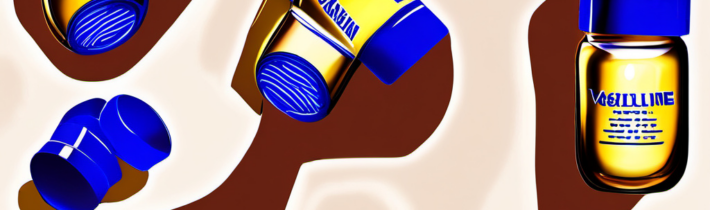
In the world of high-end skincare, where serums can cost hundreds of dollars and complex multi-step routines are the norm, it is often a simple, blue-capped jar found in almost every household that remains the most effective tool in a dermatologist’s arsenal. Vaseline, or white petrolatum, has been a staple of medicine cabinets for over 150 years. Originally discovered by workers in the Pennsylvania oil fields and later refined by chemist Robert Chesebrough in 1859, this humble substance has stood the test of time not because of marketing, but because of its unparalleled ability to protect and heal the skin. In this comprehensive guide, we will explore the multifaceted benefits of Vaseline, debunk common myths, and provide actionable ways to incorporate this skin care secret into your daily routine.
Understanding the Science: How Petroleum Jelly Works
To appreciate why Vaseline is so effective, one must first understand its unique molecular structure. Unlike many lotions that are water-based and evaporate quickly, Vaseline is an occlusive agent. This means it creates a physical barrier on the surface of the skin. This barrier serves two primary functions: it prevents Trans-Epidermal Water Loss (TEWL) and it protects the skin from external irritants. According to skin care science, Vaseline can reduce water loss by more than 98%, making it the most effective occlusive available today.
It is important to note that Vaseline is not a humectant. Humectants, like hyaluronic acid or glycerin, draw water into the skin. Vaseline, however, acts as the seal. It does not necessarily “moisturize” in the sense of adding water; rather, it ensures that the moisture already present in your skin—or the moisture you have added through serums—cannot escape. This is why it is often most effective when applied to damp skin. By trapping that water, it allows the skin’s natural repair processes to function optimally in a hydrated environment.
Healing the Skin Barrier: Relief for Dry and Cracked Skin
The skin barrier, or stratum corneum, is our body’s first line of defense against the environment. When this barrier is compromised by harsh weather, excessive washing, or skin conditions like eczema, the skin becomes dry, itchy, and prone to cracking. One of the most significant benefits of Vaseline is its ability to mimic the skin’s natural barrier while the body repairs itself. For those suffering from severely dry heels, elbows, or knees, a targeted application of petroleum jelly can work wonders.
Actionable Tip: The Overnight Foot Treatment
If you struggle with cracked heels, try this routine: Before bed, soak your feet in warm water for ten minutes. Pat them dry gently so they remain slightly damp. Apply a generous layer of Vaseline to the entire foot, focusing on the heels. Immediately put on a pair of clean cotton socks. The socks prevent the jelly from rubbing off on your sheets and help the product penetrate deeper. By morning, the skin will be significantly softer and more resilient.
The “Slugging” Trend: Deep Hydration for a Radiant Glow
In recent years, the K-beauty world introduced a technique known as “slugging,” which has since gone viral globally. Slugging involves applying a thin layer of Vaseline over your entire face as the final step of your nighttime skincare routine. The name comes from the shiny, slightly slimy look your skin takes on, resembling a slug’s trail. While it may sound unappealing to some, the results are often transformative for those with dry or sensitive skin.
When you “slug,” you are essentially creating a greenhouse effect for your face. Any hydrating serums or moisturizers applied underneath are forced into the skin, preventing them from evaporating into the air. This results in a “glass skin” effect—skin that looks plump, dewy, and incredibly hydrated. However, there is a caveat: slugging is not for everyone. If you have oily or acne-prone skin, the occlusive nature of Vaseline can trap natural oils and bacteria, potentially leading to breakouts. For those with dry or aging skin, however, it is a game-changer for maintaining elasticity and a youthful glow.
Protecting Sensitive Areas: Lips, Cuticles, and Eyelids
Some parts of our body have thinner skin and fewer oil glands, making them particularly vulnerable to dehydration. The lips, for instance, do not have sebaceous glands, which is why they chapped so easily in the winter. Vaseline is often superior to flavored lip balms because it is free from fragrances, alcohols, and menthol—ingredients that can actually irritate and dry out the lips further. A thin layer of petroleum jelly acts as a protective shield against wind and cold.
Similarly, our cuticles are prone to peeling and painful hangnails. Regularly massaging a small amount of Vaseline into the nail beds can keep the skin supple and prevent the dryness that leads to damage. For the eyelids—the thinnest skin on the human body—Vaseline provides a safe, non-irritating way to lock in moisture, especially for those who suffer from eyelid dermatitis or seasonal allergies that cause the skin around the eyes to become red and flaky.
Wound Care and Scars: Dermatologist-Recommended Uses
One of the most evidence-based benefits of Vaseline is in the realm of wound healing. For years, people reached for antibiotic ointments for every minor cut or scrape. However, dermatologists now frequently recommend plain petroleum jelly instead. Research has shown that keeping a wound moist is crucial for faster healing and reduced scarring. When a wound dries out and forms a hard scab, it actually takes longer for new skin cells to migrate across the area.
By applying Vaseline to a clean, minor cut, you prevent a scab from forming. This allows the skin to heal in a moist environment, which significantly reduces the likelihood of a prominent scar. Furthermore, Vaseline is inert and unlikely to cause an allergic reaction, whereas some topical antibiotics can cause contact dermatitis in sensitive individuals. For post-surgical care, many surgeons recommend Vaseline to keep incisions hydrated and protected from bacteria during the initial healing phase.
Vaseline for Baby Care: Preventing Diaper Rash and Cradle Cap
The purity of Vaseline makes it an ideal choice for the delicate skin of infants. Diaper rash is primarily caused by prolonged contact with moisture and the enzymes found in stool. Applying a thick layer of Vaseline during diaper changes creates a moisture-proof barrier that protects the baby’s skin from irritation. It is a cost-effective and fragrance-free alternative to many commercial diaper creams.
Additionally, Vaseline can be used to treat cradle cap (seborrheic dermatitis in infants). By gently massaging a small amount onto the baby’s scalp, the scales are softened, making them easier to brush away during bath time. Because it does not contain complex chemicals or botanical extracts, parents can feel confident that they are using a product with a very low risk of causing an adverse reaction on their child’s sensitive skin.
Beauty Hacks: From Long-Lasting Perfume to Makeup Removal
Beyond its medicinal and hydrating properties, Vaseline is a versatile tool in any beauty kit. One popular hack involves using it to extend the life of your fragrance. Perfume evaporates more quickly on dry skin; by dabbing a small amount of Vaseline on your pulse points (wrists, neck, behind the ears) before spraying your perfume, the scent has something to “grip” onto, lasting significantly longer throughout the day.
Vaseline is also an effective, gentle makeup remover. Even waterproof mascara and stubborn lip stains can be broken down by the oils in petroleum jelly. Simply massage a small amount over your makeup and wipe away with a soft cloth or cotton pad. It removes the product without the need for harsh scrubbing, which is vital for preserving the delicate skin around the eyes. Other beauty uses include using it as a clear brow gel to keep hairs in place, applying it to the hairline before at-home hair dyeing to prevent skin staining, and using it as a subtle, natural-looking highlighter on the cheekbones.
Safety and Precautions: When to Avoid Using Vaseline
While Vaseline is incredibly safe for most people, it is not a “one size fits all” product. Understanding when *not* to use it is just as important as knowing its benefits. First and foremost, you should never apply Vaseline to a fresh burn, including a sunburn. Because it is such an effective insulator, it can trap heat within the skin, potentially making the burn worse. It is better to wait until the skin has cooled down before using an occlusive to help with the peeling stage.
Secondly, as mentioned previously, those with oily or cystic acne-prone skin should use Vaseline with caution on the face. While the molecules of petroleum jelly are too large to actually enter and clog the pores themselves, the barrier it creates can trap existing sebum, dirt, and bacteria against the skin, which can trigger a breakout. Finally, always ensure you are using a “USP” (United States Pharmacopeia) grade product. This ensures the petroleum jelly has been highly refined and purified to remove any impurities or carcinogenic compounds, making it safe for topical use.
Athletic Performance: Preventing Chafing and Blisters
For marathon runners, triathletes, and cyclists, skin irritation isn’t just a nuisance; it can be a performance-ending injury. Chafing, or friction-induced dermatitis, occurs when skin rubs against skin or clothing, leading to painful abrasions and even bleeding. Vaseline serves as a high-viscosity lubricant that significantly reduces the coefficient of friction. By applying a generous layer to high-friction zones—such as the inner thighs, underarms, and the nipple area—athletes can create a glide-friendly surface that persists even through heavy sweating. Unlike water-based anti-chafe sticks that may dissolve with perspiration, the hydrophobic nature of petroleum jelly ensures it stays in place for the duration of a long-race.
Blister prevention is another critical application for the active individual. Blisters are caused by shear forces that separate the layers of the epidermis. When you apply Vaseline to the friction points of the feet—specifically the heels, the balls of the feet, and between the toes—you allow the sock and shoe to slide over the skin rather than pulling against it. For hikers or those breaking in new leather boots, this “lubrication strategy” is often more effective than bandages, which can peel off and create further irritation. Furthermore, swimmers in open-water environments frequently use Vaseline around the neck and armpits to prevent the painful “wetsuit rub” caused by the constant motion of the swimming stroke against neoprene.
Edge Case: The Cold-Weather Swimmer
In extremely cold water, some long-distance swimmers apply a thin layer of Vaseline over their exposed skin. While it is not a substitute for a wetsuit in terms of thermal insulation, it provides a minor barrier against the immediate “cold shock” to the skin’s nerve endings and helps prevent the skin from drying out due to prolonged salt or chlorine exposure. After exiting the water, the jelly helps the skin retain its natural oils, which are often stripped away by the harsh aquatic environment.
Occupational Skin Shielding: Protection for High-Contact Professions
Certain professions subject the hands to constant trauma, whether through frequent washing, exposure to chemicals, or physical abrasion. Healthcare workers, for instance, often suffer from irritant contact dermatitis due to the use of harsh surgical scrubs and the constant donning and doffing of latex or nitrile gloves. Applying a thin layer of Vaseline before putting on gloves can act as a secondary barrier, protecting the skin from the irritating powders or chemicals inside the gloves and preventing the “maceration” (skin softening) that occurs when hands sweat inside an airtight environment.
For gardeners, mechanics, and construction workers, Vaseline offers a unique “pre-work” benefit. By rubbing petroleum jelly into the creases of the hands and under the fingernails before starting a task, you create a barrier that prevents grease, oil, and deep-seated dirt from staining the skin. Because the jelly fills the microscopic ridges of the skin, these contaminants sit on top of the Vaseline rather than embedding themselves in the pores. When the job is finished, the grime washes away much more easily with gentle soap, eliminating the need for abrasive “lava” soaps or chemical solvents that further damage the skin barrier.
Moreover, for those working in the culinary arts who are constantly handling acidic ingredients like lemons, onions, or hot peppers, a small amount of Vaseline applied to existing nicks or dry cuticles can prevent the stinging sensation associated with these irritants. It acts as a liquid bandage that is food-safe and chemically inert, allowing the worker to continue their tasks without the distraction of localized pain. This “barrier first” approach is a cornerstone of occupational health in dermatology, focusing on prevention rather than just treatment.
Geriatric Dermatology: Managing Thinning and Fragile Skin
As the body ages, the skin undergoes physiological changes: the epidermis thins, collagen production drops, and the sebaceous glands become less active. This results in what is often called “parchment skin,” which is incredibly susceptible to tearing and bruising. One common condition in the elderly is senile purpura, where minor bumps lead to large, purple bruises because the skin no longer has the fatty cushion to protect the underlying capillaries. Regular application of Vaseline can provide a mechanical layer of protection, acting as a synthetic cushion that absorbs some of the shear force from accidental bumps.
Bedsores, or pressure ulcers, are another significant concern for individuals with limited mobility. While Vaseline cannot replace the need for regular repositioning, it plays a vital role in moisture management. Incontinent patients often suffer from skin breakdown due to prolonged exposure to urine and fecal enzymes. A thick application of petroleum jelly in the perineal area creates an impermeable shield, preventing these caustic fluids from making direct contact with the skin. This is the same principle used in infant diaper rash prevention, but it is equally critical in geriatric care to prevent secondary infections and painful ulcerations.
Furthermore, many elderly individuals experience “winter itch” (asteatotic eczema), characterized by cracked, tile-like patterns on the shins. This is caused by a total lack of surface lipids. Because Vaseline is the most effective occlusive, it is the gold standard for treating this condition. For best results in a clinical or home-care setting, the “soak and smear” technique is recommended: the patient soaks in a lukewarm bath for 20 minutes, and then, while the skin is still dripping wet, a thick layer of Vaseline is applied to the lower extremities. This traps the maximum amount of hydration, often providing relief that expensive medicated creams cannot match.
Hair and Scalp Management: Beyond the Skin Surface
While primarily marketed for the skin, Vaseline is a secret weapon in the world of trichology (the study of hair and scalp). One of the most effective uses is as a protective barrier during chemical treatments. When applying at-home hair dye, perms, or chemical relaxers, the skin along the hairline, ears, and nape of the neck is highly susceptible to chemical burns and staining. A thick border of Vaseline prevents these potent chemicals from migrating onto the sensitive skin of the face. Unlike lotions, which can be absorbed or run down the face, the high melting point of petroleum jelly ensures it stays exactly where it is placed.
For those struggling with split ends and brittle hair, Vaseline can serve as a heavy-duty sealant. While it cannot repair a hair fiber that has already split, it can prevent the split from traveling further up the hair shaft by smoothing the cuticle and providing a protective coating. This is particularly useful for individuals who use heat-styling tools frequently. Applying a tiny, pea-sized amount to the very ends of the hair while it is damp can lock in moisture and provide a polished, frizz-free look. However, caution is required: because it is not water-soluble, it requires a clarifying shampoo to remove entirely, so it should be used sparingly.
Additionally, Vaseline can be used to promote the appearance of thicker eyebrows and eyelashes. While there is no clinical evidence that petroleum jelly stimulates hair growth at the follicle level, it does condition the existing hairs, making them less prone to breakage. By coating the lashes in a thin layer of Vaseline before bed, you prevent them from becoming brittle and falling out prematurely. This results in a fuller, healthier lash line. For the eyebrows, it acts as a nourishing pomade, holding the hairs in place while providing a subtle sheen that mimics the look of high-end brow gels without the stiff, flaky residue.
Environmental Defense: Extreme Cold, Wind, and Pollen Barriers
In harsh climates, the environment acts as a constant vacuum, pulling moisture out of the skin. This is particularly true in high-altitude environments where the air is thin and dry. Skiers and mountain climbers often face windburn, a condition that is essentially a combination of extreme dehydration and micro-abrasions from wind-borne particles. Vaseline is the ultimate defense against windburn. By applying it to the cheeks and nose, you create a physical shield that the wind cannot penetrate. This also helps prevent frostnip by providing a thin layer of insulation that keeps the skin’s surface temperature slightly more stable.
An often-overlooked benefit of Vaseline is its role as a “pollen trap” for seasonal allergy sufferers. During high-pollen seasons, microscopic allergens enter the body through the nose and eyes, triggering hay fever symptoms. By applying a very thin film of Vaseline around the nostrils and the outer edges of the eye sockets, you can capture pollen particles before they are inhaled or make contact with the mucous membranes. This mechanical filtration method can significantly reduce the allergen load on the body, providing a non-pharmacological supplement to antihistamines.
For those living in desert climates or during the height of summer, Vaseline can also be used to prevent “sweat rash” or heat rash (miliaria) in areas where skin folds meet. While it may seem counterintuitive to put a thick grease on sweaty skin, a thin layer actually prevents the friction that causes the sweat ducts to become blocked and irritated. It ensures that sweat can glide off the skin rather than being trapped in the tight spaces of the body, such as under the breasts or in the groin area, which are prime locations for fungal infections like intertrigo.
Clinical Post-Procedure Care: Accelerating Recovery after Aesthetics
The rise of aesthetic dermatology—including laser resurfacing, deep chemical peels, and microneedling—has created a new need for intensive post-procedure care. After a fractional CO2 laser treatment, the skin is essentially a controlled open wound. During this phase, the skin is incapable of maintaining its own barrier. Dermatologists almost universally recommend white petrolatum (Vaseline) during the first 48 to 72 hours of recovery. Because it is a single-ingredient product, the risk of an allergic reaction or “stinging” on raw skin is nearly zero, whereas even the most expensive “healing” creams often contain preservatives or fragrances that can cause a contact allergy in this vulnerable state.
The occlusive nature of Vaseline is vital for the process of re-epithelialization. When the skin is kept in a moist environment, new skin cells can migrate across the surface much more quickly than if the skin were allowed to scab. Scabbing is actually a deterrent to fast healing; it creates a hard physical roadblock that the new cells must navigate around. By keeping the post-laser or post-peel skin “slathered” in Vaseline, the recovery time is often halved, and the risk of post-inflammatory hyperpigmentation (PIH) is significantly reduced. This is especially important for patients with darker skin tones, who are more prone to scarring and discoloration after trauma.
In the case of microneedling, where thousands of microscopic channels are created in the skin, the application of Vaseline helps to “seal” these channels against environmental pollutants and bacteria while the initial inflammatory response begins the collagen-building process. It also provides immediate relief from the “sunburn” sensation that follows these procedures. For patients, the simplicity of Vaseline provides peace of mind, knowing they are not introducing complex chemicals into their bloodstream through compromised skin.
Foot and Nail Specialization: Managing Chronic Conditions
Beyond general dryness, Vaseline is a powerful tool for managing specific dermatological conditions of the feet and nails. Psoriasis, for instance, often affects the nail beds (nail psoriasis), causing pitting, crumbling, and thickening of the nail plate. While it cannot cure the underlying autoimmune condition, regularly packing the area around the nail and under the free edge with Vaseline can soften the buildup of keratin and prevent the painful cracking of the surrounding skin. It also protects the nail from water, which can exacerbate the lifting of the nail plate (onycholysis).
For individuals with diabetes, foot care is a matter of limb preservation. While diabetics are cautioned against putting lotions between their toes (as the excess moisture can lead to fungal infections), the use of Vaseline on the tops and bottoms of the feet is often encouraged to prevent the severe cracking that can lead to infections. The “slip” provided by Vaseline also makes it easier for patients or caregivers to perform daily foot inspections, as the skin becomes more transparent and easier to palpate when hydrated. It also reduces the risk of calluses forming into “pressure points” that could eventually turn into diabetic ulcers.
Frequently Asked Questions
Does Vaseline clog pores?
Technically, Vaseline is non-comedogenic, meaning the substance itself does not clog pores. However, because it is a powerful occlusive, it can trap other substances—like sweat, natural oils, or leftover makeup—against your skin. If your skin is not perfectly clean before application, this “trapping” effect can lead to breakouts. It is best suited for dry to normal skin types.
Can I use Vaseline on a fresh tattoo?
Many tattoo artists recommend a very thin layer of Vaseline or a similar petroleum-based ointment during the first few days of healing. It protects the open skin from bacteria and keeps the area moist so it doesn’t scab over and pull out the ink. However, it is vital to apply only a thin layer; applying it too thickly can prevent the skin from “breathing” and may interfere with the healing process. Always follow your specific artist’s aftercare instructions.
Is Vaseline safe to use around the eyes?
Yes, Vaseline is generally considered safe for the area around the eyes. In fact, many dermatologists recommend it for people with sensitive skin who cannot tolerate traditional eye creams. It is excellent for preventing “crow’s feet” by keeping the skin hydrated. Just be careful not to get it inside the eye, as it can cause temporary blurred vision due to its thickness.
Does Vaseline actually moisturize the skin?
It depends on how you define “moisturize.” If moisturizing means adding water, then no—Vaseline does not contain water. If moisturizing means increasing the skin’s hydration levels, then yes. It does this by preventing the water already in your skin from evaporating. For the best results, apply it to damp skin or over a water-based lotion.
Is petroleum jelly environmentally friendly?
Petroleum jelly is a byproduct of the oil refining process. From one perspective, using it is a way of utilizing a byproduct that would otherwise exist regardless. However, it is not biodegradable. For those seeking a more eco-friendly or plant-based alternative, products containing beeswax, shea butter, or cocoa butter can provide similar (though often slightly less effective) occlusive properties.
Related posts:
 The Return of Silk Scrunchies
 Too Clean for Comfort: Why Being Squeaky Clean Might Be Bad for Your Skin
 Proper Use of Exfoliating Mitts
 Urban Shield: How to Protect Your Hair from City Pollution
 Low-Maintenance Hairstyles for Thin Hair
 Clean Hair Care Solutions for Black Women
 Hair Masks for Breakage Prevention
 Heritage Store Jelly Face Mask Review