Exploring Compassionate Options
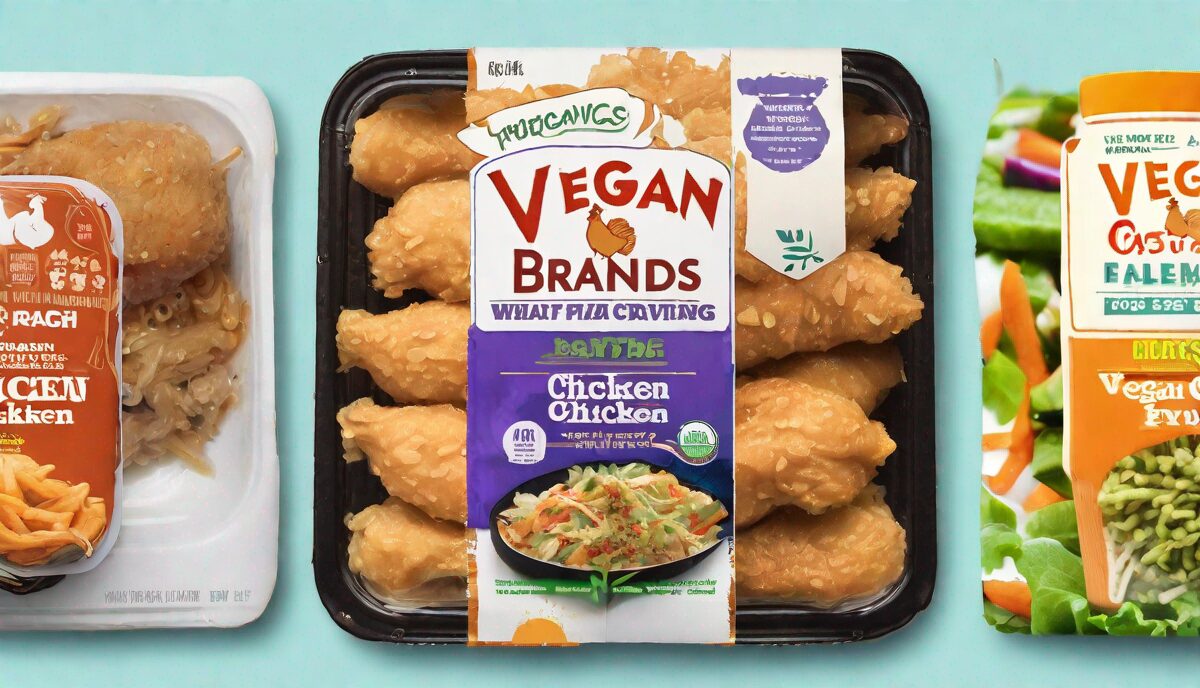
As more people adopt plant-based diets for health, ethical, or environmental reasons, the market has responded with more delicious and innovative vegan options. We now have access to a variety of plant-based chicken products that can truly satisfy comfort food cravings.
Taste and Texture Breakthroughs
Early meat alternatives often fell short when it came to mimicking the flavors and textures that meat eaters enjoy. But thanks to food science advancements, many vegan chicken products are nearly indistinguishable from the real thing. Brands are using plant proteins, binders, seasonings, and preparation techniques that yield impressive results.
Health and Sustainability Benefits
Research shows that swapping meat for plant-based alternatives offers potential cardiovascular, metabolic, and longevity benefits. The plant-based food movement also promotes more sustainable, ethical, and compassionate food systems. With accessible and appetizing options now available, more people can enjoy wholesome plant-based chicken meals.
Widely Available Fan Favorites
Longtime market leader Quorn uses mycoprotein to create tender vegan chicken products sold in mainstream supermarkets. Beyond Meat and Impossible Foods offer plant-based chicken made from pea and soy proteins. Their realistic offerings are popping up on major restaurant chains’ menus.
Specialty Brands Lead Innovation
Smaller mission-driven brands like The Vegetarian Butcher, No Evil Foods, and Gardein are advancing the category as well. They are continuously improving recipes and textures while expanding their vegan poultry product lines.
Mastering Texture: The Rise of Whole-Muscle Mycelium and Fungi
While early plant-based chickens relied heavily on extruded soy or wheat gluten to create a shredded consistency, a new generation of brands is focusing on the “whole-muscle” experience. This refers to the dense, fibrous structure found in a chicken breast or thigh, rather than the uniform texture of a nugget. Leading this charge is Meati, a company utilizing mushroom root (mycelium) as its primary ingredient. Unlike processed isolates, mycelium naturally grows in long, thread-like filaments that closely mimic the muscle fibers of animal protein. When seasoned and pressed, Meati’s cutlets provide a distinct “tear” and a succulent mouthfeel that many soy-based alternatives struggle to replicate.
Another innovator in this space is MyForest Foods, which produces “Bacon” and poultry-style strips using a similar fungal fermentation process. The advantage of using fungi lies in its structural integrity; it holds moisture exceptionally well and does not require the heavy binders or gums often found in processed plant meats. For the home cook, this means these products behave more like raw meat in the pan. They can be seared to achieve a golden-brown crust without the interior becoming mushy. When working with mycelium-based chicken, it is crucial to avoid over-crowding the pan. Because these products have a high natural moisture content, they need space for steam to escape, allowing the Maillard reaction to create that savory, browned exterior that defines a high-quality chicken dish.
Daring is another brand that has revolutionized the “piece” format. By using a proprietary high-moisture extrusion process, Daring creates “Original Plant-Based Chicken Pieces” that are remarkably thin and fibrous. They lack the rubbery bounce sometimes associated with seitan, making them ideal for quick sautés, fajitas, or stir-fries. Because they are sold unbreaded and pre-seasoned (or plain), they offer a blank canvas for those who want to control their sodium intake or experiment with specific flavor profiles like lemon-pepper or Cajun spice. The edge case here is high-heat grilling; because these pieces are thin, they can dry out quickly, so a light coating of oil or a quick marinade is recommended before they hit the flames.
Mediterranean and European Innovators: Beyond the American Market
The innovation in vegan poultry is a global phenomenon, with European brands often leading the way in terms of ingredient transparency and unique fat-delivery systems. Heura, a Spanish brand, has gained international acclaim for its Mediterranean-inspired chicken. What sets Heura apart is its use of extra virgin olive oil as the primary fat source. Most American brands rely on coconut or canola oil, but Heura’s use of olive oil results in a product with a lower saturated fat profile and a cleaner, more sophisticated flavor. Their “Chunks” and “Strips” are vacuum-packed and have a remarkably tender, almost “poached” quality that makes them perfect for cold chicken salads or hearty stews where they can absorb the surrounding broth without disintegrating.
In the United Kingdom, the brand THIS has set a high bar with its “THIS Isn’t Chicken” range. Their focus is on hyper-realism, specifically targeting meat-eaters who are looking for a seamless transition. Their plant-based pieces often include a “skin” component or a fatty layer that renders down during cooking, providing the greasy, savory satisfaction of a roasted chicken thigh. Similarly, the Dutch brand Vivera has expanded its reach across Europe with a diverse poultry line that includes everything from kievs to southern-fried popcorn chicken. Vivera’s strength lies in its accessibility and its use of vitamin B12 and iron fortification, ensuring that the nutritional profile is as close to animal meat as possible.
For those in the Southern Hemisphere, Sunfed (based in New Zealand) has created “Chicken Free Chicken” using yellow pea protein. They emphasize a minimalist ingredient list, avoiding GMOs and heavy processing. The texture of Sunfed is notably tougher and more “stringy” than its competitors, which makes it an excellent choice for slow-cooking or pulled-chicken recipes. It requires a bit more hydration during the cooking process; adding a splash of vegetable stock to the pan while searing helps to soften the fibers and unlock a more tender bite. These international brands demonstrate that the future of vegan chicken is not just about soy and wheat, but about leveraging local crops and culinary traditions to create diverse textures.
Allergen-Conscious Cooking: Soy-Free and Gluten-Free Poultry Alternatives
One of the primary hurdles for many consumers is the prevalence of soy and gluten in plant-based meats. While seitan (wheat gluten) offers an incredible chew, it is off-limits for those with Celiac disease or gluten sensitivities. Fortunately, the market is expanding to include high-protein, allergen-friendly options. LikeMeat is a standout brand in this category, offering soy-based products that are certified gluten-free, but they also have a growing line of pea-protein-based options. Their “Like Chick’n Pieces” are made with non-GMO ingredients and provide a neutral flavor that works well in heavy sauces like butter chicken or tikka masala.
For those who must avoid both soy and gluten, Abbot’s (formerly Abbot’s Butcher) offers a “Slow-Roasted Chick’n” made from pea protein, nutritional yeast, and a blend of spices. Unlike many frozen options, Abbot’s focuses on a “clean label” approach, avoiding methylcellulose and other synthetic binders. The result is a product that feels more like home-cooked, shredded chicken. It is particularly effective in tacos or enchiladas, where the natural spices of the product can meld with traditional Mexican flavors. However, because it lacks synthetic binders, it does not have the same “stretch” or elasticity as gluten-based chicken, so it is best used in dishes where it is mixed with other ingredients rather than served as a standalone fillet.
Another fascinating soy-free alternative is the use of jackfruit, though it comes with a caveat: protein content. Brands like The Jackfruit Co. and Upton’s Naturals offer “chunky” jackfruit that mimics the look of pulled chicken perfectly. However, jackfruit is a fruit, not a concentrated protein source. To make a balanced meal, it is essential to pair jackfruit chicken with beans, lentils, or a high-protein grain like quinoa. For a more protein-dense soy-free option, look for brands using ChickP (chickpea protein isolate) or fava bean protein. These legumes provide a robust amino acid profile and a dense texture that stands up well to breading and frying, filling the gap for those who want a “meaty” experience without the common allergens.
Culinary Techniques: Getting the Most Out of Plant-Based Poultry
Cooking vegan chicken requires a slightly different mindset than cooking animal protein. Because plant-based meats are often pre-cooked or “set” during the manufacturing process, the goal of home cooking is usually to provide texture and heat rather than to reach a safe internal temperature to kill bacteria. For unbreaded strips or chunks, the “dry sear” method is often the most effective. Start by patting the pieces dry with a paper towel to remove excess moisture. Heat a cast-iron or heavy stainless steel skillet over medium-high heat with a high-smoke-point oil like avocado or grapeseed oil. Once the oil is shimmering, add the pieces in a single layer and leave them undisturbed for 3-4 minutes. This allows a crust to form, which is essential for providing the “bite” that people crave.
For breaded products like nuggets or patties, the air fryer is the undisputed king of appliances. While conventional ovens can leave the breading soggy or unevenly cooked, the rapid air circulation of an air fryer mimics deep-frying without the excess oil. To elevate a standard frozen vegan nugget, try a double-air-fry method: cook for 8 minutes at 400°F, remove and lightly spray with a mist of olive oil, then cook for another 2-3 minutes. This extra step ensures the breading is shattered-glass crispy while the interior remains juicy. If you are using vegan chicken in a sauce-heavy dish like a stir-fry or a curry, always add the chicken at the very end. Prolonged simmering can cause plant proteins to lose their structural integrity and become soft. By folding the seared chicken into the sauce just before serving, you maintain the contrast between the crispy exterior and the flavorful liquid.
Another professional tip involves the use of umami-rich liquids. Plant-based chicken can sometimes have a slightly “cereal” or “beany” aftertaste. To neutralize this, deglaze your pan with a splash of light soy sauce, vegan Worcestershire sauce, or a bit of mushroom broth. This adds a layer of savory complexity that bridges the gap between plant and animal flavors. If you are working with seitan-based chicken (like No Evil Foods), don’t be afraid to braise it. Unlike soy-based pieces, seitan can actually benefit from a 15-minute simmer in a flavorful liquid, which helps to tenderize the gluten strands and infuse the meat with moisture, making it much more reminiscent of a slow-cooked chicken thigh.
From Wings to Roasts: Specialized Cuts for Every Occasion
The market has moved far beyond the humble nugget, now offering specialized cuts that cater to specific culinary traditions. Atlas Monroe is a standout in the “soul food” space, famous for their “Extra Crispy Vegan Fried Chicken” which includes realistic skin and a texture so convincing it won awards at meat-based fried chicken festivals. Their “ribs” and “wings” often feature a sugarcane stick or a wooden dowel to mimic the experience of eating meat off the bone. This structural element is more than just a gimmick; it provides a heat conductor that helps the interior of the “meat” cook evenly while giving the diner the psychological satisfaction of a traditional wing experience.
For holiday gatherings, the “whole roast” category has seen significant improvements. While Tofurky is the classic choice, brands like Field Roast offer a “Celebration Roast” that uses a blend of wheat gluten, fresh sage, rosemary, and caramelized onions. These roasts are often stuffed with breadcrumbs or cranberries, providing a centerpiece that is as visually impressive as a turkey. The key to a successful vegan roast is the glaze. Because plant-based meats don’t have the same fat-rendering skin as a turkey, they can look dull when they come out of the oven. Brushing the roast every 15 minutes with a mixture of maple syrup, soy sauce, and melted vegan butter will create a glossy, dark-brown finish that is both sweet and savory.
Deli slices are another specialized area where brands like Unreal Deli and Mrs. Goldfarb’s are making waves. While most vegan deli meats are rubbery and uniform, these newer brands use a “shaved” technique to create thin, irregular slices that pile high on a sandwich. Their “Roasted Turk’y” slices are seasoned with traditional poultry herbs and have a slightly irregular edge that mimics a hand-carved bird. When building a sandwich with these slices, it is helpful to lightly steam them in a pan with a teaspoon of water for 30 seconds. This softens the proteins and makes the slices more pliable, allowing them to better absorb condiments like vegan mayo or cranberry sauce.
The Economic Shift: Navigating Private Labels and Bulk Purchasing
As vegan chicken becomes a staple rather than a luxury, the rise of private-label (store-brand) options is changing the price point for consumers. Retailers like Target (Good & Gather), Kroger (Simple Truth), and Whole Foods (365) have launched their own lines of plant-based chicken nuggets, tenders, and pieces. These products are often manufactured by the same facilities that produce name-brand items, offering a similar taste profile for 20-30% less. For families or those on a budget, these private labels are the most sustainable way to incorporate plant-based proteins into a daily routine. When choosing a store brand, check the ingredient list for the protein source; most use a blend of soy and wheat, which provides a reliable, middle-of-the-road texture that appeals to kids and adults alike.
Bulk purchasing has also become more viable. Warehouse clubs like Costco frequently carry large bags of Don Lee Farms or Alpha Foods chicken patties. These bulk options are typically kept in the freezer section and are designed for high-volume consumption. One tip for bulk-buying is to look for “unbreaded” options when possible, as they are more versatile for different cuisines. However, if you are buying breaded items in bulk, ensure you have an airtight container to transfer them to after opening the original bag; plant-based breading is highly susceptible to freezer burn, which can lead to a “stale” taste when cooked.
The price parity between vegan chicken and animal chicken is narrowing. In some regions, especially where meat prices have spiked due to supply chain issues, plant-based options are becoming cost-competitive. This shift is driven by the efficiency of plant protein production. It takes significantly less water, land, and feed to produce a pound of pea protein than a pound of chicken meat. As brands scale up their production facilities, the “green premium” is slowly disappearing, making compassionate eating a financially viable choice for a broader demographic. For the savvy shopper, watching for sales on brands like Gardein or MorningStar Farms and stocking up the freezer is a great way to ensure a quick, high-protein meal is always available.
The Next Frontier: Cultivated Chicken and Hybrid Technologies
While the current market is dominated by plant-based and fungi-based options, the next wave of innovation involves “cultivated” or lab-grown chicken. This is not a vegan alternative in the traditional sense, as it is made from real animal cells, but it is a slaughter-free option that appeals to the same ethical and environmental concerns. Companies like UPSIDE Foods and GOOD Meat have already received regulatory approval in certain markets (like Singapore and the United States) to serve their cultivated chicken. This technology involves taking a small sample of cells from a living bird and “growing” them in a nutrient-rich bioreactor. The result is actual chicken meat—complete with the same muscle and fat structure—without the need to raise or kill an animal.
In addition to fully cultivated meat, we are seeing the emergence of “hybrid” products. These combine plant-based proteins with cultivated animal fats or specific flavor molecules derived through precision fermentation. The idea is to use the bulk of plant protein (which is cheap and sustainable) and enhance it with the specific fatty acids that give chicken its unmistakable aroma and flavor. This hybrid approach could solve the “flavor gap” that some consumers still perceive in 100% plant-based products. For example, a nugget might be 90% pea protein but contain 10% cultivated chicken fat to provide that authentic “dripping” quality that is hard to replicate with coconut oil.
FAQ
What are some popular vegan chicken brands?
Some top vegan chicken brands are Quorn, Beyond Meat, Impossible Foods, The Vegetarian Butcher, No Evil Foods and Gardein.
What plants are used to make vegan chicken?
Common base ingredients used are pea protein, soy protein, wheat protein (seitan) and mycoprotein. Other plants like konjac, chickpeas or nuts are also used.
How does vegan chicken get its flavor?
Seasonings, spices and flavorings like paprika, garlic, onion, sea salt are added to mimic the savory taste of chicken. Smoky flavors are also popular.
Is vegan chicken healthy?
Vegan chicken is typically lower in saturated fat and higher in fiber compared to animal chicken. But specific nutrition can vary by brand and product.
Which vegan chicken brand tastes the most like real chicken?
Reviews and polls often rate Beyond Meat and Impossible Foods vegan chicken among the closest to the taste and texture of real chicken.
Related posts:
 Vegan vs Plant-Based: Which is Healthier?
 Wait, Are You Vegan—Or Are You Plant-Based? Learn the Difference…
 Step Into Compassion: The Best Vegan Shoe Brands Making Waves
 Understanding Meat Extenders
 Delicious Ground Chicken Recipes
 Beyond Breakfast: The Plant-Based Sausage That’s Changing the Morning Game
 High-Protein Foods That Pack a Serious Nutritional Punch
 Gluten-Free Beauty Guide