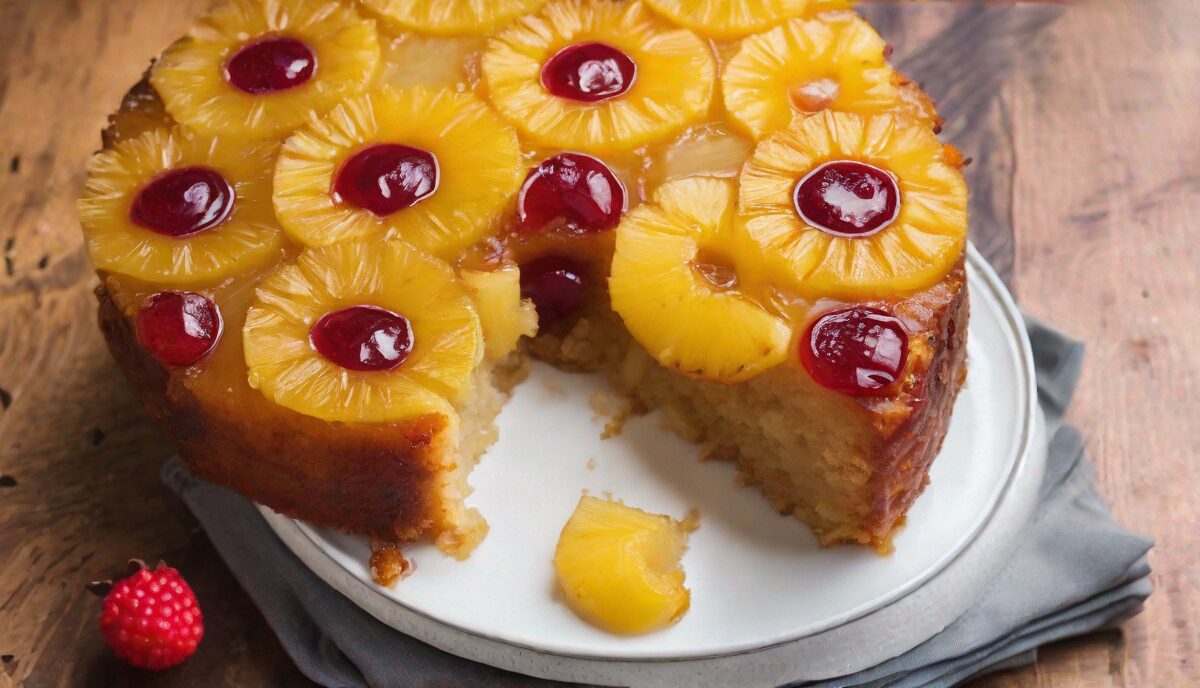
A Sweet Way to Enjoy Fruit
Baking can be a fun way to savor the flavors of fresh fruit. The sweet juiciness of pineapple truly shines when caramelized and baked into a cake. By using healthy ingredients like whole grains and plant-based milk and eggs, pineapple upside-down cake becomes a sweet treat you can feel good about enjoying.
Give Tradition a Healthy Makeover
Pineapple upside-down cake has always been a crowd pleaser. But traditional recipes rely heavily on butter, white flour and sugar. With a few easy substitutions, we can transform this dessert favorite into a tasty baked good that aligns with health goals as well as taste preferences.
Embrace the Versatility of Plant-Based Ingredients
From luscious coconut cream to protein-packed chickpea flour, there are so many innovative ways to recreate classic recipes. Getting creative with wholesome, plant-based ingredients allows you to cut back on less healthful ingredients without sacrificing texture or flavor.
Simple Ingredient Swaps Yield Big Changes
- Use maple syrup instead of refined white sugar
- Swap all-purpose flour for whole-grain or gluten-free flour
- Try avocado or applesauce instead of butter
- Use plant-based milk instead of dairy milk
The Fruity Flavors Shine Through
When you minimize processed ingredients and let wholesome fruits and veggies take center stage, you allow their natural sweetness to come through. Juicy pineapple rings caramelized in maple syrup make this cake irresistible.
Achieving the Perfect Caramelized Topping without Dairy
The hallmark of a classic pineapple upside-down cake is the glistening, gooey layer of fruit and caramel that crowns the sponge. In traditional recipes, this is achieved by melting large quantities of butter and brown sugar together. To replicate this decadence in a vegan and health-conscious way, we must understand the synergy between natural fats and unrefined sweeteners. Coconut oil is an exceptional substitute for butter in the topping because of its high saturated fat content, which allows it to set firmly at room temperature and melt into a rich sauce during the baking process. When combined with maple syrup or coconut sugar, it creates a deep, amber glaze that clings to the pineapple rings without the need for processed corn syrups.
To ensure your topping doesn’t turn out watery, it is vital to manage the moisture content of your fruit. If you are using canned pineapple, even those packed in juice rather than heavy syrup, you should pat the rings dry with a clean kitchen towel or paper towel. Excess moisture from the fruit can dilute the caramel, leading to a thin sauce that soaks into the cake rather than sitting on top. For those using maple syrup, consider reducing the syrup on the stovetop for five minutes before pouring it into the cake pan. This slight reduction concentrates the sugars and thickens the consistency, ensuring that when you flip the cake, the glaze stays exactly where it belongs. If you prefer a more traditional “toffee” crunch, a dusting of coconut sugar over the oil-brushed pan before laying down the fruit creates a wonderful textural contrast against the soft, baked pineapple.
Edge cases often involve the choice of pan material. Cast iron skillets are a secret weapon for the topping; their superior heat retention helps the sugars caramelize evenly and provides a rustic, crisp edge to the cake’s perimeter. If you are using a standard aluminum or glass pan, you may need to adjust your rack position to the lower third of the oven to ensure the bottom (which will become the top) receives enough direct heat to bubble and thicken the syrup properly. Remember that the caramelization continues for a few minutes after the cake is removed from the oven, so allowing it to rest for exactly ten minutes—no more, no less—is the sweet spot for a perfect release.
Flour Dynamics and the Quest for the Ideal Crumb
Moving beyond basic all-purpose flour opens up a world of nutritional benefits and flavor profiles. In vegan baking, the structure of the cake relies heavily on the quality of the flour, as we aren’t using the structural proteins found in eggs. Spelt flour is a fantastic option for those who want a nutty, complex flavor; it is an ancient grain that behaves similarly to wheat but offers more fiber and minerals. Because spelt has a more delicate gluten structure, it produces a crumb that is incredibly soft and tender, which pairs beautifully with the juicy pineapple. However, because it absorbs liquid differently than white flour, you might need to reduce your plant milk by a tablespoon or two to maintain the correct batter consistency.
For a gluten-free variation that doesn’t feel like a compromise, a blend of oat flour and almond flour is highly recommended. Oat flour provides the bulk and a mild sweetness, while almond flour introduces healthy fats that mimic the richness of traditional dairy-based cakes. When using these gluten-free alternatives, adding a small amount of tapioca starch or arrowroot powder can help provide the “stretch” and binding that gluten usually provides. This prevents the cake from becoming overly crumbly when sliced. It is also helpful to let the batter sit for about ten minutes before pouring it over the fruit; this allows the fibers in the alternative flours to fully hydrate, resulting in a more cohesive and moist finished product.
If you find your cakes are often too dense, consider the “reverse creaming” method. Instead of mixing wet into dry, you can pulse your flour, leavening agents, and solid fats (like cold coconut oil) in a food processor until they resemble fine crumbs before gently folding in the liquid ingredients. This coats the flour particles in fat, which inhibits gluten development and ensures a velvety, melt-in-your-mouth texture. This technique is particularly effective when using whole-grain flours, which can sometimes produce a heavy or “bread-like” result if over-mixed.
The Role of Emulsifiers and Plant-Based Binders
Replacing eggs in a cake isn’t just about finding a binder; it’s about replacing the fat, moisture, and leavening power that eggs provide. For a pineapple upside-down cake, where a light and airy sponge is desired to balance the heavy fruit topping, aquafaba (the liquid from a can of chickpeas) is a revolutionary ingredient. When whipped slightly, it traps air bubbles that expand in the oven, providing a lift that applesauce alone cannot achieve. Using three tablespoons of unwhipped aquafaba per egg is a standard ratio, but for this specific cake, lightly frothing it with a whisk before adding it to the wet ingredients will yield a much better rise.
Another excellent option is the use of vegan buttermilk. By adding a teaspoon of apple cider vinegar or lemon juice to your plant-based milk (soy and pea milks work best for this due to their high protein content) and letting it sit for five minutes, you create a curdled liquid that mimics the acidity of dairy buttermilk. This acidity reacts with the baking soda in your recipe to create carbon dioxide, which is what makes the cake fluffy. This chemical reaction is crucial in vegan baking because it provides the immediate lift needed as soon as the batter hits the heat of the oven.
For those who prefer a heartier, more rustic cake, a ground flaxseed “egg” is a viable choice. While it adds a slight speckling to the batter and a hint of nuttiness, it provides excellent structural integrity. This is particularly useful if you are planning to stack the cake or if you are using particularly heavy fruit slices. To make a flax egg, mix one tablespoon of ground flaxseed meal with three tablespoons of warm water and let it thicken into a gel. This gel acts as an emulsifier, helping the oil and water-based ingredients in your batter stay perfectly blended, preventing the oil from seeping out during the bake.
Infusing Depth with Aromatics and Spices
While pineapple is the star of the show, the supporting flavors are what transform a simple cake into a gourmet dessert. The natural acidity of pineapple is elevated significantly by the addition of warm spices. Ginger is a natural companion; whether you use a teaspoon of ground ginger in the dry ingredients or a tablespoon of finely minced crystallized ginger folded into the batter, it adds a subtle heat that cuts through the sweetness of the caramel. Similarly, a pinch of cardamom can introduce a floral, citrusy note that complements the tropical profile of the fruit without being overpowering.
Vanilla is a standard addition, but for a truly exceptional cake, try using vanilla bean paste instead of extract. The tiny black specks of the bean are visible in the crumb, and the flavor is much more intense and heat-stable. For a more adult version of this classic, a splash of dark rum or bourbon can be added to the caramel topping or the batter. The alcohol burns off during baking, leaving behind notes of molasses and oak that pair perfectly with the caramelized sugars. If you want to keep it alcohol-free but still want that complexity, a drop of almond extract provides a cherry-like aroma that is often found in traditional versions of this cake that feature maraschino cherries.
Don’t overlook the power of salt. A generous pinch of high-quality sea salt in the batter is essential for balancing the sweetness. Salt acts as a flavor enhancer, making the pineapple taste more like pineapple and the maple syrup taste more like caramel. You can even sprinkle a few flakes of Maldon sea salt over the top of the cake after it has been inverted for a modern, salted-caramel twist that appeals to contemporary palates.
Technical Troubleshooting for Texture and Release
The most stressful moment of baking an upside-down cake is the flip. To guarantee success, preparation begins before the batter is even mixed. While the existing article mentions greasing the pan, a more foolproof method for vegan cakes—which can be stickier due to the lack of egg proteins—is to line the bottom of the pan with a circle of parchment paper. Grease the pan, place the parchment down, and then grease the top of the parchment. This ensures that even if some of the sugar burns or sticks, the fruit will stay attached to the cake rather than the pan. When you peel back the parchment after inverting, you’ll be met with a perfectly intact mosaic of fruit.
If you find that your cake is consistently soggy in the center, it may be due to the temperature of your ingredients. Ensure your plant milk and any fruit purees (like applesauce) are at room temperature before mixing. Cold ingredients can cause the fats (like coconut oil) to seize up, creating clumps in the batter that don’t bake evenly. Furthermore, check the calibration of your oven. Pineapple upside-down cake requires a steady, moderate heat. If the oven is too hot, the edges will burn before the center is set; if it’s too cool, the fruit will release too much juice and turn the bottom of the cake into a mushy mess.
Another common issue is the cake sinking in the middle after it’s removed from the oven. This is often caused by over-leavening or over-mixing. When you use too much baking powder or soda, the cake rises too quickly, and the structure collapses because it can’t support the weight. Similarly, over-mixing the batter develops too much gluten (if using wheat flours), which creates a tough structure that eventually sags. Mix your ingredients just until combined, and use a toothpick to check for doneness in the center of the sponge, not just the edges.
Elevating the Presentation with Tropical Complements
Once you have mastered the basic vegan pineapple upside-down cake, you can begin to experiment with visual and textural additions that enhance the tropical theme. Shredded coconut is a natural addition; toast half a cup of unsweetened shredded coconut and fold it into the batter for a pleasant chew and a boost of tropical flavor. You can also press toasted coconut flakes onto the sides of the cake after it has been inverted and cooled. This not only adds flavor but also hides any imperfections on the sides of the cake, giving it a professional, finished look.
Instead of the traditional maraschino cherry in the center of each pineapple ring, consider using fresh raspberries or even a small scoop of thick blueberry compote. These provide a tart contrast to the sweet pineapple and a vibrant pop of color that looks beautiful on a serving platter. For a more sophisticated aesthetic, you can use thin slices of lime or lemon between the pineapple rings. The citrus peels soften during the baking process and become edible, adding a marmalade-like bitterness that balances the sugar-heavy topping.
Serving the cake with a dollop of coconut whipped cream is the ultimate way to round out the dish. To make this, chill a can of full-fat coconut milk overnight, scoop out the solid cream that has risen to the top, and whip it with a bit of maple syrup and vanilla until stiff peaks form. The cool, creamy texture of the coconut whip against the warm, caramelized cake creates a sensory experience that rivals any dairy-based dessert. For an even more indulgent treat, a drizzle of vegan salted caramel sauce over each slice can take the dish from a simple afternoon snack to a show-stopping dinner party finale.
Preservation Techniques and Make-Ahead Strategies
While this cake is arguably at its best when served warm, about twenty minutes after it comes out of the oven, it can be stored and enjoyed later with the right approach. Because of the high moisture content from the fruit and the syrup, the cake can become soggy if stored in an airtight container at room temperature for more than a day. If you aren’t eating it immediately, it is best to let it cool completely and then refrigerate it. The cold will help the caramel topping firm up, and the flavors of the spices will actually deepen overnight.
To reheat a refrigerated slice, avoid the microwave if possible, as it can make the sponge rubbery and the fruit mushy. Instead, place the slice on a baking sheet and warm it in a 300°F (150°C) oven for about five to eight minutes. This gently revives the caramel and softens the crumb without overcooking it. If you find yourself with an abundance of leftovers, this cake freezes surprisingly well. Wrap individual slices tightly in parchment paper and then in a layer of foil or a freezer-safe bag. They will keep for up to three months. To serve from frozen, thaw the slice in the refrigerator overnight and then warm it in the oven as described above.
For those who want to prepare the cake for an event, you can make the batter and the topping separately ahead of time. However, do not combine them until you are ready to bake. The leavening agents start reacting as soon as they touch liquid, so if the batter sits for hours, the cake won’t rise. You can, however, arrange the oil, syrup, and pineapple in the pan hours in advance. When your guests arrive, simply mix the wet and dry ingredients for the batter, pour it over the pre-arranged fruit, and pop it in the oven. The aroma of caramelizing pineapple will fill your home, creating a welcoming atmosphere for your healthy, plant-based feast.
Frequently Asked Questions
What size pan should I use?
A 9-inch round cake pan works well. Be sure to grease it thoroughly so the cake releases easily when inverted.
Can I use fresh pineapple instead of canned?
Yes! Slice 1 small pineapple into rings and pat dry before using.
What can I use instead of pineapple?
Sliced stone fruits like nectarines, peaches or plums would also be delicious in this cake.
Is this cake vegan?
Yes, if you use plant-based milk and egg substitutes. Be sure to use maple syrup or another vegan-friendly sweetener.
What is the best way to flip the cake onto a serving plate?
After baking, run a knife around the edge of the pan to loosen the cake. Place a serving plate face down on top of the cake pan, then carefully flip both over. Gently shake the pan to release the cake.
Related posts:
 Beyond Breakfast: The Plant-Based Sausage That’s Changing the Morning Game
 Make This Vegan Caramel Apple Dipping Sauce Tonight
 Red Velvet Cake So Good You’ll Never Miss the Original
 Matcha Banana Bread Recipe That’s Actually Healthy
 The Vegan Maple Syrup Question That’s Dividing the Internet
 America’s Most Vegan-Friendly City
 The Coconut Pudding That Tastes Like Dessert But Isn’t
 Guilt-Free Cinnamon Roll Recipe