
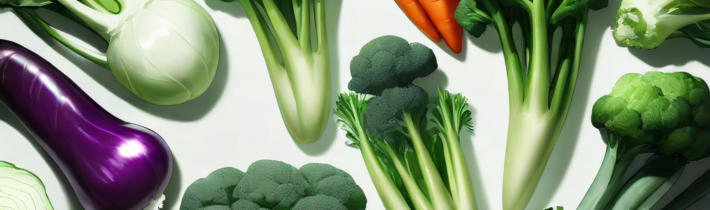
Achieving a radiant complexion is often viewed through the lens of expensive serums and invasive treatments, yet the most potent skincare regimen begins in the produce aisle. The skin, our body’s largest organ, acts as a mirror for our internal health, reflecting the nutrients we consume. By prioritizing specific vegetables rich in antioxidants, vitamins, and hydration, you can support your skin’s natural renewal processes, manage inflammation, and achieve a healthy, clear glow from the inside out.
The Science of Phytochemicals and Skin Health
Phytochemicals are naturally occurring compounds found in plants that protect them from environmental stressors. When we ingest these compounds, they perform a similar protective function for our skin. Carotenoids, for instance, are pigments that give vegetables their vibrant orange, red, and yellow hues. Once consumed, these antioxidants accumulate in the skin, helping to neutralize free radicals caused by UV exposure and pollution. This internal defense mechanism is crucial for preventing premature aging and maintaining skin elasticity. Incorporating a spectrum of colors into your daily diet ensures a broad intake of these protective agents, which work synergistically to support cellular integrity.
Cruciferous Vegetables for Detoxification and Clarity
Vegetables like broccoli, cauliflower, Brussels sprouts, and kale belong to the cruciferous family, and they are powerhouses for skin health. These vegetables contain sulfur-containing compounds known as glucosinolates, which support the liver’s detoxification pathways. When the liver functions optimally, the body is better equipped to process hormones and toxins that might otherwise manifest as breakouts or dullness. Furthermore, broccoli is exceptionally high in Vitamin C and Vitamin E. Vitamin C is essential for collagen synthesis, while Vitamin E protects the skin from oxidative damage. By steaming or lightly roasting these vegetables, you retain their nutrient density while making them easier to digest, ensuring your body can effectively absorb these skin-clearing compounds.
Hydration Through Water-Rich Vegetables
Dehydrated skin often appears tired, flaky, and more prone to fine lines. While drinking water is essential, eating water-rich vegetables provides a unique advantage: these vegetables contain structured water, along with essential minerals like potassium and magnesium that help the body retain hydration. Cucumbers are the gold standard here, consisting of over 95% water and containing silica, a trace mineral that supports skin firmness and connective tissue health. Similarly, celery provides a hydrating crunch and contains phytonutrients that help lower blood pressure, which can improve overall circulation to the skin. Adding these to your daily intake helps maintain a plump, dewy appearance throughout the day.
Beta-Carotene Powerhouses for Sun Protection
Sweet potatoes, carrots, and butternut squash are rich in beta-carotene, a precursor to Vitamin A. Vitamin A is legendary in dermatology for its ability to promote cell turnover and prevent clogged pores. When consumed in food form, the body converts beta-carotene into retinol, which helps normalize skin cell function and reduces the appearance of hyperpigmentation. Regular consumption of these orange-hued vegetables can create a subtle, healthy glow often described as a “natural tan.” To maximize absorption, always pair these vegetables with a healthy fat source, such as avocado, olive oil, or nuts, as Vitamin A is fat-soluble and requires lipids to be properly utilized by the body.
Leafy Greens and the Role of Chlorophyll
Dark, leafy greens like spinach, Swiss chard, and collard greens are staples for anyone seeking clear skin. They are densely packed with chlorophyll, a pigment that has been shown to have anti-inflammatory and antibacterial properties. Chlorophyll acts as an internal cleanser, helping to alkalize the body and reduce the systemic inflammation that often triggers acne and redness. Additionally, these greens are high in folate, a B-vitamin that is critical for DNA repair and cellular growth. Incorporating a large serving of raw or sautéed leafy greens into your daily routine provides a consistent supply of these vital nutrients, helping to soothe irritated skin and promote a balanced, even complexion.
Bell Peppers: The Vitamin C Champions
If you are looking to boost collagen production, look no further than bell peppers. While oranges are famous for their Vitamin C content, bell peppers—particularly the red and yellow varieties—actually contain significantly more Vitamin C per gram. Collagen is the structural protein that keeps skin firm and bouncy; without adequate Vitamin C, the body cannot effectively synthesize it. Furthermore, bell peppers contain Vitamin B6 and folate, which support healthy blood flow to the skin, ensuring that nutrients are delivered to the surface cells efficiently. Slicing them into salads or using them as a crunchy snack with hummus is a simple way to increase your daily intake of this skin-firming nutrient.
The Anti-Inflammatory Benefits of Tomatoes
Tomatoes are unique because their primary skin-benefiting compound, lycopene, becomes more bioavailable when cooked. Lycopene is a powerful antioxidant that helps protect the skin against sun-induced erythema and long-term damage. Studies have shown that regular consumption of tomato paste or cooked tomatoes can improve the skin’s natural SPF factor over time. By incorporating cooked tomatoes into sauces, stews, or roasted dishes, you are providing your skin with a consistent source of protection against environmental stressors. This makes tomatoes an essential component of a skin-conscious diet, particularly for those who spend significant time outdoors.
Practical Tips for Integrating More Vegetables
Consistency is the secret to seeing results in your skin. To make this habit sustainable, start by “crowding out” less nutritious foods with vegetables rather than focusing on restriction. Add a handful of spinach to your morning smoothie; you won’t even taste it. Roast a large tray of mixed root vegetables on Sunday to use as a quick side dish throughout the week. Keep pre-cut cucumber and bell pepper sticks in the fridge for an easy snack. Remember that variety is key—the more colors you put on your plate, the wider the range of antioxidants you provide your skin. By focusing on whole, plant-based foods, you create a foundation for skin that looks vibrant, clear, and resilient.
The Sulfur-Zinc Synergy: Mineral Support for Acne-Prone Skin
While vitamins often steal the spotlight, minerals found in specific vegetables play a foundational role in maintaining clear skin by regulating oil production and tissue repair. Alliums, such as garlic, onions, leeks, and shallots, are rich in organosulfur compounds. Sulfur is a key component of keratin, the protein that makes up your skin, hair, and nails. Beyond structure, sulfur acts as a natural antimicrobial agent, helping to reduce the bacteria on the skin surface that contributes to acne. When you crush garlic and let it sit for ten minutes before cooking, you activate allicin, a compound with potent anti-inflammatory properties that can soothe the redness associated with active breakouts.
Complementing this, zinc-rich vegetables like mushrooms (particularly shiitake and cremini) are essential for hormonal skin management. Zinc is a trace mineral that regulates the activity of oil glands and helps the body process testosterone, a hormone often linked to adult-onset acne. By pairing zinc-dense mushrooms with sulfur-rich onions in a stir-fry, you create a dual-action defense that both inhibits the overproduction of sebum and strengthens the skin’s barrier against external pathogens. For those struggling with cystic or inflammatory acne, integrating these mineral-dense vegetables several times a week can provide the internal balance necessary to reduce the frequency and severity of flare-ups.
Fermented Vegetables and the Gut-Skin Axis
The health of your skin is inextricably linked to the diversity of your gut microbiome. When digestion is sluggish or gut flora is imbalanced, the body often attempts to eliminate toxins through the skin, leading to congestion and dullness. Fermented vegetables, such as sauerkraut, kimchi, and fermented beets, are the ultimate skin-clearing tools because they provide a dual benefit: they are packed with probiotics (beneficial bacteria) and they are pre-digested through the fermentation process, making their nutrients more readily bioavailable.
Lactic acid bacteria found in fermented vegetables help lower the pH of the gut, which in turn supports a healthy systemic environment that discourages the growth of inflammatory pathogens. Furthermore, the fermentation process increases the levels of B-vitamins, particularly B12 and folate, which are vital for cell regeneration. Adding just two tablespoons of raw, unpasteurized sauerkraut to your lunch can improve nutrient absorption from the rest of your meal. Over time, this gut-healing practice can lead to a noticeable reduction in puffiness and a clearer, more luminous complexion as your body becomes more efficient at processing waste and absorbing skin-building nutrients.
The Role of Allium-Derived Antioxidants in Collagen Preservation
Beyond sulfur, allium vegetables are rich in quercetin, a flavonoid antioxidant that acts as a natural antihistamine and a protector against collagen degradation. UV radiation and environmental pollutants stimulate the production of matrix metalloproteinases (MMPs), enzymes that break down collagen and elastin fibers in the dermis. Quercetin inhibits these enzymes, effectively acting as an internal shield that preserves the structural integrity of your skin. This is particularly relevant for those living in urban environments where smog and particulate matter contribute to ‘urban aging,’ a phenomenon characterized by fine lines and hyperpigmentation.
To maximize these benefits, consider the preparation method. Quercetin is most concentrated in the outer layers of red onions and shallots. Rather than discarding these layers, consider using them to make vegetable stocks. By simmering these outer skins, you extract a potent concentration of flavonoids that can be incorporated into soups and sauces. This practice not only minimizes food waste but also ensures that you are consuming the highest possible concentration of skin-protective compounds, reinforcing your skin’s resilience against the daily oxidative onslaught of modern life.
Root Vegetables and the Importance of Complex Carbohydrates
Many skin-conscious individuals mistakenly fear carbohydrates, but the right types—found in root vegetables like parsnips, turnips, and beets—are crucial for skin health. These vegetables contain complex carbohydrates and prebiotic fibers that provide a steady, slow-release energy source for the body. Unlike simple sugars, which cause insulin spikes that trigger inflammation and sebum production, these root vegetables keep blood sugar levels stable. Stable blood sugar is critical for preventing glycation—a process where excess sugar molecules attach to collagen proteins, creating ‘Advanced Glycation End-products’ (AGEs) that make skin brittle, stiff, and prone to sagging.
Beets, in particular, are a skin-care powerhouse due to their high concentration of betalains, a class of pigments with superior antioxidant capacity. Betalains support the body’s phase-two detoxification pathway in the liver, which is the body’s primary mechanism for clearing out metabolic waste. By roasting a variety of root vegetables with a touch of olive oil and herbs, you provide your body with the fiber needed for consistent detoxification and the complex fuel required to keep cellular metabolism efficient. This, in turn, ensures that your skin cells have the energy they need to repair and regenerate overnight.
The Photoprotective Potential of Dark Pigmented Vegetables
While we often discuss sun protection in terms of lotions, certain dark-pigmented vegetables offer an internal ‘sunscreen’ effect that complements topical SPF. Eggplant, particularly its deep purple skin, contains nasunin, a potent phytonutrient that protects the lipids in brain and skin cell membranes from oxidative damage. Similarly, the deep purple hues of radicchio and red cabbage are derived from anthocyanins, powerful antioxidants that have been shown to improve skin elasticity and reduce the damaging effects of UV-induced free radicals.
These deep-pigmented vegetables work by scavenging free radicals before they can cause cellular damage, effectively raising the threshold of your skin’s natural defense. Incorporating these into your diet during the summer months or during times of high sun exposure can provide an extra layer of protection. For instance, a salad base of shredded red cabbage and radicchio, topped with a fat-rich dressing, ensures that these fat-soluble antioxidants are well-absorbed. By viewing these vegetables not just as food, but as a dietary supplement for photoprotection, you can better support your skin’s long-term health and prevent the mottled pigmentation that often results from cumulative sun exposure.
Maximizing Nutrient Density: The ‘Kitchen Strategy’ for Skin
The way you store, prep, and pair your vegetables can drastically alter their skin-clearing potential. Many of the most beneficial compounds in vegetables are volatile or heat-sensitive. For example, the sulforaphane in broccoli is most effective when the vegetable is chopped and allowed to sit for 40 minutes before cooking, as this allows the enzyme myrosinase to convert glucoraphanin into its active, anti-cancer, and anti-inflammatory form. If you cook it immediately, you lose much of this benefit.
Frequently Asked Questions
Q: How long does it take to see skin improvements from diet? A: Skin cells typically turnover every 28 to 40 days. While you may notice increased hydration within a week, significant improvements in clarity, texture, and brightness usually become visible after four to eight weeks of consistent nutritional changes. Q: Should I eat these vegetables raw or cooked? A: It depends on the vegetable. Vegetables like cucumbers and celery are best raw to retain their hydrating properties. However, vegetables like tomatoes, carrots, and sweet potatoes are better cooked, as heat breaks down cell walls and makes nutrients like lycopene and beta-carotene more absorbable. Q: Can eating too many vegetables cause skin issues? A: For most people, eating more vegetables is highly beneficial. However, in rare cases, excessive consumption of beta-carotene-rich foods can lead to carotenemia, a harmless condition where the skin takes on an orange tint. This is easily reversed by reducing intake. Q: Do I need to buy organic vegetables for better skin? A: While organic vegetables can reduce your exposure to synthetic pesticides, the most important factor is the quantity and variety of vegetables you consume. If organic is not accessible, focus on washing all produce thoroughly and prioritize a diverse, plant-rich diet regardless of growing method. Q: Can a vegetable-based diet replace my skincare products? A: Nutrition and topical skincare serve different purposes. While diet provides the essential building blocks for skin health from the inside, topical products protect the skin barrier from external pollutants and provide targeted treatments for specific concerns. A combination of both is ideal for optimal results.
Related posts:
 Daily Anti-Inflammatory Tips
 Sanitas Collagen Duo Review
 Nithya Collagen: Transforming Skincare with Cutting Edge Technology
 Collagen Pairing Perfection: The Best Foods to Maximize Your Supplement Benefits
 MSM Sulfur Benefits Guide
 Mind-Skin Connection: Psychodermatology Insights
 The Best Foods for Soothing Facial Redness
 Brain-Boosting Foods