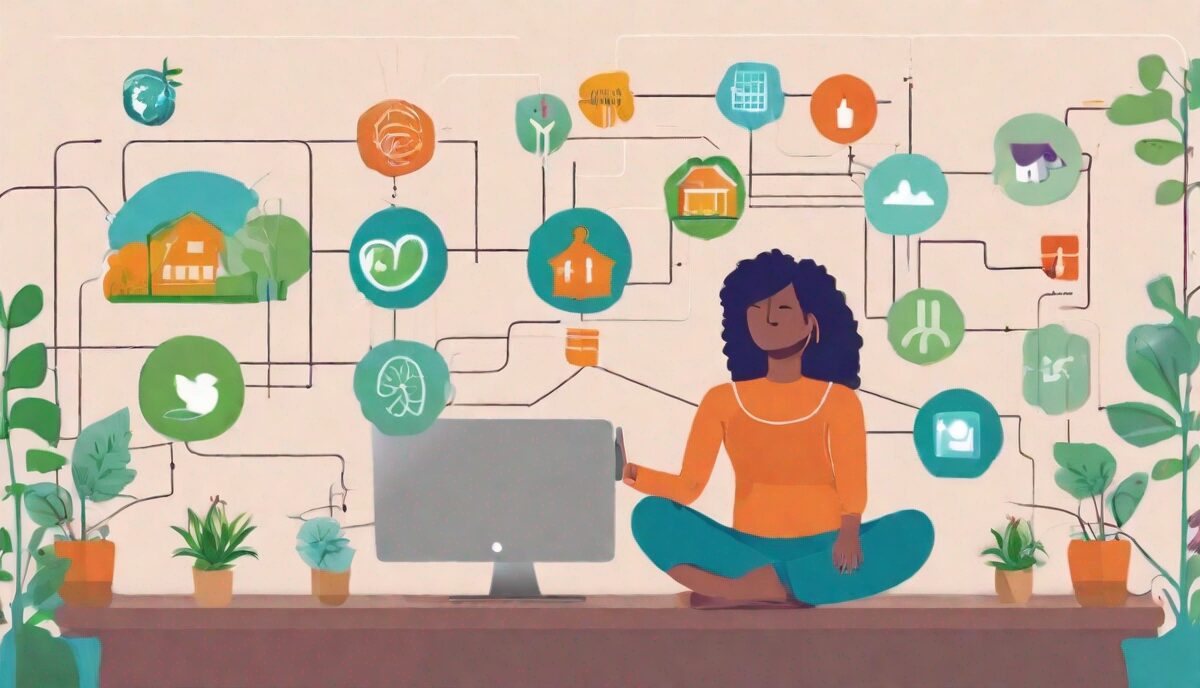
Building Connections in the Digital Age
In an increasingly digital world, it can be challenging to foster meaningful connections. However, online communities provide opportunities to support one another’s wellbeing and personal growth.
The Power of Shared Experiences
Virtual communities unite people across distances through common interests and lived experiences. Sharing stories, advice, and encouragement with others who understand firsthand can make a world of difference.
Spaces to Learn and Grow
Online groups allow members to exchange information, forge friendships, and gain new skills. The connections formed in these compassionate spaces can motivate positive change in people’s lives.
Support Networks for Health Journeys
Wellness communities provide solidarity through life’s ups and downs. Whether working towards fitness goals, dealing with medical challenges, or pursuing better nutrition, having a support network makes the journey easier.
Shared Wisdom Bolsters Mental Health
Virtual communities play an invaluable role in helping people face emotional obstacles and improve their mental wellbeing. The empathy, encouragement and resources shared in these spaces promote resilience.
Curating Your Digital Environment for Emotional Safety
Not all online spaces are created equal. To truly thrive, you must curate an environment that aligns with your specific wellness goals. This involves moving beyond passive membership to active vetting. Before committing to a group, analyze the moderation policy: is there a clear code of conduct? Are there designated “trigger warnings” for sensitive topics? A healthy community prioritizes psychological safety, meaning moderators should actively remove toxic behavior, unsolicited medical advice, and gatekeeping. Look for spaces that encourage “I” statements rather than prescriptive “you” statements, which helps prevent members from feeling pressured to adopt health regimens that may not be suitable for their individual biology.
The Role of Accountability Partners and Micro-Communities
While large forums offer breadth, the most significant personal breakthroughs often occur within “micro-communities”—smaller, intimate subgroups of 5 to 10 people. These clusters allow for deep-dive accountability. For instance, if you are working on a specific fitness or mindfulness goal, forming a “pod” within a larger community can provide a structured check-in system. By scheduling weekly virtual coffee chats or using shared tracking apps to log progress, you create a layer of social commitment that is harder to ignore than a general post in a public feed. This transition from being a “follower” to an “active participant” shifts the dynamic from passive consumption to collaborative growth.
Navigating the Pitfalls of Online Comparison
The “highlight reel” effect is a well-documented risk in wellness circles. When members only share their weight loss victories or their most “zen” meditation moments, it can inadvertently create feelings of inadequacy in others. To mitigate this, actively seek out communities that value “vulnerable storytelling.” Look for groups where members post about plateaus, relapses, and the messy, non-linear nature of progress. When you catch yourself comparing your Chapter 1 to someone else’s Chapter 20, use that as a cue to engage with the “Real Talk” threads or reach out to someone who is currently navigating a similar challenge. Reframing the community as a place for shared struggle rather than just shared success is essential for long-term mental health.
Leveraging Asynchronous Communication for Sustainable Wellness
One of the greatest advantages of digital communities is the ability to engage asynchronously, which is particularly beneficial for those with unpredictable schedules, neurodivergence, or high-stress professions. You do not need to be “on” 24/7 to reap the benefits. Establish a “wellness window”—a dedicated 15-minute block during your day to check in, offer encouragement, and read updates. By treating your community participation as a scheduled self-care practice rather than an endless social media scroll, you prevent digital fatigue. Use tools like bookmarking or “save for later” features to curate a library of resources that you can revisit when you are actually ready to implement them, rather than consuming them in a state of overwhelm.
Expert-Led vs. Peer-Led Dynamics
It is vital to distinguish between peer-led support groups and expert-facilitated spaces. Peer-led groups are excellent for social validation and shared lived experience, but they are not a substitute for professional clinical advice. Conversely, expert-led communities—where a licensed therapist, nutritionist, or coach moderates the discourse—provide a higher level of evidence-based guidance. The ideal wellness strategy often involves a hybrid approach: using expert-led spaces for foundational knowledge and peer-led spaces for daily motivation and community connection. Always verify the credentials of those offering “expert” advice; a true professional will never diagnose you via a comment thread or ask you to abandon your prescribed medical treatment in favor of unverified supplements or protocols.
Building Resilience Through Digital Boundaries
As you become more active in these spaces, you may encounter “compassion fatigue”—a state where the emotional weight of supporting others begins to drain your own reserves. To prevent this, define your boundaries early. It is perfectly acceptable to mute threads that are becoming emotionally taxing or to take “digital sabbaticals” when you need to focus on your own life offline. Communicate these boundaries clearly: “I am taking a week off to focus on my personal health, see you all soon!” This models healthy behavior for others in the group. Remember that you are a participant, not a crisis counselor; knowing when to refer someone to professional help rather than attempting to “fix” their situation yourself is a critical skill for maintaining a sustainable and healthy community presence.
Integrating Offline Action with Online Inspiration
The ultimate goal of any virtual wellness community should be to catalyze action in the physical world. If your community time is not leading to tangible changes—whether that is cooking a new recipe, practicing a breathing exercise, or simply improving your sleep hygiene—it may be turning into a form of “productive procrastination.” Challenge yourself to turn one piece of advice you read online into a real-world experiment every week. Report back on your results, even if they were unsuccessful. This feedback loop bridges the gap between the digital and the physical, transforming the virtual space from a place of passive inspiration into a laboratory for your personal health journey.
Frequently Asked Questions
What are some examples of online wellness communities?
Some popular examples are groups focused on fitness, healthy eating, managing medical conditions, mental health support, personal growth, disability advocacy, and recovery from addiction among others.
How do you join a virtual wellness community?
Most online communities allow free memberships or subscriptions. Many have Facebook groups, forums, apps or platforms for exchanging messages, tips and sharing experiences with other members.
What are the benefits of participating in one?
Benefits include gaining knowledge, accountability, social connections, emotional support, motivation and inspiration for improving health, fitness, nutrition, personal growth, mental wellbeing and an overall healthy lifestyle.
What precautions should you take when joining an online community?
Be aware that anonymity on the internet can lead some to spread misinformation. Fact check any claims that seem questionable. Also limit sharing personal details to maintain privacy and security.
How can you support others in online wellness spaces?
Offer encouragement through comments and replies. Share what has helped you while acknowledging everyone’s journey is unique. Be compassionate, non-judgmental and willing to learn as well.
Related posts:
 Rise of Fitness Wellness Communities
 The Nonprofits Making Real Change in Wellness
 Weight Watchers Just Changed Everything: From Diet Culture to Wellness Revolution
 Gyms Are Actually Banning Sexy Workout Clothes and Here’s Why
 Dating in the Metaverse: A New Frontier for Love
 Airbnb’s Online Experiences Are Changing How We Travel From Home
 Embracing Virtual Wellness: The Future of Healthy Living
 How Social Community Participation Affects Your Financial Health