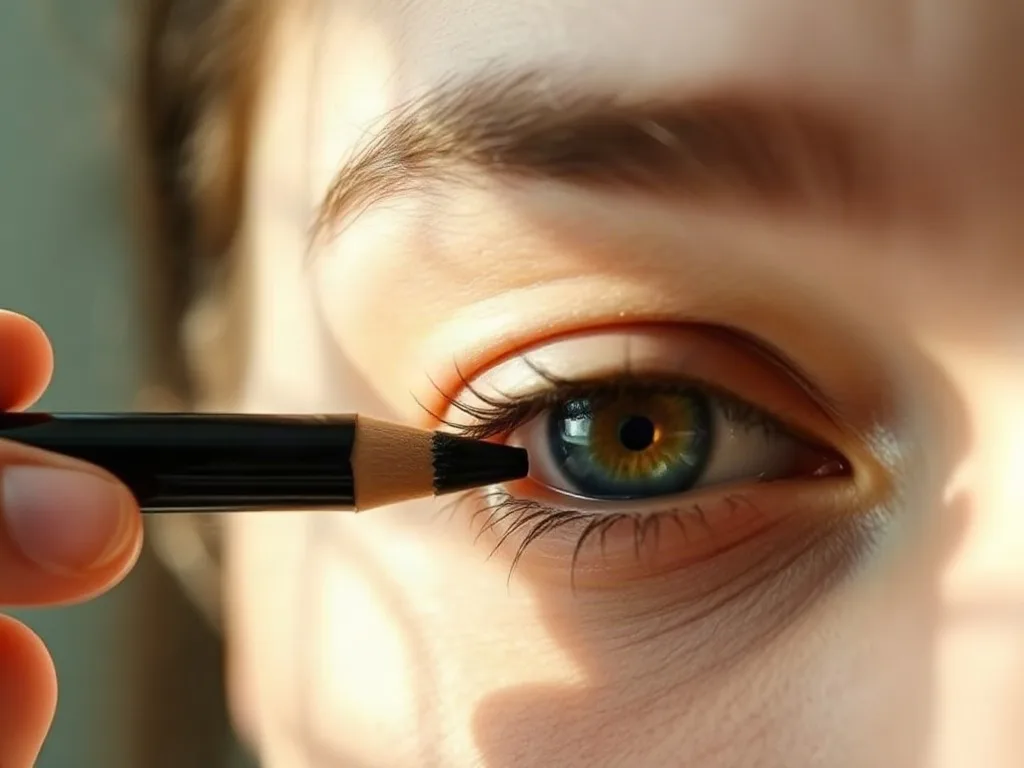
Mastering the waterline eyeliner technique is a hallmark of sophisticated makeup artistry. Whether you are aiming for the sultry intensity of a classic tightline or the wide-eyed brightness of a modern minimal look, the waterline—the thin, moist rim of skin between your lashes and your eyeball—serves as a transformative canvas. Achieving this look requires a blend of the right products, precise application techniques, and a commitment to ocular health.
Key takeaways
- Use waterproof gel pencils instead of liquid liners to ensure adherence and prevent eye irritation.
- Apply nude or beige liner to the lower waterline to reduce redness and make eyes appear larger.
- Sharpen pencils before every use to remove bacteria and prevent infections like conjunctivitis or clogged oil glands.
- Use a bi-phase or oil-based remover to gently dissolve waterproof formulas without damaging delicate skin.
- Set gel liner with a matching powder eyeshadow to create a moisture-resistant barrier for all-day wear.
Understanding the Anatomy of the Waterline
The waterline, clinically known as the posterior eyelid margin, is a sensitive area lined with Meibomian glands. These glands secrete oils that keep your eyes lubricated. Because this area is in constant contact with the eyeball and is naturally moist, it presents a unique challenge for makeup adherence. Traditional pencil liners often slide off within minutes due to the natural oils and moisture present in the eye. Understanding that this area is highly vascular and sensitive is the first step in learning how to apply product safely without causing irritation or interfering with your vision.
Selecting the Right Product Formulation
Not all eyeliners are created equal, and using the wrong type on your waterline can lead to smudging, migration, or eye infections. For the waterline, you should prioritize products explicitly labeled as “waterproof” or “long-wear.” Gel-based pencils are generally the gold standard because they offer a creamy application that sets into a smudge-proof finish. Avoid liquid liners, which contain solvents that can sting the eyes and do not adhere to wet surfaces, and steer clear of standard kohl pencils unless they are specifically formulated for long-wear performance, as they tend to migrate into the tear ducts quickly.
The Essential Step: Tightlining for Definition
Tightlining is the art of applying liner to the upper waterline to create the illusion of thicker, fuller lashes. This technique bridges the gap between the skin and the lash line, eliminating the light-colored skin that often shows through between individual lashes. To tightline, gently lift your upper eyelid and look into a mirror. Use a waterproof gel pencil to fill in the gaps between the roots of your eyelashes. This subtle move adds significant depth to your gaze, making your eyes appear more defined without looking like you are wearing heavy makeup.
Achieving a Bright, Wide-Awake Look
If your goal is to make your eyes appear larger and more alert, the choice of color is paramount. While black is the classic choice for definition, it can sometimes make smaller eyes look closed off. Using a nude, beige, or soft white liner on the lower waterline is a professional makeup artist trick to counteract redness and simulate a larger sclera (the white of the eye). Choose a shade that mimics your natural skin tone rather than a stark, chalky white, which can look unnatural. This technique is particularly effective for those who suffer from tired eyes or seasonal allergies.
Step-by-Step Application Techniques
To apply liner to your lower waterline, start by tilting your head slightly back and looking down into your mirror. Use your non-dominant hand to gently pull your lower eyelid down, exposing the waterline. Take your waterproof pencil and, using short, light strokes, glide the tip along the rim. Avoid pressing too hard, as this can irritate the delicate tissue. If the pencil feels too stiff, warm it up by drawing a few lines on the back of your hand first. For the upper waterline, use your dominant hand to support the eyelid while you gently “stamp” the pigment into the roots of the lashes.
Hygiene and Ocular Health Best Practices
Safety is non-negotiable when applying makeup so close to the eye. Always sharpen your eyeliner pencil before every use to remove bacteria that may have accumulated on the surface. Furthermore, never share your eye makeup with others, as this is a primary cause of bacterial conjunctivitis. If you experience persistent redness, itching, or excessive tearing, stop using eyeliner immediately and consult an eye care professional. Additionally, ensure you are removing your makeup thoroughly every night; leaving waterline product on overnight can clog the Meibomian glands, leading to styes or dry eye syndrome.
Removing Waterline Liner Safely
Because waterproof formulas are designed to resist moisture, they require a dedicated approach to removal. Water alone will not suffice and may lead to unnecessary rubbing, which can damage the delicate skin around the eyes. Use a bi-phase makeup remover—which contains both oil and water—or a gentle, oil-based cleansing balm. Saturate a soft cotton pad or a reusable bamboo round with the remover, hold it against your closed eye for ten to fifteen seconds to allow the product to dissolve, and gently wipe away. Avoid harsh tugging, as the skin around the eyes is the thinnest on the body and prone to premature fine lines.
Troubleshooting Common Waterline Issues
If you find that your liner is constantly running or smudging, you may be dealing with naturally watery eyes. In this case, try setting your liner with a matching powder eyeshadow using a thin, angled brush. The powder acts as a barrier, absorbing excess moisture and locking the cream formula in place. If you wear contact lenses, always insert your lenses before applying makeup to ensure that no stray particles of pigment get trapped behind the lens, which can cause significant irritation and potential corneal abrasions.
Navigating Sensitivity: Ingredient Awareness and Allergen Avoidance
Beyond basic hygiene, understanding the chemical composition of your waterline products is critical for long-term ocular comfort. The waterline is a mucous membrane, meaning it absorbs substances far more readily than the skin on your cheeks or forehead. When selecting liners, scrutinize the ingredient list for common irritants like formaldehyde releasers, parabens, or synthetic fragrances, which can trigger contact dermatitis on the lid margin. If you have a history of sensitive eyes, seek out mineral-based pigments or formulas infused with soothing botanicals like chamomile or aloe vera. Furthermore, be wary of products containing high concentrations of iron oxides if you have a known metal sensitivity; while generally safe, these pigments can sometimes cause localized inflammation in reactive individuals. Always perform a patch test on your inner wrist, but understand that the ocular mucosa has a different pH and sensitivity threshold, so if a product causes even minor stinging upon first application, it is a sign that the formulation is incompatible with your specific eye biology.
The Pro-Level ‘Sandwich’ Technique for All-Day Longevity
For those who struggle with even the most robust waterproof formulas migrating within hours, the ‘sandwich’ technique provides a structural barrier that defies moisture. Start by applying a thin layer of a long-wear gel pencil to the waterline. Once set, take a tiny, flat-head synthetic brush and gently press a matching matte eyeshadow directly onto the liner. This creates a powder-over-cream seal that renders the product virtually immovable. To take it a step further, you can ‘sandwich’ the liner by applying a tiny amount of a clear, eye-safe setting gel or a very fine dusting of translucent powder before the initial liner application to soak up any pre-existing moisture. This multi-layered approach is the secret weapon of editorial makeup artists working on long-duration photoshoots where the model is under hot lights, preventing the liner from melting into the tear ducts or creating the dreaded ‘raccoon eye’ effect by midday.
Customizing Liner Colors for Iris Enhancement
While black, white, and nude are the standard, the waterline offers a sophisticated opportunity to perform color theory on your own face. The goal is to choose a shade that complements or contrasts with your iris to make your natural eye color ‘pop.’ For blue eyes, a warm-toned copper or bronze liner on the waterline adds a striking contrast that intensifies the azure tones. If you have green eyes, purples and deep plums are transformative, as they sit opposite green on the color wheel and enhance the vibrancy of the iris. Brown-eyed individuals can experiment with navy, forest green, or even a soft gold, which adds a subtle warmth and brilliance to the sclera. By moving away from monochromatic black, you elevate your waterline technique from a functional step to a deliberate stylistic choice that frames your eyes with artistic intent rather than just heavy definition.
Addressing the ‘Gap’ Problem: Advanced Tightlining for Sparse Lashes
Many individuals struggle with a visible gap between their lash line and the actual eye, which can make the eyes look smaller or disconnected from the makeup look. If you have naturally sparse lashes, simple waterline application isn’t enough to create a seamless look. Instead, use a technique called ‘intralash lining.’ Rather than just targeting the wet waterline, use a fine-tipped, waterproof felt-tip pen—specifically designed for the lash line—to dot color between the individual roots of the lashes from underneath. By working in ‘micro-dots’ rather than a solid line, you create the illusion of a thicker, denser lash base without the product ever touching the sensitive inner rim. This creates a dense, dark foundation that makes the eyes appear naturally framed, which is especially effective for those who find that traditional waterline lining makes their eyes look smaller or ‘closed in.’
Managing the ‘Watery Eye’ Phenomenon
Watery eyes are the primary enemy of the waterline, often triggered by the very act of pulling on the lid or applying a cold pencil. If your eyes tear up immediately upon contact, your body is initiating a reflex to flush out a foreign object. To mitigate this, ensure your product is at room temperature; a cold pencil tip can trigger a thermal shock that induces tearing. Before application, try ‘pre-warming’ the tip by drawing several circles on a clean tissue or the back of your hand until the pigment is soft and creamy. Additionally, avoid pulling the eye outward toward the temple, as this stretches the skin and often triggers a lacrimal response. Instead, keep your gaze fixed on a stable point in the mirror and use a steady, gentle hand to press the product into place. If tearing occurs, do not attempt to ‘fix’ the liner while the eye is wet, as this will only smear the product; wait for the eye to calm, gently dab the moisture away with a clean, lint-free tissue, and then touch up the area.
Transitioning from Day to Night: The Gradient Waterline
The waterline is an excellent place to build a gradient that adds depth without the harshness of a solid black rim. For a softer, more professional daytime look, apply a deep brown or charcoal pencil only to the outer two-thirds of the lower waterline, leaving the inner third (near the tear duct) bare or filled with a brightening nude shade. This ‘gradient effect’ draws the focus to the outer corners, creating a subtle lift and an elongated almond shape. For evening transitions, you can smoke out the lower lash line by smudging the outer corner of your waterline liner downward into the lower lash roots using a small pencil brush. By connecting the waterline to the outer lash line, you create a cohesive, sultry frame that looks intentional and polished, effectively bridging the gap between a clean, minimal aesthetic and a full-glam smokey eye.
The Role of Eye Drops and Contact Lens Care
If you are a frequent contact lens wearer, your waterline routine requires extra vigilance regarding ocular surface health. Eye drops, particularly those containing preservatives or ‘redness relief’ ingredients, can interact with makeup pigments and cause them to break down prematurely or become trapped under the lens. Always wait at least 15 minutes after using any eye drops before applying waterline liner to allow the solution to fully absorb. Furthermore, if you notice that your liner is migrating more frequently, it may be a sign that your eyes are dry and compensating by producing excess tears, which then wash the makeup away. In this case, using an oil-free, hydrating eye drop for contact lens wearers can stabilize the tear film, creating a better environment for your liner to adhere to. Always prioritize the health of your tear film over the longevity of your makeup; if your eyes feel gritty or irritated, skip the waterline application entirely until the ocular surface has recovered.
Frequently Asked Questions
Q: Is it safe to use eyeliner on my waterline every day? A: While generally safe, daily use can lead to buildup in the oil glands of the eyelid. Ensure you are diligent about cleansing and consider taking “makeup-free” days to allow your eyes to breathe and reset. Q: Why does my eyeliner always disappear after an hour? A: Your eyes likely produce more moisture than average. Using a waterproof gel formula and setting it with a tiny amount of matching eyeshadow will significantly increase the longevity of the application. Q: Can I use liquid eyeliner on my waterline? A: No. Liquid eyeliner is meant for skin, not the sensitive, moist mucosa of the waterline. It can cause stinging, flaking into the eye, and potential allergic reactions. Q: What is the difference between kohl and gel liners? A: Traditional kohl is often softer and meant for smudging, which makes it migrate easily. Modern gel liners are formulated to set and lock in place, making them the superior choice for the waterline. Q: How can I tell if my eyeliner is safe for the waterline? A: Always look for products labeled “ophthalmologist-tested” or “safe for contact lens wearers.” If a product causes burning or excessive watering, discontinue use immediately as you may have a sensitivity to one of the ingredients.
Related posts:
 Best Eyeliner-Mascara Combinations
 Professional Tricks to Make Your Lipstick Last All Day
 Jenna Dewan’s Drugstore Secret for Perfect Eyebrows
 How to Safely Remove Eyelash Extensions at Home
 Is Honest Beauty’s Mascara Worth the Hype? Our Honest Review
 Long-Lasting Eyeliner Tips
 Finally, Mascara That Won’t Turn You Into a Panda by Noon
 The Best Drugstore Eyelash Serums That Actually Work