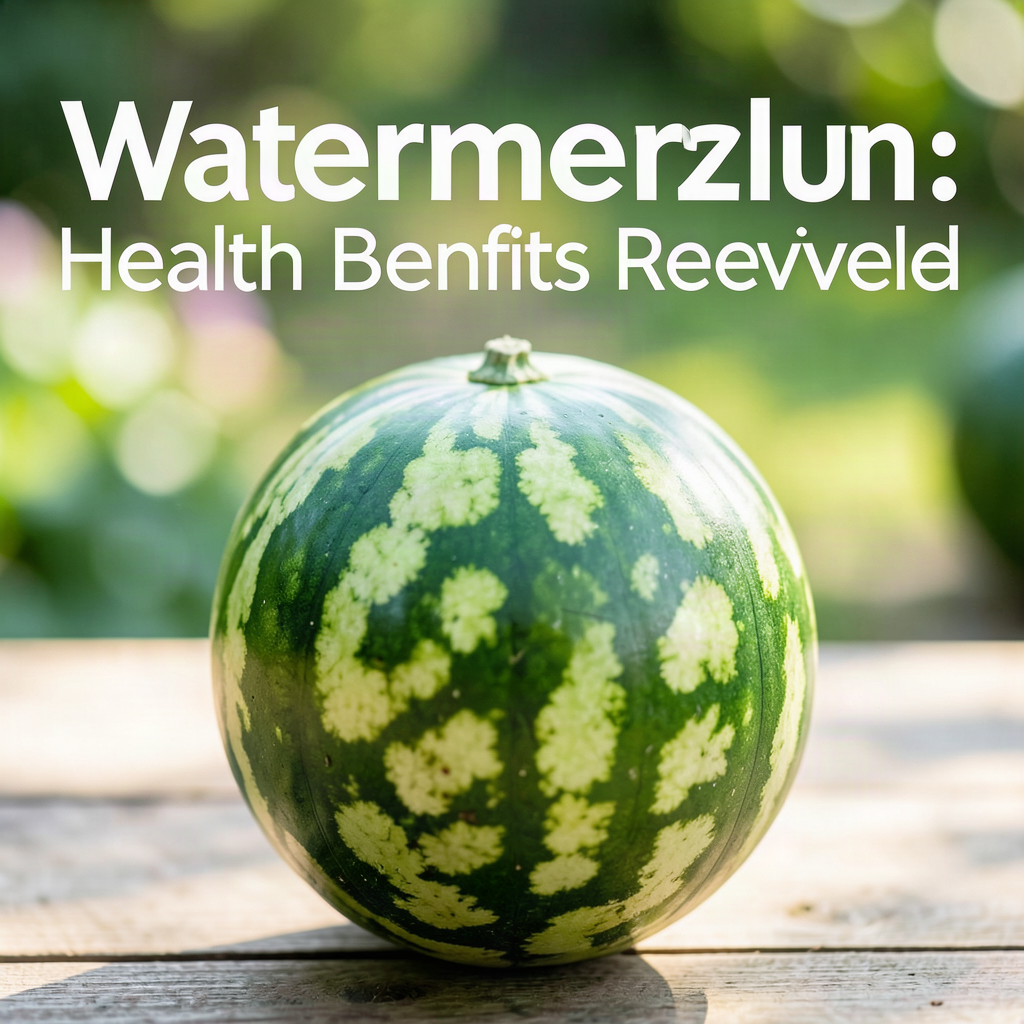
Watermelon is far more than a refreshing treat for hot summer afternoons. This iconic fruit, belonging to the Cucurbitaceae family, is a nutritional powerhouse that offers a unique profile of vitamins, minerals, and phytonutrients. By understanding the science behind this hydrating fruit, you can better integrate it into a balanced lifestyle that prioritizes metabolic health, recovery, and hydration.
The Nutritional Composition of Watermelon
At its core, watermelon is approximately 92% water, making it one of the most effective foods for maintaining hydration levels. However, the remaining 8% is dense with essential micronutrients. A standard serving provides a significant portion of your daily Vitamin C requirement, which is vital for immune function and collagen synthesis. Furthermore, it contains Vitamin A, which supports ocular health and skin integrity. The fruit also delivers trace amounts of potassium, magnesium, and B vitamins, particularly B6, which plays a role in cognitive function and energy metabolism. Unlike processed snacks, watermelon provides these nutrients within a low-calorie, high-volume matrix, allowing for satiety without excessive caloric intake.
Lycopene and Cardiovascular Support
One of the most notable compounds in watermelon is lycopene, a potent antioxidant that gives the fruit its vibrant red hue. While many people associate lycopene primarily with tomatoes, watermelon is actually a more concentrated source. Research suggests that lycopene may help reduce oxidative stress and inflammation, two factors heavily linked to cardiovascular issues. By neutralizing free radicals, lycopene supports the structural integrity of blood vessels and may assist in maintaining healthy blood pressure levels. Incorporating lycopene-rich foods into a diet focused on heart health is a proactive step toward long-term vascular wellness.
Citrulline and Physical Performance
Watermelon is one of the richest natural sources of L-citrulline, an amino acid that the body converts into L-arginine. This conversion process is essential for the production of nitric oxide, a molecule that helps blood vessels relax and widen, thereby improving blood flow and oxygen delivery to muscles. For individuals engaged in regular exercise, this mechanism is particularly beneficial. Some studies indicate that consuming watermelon juice before a workout may help reduce muscle soreness and improve recovery times. By facilitating efficient nutrient transport and waste removal, the citrulline in watermelon acts as a functional tool for those looking to optimize their physical performance.
Hydration and Electrolyte Balance
Proper hydration is a cornerstone of systemic health, affecting everything from temperature regulation to joint lubrication. While plain water is essential, eating water-rich fruits like watermelon provides an additional layer of hydration through electrolytes like potassium and magnesium. Potassium is a critical mineral that helps balance fluids in the body and supports nerve signals and muscle contractions. During intense physical activity or high-heat environments, the electrolytes found in watermelon can assist in maintaining fluid balance, making it a superior alternative to sugary, processed sports drinks that often contain artificial colors and preservatives.
The Role of Antioxidants in Skin Health
The synergy of Vitamin A, Vitamin C, and lycopene makes watermelon an excellent food for skin health. Vitamin C is required for the production of collagen, the protein that keeps skin firm and elastic. Simultaneously, the antioxidant properties of lycopene help protect skin cells from environmental damage, such as UV-induced oxidative stress. While watermelon should never replace sunscreen or topical dermatological care, nourishing the body from the inside out with phytonutrient-rich foods provides the necessary building blocks for healthy, resilient skin. Regular consumption can support a radiant complexion and help combat the visible signs of premature aging.
Blood Sugar Management and Glycemic Index
A common concern regarding fruit consumption is the impact on blood sugar. Watermelon has a relatively high glycemic index (GI), but it has a low glycemic load because it is mostly water. This means that while it causes a rise in blood sugar, the total amount of carbohydrates per serving is low. For individuals managing metabolic health, portion control remains key. Pairing watermelon with a source of healthy fats or proteins—such as a sprinkle of feta cheese, a handful of walnuts, or a few seeds—can further slow the absorption of sugars and provide a more sustained energy release, making it a viable snack even for those monitoring their glucose levels.
Culinary Versatility Beyond the Slice
While enjoying a chilled slice of watermelon on its own is a classic experience, its culinary utility extends much further. The fruit can be blended into gazpacho, cubed into savory summer salads with mint and balsamic glaze, or even juiced for a post-workout recovery tonic. The rind, which is often discarded, is also edible and contains citrulline. It can be pickled or stir-fried, minimizing food waste and maximizing nutrient intake. Experimenting with different flavor profiles—such as pairing the sweetness of watermelon with the heat of chili powder or the saltiness of olives—can elevate the fruit into a sophisticated component of any meal plan.
Sustainable Consumption and Selection
Choosing the right watermelon ensures you get the most flavor and nutritional value. Look for a fruit that is heavy for its size and features a creamy, yellow “field spot” where it sat on the ground to ripen. A dull rind is often preferred over a shiny one. From a sustainability perspective, purchasing watermelon in season reduces the carbon footprint associated with long-distance transport and cold-chain storage. By supporting local farmers during peak season, you ensure the freshest produce while contributing to a more resilient local food system. Proper storage—keeping whole melons in a cool place and refrigerated once cut—is essential to maintaining its quality and safety.
The Biochemical Synergy of Cucurbitacins
Beyond the well-known lycopene and citrulline, watermelon contains a class of compounds known as cucurbitacins. These are secondary metabolites responsible for the slightly bitter, earthy undertones found in the rind and near the stem. While historically avoided due to their bitterness, these compounds have demonstrated significant potential in laboratory settings for their anti-inflammatory and anti-proliferative properties. By consuming parts of the fruit closer to the rind, you are accessing a higher concentration of these phytonutrients. Integrating the rind into your diet—whether through quick-pickling with apple cider vinegar or blending it into green smoothies—allows you to tap into these unique biochemical defenses that are otherwise discarded.
Metabolic Efficiency and Insulin Sensitivity
While the glycemic index of watermelon is a frequent topic of debate, the interaction between its natural sugars and its specific nutrient profile deserves closer inspection. Watermelon contains small amounts of pectin, a type of soluble fiber that can modulate the speed of gastric emptying. This fiber, combined with the fruit’s high water volume, creates a physiological effect that is distinct from consuming refined sugars. Emerging research suggests that the synergistic effect of the polyphenols in watermelon may actually improve insulin sensitivity over time, rather than just serving as a source of glucose. To maximize this benefit, consume watermelon as a mid-morning snack rather than immediately after a high-carbohydrate meal, allowing your digestive system to process the fructose and glucose in isolation.
The Role of Watermelon in Kidney Function and Detoxification
Watermelon acts as a natural diuretic, a property largely attributed to its high water content and the presence of potassium. This promotes the production of urine, which assists the kidneys in flushing out excess uric acid, salts, and various toxins from the bloodstream. For individuals prone to mild fluid retention or bloating, the gentle diuretic effect of watermelon can help normalize fluid balance without the harsh side effects of pharmaceutical diuretics. However, it is essential to maintain a balance; excessive consumption for those with impaired renal function should be monitored, as the high potassium content requires efficient kidney filtration to maintain homeostasis.
Optimizing Micronutrient Bioavailability
The bioavailability of lycopene is famously enhanced by heat and the presence of healthy fats. Unlike raw tomatoes, which often require cooking to release their full lycopene potential, the lycopene in watermelon exists in a highly bioavailable cis-isomer form, making it easier for the body to absorb even when consumed raw. To further optimize this, pair your watermelon with a source of monounsaturated fats, such as a drizzle of extra virgin olive oil or a handful of crushed pistachios. This lipid-mediated absorption pathway ensures that the fat-soluble antioxidants are efficiently transported into your bloodstream, maximizing their protective effects on your cardiovascular and ocular systems.
Watermelon Seeds: The Often-Overlooked Superfood
In many cultures, the black seeds of the watermelon are harvested, dried, and roasted, treated as a delicacy similar to pumpkin or sunflower seeds. These seeds are nutritional powerhouses, containing high levels of protein, magnesium, folate, and healthy fatty acids. Specifically, they are a rich source of plant-based protein, which is vital for muscle repair and enzyme production. If you find the texture of raw seeds unappealing, consider sprouting them or roasting them in a dry pan with a pinch of sea salt. By consuming the whole fruit—flesh, rind, and seeds—you are adopting a ‘zero-waste’ nutritional approach that provides a broader spectrum of essential minerals than the flesh alone.
Cognitive Benefits and Neuroprotection
Recent studies have begun to explore the impact of watermelon-derived antioxidants on cognitive decline. Oxidative stress is a primary driver of neurodegeneration, and the combination of Vitamin C and carotenoids found in the fruit may offer a protective layer for neural tissues. The improvement in blood flow, facilitated by the L-citrulline to L-arginine pathway, is not limited to skeletal muscles; it also supports healthy cerebral circulation. Enhanced blood flow to the brain is linked to better cognitive performance, alertness, and mood regulation. By acting as a vasodilator, watermelon supports the delivery of oxygen and glucose to the brain, maintaining the vascular health necessary for long-term cognitive resilience.
The Role of Watermelon in Acid-Base Balance
While watermelon is often celebrated for its hydration properties, its influence on the body’s acid-base balance is an overlooked facet of its physiological impact. Despite its sweet taste, watermelon is considered an alkalizing food once metabolized. It leaves behind an alkaline ash, which helps neutralize the acidity generated by a diet high in animal proteins and processed grains. By assisting in the maintenance of an optimal systemic pH, watermelon can support the body’s natural buffering systems, potentially reducing the strain on bone density and muscle tissue that occurs in a chronically acidic environment. Integrating this fruit into a diverse diet helps shift the internal milieu toward a more balanced state, supporting metabolic homeostasis.
Watermelon as a Tool for Post-Prandial Blood Pressure Regulation
The cardiovascular benefits of watermelon extend beyond long-term vascular health; it also serves as a functional tool for managing acute blood pressure fluctuations. Research into the effects of L-citrulline has shown that it can mitigate the rise in arterial stiffness that often follows a high-fat meal. By promoting vasodilation, the amino acids in watermelon act as a counter-measure to the temporary vascular constriction that can occur during digestion. Consuming a small serving of watermelon alongside a heavier meal can help maintain vascular elasticity, providing a natural way to support healthy blood pressure levels during the daily metabolic cycle of digestion and absorption.
The Interaction Between Watermelon and the Microbiome
Recent interest in gut health highlights the importance of prebiotic fibers, and while watermelon is not traditionally classified as a high-fiber food, it contains specific oligosaccharides that serve as fuel for beneficial gut bacteria. The pectin found in the fruit matrix can undergo fermentation in the large intestine, supporting the growth of commensal flora. Furthermore, the high water content acts as a transport mechanism, ensuring that these prebiotic compounds reach the lower digestive tract efficiently. A healthy microbiome is essential for immune function, mood regulation, and nutrient absorption, and the inclusion of water-rich, prebiotic-containing fruits provides a gentle, non-irritating way to foster a diverse and resilient internal ecosystem.
Mitigating Heat-Induced Oxidative Stress
During peak summer months or periods of strenuous exertion, the body is subjected to significant thermal stress, which accelerates the production of reactive oxygen species (ROS). Watermelon is uniquely equipped to combat this through its specific profile of antioxidants, which work in tandem to quench free radicals generated by high body temperatures. The synergistic action of lycopene and glutathione precursors found in the fruit helps protect cellular membranes from lipid peroxidation, a common side effect of heat stress. This makes watermelon not just a refreshment, but a biological shield that helps the body cope with environmental stressors, preserving cellular integrity when the body’s internal cooling systems are under heavy demand.
Watermelon in the Context of Chronobiology
Timing your nutrient intake to align with your internal circadian rhythm can significantly enhance the efficacy of the foods you consume. Because of its light, hydrating, and rapidly digestible nature, watermelon is an ideal candidate for early-day consumption. Its natural fructose and glucose provide an immediate, clean energy source to jumpstart metabolic processes after the overnight fast. Conversely, consuming large amounts of high-water-content fruit immediately before sleep may lead to interrupted rest due to the diuretic effect. Aligning your watermelon intake with the period of peak metabolic activity—typically the morning and early afternoon—ensures that you derive the maximum energy and hydration benefits while minimizing the potential for sleep disruption.
Synergistic Pairings for Enhanced Nutrient Density
To move beyond simple snacking, consider the culinary strategy of “nutrient stacking” when serving watermelon. The fruit serves as a hydration base that can be paired with ingredients to create a complete physiological experience. For instance, pairing watermelon with sea salt and fresh basil creates a combination that addresses both electrolyte replacement and anti-inflammatory support. Adding a source of healthy fat, such as avocado or toasted sunflower seeds, facilitates the absorption of the fruit’s fat-soluble vitamins (A and C). By viewing watermelon as a foundational component of a complex dish rather than a standalone treat, you can transform a simple snack into a nutritionally dense meal that supports various bodily functions simultaneously.
Frequently Asked Questions
Q: Can watermelon help with weight management? A: Yes, due to its high water content and low caloric density, watermelon can promote satiety, helping you feel full without consuming excessive calories. It is an excellent low-calorie snack choice for those working toward weight goals.
Q: Is the rind of the watermelon edible? A: Absolutely. The rind is packed with citrulline and fiber. It is often pickled, added to smoothies, or stir-fried. It provides a crunchy texture and an earthy flavor that complements many dishes.
Q: Does watermelon cause spikes in blood sugar? A: While watermelon has a high glycemic index, its low glycemic load means the impact on blood sugar is generally manageable for most people. Pairing it with protein or fats can help stabilize your glucose response.
Q: How does watermelon compare to sports drinks for recovery? A: Watermelon provides natural electrolytes, carbohydrates for glycogen replenishment, and L-citrulline for blood flow, making it a more nutrient-dense, whole-food alternative to many commercially available sports drinks that often contain added sugars and dyes.
Q: Can I eat watermelon every day? A: For most individuals, eating watermelon daily is safe and healthy as part of a varied diet. However, those with specific medical conditions, such as diabetes or kidney issues, should consult with their healthcare provider regarding appropriate portion sizes based on their individual needs.
Related posts:
 Watermelon Diet: Facts and Myths
 Pink Drink Beauty: Glow Recipe’s Watermelon Moisturizer Is Summer in a Jar
 L-Citrulline Benefits Guide
 Metabolism Facts vs Myths
 Watermelon Pizza: A Refreshing Summer Treat
 Unveiling the Surprising Health Benefits of Watermelon Seeds
 Refreshing Watermelon Spritzer
 Watermelon Selection Secrets