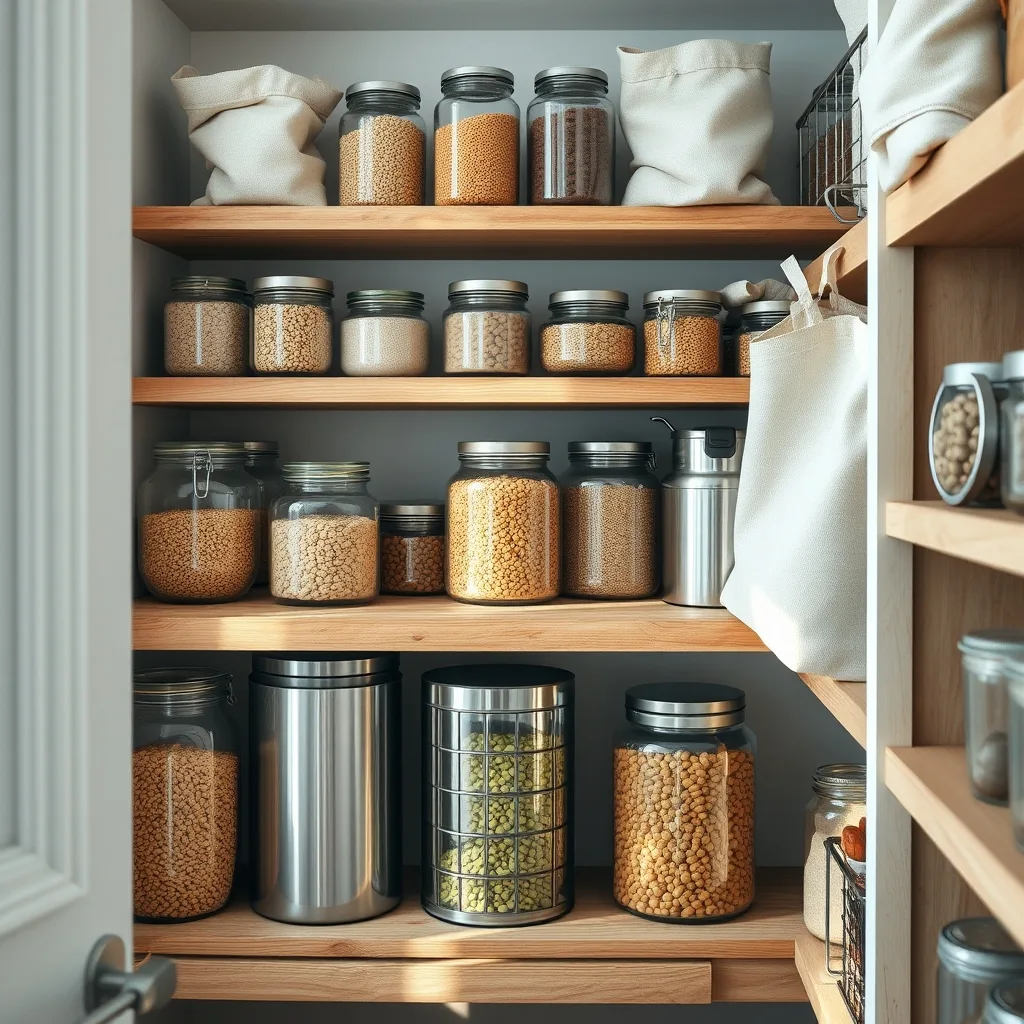
Reducing plastic in the pantry is more than an aesthetic choice; it is a commitment to reducing your environmental footprint and potentially limiting exposure to microplastics. While plastic packaging is ubiquitous in the modern food supply chain, transitioning to a low-waste pantry is a manageable process when approached with intentionality. By shifting your habits toward bulk shopping, glass storage, and reusable alternatives, you can create a kitchen that is both functional and sustainable.
Key takeaways
- Prioritize bulk shopping for dry goods using your own glass jars or cloth bags to eliminate single-use packaging.
- Utilize glass containers and stainless steel canisters to keep food fresh while avoiding chemical migration from plastic.
- Replace plastic cling wrap with reusable beeswax wraps or silicone stretch lids for covering bowls and leftovers.
- Choose bamboo, wicker, or metal organizers instead of plastic bins to improve shelf airflow and prevent moisture buildup.
- Adopt a phased approach by replacing one pantry category at a time to build sustainable, long-term habits.
Understanding the Plastic Problem in the Pantry
The average kitchen is a hub for single-use plastic, from the film wrap on produce to the liners inside cereal boxes. Plastic packaging is often designed for convenience and shelf stability, but it frequently ends up in landfills or the ocean, where it breaks down into microplastics. Beyond the environmental impact, some studies suggest that chemicals from certain types of plastic packaging can migrate into food, especially when exposed to heat or acidic ingredients. By systematically replacing these items, you are not only helping the planet but also curating a pantry that feels cleaner and more organized.
The Transition to Bulk Shopping
The most effective way to eliminate plastic at the source is to change how you purchase your groceries. Bulk sections are the best allies for a plastic-free pantry. Many health food stores and co-ops allow you to bring your own glass jars or cloth bags to fill with staples like rice, lentils, oats, nuts, and spices. Before shopping, weigh your empty containers at the customer service desk or use a “tare” function on the store scale. By opting for bulk, you bypass the plastic bags and rigid containers that manufacturers use for standard retail packaging. If your local grocery store does not offer bulk options, try to prioritize products packaged in paper, cardboard, or glass, which are significantly easier to recycle or repurpose.
Investing in Quality Glass Storage
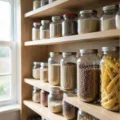
Once you bring your goods home, the right storage solutions are essential for long-term success. Glass is the gold standard for pantry storage because it is non-porous, inert, and transparent, allowing you to see exactly what you have on hand. Mason jars are incredibly versatile and inexpensive, but you can also look for specialized pantry canisters with airtight silicone seals. These seals keep moisture and pests out, ensuring your grains and legumes stay fresh longer. When transitioning, don’t feel the need to buy a matching set all at once. Reuse glass jars from pasta sauce, nut butters, and pickles. Simply soak them to remove the labels, sanitize them in the dishwasher, and they are ready to serve as your new pantry staples.
Managing Dry Goods and Snacks
Snack foods are notoriously high in plastic packaging. Often, products like crackers, pretzels, and dried fruits come in multi-layered, non-recyclable plastic bags. To reduce this, try to buy these items from bulk bins whenever possible. If you must buy pre-packaged items, look for brands that prioritize compostable or paper-based packaging. For snacks that you make at home, such as homemade granola or trail mix, use stainless steel tins or cloth produce bags. These containers are lightweight, durable, and perfect for grabbing on the go without relying on plastic zip-top bags.
Replacing Plastic Wrap and Food Covers
Plastic cling wrap is one of the most difficult pantry items to recycle and is frequently used for covering leftovers or bowl-bound ingredients. Fortunately, there are several effective alternatives. Beeswax wraps—cotton fabric infused with beeswax, resin, and oil—are a fantastic, reusable option for covering bowls or wrapping blocks of cheese. For smaller items, silicone stretch lids are an excellent investment; they create an airtight seal on various container shapes and can be washed and reused for years. If you need to store items in the fridge, stainless steel containers are a robust, plastic-free alternative that won’t stain or absorb odors.
Organizing with Natural Materials
When organizing your shelves, avoid plastic bins and baskets. Instead, opt for materials like bamboo, wicker, or metal. Bamboo is a highly renewable resource that adds warmth to a kitchen, while wire metal baskets provide excellent ventilation for items like onions, potatoes, and garlic. These items actually fare better in breathable containers than they do in plastic bags, which can trap moisture and cause produce to spoil prematurely. By using natural materials, you create a pantry that is aesthetically pleasing and aligns with a zero-waste lifestyle.
Shopping for Liquids and Oils
Liquids like olive oil, vinegar, and soy sauce are almost always sold in plastic or glass bottles. Prioritize brands that sell in glass and, whenever possible, look for companies that offer refill programs. Some specialty shops allow you to bring your own bottle to refill oils or vinegars. If you purchase items in plastic bottles, consider repurposing those bottles for non-food uses, such as watering plants or storing DIY cleaning solutions, before eventually recycling them. Always check the recycling number on the bottom of the bottle; while some plastics are easier to recycle than others, glass will always be the superior choice for pantry longevity.
Building a Sustainable Habit Loop
Transitioning your pantry is a journey, not a destination. It is easy to feel overwhelmed by the sheer amount of plastic in a standard supermarket, but remember that every plastic item you avoid is a win. Start small: focus on replacing one category of items at a time, such as your dry grains or your snack storage. Keep a set of reusable bags in your car or by the door so you are always prepared for a grocery run. By building these habits slowly, you ensure that your pantry remains a functional space that supports your life rather than a source of stress.
Navigating the Hidden Plastic in Condiment and Spice Storage
While we often focus on bulk grains, the spice rack and condiment shelf harbor significant, often overlooked plastic. Many store-bought spices come in plastic jars with shaker inserts made of low-density polyethylene. To eliminate these, start by purchasing your spices from bulk herb shops or local markets that allow you to fill small, reusable glass vials. If you already have plastic spice containers, consider transitioning to uniform glass jars with metal screw-top lids. For condiments like mayonnaise or mustard, which are traditionally sold in squeezable plastic, look for artisanal brands that utilize glass jars with metal lids. When you finish a jar, it can be cleaned and repurposed for smaller batches of spice blends or homemade herb-infused salts. For those who find glass too heavy for spices, stainless steel magnetic tins are a fantastic space-saving alternative that can be mounted to the side of your refrigerator, keeping your workspace clear while maintaining a completely plastic-free environment.
The Role of Natural Textiles in Moisture Control
Plastic bags are frequently used to store produce in the pantry, but they often trap moisture, leading to premature rot. Replacing plastic produce bags with organic cotton or hemp drawstring bags is a game-changer for items like potatoes, onions, and root vegetables. These breathable textiles allow airflow, which prevents the buildup of ethylene gas—a natural hormone that accelerates ripening and spoilage. When choosing textiles, opt for unbleached, organic fibers to ensure no synthetic dyes or chemicals leach into your food. These bags are easily machine-washable and can be hung from hooks or stored in wire bins, creating a modular system that adapts to your inventory. For items that require higher humidity, such as fresh ginger or garlic, consider a small terracotta “keeper” jar. Terracotta is porous by nature, naturally regulating the moisture levels inside the container, keeping your aromatics firm and flavorful without the need for a plastic liner.
Mastering the Art of Home Dehydration and Preservation
One of the most effective ways to avoid the plastic-heavy packaging of dried fruits, herbs, and jerky is to process these items at home. Investing in a stainless steel food dehydrator allows you to take fresh, seasonal produce bought in paper bags or loose from the farmers market and transform them into shelf-stable pantry staples. Once dehydrated, these items can be stored in glass jars with desiccant packs—look for food-grade, reusable silica gel beads or even simple dried rice packets—to maintain dryness. This not only eliminates the need for the plastic-lined bags these items usually come in, but it also allows you to control the ingredients, avoiding the added sugars and preservatives often found in commercial versions. By drying your own surplus, you are essentially extending the life of your produce and creating a self-sustaining cycle of preservation that requires zero plastic input.
Strategic Pantry Zoning for Long-Term Maintenance
Organization is a critical component of waste reduction; a disorganized pantry often leads to over-buying, which results in food waste and unnecessary packaging. Implement a “zoning” system based on usage frequency and material weight. Place heavy glass storage containers on lower, stable shelving to prevent breakage, while lighter items like cloth-bagged dried goods or paper-packaged grains can reside on higher shelves. Utilize the concept of “first-in, first-out” (FIFO) by placing your newest bulk acquisitions behind your older stock. This prevents products from sitting so long that they lose quality or attract pests, which is the primary reason people turn to plastic “emergency” storage. Labeling your glass jars with a grease pencil or a washable ink marker allows you to track dates and contents without relying on plastic adhesive labels that can leave sticky, non-recyclable residue on your containers.
Managing Liquid Refills and Bulk Oils Safely
The liquid section of a zero-waste pantry presents unique challenges, particularly regarding oxidation and light degradation. While clear glass is excellent for dry goods, high-quality oils and vinegars should be stored in amber or cobalt glass to protect them from UV light, which can degrade the product’s nutritional profile. Many local food co-ops now offer “refill stations” where you can bring your own clean, dark glass bottles to fill with bulk olive oil, balsamic vinegar, or tamari. If you are ordering in larger quantities, look for suppliers who use metal drums or returnable glass carboys. To manage these, keep a smaller, functional glass cruet on your counter for daily use and store the larger, bulk-sized glass vessel in a cool, dark cabinet. This minimizes the frequency of opening the large container, thereby reducing oxidation and ensuring your liquids remain fresh until the very last drop.
Dealing with Frozen Pantry Overflow
Often, the pantry and the freezer overlap, especially when it comes to long-term storage of bulk items or meal-prepped ingredients. Many people default to plastic zip-top bags for freezing, but there are superior, plastic-free alternatives. Wide-mouth mason jars are excellent for freezing liquids like stocks, soups, or sauces, provided you leave at least an inch of “headspace” at the top to allow for expansion. For dry goods or solids, try using stainless steel freezer containers with airtight lids. These are virtually indestructible and do not become brittle in sub-zero temperatures like plastic does. If you need to store items like berries or blanched vegetables, spreading them out on a metal baking sheet to flash-freeze before transferring them to a glass jar prevents them from clumping together. This eliminates the need for plastic barriers and ensures your frozen goods remain easily accessible and perfectly portioned.
Frequently Asked Questions
Q: Is it safe to reuse glass jars for pantry storage? A: Yes, reusing glass jars from pasta sauce or jelly is perfectly safe. Ensure they are thoroughly cleaned and dried to prevent mold growth, and replace the lids if they show signs of rust or if the rubber seal has degraded. Q: How do I handle bulk shopping if my local store doesn’t have a bulk section? A: If bulk bins are unavailable, focus on buying items in cardboard or paper, such as pasta in boxes or flour in paper bags. You can also advocate for change by asking store managers to consider adding a bulk section. Q: Are silicone bags a good replacement for plastic zip-top bags? A: Silicone bags are an excellent, durable alternative. They are freezer, dishwasher, and microwave safe, making them highly versatile for both pantry storage and meal prep. Q: How do I keep pests out of my pantry without plastic containers? A: Glass jars with airtight gaskets or locking metal lids are very effective at keeping pests out. Ensure your storage area is kept clean and that you wipe down shelves regularly. Q: What is the best way to recycle the plastic I already have? A: Check your local municipal recycling guidelines. Not all plastics are accepted in curbside bins, and some may need to be dropped off at specific facilities. Focus on reducing future consumption rather than worrying about the plastic you already own.
Related posts:
 Effective Ways to Reduce Household Plastic Use
 Second Life Magic: Turn Finished Candles Into Morning Coffee Companions
 Simple Ways to Organize Your Family Pantry
 Creating a Plastic-Free Home
 Simple Ways to Reduce Waste Production in Your Daily Life
 Practical Methods for Reducing Household Waste
 New York’s Plastic Bag Ban Is Finally Here and It’s Going to Change Everything
 Guide to Storing Pantry Staples Properly