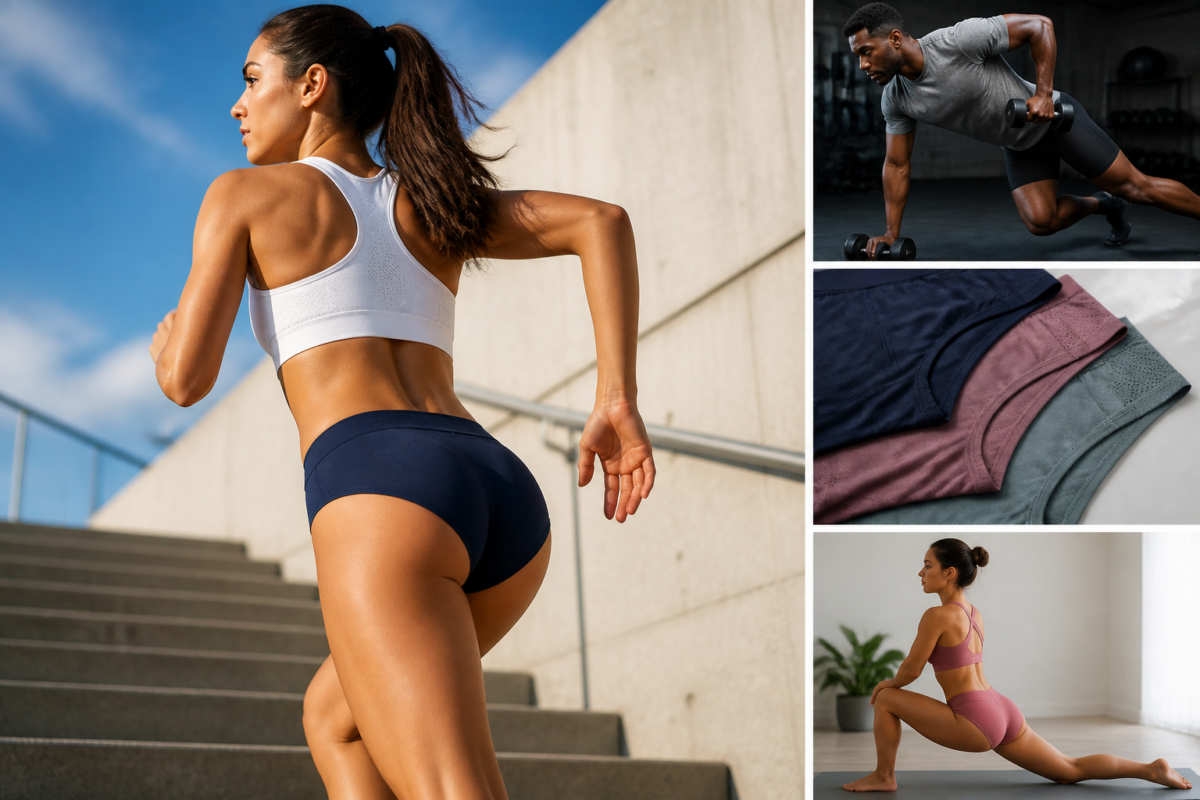
When you lace up your running shoes or grab a lacrosse stick, the last thing you want is a painful wedgie pulling your underwear off mid‑play. Wedgie‑free sports underwear is designed to give you the support and coverage you need without digging into your skin or shifting during intense movement. This guide walks you through the science behind comfortable athletic underwear, how to pick the right style, and tips for keeping it fresh match‑day after match‑day. Whether you’re a weekend warrior, a high‑school athlete, or a seasoned fitness enthusiast, the right pair can make the difference between a confident performance and a distracting distraction.
Understanding the Wedgie Problem
The wedgie effect happens when the waistband of underwear rides up over the hips and gets caught between the buttocks, pulling the garment upward. This is especially common in high‑impact sports like basketball, soccer, and running, where rapid acceleration and sudden stops can cause loose clothing to shift. The discomfort ranges from a mild pinch to a full‑blown pain that can ruin your concentration and even cause bruising. Many athletes ignore the issue, assuming it’s a normal part of wearing athletic apparel, but persistent wedgies can lead to skin irritation, chafing, and even muscular strain as you subconsciously adjust. Recognizing the signs early—such as redness, a feeling of tightness, or a noticeable shift in underwear position—helps you address the problem before it becomes a recurring annoyance.
Materials That Keep You Comfortable
The fabric you choose forms the foundation of any wedgie‑free design. Natural fibers like cotton are soft but retain moisture, which can lead to a damp feel and increased friction during sweat‑heavy sessions. Synthetic blends such as polyester, nylon, and spandex offer superior moisture‑wicking, stretch, and durability. Look for a blend that includes at least 70 % polyester or nylon with a small percentage of spandex for elasticity. These materials pull sweat away from the skin, keep the underwear in place, and resist pilling after repeated washes. If you prefer a more eco‑friendly option, consider recycled polyester or bamboo blends, which provide similar performance benefits while reducing environmental impact. Testing the texture—run your fingers across the fabric to feel smoothness and flexibility—can give you a quick sense of whether the material will feel comfortable against your skin throughout a workout.
Fit and Cut: Choosing the Right Style
Fit is the single most important factor in preventing wedgies. An overly loose waistband will ride up, while a too‑tight band can dig into the skin and cause pressure points. Most athletic underwear comes in three main cuts: low‑rise, mid‑rise, and high‑rise. Low‑rise styles sit just below the belly button and are ideal for compression shirts or fitted jerseys where you want the underwear to stay hidden. Mid‑rise sits at the natural waist and offers a balanced coverage that works for most sports. High‑rise styles extend above the navel, providing extra coverage for core support and helping keep the waistband from slipping. Additionally, consider whether you prefer a brief or boxer brief style. Boxer briefs offer more coverage and are often favored for high‑impact activities, while briefs provide a sleeker silhouette for sports with form‑fitting apparel. Trying on multiple pairs and moving in a dynamic way—squat, lunge, and jump—will reveal which fit feels secure without digging.
Moisture‑Wicking Technology for Performance
Sweat is inevitable in any intense workout, and the wrong underwear can turn that sweat into a sticky, heavy mess. Modern moisture‑wicking technology uses micro‑filaments that pull water away from the skin and spread it across the fabric’s surface for rapid evaporation. Some brands incorporate a layered system: a thin inner layer made of a hydrophilic yarn that absorbs moisture, sandwiched between a breathable outer layer that pushes sweat outward. Look for terms like “dri‑fit,” “moisture‑transport,” or “power‑dry” on product labels. These features not only keep you dry but also help regulate temperature, preventing the overheating that can make underwear feel clingy and uncomfortable. For colder climates, a slight moisture‑trapping blend may be beneficial, but ensure it still allows breathability to avoid that clammy feeling that can exacerbate wedgie risk.
Seamless Designs and Flatlocks
Seamless construction eliminates friction points that can cause chafing and reduce the chance of the waistband slipping. Flatlock stitching, commonly used in high‑performance apparel, lies flat against the skin rather than protruding, which minimizes irritation during repetitive motions. When evaluating a pair of underwear, run your fingers along the seams at the thigh opening, crotch, and waistband. If you feel a raised ridge or any sharp edge, that may indicate a traditional seam that could cause discomfort. Seamless designs also often incorporate a fitted elastic waistband that hugs the body without bunching. Some brands use a double‑layered waistband with a hidden elastic core, providing a firm hold while remaining gentle on the skin. This combination of seamless interior and supportive outer structure is key to maintaining a wedgie‑free fit throughout a long training session.
How to Properly Care for Your Sports Underwear
Even the best‑made athletic underwear will lose its performance properties if you don’t care for it correctly. Always follow the manufacturer’s washing instructions, but general best practices include washing in cold water to preserve fabric integrity and using a mild, hypoallergenic detergent. Avoid fabric softeners, as they can coat fibers and reduce moisture‑wicking ability. For maximum lifespan, tumble dry on low heat or air‑dry flat, as high heat can shrink elastic bands and degrade moisture‑wicking yarns. If you prefer a fresh scent, consider adding a few drops of lavender or tea tree oil to the rinse cycle—just be sure it’s compatible with performance fabrics. Store your underwear in a dry, ventilated area; avoid plastic bags that trap moisture and lead to mildew growth. Rotating between multiple pairs allows each to fully dry, maintaining elasticity and preventing odor buildup. Proper care not only extends the life of your underwear but also ensures it continues to provide the support and comfort needed to keep wedgies at bay.
Top Brands and Budget‑Friendly Options
When it comes to wedgie‑free sports underwear, several brands stand out for their blend of technology and price. Nike’s Dri‑FIT line offers reliable moisture‑wicking and a seamless waistband at a mid‑range price point. Under Armour’s HeatGear and HOVR collections provide compression support and flatlock stitching, making them popular among runners and weightlifters. For athletes on a tighter budget, Amazon’s Happy Zipper and Caribou Trading Co. produce affordable boxer briefs with moisture‑wicking polyester blends and a low‑rise fit that resists slipping. European brand Falke offers premium performance underwear with a focus on seamless design and natural‑feel fabrics, though prices are higher. When evaluating options, compare the percentage of spandex for stretch, the weight of the fabric (measured in grams per square meter), and any additional features like anti‑odor treatments. Reading real‑user reviews can also highlight durability and fit over time, helping you decide whether a higher‑priced option is worth the investment or if a budget choice meets your needs.
Common Mistakes to Avoid
Even with the best‑designed underwear, certain habits can undo all the engineering. One frequent error is wearing underwear that’s too small in the thigh opening, thinking a tighter fit will prevent slipping. In reality, excessive tightness restricts blood flow and creates pressure points that can cause the waistband to ride up. Another mistake is ignoring the importance of proper layering; wearing multiple underwear layers can create bulk and increase friction, making wedgies more likely. Some athletes also forget to adjust the waistband after washing—elastic can lose tension over time, leading to a looser fit. Finally, many people neglect to check the condition of the elastic after repeated use; stretched‑out bands will not hold the underwear in place, prompting it to shift upward during activity. By steering clear of these pitfalls, you’ll maintain the integrity of your wedgie‑free underwear and keep discomfort at bay.
Body Mapping and Ergonomic Panel Placement
Modern sports underwear designers have moved beyond one‑size‑fits‑all rectangular panels. Instead, they use body‑mapping techniques that place different fabric densities and stretch ratios in specific zones that match the way athletes actually move. In a well‑mapped pair, the rear panel is often cut from a slightly higher‑denier fabric that resists vertical slippage, while the inner thigh zones use a four‑way stretch weave to accommodate the deep flexion of a squat or a stride. Some manufacturers add a micro‑perforated mesh strip along the lower back curve, which increases ventilation exactly where heat accumulates most during sprints and hill climbs. When you evaluate a pair, turn the underwear inside out and study the pattern layout: a thoughtfully engineered garment will show asymmetry in the stitching lines that mirrors the curvature of the glutes and hamstrings. If the panel shapes look identical on the left and right sides and run perfectly straight from waistband to leg opening, the manufacturer likely skipped this step, and the underwear may be more prone to bunching and migration. Body mapping also influences where the waistband’s elastic cores sit; a contoured waistband follows the iliac crest instead of cutting straight across, reducing the lever arm that tends to pull the garment upward when you bend forward.
The Role of Gussets in Wedgie Prevention
A gusset is a diamond‑ or triangular‑shaped piece of fabric sewn into the crotch area of underwear, and its construction can make or break the wedgie‑free experience. Traditional underwear often uses a thin, flat gusset that follows the same grain as the rest of the garment, which can create a central seam that pulls inward during movement. High‑performance athletic designs replace that simple panel with a contoured gusset cut on the bias, meaning the fabric’s stretch runs perpendicular to the body’s natural lines. This bias cut allows the gusset to expand laterally when you spread your legs for a lateral shuffle or a yoga pose, while still snapping back into place when you return to a neutral stance. The depth of the gusset matters, too: a shallow gusset will lift the entire underwear when the legs separate, whereas a deeper gusset—extending roughly two to three inches toward the rear—gives the fabric enough slack to move with you. Some brands reinforce the gusset edges with a thin line of silicone‑based gripper elastic that clings gently to the skin, anchoring the fabric in the center and preventing the rear panel from being pulled forward. When trying on a new pair, perform a standing side‑leg raise; if the gusset feels tight or you notice the rear fabric tugging, look for a style with a wider, bias‑cut construction.
Waistband Engineering: Beyond Simple Elastic
The waistband is the primary anchor point for any pair of underwear, and not all elastic strips are created equal. Entry‑level garments often use a single layer of exposed spandex wrapped in polyester, which can stretch out after a handful of washes and lose its grip. Mid‑range and premium athletic underwear incorporate a multi‑component waistband system that typically includes an outer fold of fabric, a hidden channel of encapsulated latex or silicone‑blend elastic, and sometimes a thin strip of compressive knit that distributes tension across a wider surface area. The hidden channel approach protects the elastic from direct contact with sweat and body oils, which are known to degrade rubber‑based fibers over time. Silicone grippers—small beads or a continuous line embedded on the inside of the waistband—add a tactile friction that keeps the band from sliding down or riding up without squeezing the skin. For athletes who experience sensitivity around the navel, look for a “tag‑free” or “printed” waistband where the brand logo and size information are sublimated directly onto the fabric, eliminating the scratchy label that can trigger an unconscious adjustment mid‑workout. A waistband that feels comfortable when you first put it on but begins to dig after ten minutes of movement is a red flag; the tension should remain consistent whether you’re standing still, sprinting, or resting in a crouched position.
Leg Opening Solutions: Hems, Cuffs, and Compression Bands
While the waistband often gets most of the attention, the leg openings play an equally important role in keeping the underwear stationary. A raw, cut‑edge hem may look minimal, but without a finishing stitch the fabric can roll inward, creating a tourniquet‑like effect that pulls the garment up the thigh. Most athletic underwear employs one of three finishing techniques—covered elastic, silicone bead hems, or compression knit cuffs. Covered elastic encases a thin strip of spandex within a fold of fabric, providing a gentle hug that stays put without pinching. Silicone bead hems feature a row of tiny silicone dots or a continuous line along the inner edge; these dots cling to the body, especially when the skin is slightly damp from sweat, which can be a benefit during high‑intensity intervals but may feel overly sticky in cooler, dry conditions. Compression knit cuffs use a slightly thicker, ribbed band that extends down the thigh by about half an inch; the extra material distributes pressure over a larger area and prevents the dreaded “thigh squeeze” that can push the underwear upward. Athletes with larger thighs often prefer the compression cuff because it eliminates the need for a tight elastic grip to stay in place. When evaluating a pair, gently pull the hem away from your thigh; it should snap back without leaving a deep indentation in the skin.
Anti‑Microbial and Odor‑Control Treatments
Even the most wedgie‑resistant design can become uncomfortable if bacteria begin to colonize the fabric. Moisture‑wicking synthetics do an excellent job of moving sweat away from the skin, but they also create a warm, humid microenvironment that bacteria thrive in. To counteract odor, many athletic underwear brands apply anti‑microbial finishes—most commonly silver‑ion technology, copper‑infused yarns, or treatments derived from zinc pyrithione. Silver ions disrupt bacterial cell walls, preventing the microorganisms from multiplying and reducing the production of the volatile fatty acids that cause the typical “gym bag” smell. Copper‑infused fibers work through a similar oligodynamic effect, releasing tiny amounts of copper ions when they come into contact with moisture. Some manufacturers embed the anti‑microbial agent directly into the polymer during extrusion, which means the protection doesn’t wash out as quickly as a surface coating. It’s important to note that anti‑microbial treatments do not make underwear “self‑cleaning”; they simply reduce bacterial load between washes. If you train twice a day or participate in back‑to‑back games, rotating two or three pairs and washing after each wear will keep the bacterial population in check and preserve the elasticity of the fibers, which can otherwise degrade faster when exposed to the byproducts of bacterial metabolism.
Compression vs. Support: Matching Underwear to Sport Intensity
Not all athletic underwear needs to be compressive. Compression garments apply graduated pressure that increases blood flow and reduces muscle oscillation, which can be advantageous for endurance sports, weightlifting, and high‑impact court sports. However, excessive compression around the hips and glutes can paradoxically increase wedgie risk if the fabric is too tight, because the garment has nowhere to “give” when you bend, forcing it to shift upward. For low‑to‑moderate‑intensity activities like recreational cycling, hiking, or yoga, a medium‑support pair with a relaxed waistband may be more comfortable and equally effective at preventing ride‑up. When shopping, consider the sport’s typical range of hip flexion: a cyclist spends long periods in a forward‑leaning posture that pulls the waistband down; a runner cycles through extension and flexion that pushes and pulls in alternating directions; a CrossFit athlete transitions between barbell lifts, box jumps, and floor work that demand multidirectional stretch. Many brands now offer a “mid‑compression” category that provides mild support without the restrictive feel of a true compression garment, making it a versatile choice for athletes who cross‑train. If you’re uncertain, opt for a mid‑compression style with a bias‑cut gusset and a covered elastic waistband—these features collectively offer a balance of support and freedom that works across multiple disciplines.
Sizing Nuances: Why the Size Chart Matters More Than You Think
Sizing inconsistencies between brands can turn an otherwise perfect design into a wedgie magnet. A size “Medium” from one manufacturer might correspond to a 32‑inch waist, while another brand’s Medium could accommodate up to a 34‑inch waist. More critical than the waist measurement, however, is the hip circumference, which is often overlooked. The hip measurement—taken at the widest part of the buttocks—determines how the rear panel will sit. If the hip measurement is too small, the fabric will stretch taut across the glutes, encouraging the waistband to ride up; if it’s too large, excess fabric will bunch and migrate. When consulting a size chart, look for both waist and hip ranges, and if your measurements fall between two sizes, prioritize the hip measurement over the waist for athletic underwear. Additionally, pay attention to the “inseam” length, which is the distance from the crotch seam to the leg opening. A short inseam can cause the leg hem to sit high on the thigh, increasing the likelihood of upward migration, while a longer inseam may bunch under compression shorts or tights. Some brands provide a “fit guide” video that demonstrates how the underwear should sit on different body types—watching these can save you the hassle of returning multiple pairs. Finally, remember that performance fabrics often have a “break‑in” period during which the elastic relaxes slightly; a pair that feels snug on the first wear may settle into a more comfortable fit after one or two wash cycles.
Layering Strategies for Multi‑Sport Athletes
Athletes who participate in sports with additional uniform layers—such as hockey players wearing padded shorts, soccer goalkeepers in padded pants, or baseball catchers in chest protectors—must consider how their base underwear interacts with outer garments. A common mistake is to wear a heavily compressive base layer under already bulky equipment, creating double compression that squeezes the hips and pushes the underwear out of position. The solution is to choose a low‑bulk, smooth‑surfaced base that reduces friction between layers. Look for a pair with a slick outer finish—often described as “slip‑resistant” or “glide”—that allows the outer short or pant to slide rather than tug. Conversely, for sports where you wear a single pair of compression shorts without additional padding, a slightly more compressive base can enhance proprioception and reduce muscle fatigue. Transitioning between seasons also requires layering adjustments: in winter, a thermal mid‑layer may be added, and the base underwear should be thin enough to avoid restricting circulation but still capable of moving moisture outward to prevent condensation buildup between layers. For triathletes who cycle through swimming, cycling, and running, quick-dry underwear with minimal water retention can serve as a base under a tri‑short, eliminating the need for a wardrobe change in the transition area. When layering, always perform a full dynamic warm‑up in your complete kit to confirm that the base layer remains stationary under the outer garments before you head into competition.
Gender‑Specific Design Considerations
Although many of the wedgie‑prevention principles apply universally, anatomical differences mean that men’s and women’s athletic underwear address slightly different problem areas. For men, the risk of upward migration is often concentrated at the rear because the gluteal fold creates a natural channel that can trap the waistband. Designs aimed at male athletes frequently feature a “stay‑put” rear panel with a slightly raised center seam that sits in the gluteal cleft, anchoring the garment. Women’s designs, on the other hand, often contend with the challenge of accommodating a wider hip‑to‑waist ratio without compromising waistband grip. To address this, many women’s styles use a contoured waistband that dips slightly at the front and rises at the back, following the natural curvature of the iliac crest and preventing the band from cutting into the lower abdomen during forward bends. Additionally, women’s underwear often incorporates a wider, lower‑profile leg band to avoid the “pinch” effect that can occur when the thighs rub together in activities like running or lateral cutting. Some brands offer “unisex” cuts that work well for both genders, but these typically feature a straighter waistband and less contouring, which may compromise fit for individuals whose hip and waist measurements differ significantly. Trying gender‑specific cuts before committing to a multi‑pack purchase can reveal which design philosophy aligns best with your body’s mechanics.
Environmental Impact and Sustainable Manufacturing
The performance features that make wedgie‑free underwear so effective—synthetic moisture‑wicking fibers, silicone grippers, anti‑microbial treatments—often come with environmental trade‑offs. Conventional polyester is derived from petroleum, and its production generates significant greenhouse gas emissions. Recycled polyester, often labeled as rPET, offers a comparable performance profile while diverting plastic waste from landfills. Some manufacturers have begun using bio‑based synthetics derived from castor beans or sugarcane, which have a lower carbon footprint and, in some cases, natural anti‑microbial properties that reduce the need for chemical treatments. When evaluating sustainability claims, look for third‑party certifications such as the Global Recycled Standard (GRS), which verifies the recycled content and tracks it from source to finished product. Packaging is another consideration: many athletic underwear brands have shifted to recycled cardboard sleeves or compostable mailers, eliminating the plastic clamshells that traditionally protected the garments. While a sustainable pair may cost a few dollars more, the longevity of high‑quality performance fabrics—often 12‑18 months of regular use—can offset the initial price difference. Additionally, caring for your underwear according to the guidelines discussed earlier (cold washes, air‑drying, avoiding fabric softeners) not only extends the garment’s life but also reduces the energy and water consumption associated with frequent replacements.
Troubleshooting Persistent Wedgie Issues
If you’ve tried multiple pairs and continue to experience ride‑up, a systematic troubleshooting approach can identify the root cause. First, evaluate your body mechanics: athletes with a pronounced lumbar curve or those who habitually tilt their pelvis forward during running may put extra downward pressure on the front of the waistband, encouraging it to slide upward in the rear. Incorporating hip‑flexor stretches and core‑strengthening exercises can adjust pelvic tilt, thereby reducing the mechanical forces that pull at the underwear. Second, assess the laundry routine: over‑drying can shrink the elastic while leaving the fabric looser, creating a mismatch that allows migration. Removing underwear from the dryer while slightly damp and laying them flat to finish drying preserves elastic tension. Third, consider the outerwear: compression shorts or tights with a rougher interior texture can act like sandpaper against the base layer, tugging it upward with every stride. Switching to outerwear with a smoother interior—or wearing a base layer with a slick outer finish—can resolve the friction imbalance. Finally, if all else fails, consult with a sports physiotherapist or an experienced athletic trainer. They can perform a gait analysis or movement screening to identify asymmetries or compensations that may be contributing to the problem. Sometimes, a simple adjustment in stride width or foot placement can dramatically reduce the forces acting on the underwear’s waistband, allowing even a modestly designed pair to stay comfortably in place.
Frequently Asked Questions
Q: Can I wear regular cotton underwear for sports if I’m prone to wedgies?
A: Cotton absorbs moisture, which can increase friction and cause the waistband to slip. For sports, a moisture‑wicking synthetic blend is a better choice to minimize wedgie risk.
Q: How often should I replace my athletic underwear?
A: Most performance underwear lasts 6‑12 months of regular use, depending on wash frequency and intensity of activity. Signs like stretched elastic, thinning fabric, or persistent odors indicate it’s time for a replacement.
Q: Does a higher‑rise style guarantee no wedgies?
A: While higher‑rise styles provide extra coverage and help keep the waistband in place, proper fit and elastic quality are still essential. A poorly fitting high‑rise pair can still ride up.
Q: Are seamless underwear always better for preventing wedgies?
A: Seamless designs reduce friction points, but the overall fit, waistband elasticity, and material matter most. A well‑fitted brief with flatlock stitching can be just as effective as a fully seamless style.
Q: Can I wash my wedgie‑free underwear with fabric softener?
A: Fabric softeners coat fibers and diminish moisture‑wicking performance, which can increase the likelihood of wedgies. Use a mild detergent instead and skip the softener.