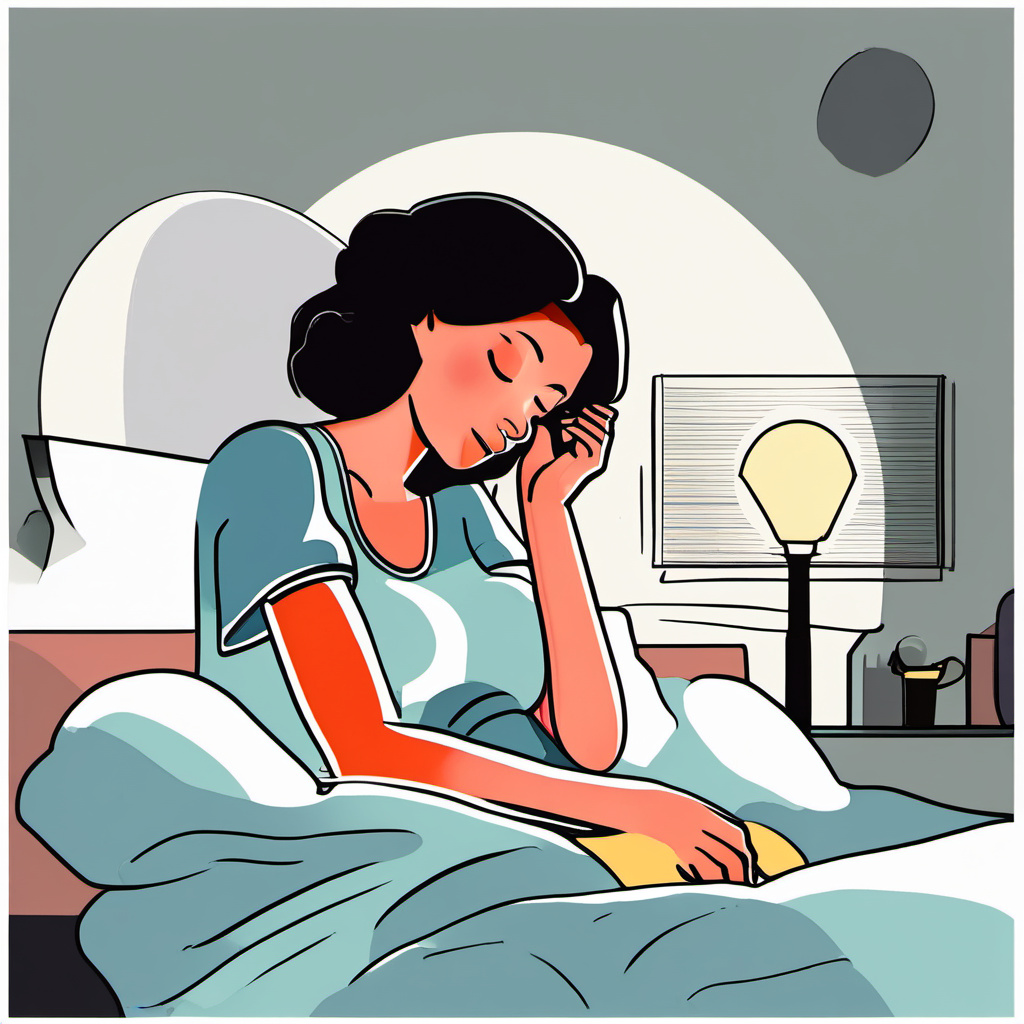
We have all been there: the Sunday night dread where you realize that after five consecutive days of five-hour nights, your body feels like it is running on empty. This phenomenon, often referred to as “social jetlag,” occurs when our internal circadian rhythm clashes with our social and professional obligations. While many people attempt to “catch up” on sleep during the weekend, the science of sleep recovery is nuanced. Simply sleeping until noon on Saturday doesn’t necessarily fix the neurological and hormonal debt accumulated during the week. This guide explores how to strategically use your weekend to restore your cognitive function, stabilize your hormones, and enter Monday feeling truly refreshed.
Understanding the Biological Cost of Sleep Deprivation
To master weekend recovery, we must first understand what we are recovering from. Sleep deprivation is not just about feeling tired; it is a systemic physiological stressor. When you consistently miss out on the restorative stages of sleep—specifically Deep Sleep (NREM) and REM sleep—your body experiences several cascading issues.
During Deep Sleep, your brain’s glymphatic system works to clear out metabolic waste products, such as beta-amyloid proteins, which accumulate during waking hours. Without sufficient deep sleep, these toxins remain, leading to that characteristic “brain fog” and cognitive sluggishness. Furthermore, sleep deprivation spikes cortisol levels, the body’s primary stress hormone. High cortisol levels inhibit the production of melatonin, making it harder to fall asleep, and can lead to insulin resistance, making you crave sugary snacks to compensate for low energy.
When you enter the weekend, your body is in a state of physiological debt. Attempting to fix this requires more than just extra hours; it requires a strategic approach to re-aligning your biological clock. Simply sleeping in late can actually work against you by shifting your circadian rhythm further out of sync, making Monday morning even more difficult.
The Trap of the ‘Sleep In’ and the Power of Consistency
The most common mistake in weekend sleep recovery is the “mega-nap” or sleeping in significantly later than your weekday wake time. While it feels satisfying in the moment, sleeping from 11:00 PM to 11:00 AM on a Saturday creates a massive circadian shift. This makes it nearly impossible to fall asleep on Saturday night at a reasonable hour, leading to a cycle of insomnia that carries over into the work week.
A more effective strategy is the “Anchor Sleep” method. Try to keep your weekend wake-up time within 60 to 90 minutes of your weekday wake-up time. If you usually wake up at 7:00 AM, try waking up at 8:00 AM or 8:30 AM. This provides enough extra rest to alleviate some fatigue without causing a total shift in your biological clock. By keeping your wake time consistent, you allow your body to maintain a predictable rhythm, which makes the transition back to Monday morning much smoother.
If you feel an overwhelming need for more sleep, use strategic napping instead of sleeping in. A 20-to-30-minute power nap in the early afternoon can provide a significant cognitive boost without interfering with your nighttime sleep pressure.
Strategic Light Exposure for Circadian Realignment
Light is the most powerful zeitgeber (time-giver) for your internal clock. If you have been sleep-deprived, your body’s sensitivity to light shifts. To recover effectively, you must use light as a tool to signal to your brain when the day has begun and when it is time to wind down.
Upon waking on a weekend, immediately seek out bright, natural sunlight. Opening the curtains or, ideally, stepping outside for 10-15 minutes of morning light triggers a cortisol spike that helps wake the brain and sets a timer for melatonin production later in the evening. This helps “anchor” your rhythm.
Conversely, as evening approaches, you must aggressively manage light exposure. The blue light emitted by smartphones, tablets, and televisions suppresses melatonin production. If you are trying to recover from a week of poor sleep, your brain is already struggling to produce enough melatonin. Reduce overhead lighting, use warm-toned lamps, and consider wearing blue-light-blocking glasses if you must use screens. Creating a “low-light environment” two hours before bed signals to your pineal gland that the recovery process should begin.
Nutrition and Hydration: Fueling the Recovery Process
What you eat during your recovery weekend significantly impacts how restorative your sleep will be. When we are tired, our bodies naturally crave high-carbohydrate, high-sugar foods because they provide quick energy. However, these foods cause blood sugar spikes and crashes that can lead to middle-of-the-night awakenings.
For optimal recovery, focus on foods that support neurotransmitter production and maintain stable blood sugar. Magnesium is a key player here; it is often called the “relaxation mineral” and is involved in over 300 biochemical reactions in the body, including the regulation of the nervous system. Incorporating magnesium-rich foods like spinach, pumpkin seeds, almonds, and dark chocolate can support muscle relaxation and sleep quality.
Tryptophan is another essential amino acid found in turkey, eggs, and cheese that acts as a precursor to serotonin and melatonin. Additionally, focus on complex carbohydrates (like oats or sweet potatoes) in the evening, which can help tryptophan cross the blood-brain barrier more effectively. Finally, be cautious with caffeine. While a morning coffee is fine, avoid caffeine after noon on your recovery weekend. Caffeine has a half-life of about 5-6 hours, meaning if you have a cup at 4:00 PM, half of it is still in your system at 10:00 PM, potentially sabotaging the very sleep you are trying to achieve.
Physical Activity: Finding the Sweet Spot
Exercise is a powerful tool for improving sleep quality, but during a weekend recovery phase, the intensity of your movement matters. If you are severely sleep-deprived, a high-intensity interval training (HIIT) session might actually be counterproductive. Intense exercise raises core body temperature and cortisol levels, which can make it difficult to enter deep sleep if done too late in the day or if the body is already under significant stress.
Instead, opt for “low-intensity steady-state” (LISS) exercise. Activities like walking in nature, restorative yoga, or light swimming are ideal. These activities increase blood flow and help lower systemic cortisol without putting excessive stress on the central nervous system. A long walk in the morning can provide the light exposure needed to anchor your rhythm, while restorative yoga in the evening can help lower your heart rate and prepare your body for sleep.
The goal is to use movement to facilitate relaxation rather than to push your physical limits. Think of your weekend movement as a way to signal to your body that it is safe to rest and repair.
The Role of Cognitive Decompression and Stress Management
Sleep is not just a physical process; it is a mental one. You can sleep for ten hours, but if your mind is racing with thoughts about work, chores, or social anxieties, you will wake up feeling unrefreshed. This is because mental stress keeps the sympathetic nervous system (the “fight or flight” response) active, preventing the transition into the parasympathetic nervous system (the “rest and digest” response) required for deep, restorative sleep.
Use the weekend for “cognitive decompression.” This involves intentionally creating space for non-productive, low-stress activities. This might include reading a physical book, engaging in a hobby that requires manual dexterity (like gardening or crafting), or practicing mindfulness meditation. Mindfulness meditation has been shown to increase the amount of time spent in Deep Sleep by training the brain to transition more easily between states of consciousness.
If you find yourself lying awake with a racing mind, try a “brain dump” before bed. Spend five minutes writing down everything you are worried about or need to do on Monday. By externalizing these thoughts onto paper, you signal to your brain that the information is safely stored and does not need to be actively processed while you sleep.
Creating a Dedicated Sleep Sanctuary
If you are using the weekend for recovery, your environment must be optimized for it. Your bedroom should be a sanctuary dedicated solely to sleep and intimacy. This means removing distractions that trigger mental alertness.
First, address the temperature. The body’s core temperature needs to drop by about 1 to 2 degrees Fahrenheit to initiate sleep. A cool room (ideally between 60-67 degrees Fahrenheit or 15-19 degrees Celsius) is optimal. A warm bath or shower about an hour before bed can help facilitate this; as you step out of the warm water, your body temperature drops rapidly, signaling to your brain that it is time for sleep.
Second, address the noise. If you live in a noisy environment, use a white noise machine or a fan to create a consistent sound floor. This masks sudden noises that might startle you out of a sleep cycle. Third, address the clutter. A cluttered room can lead to a cluttered mind. Ensure your sleeping area is clean and organized. When you enter your bedroom, your brain should immediately associate the space with rest, not with work or stress.
Summary Checklist for Weekend Sleep Recovery
To make this actionable, here is a summary of your weekend recovery protocol:
- Wake Time: Keep it within 60-90 minutes of your weekday time.
- Morning: Seek 15 minutes of direct sunlight immediately upon waking.
- Afternoon: If needed, take a 20-minute power nap; avoid long naps.
- Caffeine: Stop all caffeine intake by midday.
- Movement: Opt for walking or yoga rather than high-intensity workouts.
- Evening: Dim the lights and avoid blue light from screens 2 hours before bed.
- Nutrition: Prioritize magnesium-rich foods and complex carbs; avoid heavy, sugary meals.
- Environment: Keep the bedroom cool, dark, and quiet.
Understanding the Biological Cost of Sleep Deprivation
To master weekend recovery, we must first understand what we are recovering from. Sleep deprivation is not just about feeling tired; it is a systemic physiological stressor. When you consistently miss out on the restorative stages of sleep—specifically Deep Sleep (NREM) and REM sleep—your body experiences several cascading issues.
During Deep Sleep, your brain’s glymphatic system works to clear out metabolic waste products, such as beta-amyloid proteins, which accumulate during waking hours. Without sufficient deep sleep, these toxins remain, leading to that characteristic “brain fog” and cognitive sluggishness. Furthermore, sleep deprivation spikes cortisol levels, the body’s primary stress hormone. High cortisol levels inhibit the production of melatonin, making it harder to fall asleep, and can lead to insulin resistance, making you crave sugary snacks to compensate for low energy.
When you enter the weekend, your body is in a state of physiological debt. Attempting to fix this requires more than just extra hours; it requires a strategic approach to re-aligning your biological clock. Simply sleeping in late can actually work against you by shifting your circadian rhythm further out of sync, making Monday morning even more difficult.
The Trap of the ‘Sleep In’ and the Power of Consistency
The most common mistake in weekend sleep recovery is the “mega-nap” or sleeping in significantly later than your weekday wake time. While it feels satisfying in the moment, sleeping from 11:00 PM to 11:00 AM on a Saturday creates a massive circadian shift. This makes it nearly impossible to fall asleep on Saturday night at a reasonable hour, leading to a cycle of insomnia that carries over into the work week.
A more effective strategy is the “Anchor Sleep” method. Try to keep your weekend wake-up time within 60 to 90 minutes of your weekday wake-up time. If you usually wake up at 7:00 AM, try waking up at 8:00 AM or 8:30 AM. This provides enough extra rest to alleviate some fatigue without causing a total shift in your biological clock. By keeping your wake time consistent, you allow your body to maintain a predictable rhythm, which makes the transition back to Monday morning much smoother.
If you feel an overwhelming need for more sleep, use strategic napping instead of sleeping in. A 20-to-30-minute power nap in the early afternoon can provide a significant cognitive boost without interfering with your nighttime sleep pressure.
Strategic Light Exposure for Circadian Realignment
Light is the most powerful zeitgeber (time-giver) for your internal clock. If you have been sleep-deprived, your body’s sensitivity to light shifts. To recover effectively, you must use light as a tool to signal to your brain when the day has begun and when it is time to wind down.
Upon waking on a weekend, immediately seek out bright, natural sunlight. Opening the curtains or, ideally, stepping outside for 10-15 minutes of morning light triggers a cortisol spike that helps wake the brain and sets a timer for melatonin production later in the evening. This helps “anchor” your rhythm.
Conversely, as evening approaches, you must aggressively manage light exposure. The blue light emitted by smartphones, tablets, and televisions suppresses melatonin production. If you are trying to recover from a week of poor sleep, your brain is already struggling to produce enough melatonin. Reduce overhead lighting, use warm-toned lamps, and consider wearing blue-light-blocking glasses if you must use screens. Creating a “low-light environment” two hours before bed signals to your pineal gland that the recovery process should begin.
Nutrition and Hydration: Fueling the Recovery Process
What you eat during your recovery weekend significantly impacts how restorative your sleep will be. When we are tired, our bodies naturally crave high-carbohydrate, high-sugar foods because they provide quick energy. However, these foods cause blood sugar spikes and crashes that can lead to middle-of-the-night awakenings.
For optimal recovery, focus on foods that support neurotransmitter production and maintain stable blood sugar. Magnesium is a key player here; it is often called the “relaxation mineral” and is involved in over 300 biochemical reactions in the body, including the regulation of the nervous system. Incorporating magnesium-rich foods like spinach, pumpkin seeds, almonds, and dark chocolate can support muscle relaxation and sleep quality.
Tryptophan is another essential amino acid found in turkey, eggs, and cheese that acts as a precursor to serotonin and melatonin. Additionally, focus on complex carbohydrates (like oats or sweet potatoes) in the evening, which can help tryptophan cross the blood-brain barrier more effectively. Finally, be cautious with caffeine. While a morning coffee is fine, avoid caffeine after noon on your recovery weekend. Caffeine has a half-life of about 5-6 hours, meaning if you have a cup at 4:00 PM, half of it is still in your system at 10:00 PM, potentially sabotaging the very sleep you are trying to achieve.
Physical Activity: Finding the Sweet Spot
Exercise is a powerful tool for improving sleep quality, but during a weekend recovery phase, the intensity of your movement matters. If you are severely sleep-deprived, a high-intensity interval training (HIIT) session might actually be counterproductive. Intense exercise raises core body temperature and cortisol levels, which can make it difficult to enter deep sleep if done too late in the day or if the body is already under significant stress.
Instead, opt for “low-intensity steady-state” (LISS) exercise. Activities like walking in nature, restorative yoga, or light swimming are ideal. These activities increase blood flow and help lower systemic cortisol without putting excessive stress on the central nervous system. A long walk in the morning can provide the light exposure needed to anchor your rhythm, while restorative yoga in the evening can help lower your heart rate and prepare your body for sleep.
The goal is to use movement to facilitate relaxation rather than to push your physical limits. Think of your weekend movement as a way to signal to your body that it is safe to rest and repair.
The Role of Cognitive Decompression and Stress Management
Sleep is not just a physical process; it is a mental one. You can sleep for ten hours, but if your mind is racing with thoughts about work, chores, or social anxieties, you will wake up feeling unrefreshed. This is because mental stress keeps the sympathetic nervous system (the “fight or flight” response) active, preventing the transition into the parasympathetic nervous system (the “rest and digest” response) required for deep, restorative sleep.
Use the weekend for “cognitive decompression.” This involves intentionally creating space for non-productive, low-stress activities. This might include reading a physical book, engaging in a hobby that requires manual dexterity (like gardening or crafting), or practicing mindfulness meditation. Mindfulness meditation has been shown to increase the amount of time spent in Deep Sleep by training the brain to transition more easily between states of consciousness.
If you find yourself lying awake with a racing mind, try a “brain dump” before bed. Spend five minutes writing down everything you are worried about or need to do on Monday. By externalizing these thoughts onto paper, you signal to your brain that the information is safely stored and does not need to be actively processed while you sleep.
Creating a Dedicated Sleep Sanctuary
If you are using the weekend for recovery, your environment must be optimized for it. Your bedroom should be a sanctuary dedicated solely to sleep and intimacy. This means removing distractions that trigger mental alertness.
First, address the temperature. The body’s core temperature needs to drop by about 1 to 2 degrees Fahrenheit to initiate sleep. A cool room (ideally between 60-67 degrees Fahrenheit or 15-19 degrees Celsius) is optimal. A warm bath or shower about an hour before bed can help facilitate this; as you step out of the warm water, your body temperature drops rapidly, signaling to your brain that it is time for sleep.
Second, address the noise. If you live in a noisy environment, use a white noise machine or a fan to create a consistent sound floor. This masks sudden noises that might startle you out of a sleep cycle. Third, address the clutter. A cluttered room can lead to a cluttered mind. Ensure your sleeping area is clean and organized. When you enter your bedroom, your brain should immediately associate the space with rest, not with work or stress.
Long-Term Implications of Skipping Weekend Recovery
While this guide focuses on immediate benefits, it is equally important to understand the long-term consequences of neglecting weekend recovery. Chronic social jetlag has been linked to elevated risks of cardiovascular disease, obesity, and mood disorders such as depression and anxiety. Each additional day of insufficient sleep compounds the hormonal imbalance, particularly affecting leptin and ghrelin, the two hunger hormones. Leptin signals satiety, while ghrelin stimulates appetite; when sleep-deprived, both rise, driving cravings toward calorie-dense foods and undermining weight management efforts even if caloric intake remains constant.
Moreover, the cognitive deficits from prolonged partial sleep restriction extend beyond simple fatigue. Studies indicate impaired memory consolidation, reduced executive function, and diminished creative problem-solving abilities. Over months, these deficits can contribute to decreased productivity and increased vulnerability to errors in professional settings. The cumulative effect is a progressive erosion of quality of life that far exceeds the temporary relief of a longer weekend slumber.
By treating weekends as intentional recovery periods rather than passive extensions of weekdays, you build resilience against the daily demands of modern life. Consistent application of the strategies outlined below not only mitigates acute sleep debt but also establishes a sustainable pattern that protects your health over years, not just weekends.
Digital Boundaries and Screen-Free Evenings
In the digital age, screens are inescapable, yet their impact on sleep architecture is profound. The blue-enriched light spectrum emitted by LED displays mimics daylight, tricking the suprachiasmatic nucleus into maintaining alertness even when bedtime has arrived.
Establishing a strict pre-sleep digital curfew is one of the most impactful changes you can make. Aim to disconnect from all electronic devices — phones, tablets, computers, and televisions — at least one hour before your intended bedtime. This window allows your eyes to adapt to dimmer, warmer tones and gives your circadian alarm clocks ample opportunity to release melatonin.
Beyond simply turning off devices, consider the type of media consumed. Engaging content — especially provocative news stories, thrilling dramas, or intense video games — elevates arousal levels and makes it difficult to disengage mentally. Opt for calming activities instead: reading a print book, listening to instrumental music, or enjoying a puzzle game designed for relaxation. The key is to reduce cognitive load and sensory stimulation well before sleep onset.
If screen-free time feels impractical, at minimum implement a “blue light reduction” setting on all devices starting two hours prior to bed. Most modern smartphones offer built-in modes that filter short-wavelength light, though the effect is less potent than complete elimination. Pair this with proper ambient lighting — warm-toned lamps or candles can replace harsh overhead fluorescents that leave residual brightness on the retina.
Remember, technology serves as a tool for connection, not a substitute for restful sleep. By designing your digital environment with recovery in mind, you protect the delicate processes that occur during sleep, ensuring that whatever rest you do get is genuinely restorative rather than merely prolonged unconsciousness.
Social Dynamics: Navigating Sleep-Smart Interactions at Work
Recovering properly on the weekend does not exist in a vacuum; your social context heavily influences the effectiveness of your plan. Many professionals operate in environments where colleagues are similarly fatigued, creating opportunities for mutual support. However, navigating these dynamics requires awareness and boundary-setting skills.
One common challenge arises when coworkers assume you are “available” or expect responses to messages sent earlier in the day. Setting clear expectations — perhaps through a team chat or meeting agenda — helps communicate your recovery commitments without appearing rude. State something like, “I’ll check emails first thing Monday morning after my sleep recovery period”. This transparency reduces frustration and demonstrates responsibility.
Another consideration is the temptation to “catch up” on communication by staying online late. While connected, excessive after-hours messaging contributes to chronic sleep debt and impairs relational health. Balance connectivity with detachment; respond promptly during business hours but establish a definite cutoff point. Your team will appreciate reliability during work hours more than extended after-hours availability during recovery windows.
Additionally, sharing your weekend plans openly with trusted colleagues or family members can foster understanding and cooperation. A brief note explaining you are taking extra sleep time can normalize the behavior and encourage others to respect similar boundaries. This small act of self-advocacy often ripples outward, cultivating a culture of mutual respect for personal well-being within the workplace.
Hydration Optimization: Beyond Basic Water Intake
Water plays a critical role in sleep physiology, influencing both the depth and quality of your rest. Beyond simply drinking more fluids, optimizing hydration specifically supports sleep-relevant bodily functions.
Before bedtime, aim to finish consuming most fluids at least an hour prior to sleep. This prevents nocturia — the frequent urination that disrupts sleep cycles — caused by a full bladder. However, dehydration during the day can paradoxically impair sleep quality and daytime alertness, so balanced attention to fluid distribution is essential.
Electrolyte balance is equally important. Low sodium levels, for instance, can trigger vasodilation and disrupt autonomic nervous system regulation, leading to restlessness and difficulty falling asleep. Incorporate electrolyte-rich foods like coconut water, avocados, or a pinch of sea salt in your diet. For those sensitive to caffeine, consider herbal teas such as chamomile, valerian root, or passionflower, which possess mild sedative properties without the crash associated with caffeine.
Consider the timing of your largest fluid intake. Drinking a generous glass of water shortly after waking kickstarts metabolism and prepares the body for daily demands, whereas excessive evening consumption outweighs the benefits of hydration. A pragmatic rule is to sip steadily throughout the day rather than gulp large volumes only at night.
If you experience nighttime awakenings despite following other recovery protocols, evaluate your fluid habits. Some individuals retain water more slowly due to medications or medical conditions, necessitating adjustments tailored to individual physiology.
Psychological Resilience: Building Habits That Sustain Recovery
A successful weekend recovery extends into the broader framework of psychological resilience. The ability to consistently prioritize restoration is a skill that strengthens over time, much like building fitness or financial discipline.
Develop a habit stack that pairs sleep recovery with other positive behaviors. For example, after completing your morning sunlight exposure, immediately engage in a brief stretching routine or a few minutes of gentle breathing exercises. This anchors the ritual and makes the sequence easier to remember automatically.
Journaling can serve as both a recovery tool and a habit tracker. At the end of each weekend, document your sleep duration, morning light exposure, caffeine intake, and subjective energy levels. Reviewing these patterns weekly reveals what works and what needs adjustment, transforming recovery from a guesswork practice into a data-driven optimization process.
Furthermore, cultivate a growth mindset around sleep. Recognize that occasional missed recovery days are inevitable, but they do not invalidate your overall strategy. Instead of viewing shortfalls as failures, reframe them as opportunities to refine your approach. This perspective reduces guilt and maintains motivation to continue implementing evidence-based practices.
Mindfulness training, even in short doses, reinforces neural pathways associated with self-regulation. Regularly practicing focused attention — such as observing breath for five minutes daily — improves your capacity to resist impulsive choices (like skipping your planned power nap) and to stay present throughout the day, amplifying the benefits of your weekend investment.
Special Populations: Adapting Recovery Strategies for Parents and Shift Workers
Standard recovery advice requires modification when applied to parents balancing childcare responsibilities or shift workers whose schedules rotate unpredictably. Tailoring the approach ensures that recovery remains attainable and beneficial across multiple domains of life.
Parents often face fragmented sleep windows due to diaper changes, feedings, and developmental milestones. In these cases, the “Anchor Sleep” principle becomes even more vital — aim to consolidate sleep into fewer, longer blocks whenever possible, even if they are interrupted. A brief 90-minute block of undisturbed sleep, followed by a calm transition period, can yield significant improvements compared to scattered 45-minute bouts.
Shift workers benefit from strategic alignment with their natural circadian preferences. Those working rotating evening shifts may thrive on later wake times, but their recovery protocols should still mirror principles of light management and meal timing. Expose yourself to bright light within 20 minutes of your intended shift change, and consume protein-rich early-meal options before beginning the next rotation. Avoiding heavy, spicy foods that stimulate digestion right before sleep helps prevent reflux and discomfort.
For caregivers, involving children in the recovery process subtly reinforces healthy patterns. Encourage older children to participate in the evening wind-down routine — maybe by helping set an alarm or reading a story together. This co-regulation not only models good hygiene for young ones but also distributes the labor of bedtime preparation, freeing parents for genuine rest.
Finally, recognize that recovery is not always synonymous with sedentary time. Active parental engagement — such as a post-nap walk with a toddler or a shared evening stretch — can be integrated into your wellness plan. The key is finding synergies where caregiving and restoration reinforce each other, preventing burnout while honoring the unique demands of your situation.
Summary Checklist for Weekend Sleep Recovery
To make this actionable, here is a summary of your weekend recovery protocol:
- Wake Time: Keep it within 60-90 minutes of your weekday time.
- Morning: Seek 15 minutes of direct sunlight immediately upon waking.
- Afternoon: If needed, take a 20-minute power nap; avoid long naps.
- Caffeine: Stop all caffeine intake by midday.
- Movement: Opt for walking or yoga rather than high-intensity workouts.
- Evening: Dim the lights and avoid blue light from screens 2 hours before bed.
- Nutrition: Prioritize magnesium-rich foods and complex carbs; avoid heavy, sugary meals.
- Environment: Keep the bedroom cool, dark, and quiet.
Frequently Asked Questions
Q: Can I recover a whole week of lost sleep in just one weekend?
A: No. Sleep debt is cumulative and affects neurological functions that cannot be fully restored in 48 hours. However, a strategic weekend can mitigate the physiological stress, stabilize your circadian rhythm, and prevent the “hangover” effect that usually makes Monday morning difficult.
Q: Is it better to sleep in late or take a nap?
A: Generally, it is better to maintain a consistent wake time and use a short nap (20-30 minutes) in the early afternoon. Sleeping in late can shift your circadian rhythm, making it harder to sleep on Sunday night and leading to a cycle of sleep disruption.
Frequently Asked Questions
Q: Can I recover a whole week of lost sleep in just one weekend?
A: No. Sleep debt is cumulative and affects neurological functions that cannot be fully restored in 48 hours. However, a strategic weekend can mitigate the physiological stress, stabilize your circadian rhythm, and prevent the “hangover” effect that usually makes Monday morning difficult.
Q: Is it better to sleep in late or take a nap?
A: Generally, it is better to maintain a consistent wake time and use a short nap (20-30 minutes) in the early afternoon. Sleeping in late can shift your circadian rhythm, making it harder to sleep on Sunday night and leading to a cycle of sleep disruption.
Q: Why do I feel more tired after a long sleep on the weekend?
A: This is often due to “sleep inertia” or a circadian mismatch. If you sleep significantly past your usual wake time, you may be waking up from a different sleep stage than usual, or you may have disrupted your body’s internal clock, making your body feel out of sync.
Q: Does alcohol help with sleep recovery?
A: Absolutely not. While alcohol is a sedative that may help you fall asleep faster, it significantly degrades sleep quality. It suppresses REM sleep and causes frequent awakenings throughout the night as the body metabolizes the alcohol. For true recovery, avoid alcohol entirely during your recovery period.
<pQ: How long does it take for my body to adjust to a new sleep schedule?
A: Typically, it takes about 2-3 days of consistent behavior for your circadian rhythm to begin aligning with a new schedule. This is why consistency is more important than any single “recovery” action.
Related posts:
 Brain-Boosting Foods
 Caffeine Gum: The New Energy Booster
 Jittery and Anxious: The Hidden Connection Between Your Coffee Cup and Panic
 How to Wake Up When It’s Still Dark Outside
 Why Coffee and Magnesium Are the Power Couple Your Body Needs
 Circadian Rhythm Lighting Products to Improve Your Sleep-Wake Cycle
 The Best Time to Drink Coffee in the Morning
 Nap Revolution: NYC’s Sleep Café Is Making Rest Trendy Again