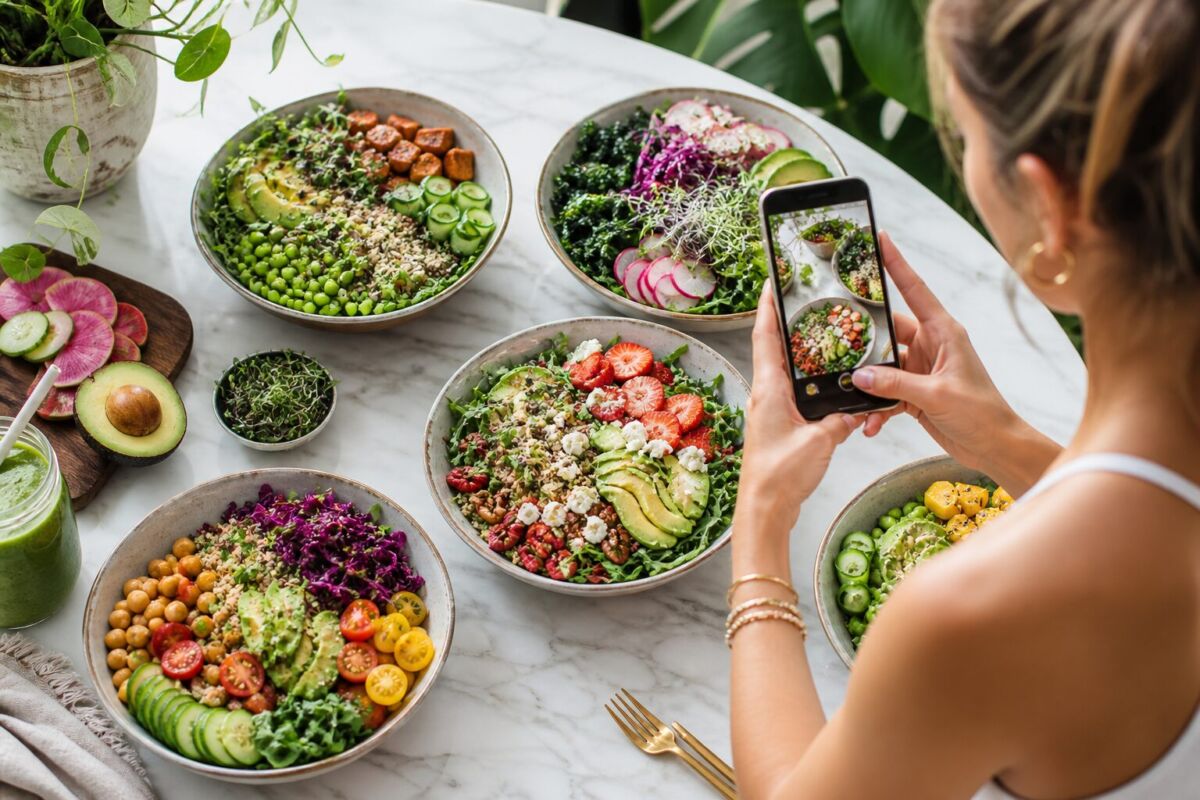
In a world where vibrant food photography floods our social media feeds, the humble salad has undergone a remarkable transformation. No longer just a side dish of limp lettuce, it has become a canvas for color, texture, and nutritional artistry. We turned to a curated group of trusted wellness influencers—those who balance aesthetic appeal with genuine nutritional wisdom—to deconstruct their most stunning, Instagram-famous salad creations. This is more than a recipe roundup; it’s a masterclass in building salads that are as nourishing for your body as they are captivating for your feed. Let’s move beyond the filter and learn the real techniques, ingredient combinations, and plating secrets that make these dishes worthy of a double-tap.
The Art of the Instagram-Worthy Salad: Principles Over Filters
Before we dive into specific recipes, it’s crucial to understand the foundational principles these influencers swear by. According to Maya Chen of Nourish & Glow, “A photogenic salad is first and foremost a textural and color story. You’re eating with your eyes before a single bite hits your fork.” The consensus highlights three non-negotiable elements: Color Contrast, Height & Texture, and The Drizzle Effect. Instead of tossing everything into a monochromatic heap, they build in layers. Dark greens (like kale or spinach) form a base, bright vegetables (roasted beets, yellow peppers, purple cabbage) create pops of color, and a protein source (grilled chicken, crispy chickpeas, salmon) acts as a focal point. Finally, textures—creamy avocado, crunchy seeds, crispy onions—are added last, almost as garnish, to maintain their integrity. The dressing is never poured on haphazardly; it’s artfully drizzled around the perimeter or served on the side in a small vessel, preventing the salad from becoming soggy and photogenically dull.
The Rainbow Harvest Bowl by @EarthToElena
Elena’s signature bowl is a testament to eating the rainbow, designed to maximize phytonutrient diversity. “Each color represents a different family of beneficial plant compounds,” she explains. Her construction method is strategic.
The Build:
- Base: Massaged curly kale with a hint of lemon juice and salt.
- Color Layers: Roasted sweet potato (orange), steamed red quinoa (red/tan), shredded red cabbage (purple), blanched edamame (green), and thinly sliced raw radishes (pink).
- Protein: Baked turmeric-and-black-pepper tofu cubes.
- Texture Toppers: Toasted pumpkin seeds and a sprinkle of black sesame seeds.
- Signature Drizzle: A creamy tahini-miso dressing (tahini, white miso, lemon juice, maple syrup, water).
Instagram Tip: Elena uses a wide, shallow bowl and places the quinoa and sweet potato in distinct, neat sections rather than mixing them. The tofu cubes are stacked in the center, and the dressing is swirled around the outer edge with a spoon, creating a beautiful moat effect. She always shoots in natural morning light against a rustic wooden table.
The “Everything Crunch” Cobb Salad by @FitFoodieFrankie
Frankie reinvented the classic Cobb for the texture-obsessed. “My followers love that audible crunch,” he says. “It’s about creating multiple layers of crispiness.” This salad is a masterclass in strategic frying and baking.
The Build:
- Base: Chopped romaine and butter lettuce mix.
- Protein: Air-fryer crispy chickpeas (tossed in smoked paprika) and grilled lean turkey bacon, chopped.
- Traditional Cobb Elements: Hard-boiled egg, diced avocado, cherry tomatoes—all chopped uniformly.
- “Everything Crunch” Toppers: Homemade baked Parmesan crisps, broken into shards, and air-fried kale chips.
- Signature Drizzle: A lightened-up green goddess dressing made with Greek yogurt, herbs, and capers.
Instagram Tip: Frankie builds this salad with military precision. Each ingredient is arranged in neat, colorful rows on top of the lettuce. The crispy chickpeas and kale chips are piled high in the center at the last second to prevent steaming. A top-down, overhead shot captures the perfect grid-like layout.
The Coastal Citrus & Salmon Plate by @SeasideWellness
Influencer Leo brings coastal California vibes to the table with this bright, citrus-forward salad. “It’s light, zesty, and packed with omega-3s. It looks like sunshine on a plate,” he describes. The key is supreme citrus segments—removing all pith and membrane.
The Build:
- Base: A mix of watercress and arugula for a peppery bite.
- Star Ingredients: Perfectly seared wild salmon fillet, flaked after resting. Supreme segments of grapefruit and blood orange.
- Supporting Cast: Sliced fennel bulb, shaved fennel fronds, and creamy avocado.
- Texture Toppers: Toasted sliced almonds.
- Signature Drizzle: A simple citrus vinaigrette with the leftover citrus juice, extra virgin olive oil, Dijon mustard, and a touch of honey.
Instagram Tip: Leo places the flaked salmon prominently off-center. The vibrant citrus segments are carefully scattered around, and the delicate fennel fronds are placed as a final garnish. He often styles the shot with a seashell or a linen napkin in the background, using the “golden hour” light before sunset for a warm glow.
The Mediterranean Heirloom Caprese Stack by @GardenToTable
Sophia takes the Italian classic vertical, turning it into a stunning stacked salad. “It’s about celebrating peak-season produce in its simplest, most beautiful form,” she advocates. This recipe demands the highest quality ingredients.
The Build:
- The Stack: Alternating thick slices of multi-colored heirloom tomatoes, fresh buffalo mozzarella, and large basil leaves.
- The Base & Topper: The stack sits on a smear of basil pesto and is topped with a drizzle of aged balsamic glaze (not vinegar) and a generous sprinkle of flaky sea salt and cracked pepper.
- Side Element: A small pile of peppery arugula lightly dressed with lemon juice on the side of the plate.
Instagram Tip: The photography here is minimalist and macro. Sophia uses a dark slate plate to make the reds, yellows, and greens of the tomatoes pop. She focuses tightly on the cross-section of the stack, capturing the ooze of the mozzarella and the droplets of balsamic. A single basil leaf is often placed artfully beside the stack.
The Spicy Mango & Blackened Chicken Salad by @FlavorFueled
Chef-turned-influencer Darius creates salads that are a “flavor explosion.” This sweet, spicy, and smoky combination is his most requested. “The magic is in the contrast between the sweet fruit, the charred chicken, and the cool herb dressing,” he notes.
The Build:
- Base: Shredded napa cabbage and romaine for crunch.
- Protein: Chicken breast coated in a spice rub (chili powder, cumin, garlic powder, paprika) and blackened in a scorching hot cast-iron skillet.
- Sweet & Creamy: Ripe mango cut into cubes and creamy coconut milk.
- Vegetable Crunch: Sliced bell peppers, red onion, and cilantro.
- Texture Topper: Crushed roasted peanuts.
- Signature Drizzle: A creamy cilantro-lime dressing with a hint of jalapeño.
Instagram Tip: Darius slices the blackened chicken on a bias and fans it out over one half of the salad bowl. The mango cubes are placed in a cluster for visual impact. He often adds a wedge of lime on the side and captures a shot just as a drizzle of dressing is falling onto the chicken, creating a sense of action.
The Deconstructed Sushi Bowl by @OceanToBowl
Mika’s creation is for sushi lovers who want a bowl format. “It has all the flavors of a spicy tuna roll but in a more nutrient-dense, salad-forward presentation,” she explains. Sushi-grade fish handling is paramount here.
The Build:
- Base: Seasoned sushi rice (cooled) or cauliflower rice for a lower-carb option.
- Protein: Diced sushi-grade ahi tuna tossed in a light sriracha-mayo sauce.
- Traditional Toppings: Sliced cucumber, shredded carrot, sliced avocado.
- Essential Garnishes: Thinly sliced nori (seaweed) strips, pickled ginger, and a small pile of wasabi on the side.
- Texture Topper: Crispy tempura flakes or panko breadcrumbs.
- Signature Drizzle: A simple soy-sesame dressing (low-sodium soy, rice vinegar, sesame oil).
Instagram Tip: Mika uses a beautiful ceramic bowl with a blue interior to mimic the ocean. The bright red tuna is placed centrally as the hero. She artfully arranges the nori strips and places the ginger and wasabi in small, separate mounds. A sprinkle of black and white sesame seeds adds the final photogenic touch.
Beyond the Photo: Making These Salads Part of Your Routine
Creating these masterpieces daily isn’t realistic for most. The influencers’ real secret is meal prep strategy. “I wash, chop, and store my base greens and vegetables in separate airtight containers on Sunday,” shares Maya Chen. “I cook proteins and grains in bulk. Then, assembly during the week takes under 5 minutes.” Frankie recommends pre-making dressings in small jars. The key is preparing components that hold well, like roasted vegetables, cooked grains, and hard-boiled eggs, while saving delicate items like avocado, crispy elements, and fresh herbs for daily addition. This approach transforms salad-making from a chore into a quick, creative, and satisfying ritual.
From Flatlay to Flow: Mastering Composition and Negative Space
While the existing influencers highlighted color and texture, the professional photographers working behind many viral food accounts emphasize composition techniques that transform a beautiful salad into a captivating image. “The bowl is your frame, and the ingredients are your subjects,” explains food stylist Anya Rhodes, who collaborates with several top wellness creators. The goal is to guide the viewer’s eye through deliberate placement, not just random beauty. One foundational technique is the Rule of Thirds, applied to overhead shots. Instead of centering the protein, place it at one of the four intersecting points of a 3×3 grid imagined over your bowl. For Elena’s Rainbow Harvest Bowl, this might mean positioning the stack of turmeric tofu at the lower-right intersection, with the swirl of tahini dressing leading the eye from the upper-left corner.
Equally critical is negative space—the intentional empty areas on the plate. A common amateur mistake is filling every millimeter with food, which feels chaotic. Professional shots often leave 30-40% of the plate or table surface clean. This space provides visual breathing room and emphasizes the salad as the hero. For Leo’s Coastal Citrus plate, the salmon might be placed on one third of a long rectangular platter, with citrus segments artfully scattered along a diagonal line, leaving the rest of the slate surface empty except for a single almond or fennel frond. This minimalism feels luxurious and intentional. Another advanced tactic is creating leading lines. Use ingredients to draw the eye. Arrange linear items like asparagus spears, green onion stalks, or the lines of sliced radish to point toward your focal point. In a deconstructed sushi bowl, nori strips or cucumber matchsticks can be fanned out like sun rays pointing to the central tuna pile.
Finally, consider depth and dimension beyond the flat overhead shot. While the “flatlay” is iconic, the 45-degree angle shot adds appetite appeal by showing height and layers. To achieve this, build your salad with a slight mound in the center. Place taller, structural items like stacked tomato-mozzarella rounds or a cluster of crispy chickpeas at the peak. When shooting from the side, you’ll capture the cross-section of textures—the way the kale peeks out from under the sweet potato, or how the avocado slices drape over the quinoa. This angle tells a story of abundance and makes the viewer feel they could reach in and grab a fork.
The Science of Savory: Umami Boosters & Flavor-Layering Techniques
The featured salads are visually stunning, but their true staying power comes from deep, complex flavor that makes you crave another bite. Moving beyond basic vinaigrettes, influencers secretly employ umami-bomb ingredients to add a savory, mouthwatering quality that plain vegetables lack. “Umami is the secret weapon for making plant-based salads satisfyingly ‘meaty’,” notes Chef Darius (@FlavorFueled). His spicy mango salad gains depth not just from blackened chicken, but from ingredients like nutritional yeast shaken over the cabbage base, or a teaspoon of tomato paste blended into his cilantro-lime dressing. For vegetarian bowls, fermented products are key: a dollop of white miso (as in Elena’s dressing), a sprinkle of crumbled nori, or even a few chopped sun-dried tomatoes packed in oil can elevate the entire dish.
Flavor layering is a chef’s technique applied to salad building. It involves seasoning at every stage, not just at the end with dressing. For example, when prepping components for Frankie’s Everything Crunch Cobb, don’t just bake the chickpeas with paprika. After air-frying, toss them while hot in a mixture of nutritional yeast, onion powder, and a touch of maple syrup for a sticky, savory-sweet glaze. Season the avocado with flaky salt and a squeeze of lime immediately after dicing to prevent browning and embed flavor. For grains like quinoa or farro, cook them in vegetable broth instead of water and finish with a knob of butter or drizzle of olive oil. This ensures every component, from the base up, is delicious on its own.
Another pro move is utilizing pantry “finishers”—small, potent additions added just before serving. These are different from texture toppers; they’re flavor accelerants. Examples include:
• Citrus Zest: A microplane of lemon or lime zest over a seafood salad brightens flavors more than juice alone.
• Flavored Salts: Truffle salt on a Caprese stack, smoked salt on roasted vegetables, or citrus salt on a tropical fruit salad.
• Specialty Vinegars: A few drops of aged sherry vinegar or fig balsamic can be drizzled post-plating for an aromatic high note.
• Herb Oils: A final drizzle of chili oil or basil oil around the plate rim adds a restaurant-level touch.
These elements add a final layer of sophistication that registers as “something special” even if the eater can’t pinpoint why.
Texture Engineering: Beyond Simple Crunch to Mouthfeel Mastery
@FitFoodieFrankie touched on crunch, but true texture engineering involves a deliberate spectrum of mouthfeels that make eating a dynamic experience. The goal is to avoid monotony—no one wants a bowl of uniformly soft or uniformly crunchy bits. Think in terms of a texture timeline: initial crisp, creamy middle, and resilient finish. For example, let’s engineer a salad with that timeline: Start with a base of shredded Brussels sprouts (they offer a firm, hearty chew). Add juicy elements like pomegranate arils that burst with liquid (the “middle” sensation). Include a slow-cooked, melt-in-your-mouth element like roasted mushrooms or confit garlic. Finally, finish with a brittle, shattering texture like a thin sesame cracker or a tuile made from Parmesan. Each bite delivers a sequence of sensations.
To achieve this, you must understand how to preserve and create contrasting textures, which often requires separate preparation. Delicate crispy elements like fried shallots, wonton strips, or even croutons should be stored airtight and added absolutely last, even after photographing if possible. Conversely, some textures require advance work. “Massaging” kale with salt and acid breaks down its tough cellulose, transforming it from fibrous to tender. “Pressing” tofu or cucumbers removes water, yielding a denser, meatier chew. “Toasting” nuts and seeds not only deepens flavor but changes their texture from simply hard to complexly crisp and fragrant.
Don’t overlook temperature as a textural component. A salad featuring warm, just-off-the-skillet components alongside cold, crisp vegetables is far more intriguing than an all-chilled bowl. Imagine Mika’s deconstructed sushi bowl with room-temperature rice, cold tuna, and warm, just-toasted nori strips or tempura flakes. The contrast is immediate and delightful. For Frankie’s Cobb, the crispy chickpeas and turkey bacon could be warm, while the lettuce, tomato, and avocado are fridge-cold. This requires timing but pays off in sensory pleasure. The visual cue of slight steam rising from a warm component in a photo also adds an irresistible element of freshness and immediacy.
Strategic Sourcing & Seasonal Swaps for Year-Round Brilliance
The influencers’ recipes often showcase peak-season produce, but maintaining an Instagram-worthy salad habit year-round requires adaptability. The key is learning the flavor and color profiles of ingredients, not just their names, so you can make intelligent substitutions. Sophia’s (@GardenToTable) Heirloom Caprese Stack is a summer masterpiece, but in winter, you can create a “Winter Caprese” with equal visual drama. Replace heirloom tomatoes with alternating slices of golden beet and blood orange. Substitute the buffalo mozzarella with burrata or a creamy goat cheese log. The basil pesto base can become a rosemary-walnut pesto. You still achieve the stunning stacked presentation and interplay of creamy, juicy, and herbal notes, but with seasonal ingredients.
Develop a seasonal ingredient matrix for your pantry. For “crunch,” summer might offer sugar snap peas and radishes, while winter provides fennel bulb, apples, and roasted squash cubes. For “creaminess,” avocado is a year-round staple, but consider subbing in ripe persimmon in fall or roasted eggplant mash in winter. For “herbaceous pops,” fresh basil and cilantro dominate summer, but switch to hardy herbs like parsley, dill, or thyme in colder months, or use their oils instead. This approach ensures your salads never feel repetitive or reliant on out-of-season, flavorless imports.
Sourcing also extends to specialty producers that elevate simple ingredients. A salad’s perceived quality can skyrocket with a single standout component. This could be heirloom grains from a local mill for your grain bowls, artisan cheese from a nearby creamery, or single-origin, unfiltered honey for your dressings. In your photography and captions, highlighting these sourced elements tells a deeper story. A close-up shot of the label on a bottle of small-batch olive oil or the rustic texture of a hand-formed goat cheese disc adds authenticity and a sense of care that resonates with followers. It moves the narrative from “just a salad” to a curated culinary experience.
The Sauce Spectrum: From Emulsions to Foams, Dressing as High Art
The existing article rightly advises against drowning a salad in dressing, but the dressing itself can be a centerpiece of innovation. Moving beyond the basic vinaigrette or creamy tahini, culinary-forward influencers are experimenting with advanced sauce techniques that add visual drama and concentrated flavor. One such technique is the fluid gel, a sauce that holds its shape like a gel but liquefies when agitated. Imagine a raspberry vinaigrette that sits on the plate as discrete ruby-red dots or a basil oil that forms emerald-green pools that don’t spread. This is achieved with a tiny amount of gelling agents like agar or xanthan gum, creating a stunning, modern-plating effect perfect for overhead shots.
Another restaurant trick is the foam or air. Using a handheld milk frother or a whipping siphon, you can aerate a flavorful liquid like citrus juice, herb-infused buttermilk, or even a reduced balsamic vinegar. A cloud of lemony foam delicately spooned over Leo’s salmon salad adds an ethereal, luxurious touch and photographs as a soft, white contrast against the vibrant ingredients. Powders are also gaining traction—dehydrating and grinding ingredients like mushrooms, olives, or sun-dried tomatoes into a fine dust that can be sprinkled over a salad. This delivers an intense flavor punch without adding moisture, keeping everything crisp. A dusting of black garlic powder over a steak salad or matcha powder over a fruit salad are unexpected twists.
Finally, consider the architecture of sauce application. The “drizzle” is just the beginning. Try the swipe: using the back of a spoon to drag a thick sauce (like romesco or black bean puree) in a broad stroke across the plate before building the salad on top. The quenelle: shaping a thick, creamy dressing like Greek yogurt-based green goddess into a smooth oval dollop using two spoons. The spray: using a small misting bottle to lightly coat greens with a fine layer of vinegar or flavored oil. Each method creates a different visual rhythm and integration level. For photography, a vibrant swipe of beet hummus underneath a white bean and feta salad creates an immediate, bold color block that grabs attention before the viewer even identifies the ingredients.
Lighting & Prop Styling: Crafting the Mood Around the Meal
Natural light is mentioned, but mastering it is the difference between a good and a great food photo. The influencers’ secret isn’t just “shoot in daylight,” but understanding light quality and direction. “Golden hour” light is warm and directional, creating long, soft shadows that add depth and a cozy feel—perfect for Leo’s coastal sunset vibe. But for bright, fresh, energy-filled salads (like Elena’s rainbow bowl), north-facing window light on a slightly overcast day is ideal. This provides abundant, diffused light without harsh shadows or extreme contrast, rendering colors accurately and making the food look naturally inviting.
When natural light isn’t available, pros use simple, affordable tools. A 5-in-1 reflector is a game-changer. Its white side can bounce light into shadows on the side of your bowl opposite the window. The silver side creates a sharper, cooler fill light. For backlighting—placing the main light source behind the food, which creates a gorgeous rim light and makes translucent ingredients like citrus segments glow—a reflector in front is essential to avoid the salad falling into silhouette. A piece of white foam core or even a large white cookbook can serve the same purpose. Avoid on-camera flash at all costs; it flattens texture and creates harsh glare.
Props are the silent storytellers. They should complement, not compete with the food. The existing article mentions rustic wood and linen, but prop choice should match the salad’s theme. A Mediterranean Caprese stack might call for a worn marble slab and a wrought-iron fork. A deconstructed sushi bowl feels at home on a handmade ceramic plate with a bamboo placemat. A spicy mango salad suggests vibrant, hand-painted Mexican Talavera tiles. The rule of thumb: choose props in a complementary color palette (analogous or triadic on the color wheel) and with textures that contrast your plate. A smooth, glossy salad looks striking on a rough, matte concrete surface. Keep props minimal—one or two items besides the plate and cutlery is usually enough. A sprig of the herb used in the dish, the bottle of olive oil, or the corner of a cookbook can add context without clutter.
Accessibility & Adaptations: Instagram-Worthy for Every Diet and Budget
The showcased salads can seem daunting due to specialty ingredients or complex techniques. Let’s democratize the process with smart accessibility adaptations. For dietary restrictions, the principles remain universal. Gluten-free crunch can come from seeds, nuts, roasted chickpeas, or gluten-free crackers. Dairy-free creaminess is easily achieved with avocado, tahini, coconut milk, or soaked-and-blended cashews for dressings and “cheesy” flavors from nutritional yeast. For low-FODMAP or digestive-sensitive followers, the focus shifts to ingredients like quinoa, kale, zucchini, pine nuts, and lean proteins, avoiding large amounts of onion, garlic, and certain legumes. The plating artistry—color blocking, height, sauce swooshes—is entirely independent of the ingredient list.
On a budget, creativity trumps cost. Instead of sushi-grade tuna, use canned wild salmon or even well-seasoned chickpeas smashed with nori for a “tuna salad” effect in Mika’s bowl. Swap pricey heirloom tomatoes for a mix of standard vine-ripe and cherry tomatoes in different colors. Grow your own microgreens or herbs on a windowsill for a constant, free supply of photogenic garnishes. Bulk bins are your friend for grains, seeds, and legumes. A single impressive-looking ingredient, like a pomegranate or a starfruit slice for garnish, can make an otherwise simple bean-and-greens salad look extravagant.
Finally, consider time-saving hacks that preserve the “wow” factor. Use a mandoline (carefully!) for uniformly thin slices of vegetable in seconds, creating professional-level precision. Invest in a set of small squeeze bottles for dressings and sauces—they allow for much more controlled and artistic drizzling than a spoon. Pre-make and freeze flavor bombs like pesto cubes, herb oils, or spice pastes in ice trays. When building, use ring molds or clean, empty cans with both ends removed to create perfect, Instagrammable stacks of grains or layered ingredients in the center of your bowl, lifting the mold away to reveal a tidy tower. These small tools and techniques bridge the gap between aspirational food blogging and a realistic, enjoyable home cooking practice.
FAQ: Your Salad Questions, Answered by the Influencers
Q: My salads always get soggy by lunchtime. How do you keep them crisp for meal prep?
A: (From @FitFoodieFrankie) “The container is key! Use a large, airtight container. Place dressing at the bottom in a small jar or cup. Then, layer ingredients from sturdiest to most delicate: dressing jar, then hard veggies (like carrots, cucumbers), then proteins/grains, then softer veggies (tomatoes), and finally, your dry greens on top. Seal and invert when ready to eat.”
Q: What’s one affordable ingredient that instantly elevates a salad’s look and taste?
A: (From @EarthToElena) “Seeds! Toasted sunflower, pumpkin, or sesame seeds. They add a beautiful texture contrast, a nutritional boost of healthy fats and minerals, and they photograph beautifully as little specks of gold or green.”
Q: How do you make a salad actually filling enough to be a main course?
A: (From @FlavorFueled) “You need the satiety trifecta: protein, fiber, and healthy fats. Don’t just pile on greens. Add a palm-sized portion of protein (chicken, fish, tofu, legumes), a complex carb for energy (quinoa, roasted sweet potato, farro), and a fat for satisfaction (avocado, olive oil, nuts). This balance keeps you full for hours.”
Q: Any tips for someone who finds plain salad dressing boring?
A: (From @SeasideWellness) “Infuse your oils or acids! Steep fresh herbs (thyme, rosemary) in warm olive oil, or infuse vinegar with berries or citrus peels. Also, try using bases other than oil—blended avocado, tahini, Greek yogurt, or even a bit of hummus can create incredibly creamy, flavorful dressings.”
Q: How important is organic produce for these recipes?
A: (From @GardenToTable) “Prioritize organic for the ‘Dirty Dozen’—items like spinach, kale, and strawberries that typically have higher pesticide residues. For items with thick peels you don’t eat, like avocados or mangoes, it’s less critical. The most important thing is simply eating more vegetables, full stop. Don’t let perfection be the enemy of progress.”
Related posts:
 How to Make Restaurant-Quality Poke Bowls in Your Own Kitchen
 Quinoa Avocado Salad Recipe
 3 Simple Salad Dressings That Add Serious Wow Factor
 Trader Joe’s Green Goddess Dressing Is Taking Over Social Media
 The Ultimate Fat-Rich Avocado Salad
 The Avocado Oil Nail File That’s Changing Everything
 Perfect Avocado Hummus Bowls
 The Right Way to Cut an Avocado