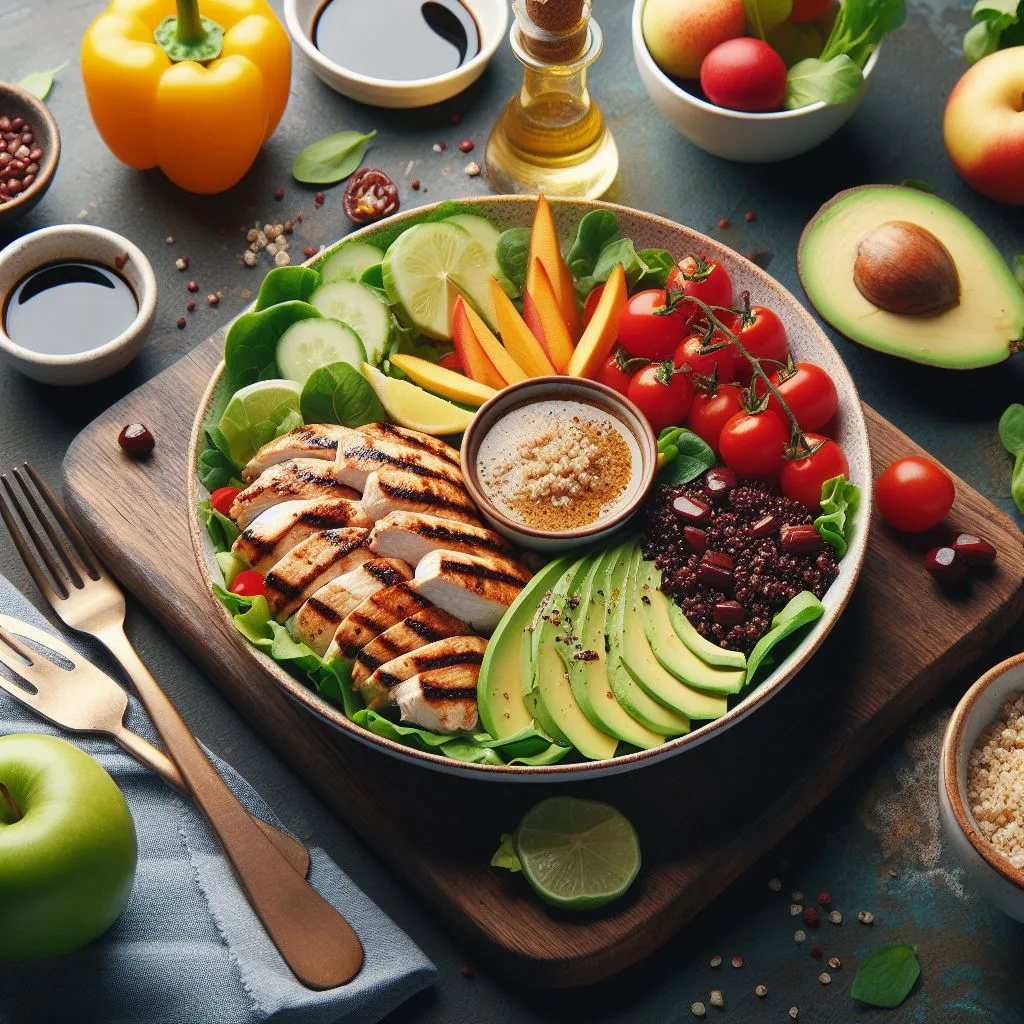
Key takeaways
- Prioritize minimally processed whole foods like grains, legumes, and vegetables for sustained energy.
- Practice mindful eating by pausing to assess your fullness levels and enjoying the textures of your food.
- Streamline your week by prepping grains and roasted vegetables in advance for quick, nutritious lunch assembly.
- Listen to your body's daily needs and cravings rather than following rigid, restrictive dietary rules.
As a fitness instructor, I often get questions about what I eat to fuel my active lifestyle. Rather than focusing on optimization or competition, I believe the healthiest approach is to nourish our bodies with compassion.
Choose Foods You Enjoy
The most sustainable eating strategy is to choose foods you genuinely enjoy in appropriate portions. Listen to your body’s needs day-to-day rather than following strict rules. Notice how different foods make you feel – sluggish or energized? Accept your cravings sometimes rather than resisting them.
Emphasize Whole Foods
Focus on incorporating minimally processed whole foods whenever possible. Foods like fruits, vegetables, whole grains, legumes, nuts and seeds provide lasting energy. Prepare them simply to highlight their natural flavors.
Stay Hydrated
Drinking enough water supports all functions of the body and brain. Herbal teas and fruit-infused waters add flavor without sweeteners. Pay attention to your thirst signals and drink up!
Practice Mindful Eating
Bring awareness to the experience of eating – the tastes, textures and your satisfaction. Pause periodically to check in with your stomach. Eating mindfully helps us tune in to our body’s signals of fullness and hunger.
Tailoring Macronutrients to Your Teaching Modality
While the general principles of whole foods apply to everyone, fitness instructors often need to calibrate their lunch based on the specific physical demands of the classes they teach. A yoga instructor’s nutritional requirements at midday differ significantly from those of a CrossFit coach or a high-intensity interval training (HIIT) lead. For those leading high-impact, cardiovascular-heavy sessions, lunch must prioritize easily accessible glycogen. This means a higher ratio of complex carbohydrates, such as sweet potatoes or brown rice, paired with a lean protein. The goal here is to ensure the muscles are topped up with fuel without the heaviness that can cause cramping during explosive movements.
Conversely, instructors teaching lower-impact or isometric-focused classes, like Pilates or barre, may find that a lunch higher in healthy fats and moderate protein provides the steady, slow-burning energy required for long periods of standing and verbal cueing. A salad featuring avocado, soft-boiled eggs, and pumpkin seeds offers satiety without the glucose spikes that might lead to a mid-class energy crash. If you are teaching back-to-back sessions, consider a “split lunch.” This involves eating half of your meal 90 minutes before your first class and the remainder immediately following the second. This prevents the stomach from feeling over-extended during movement while maintaining a steady stream of amino acids for muscle repair.
Edge cases often arise during “double-day” schedules where an instructor might teach a morning cycle class and an evening strength session. In these instances, the midday meal serves as the primary recovery window. Incorporating a 3:1 carb-to-protein ratio during lunch can expedite glycogen resynthesis. For example, a large bowl of quinoa mixed with roasted chickpeas and a tahini dressing provides the necessary density. It is also vital to consider the “thermal effect” of food; if you are teaching in a heated environment, such as a hot yoga studio, a lunch consisting of hydrating, water-dense foods like cucumbers, bell peppers, and citrus fruits can help manage internal body temperature more effectively than a heavy, spice-laden stew.
Strategic Sodium and Electrolyte Replenishment
One of the most overlooked aspects of an instructor’s lunch is the replenishment of electrolytes, specifically sodium, potassium, and magnesium. Unlike a casual gym-goer who may sweat for an hour, an instructor might be active for four to six hours a day. This chronic fluid loss can lead to brain fog, muscle twitches, and fatigue. While water is essential, drinking plain water in large quantities can sometimes dilute blood sodium levels further. Therefore, the midday meal is a critical opportunity to reintroduce salt in a functional way.
Instead of reaching for processed table salt, many instructors opt for mineral-rich sea salt or Himalayan pink salt sprinkled over their lunch. Naturally salty foods like olives, pickles, or fermented vegetables like kimchi serve a dual purpose: they provide the necessary sodium for nerve signaling and muscle contraction while offering probiotics to support a healthy gut microbiome. Potassium is equally vital to prevent cramping; adding a side of spinach, a sliced banana, or a serving of white beans to your lunch can help maintain the delicate sodium-potassium pump balance in your cells.
For instructors who struggle with heavy sweating, a “functional broth” can be an excellent lunch addition. A simple miso soup or a vegetable bouillon consumed alongside a wrap or sandwich provides a concentrated dose of electrolytes that are absorbed quickly. This is particularly useful during the summer months or in poorly ventilated studio spaces. Remember that electrolytes also play a role in cognitive function; if you find yourself stumbling over your words or forgetting your choreography in afternoon sessions, it may be a sign that your lunch was too low in these essential minerals.
Managing Digestive Comfort for High-Movement Afternoons
The physical reality of being a fitness instructor involves a lot of “bouncing,” twisting, and core engagement. Eating a lunch that causes bloating or takes too long to digest can be more than just uncomfortable—it can actively hinder your ability to demonstrate exercises. Instructors often follow a “low-residue” approach for their midday meal if they have a heavy teaching block following lunch. This means focusing on foods that are broken down easily and don’t sit heavily in the digestive tract.
Cruciferous vegetables like broccoli, cauliflower, and cabbage are nutritional powerhouses, but they can produce significant gas during digestion. For an instructor about to teach a core-intensive Pilates class, it might be wiser to swap these for “gentler” vegetables like steamed carrots, zucchini, or green beans. Similarly, while beans and lentils are excellent protein sources, they contain complex sugars that can be difficult to process quickly. If you enjoy legumes, try choosing red lentils or canned chickpeas that have been thoroughly rinsed, as these tend to be easier on the stomach than dried varieties.
If you have less than an hour between finishing your meal and starting a class, the “liquid lunch” becomes a strategic tool. This doesn’t mean a restrictive juice cleanse, but rather a nutrient-dense smoothie. By blending ingredients like protein powder, almond butter, oats, and berries, you are essentially pre-digesting the food, allowing your body to absorb the nutrients with minimal mechanical effort from the stomach. This prevents the blood-flow shift from the muscles to the gut, which often causes that “heavy” feeling during exercise. A common mistake is consuming too much fiber right before a class; aim for a balance where you feel satisfied but light enough to move through a full range of motion.
The “Car Lunch” and Studio-Friendly Logistics
The life of a fitness professional is rarely spent sitting at a desk with a microwave nearby. Many instructors find themselves eating in their cars between different gym locations or in a cramped staff breakroom. Success in this environment requires a mastery of “portable nutrition.” The goal is to create meals that are delicious at room temperature and don’t require complex assembly. Bento boxes are a staple in the industry because they allow for a variety of small, nutrient-dense bites—think hard-boiled eggs, sliced turkey breast, grapes, and a handful of nuts—which can be grazed on if a full 30-minute lunch break isn’t available.
Food safety is a major consideration for the mobile instructor. If you are traveling between studios, investing in a high-quality insulated bag with reusable ice packs is non-negotiable. For those who prefer warm meals but lack a microwave, a thermal food jar can keep grain bowls or soups hot for up to six hours. This allows for a comforting, warm meal in the middle of a cold winter day, which can be a significant psychological boost. Another practical tip is to choose “clean” finger foods. Instructors often have to eat while driving or while reviewing playlists; wraps, sushi rolls, or pre-cut vegetable sticks with hummus are easier to manage than a salad that requires two hands and a stable surface.
Furthermore, being mindful of the studio environment is a professional courtesy. Strong-smelling foods like tuna, sardines, or heavy garlic can linger in a small staff room or even waft into the workout area. Many instructors opt for “neutral” smelling proteins like chicken breast, tofu, or chickpeas during the workday. If you do enjoy fish, consider saving it for dinner or choosing a milder option like cold-smoked salmon, which is less pungent but still provides those essential omega-3 fatty acids for joint health.
Incorporating Anti-Inflammatory Ingredients for Longevity
Fitness instruction is physically taxing on the joints and connective tissues. Over time, the repetitive stress of demonstrating squats, lunges, and plyometrics can lead to low-grade systemic inflammation. A smart instructor uses lunch as a medicinal tool to combat this wear and tear. Incorporating anti-inflammatory ingredients isn’t just a trend; it’s a strategy for career longevity. This starts with the types of fats chosen for the meal. Swapping pro-inflammatory refined vegetable oils for extra virgin olive oil, avocado oil, or fats found in fatty fish can help modulate the body’s inflammatory response.
Specific spices can also be integrated into lunch to provide an extra layer of protection. Turmeric, which contains the active compound curcumin, is a favorite among instructors. Adding a pinch of turmeric and black pepper (which increases curcumin absorption) to a rice dish or a dressing can help manage joint soreness. Ginger is another potent ally; it not only aids in digestion but has been shown to reduce muscle pain. A ginger-soy dressing on a colorful crunch salad is a refreshing way to include this during the warmer months.
Deeply pigmented fruits and vegetables are the primary sources of antioxidants, which neutralize the oxidative stress produced during intense exercise. Instructors often aim for a “rainbow” on their plate. Purple cabbage, blueberries, dark leafy greens, and beets contain anthocyanins and other phytonutrients that support cellular repair. An example of a “recovery-first” lunch would be a bowl of massaged kale (which breaks down the tough fibers for easier digestion) topped with roasted beets, walnuts, and a piece of grilled wild-caught salmon. This combination provides the protein for muscle synthesis, the fats for joint lubrication, and the antioxidants to sweep up metabolic waste.
Navigating the “Hunger Gap” and Energy Dips
Many instructors face a unique challenge: the 2:00 PM to 4:00 PM energy slump, which often coincides with a gap between morning and evening classes. If lunch is too heavy in simple sugars or refined starches, the resulting insulin spike will lead to a crash just when you need to be preparing for the evening rush. To avoid this, the structure of the lunch must focus on “slow-release” energy. This is achieved by ensuring every meal contains the “trifecta”: fiber, fat, and protein. This combination slows the gastric emptying process, providing a steady drip of energy into the bloodstream.
If you find yourself starving only two hours after lunch, it is likely that your meal was too high in volume but too low in caloric density. While a large volume of lettuce can fill the stomach temporarily, it lacks the staying power of fats and proteins. Adding a tablespoon of hemp seeds, a quarter of an avocado, or a dollop of full-fat Greek yogurt can make a significant difference in how long you feel satisfied. For instructors who have a very high metabolic rate, adding a “starchy bridge” like a small serving of cold potato salad (which contains resistant starch) or a piece of sourdough bread can provide the extra calories needed to sustain them through a four-hour evening shift.
It’s also important to recognize the difference between physical hunger and emotional or mental fatigue. Teaching is an emotionally demanding job that requires high levels of “performance energy.” Sometimes, an instructor might feel “hungry” when they are actually just mentally drained. In these cases, a lunch that includes crunchy textures—like raw carrots, apples, or sprouted crackers—can provide a sensory “reset” that helps improve focus. Pairing this with a non-caffeinated beverage like peppermint tea can provide a refreshing lift without the jittery side effects of a third cup of coffee, which can interfere with sleep later that night.
Seasonal Adjustments and Intuitive Thermal Eating
The environment in which an instructor works should dictate their lunch choices more than most people realize. In the winter, teaching in drafty community centers or ice rinks (for skating coaches) requires a lunch that supports internal thermogenesis. Cold salads can actually be counterproductive in these settings, as the body has to expend energy just to warm the food up to body temperature. During these months, instructors often pivot to “warm bowls.” A base of warm farro or buckwheat topped with roasted root vegetables and a warm lemon-tahini sauce provides a grounding effect that helps maintain core temperature.
In contrast, during the height of summer or for those teaching in non-air-conditioned warehouses, lunch should be cooling and exceptionally hydrating. This is the time for gazpacho, chilled noodle salads with plenty of raw herbs, and fruit-heavy components. Watermelon and feta salad with mint is a classic instructor favorite because it provides hydration, a hit of natural sugar for energy, and the sodium needed for electrolyte balance. This intuitive approach to eating seasonally helps the body adapt to the external stressors of the job.
Finally, consider the psychological aspect of the midday meal. For a fitness professional whose day is governed by timers, music beats, and the needs of others, lunch is often the only time they have for themselves. Creating a meal that is visually appealing and has a variety of textures can make it feel like a true break rather than just a refueling stop. Even if you are eating out of a plastic container, taking a moment to arrange the food or adding a garnish of fresh herbs can enhance the psychological satisfaction of the meal, leading to better satiety and a more positive mindset for the afternoon sessions ahead.
FAQ
Here are answers to some frequently asked questions about what fitness instructors eat:What are some good proteins to eat at lunch?I like salmon, tuna, turkey, eggs, lentils and tempeh. They provide sustained energy for afternoon workouts. How do you stay hydrated throughout the day? I drink a big glass of water first thing and carry a reusable water bottle to drink from regularly. Herbal teas are another good option.Do you pack your lunch or eat out?I usually pack lunches I can eat between clients – things like veggie wraps, salads and overnight oats. Quick but still nourishing.What are some of your favorite fitness instructor lunch ideas?Turkey wraps with veggies, chia pudding with fruit, veggie quinoa bowls, lentil soups. Lots of colors and flavors to keep meals interesting!Do you have any tips for meal prepping lunches? Cook a big grain like quinoa on Sundays. Roast veggies too. Store in containers to assemble healthy bowls all week!
Related posts:
 Fitness Instructor Audition Tips
 The Game-Changing 50 Percent Rule That Makes Eating Vegetables Effortless
 High Protein Breakfast Ideas for Busy Mornings
 Pegan Diet Explained: The Paleo-Vegan Hybrid Taking Over
 Portion vs Serving Size Guide
 High-Protein Foods That Pack a Serious Nutritional Punch
 Vegan vs Plant-Based: Which is Healthier?
 The Longevity Diet: What Centenarians Around the World Eat to Live Forever