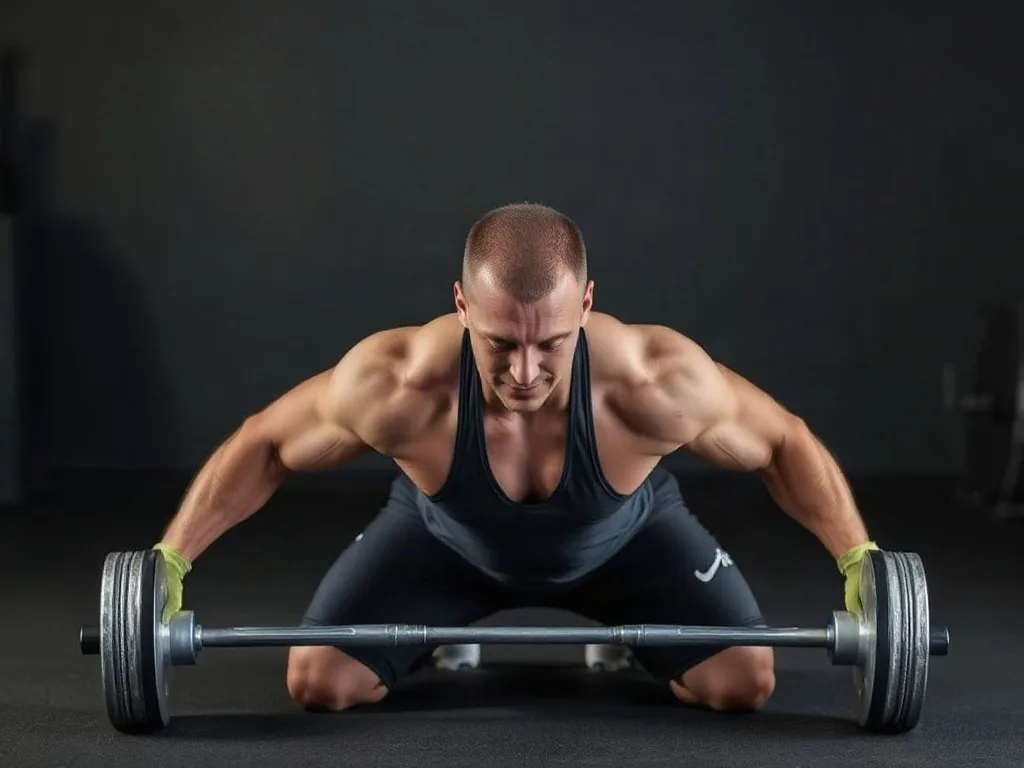
Supersets are a training technique that pairs two exercises back to back with little or no rest in between. By reducing idle time they can increase workout density, boost metabolic demand, and provide a novel stimulus for muscle growth. Whether you are a beginner looking to finish a session faster or an experienced lifter chasing a new hypertrophy signal, understanding how supersets work and when to use them can help you make smarter programming decisions.
Understanding the Superset Concept
A superset simply means performing one set of an exercise immediately followed by a set of a second exercise. The rest interval between the two movements is typically zero to fifteen seconds, after which you may take a longer rest before repeating the pair. This structure contrasts with traditional straight sets where you complete all sets of one exercise before moving to the next. The primary mechanism is increased training density, which raises heart rate and metabolic stress without necessarily adding more volume. Because the muscles involved may be either opposing (antagonist) or the same (agonist), the physiological effect varies. Research shows that superset training can produce comparable strength gains to traditional sets when total volume is matched, while often delivering greater acute hormonal responses such as growth hormone and testosterone spikes. However, the quality of each repetition must remain high; fatigue from the first movement can compromise form on the second if the pairing is poorly chosen.
Types of Supersets Antagonist Agonist and Compound
There are three common ways to pair exercises. Antagonist supersets combine opposing muscle groups such as a bench press followed by a bent over row. This allows one muscle group to recover while the other works, often preserving performance on both lifts. Agonist supersets target the same muscle group with two different movements, for example a dumbbell shoulder press followed by a lateral raise. The goal here is to increase metabolic stress and fiber recruitment within a single region. Compound supersets pair two multi joint exercises that may share some musculature but are not direct opposites, such as a squat paired with a push press. Each style has distinct advantages: antagonist pairs are excellent for strength maintenance and time efficiency, agonist pairs shine for hypertrophy and pump, and compound pairs develop overall work capacity and conditioning. Choosing the right type depends on your primary goal, the equipment available, and how much fatigue you can tolerate.
Benefits for Strength Hypertrophy and Time Efficiency
Supersets compress the same amount of work into a shorter window, which is ideal for busy schedules. When volume is equated, studies report similar strength improvements compared with traditional sets, especially when antagonist pairings are used. For hypertrophy, the reduced rest increases metabolic byproducts such as lactate, which may enhance satellite cell activity and muscle protein synthesis. The heightened systemic fatigue also elevates post exercise oxygen consumption, contributing to greater calorie burn after the session. Additionally, supersets can improve cardiovascular conditioning because the heart rate stays elevated throughout the paired sets. Mental engagement often rises as well; the rapid switching keeps the workout dynamic and can reduce boredom. It is important to note that these benefits assume proper load selection and technique. Overloading a superset beyond your recovery capacity can lead to form breakdown and increased injury risk.
How to Program Supersets Into Your Routine
Start by deciding the training split and the primary goal for each session. If you follow an upper lower split, you might place antagonist supersets on upper days (push pull) and agonist supersets on lower days (quad dominant then hamstring dominant). A typical structure: warm up, main compound lift performed as straight sets for strength, then two to three superset pairs as accessory work. Keep the total number of superset pairs per session between two and four to avoid excessive fatigue. Rest between pairs can be sixty to ninety seconds for strength focus, or thirty to forty five seconds for metabolic emphasis. Progressive overload still applies; increase load, reps, or reduce rest week over week. Track performance on each exercise individually because the fatigue from the first movement can mask true capacity on the second. Periodize superset usage: use them heavily during hypertrophy blocks, then revert to straight sets during peak strength phases.
Sample Superset Workouts for Different Goals
Strength focused upper body: Pair bench press (four sets of five reps) with bent over row (four sets of five reps). Rest ninety seconds after each pair. Hypertrophy focused legs: Pair goblet squat (three sets of ten reps) with Romanian deadlift (three sets of ten reps). Rest forty five seconds. Conditioning circuit: Pair kettlebell swing (three sets of fifteen reps) with push up (three sets of max reps). Rest thirty seconds. Core finisher: Pair hanging leg raise (three sets of twelve reps) with plank (three sets of forty five seconds). No rest between exercises, sixty seconds between pairs. Adjust loads so the last rep of each set feels challenging but controllable. These templates can be mixed and matched; the key is maintaining consistent rest intervals and tracking each movement separately.
Common Mistakes and How to Avoid Them
One frequent error is pairing two heavy compound lifts that both demand high central nervous system output, such as deadlift followed by overhead press. The resulting fatigue often degrades technique on the second lift. Choose at least one movement that is less neurologically taxing or use a lighter load. Another mistake is neglecting warm up for the second exercise; even though the first movement raises temperature, specific joint preparation for the second pattern is still needed. Skipping rest entirely can turn a superset into a giant set, which changes the training stimulus and may exceed recovery capacity. Failing to record the weight used for each exercise separately makes progressive overload impossible. Finally, using supersets for every exercise in a session eliminates the benefits of straight set practice for maximal strength development. Reserve supersets for accessory or hypertrophy work while keeping primary lifts in traditional format.
Adjusting Supersets for Recovery and Progression
Recovery between sessions is as important as intra session rest. If you notice persistent soreness, reduced performance, or sleep disturbances, reduce the number of superset pairs or increase rest intervals. Deload weeks can simply replace supersets with straight sets at the same volume. For progression, apply the double progression method: aim to hit the top of the rep range on both exercises before adding weight. Because the second exercise receives residual fatigue, you may reach the rep target on the first movement earlier; in that case keep the load on the first exercise steady and focus on improving the second. Autoregulation tools such as RPE (rate of perceived exertion) help decide whether to push a pair harder or back off. Monitoring heart rate variability or morning resting heart rate can also signal when to taper superset density.
Supersets vs Traditional Sets When to Choose Which
Traditional straight sets remain the gold standard for maximal strength and power development because they allow full recovery between sets, preserving force output. Use straight sets for primary lifts such as squat, deadlift, bench press, and overhead press when the goal is a one rep max or low rep strength. Supersets excel when the aim is hypertrophy, metabolic conditioning, or time constrained training. They are also valuable during deload or active recovery weeks where lower loads and higher density maintain movement patterns without excessive joint stress. A hybrid approach often works best: perform main lifts as straight sets, then transition to supersets for accessory work. This preserves strength quality while still harvesting the density benefits. Ultimately the decision hinges on your periodization model, recovery capacity, and personal preference.
Advanced Superset Variations: Pre-Exhaust, Post-Exhaust, Staggered, and Cluster Supersets
Beyond the classic antagonist, agonist, and compound pairings, lifters can manipulate the order and timing of the two movements to target specific physiological mechanisms. A pre‑exhaust superset places an isolation exercise before a compound lift that shares the same primary mover, such as a pec‑deck fly followed immediately by a bench press. The isolation work fatigues the target muscle so that the compound movement recruits additional motor units and forces the synergists to work harder, which can be useful when a lifter struggles to feel the target muscle during heavy pressing. A post‑exhaust superset reverses the sequence: the compound lift is performed first, then an isolation movement finishes the set, allowing the lifter to move maximal load on the multi‑joint exercise before chasing a deep metabolic burn. Staggered supersets insert a brief, purposeful pause of five to ten seconds between the two exercises, giving the nervous system a micro‑recovery window while still keeping overall density high; this is valuable when pairing two high‑CNS-demand lifts like a heavy deadlift and a weighted pull‑up. Cluster supersets break each exercise into mini‑sets of two to three reps with ten‑second intra‑cluster rests, then alternate the clusters between the two movements. The result is a higher total rep count at a given load without the form breakdown that often accompanies straight‑set fatigue. Practical tip: start with one advanced variation per training block, monitor joint soreness, and adjust rest intervals before adding a second variation.
Superset Periodization Across Macro‑, Meso‑, and Microcycles
Effective superset integration requires aligning density work with the broader periodization plan. In a macrocycle aimed at hypertrophy, the early preparatory mesocycle can employ antagonist supersets with moderate loads and sixty‑second inter‑pair rest to build work capacity while preserving strength on primary lifts. As the mesocycle progresses toward a peak hypertrophy phase, shift to agonist supersets with shorter rest (thirty to forty‑five seconds) and higher rep ranges (10‑15) to maximize metabolic stress and fiber recruitment. During a strength‑focused mesocycle, keep supersets limited to accessory work and use longer rest (ninety seconds) so that the central nervous system remains fresh for low‑rep main lifts. In a peaking or competition microcycle, replace most supersets with straight sets to allow full recovery and maximal force expression; a single light agonist superset can serve as a movement‑pattern rehearsal without inducing fatigue. Deload weeks are ideal for converting all superset pairs into straight sets at the same volume, giving joints and connective tissue a break while maintaining motor‑pattern frequency. When transitioning between mesocycles, adjust one variable at a time—either rest interval, rep range, or superset type—to avoid confounding adaptation signals. Tracking session RPE and velocity loss on the first exercise of each pair provides objective data for deciding when to progress or regress superset density.
Tailoring Supersets for Special Populations: Older Adults, Rehabilitation, and Tactical Athletes
Superset prescription must respect the unique recovery profiles and injury histories of special populations. For older adults, prioritize antagonist pairings that involve low‑impact, joint‑friendly movements such as a seated row paired with a chest press on a machine; keep rest between pairs at ninety seconds or more and limit total pairs to two per session to control cardiovascular drift. In a rehabilitation context, use pre‑exhaust supersets only after the injured tissue has cleared the acute phase; a light band‑pull‑apart followed by a scapular push‑up can reinforce scapular stability without overloading the healing structure. Tactical athletes—military, law‑enforcement, firefighters—benefit from compound supersets that mimic occupational demands, for example a sandbag clean paired with a push‑press, performed with minimal rest to develop work capacity under fatigue. However, monitor heart‑rate recovery and perceived exertion closely; if recovery exceeds three minutes, reduce load or increase rest. Edge case: a firefighter with a prior shoulder impingement should avoid overhead pressing in a superset and substitute a landmine press paired with a horizontal row. Programming tip: schedule superset blocks on days when the primary conditioning session is low‑intensity, ensuring the overall weekly load remains within the individual’s recovery envelope.
Integrating Supersets with Other Intensity Techniques: Drop Sets, Rest‑Pause, and Blood‑Flow Restriction
Supersets can be layered with additional intensity methods to create a potent hypertrophic stimulus without extending session length. A drop‑set superset performs the first exercise to near failure, immediately reduces the load by twenty to thirty percent, then moves to the second exercise without rest; this doubles the metabolic accumulation in the same time frame. Rest‑pause supersets break each exercise into two mini‑sets separated by a ten‑second pause, then alternate the movements; the brief intra‑set rest allows partial phosphocreatine replenishment, enabling higher total volume at a given load. Blood‑flow restriction (BFR) supersets apply a cuff at 40‑80 % arterial occlusion pressure on the working limb while performing a low‑load agonist pair such as a leg extension followed by a leg curl; the hypoxic environment amplifies motor‑unit recruitment and growth‑factor release despite using only 20‑30 % 1RM. Practical guidelines: limit BFR superset sessions to two per week per limb, keep cuff pressure consistent, and never combine BFR with heavy compound supersets due to excessive cardiovascular strain. When adding drop sets or rest‑pause to a superset, reduce the number of pairs by one to keep total session volume manageable. Track each technique’s RPE separately; if the combined RPE exceeds nine on a ten‑point scale, dial back either the superset density or the auxiliary intensity method.
Equipment‑Limited and Home‑Gym Superset Strategies
Limited equipment does not preclude effective superset training; it only requires creative exercise selection and smart pairing. With a single pair of adjustable dumbbells, an antagonist superset can pair a dumbbell bench press on the floor with a single‑arm dumbbell row supported on a bench, alternating arms to keep continuous tension. A resistance band set enables agonist supersets such as a band‑resisted push‑up followed by a band‑pull‑apart, both targeting the chest and rear delts without any free weights. For lower‑body work, a kettlebell can serve both a goblet squat and a Romanian deadlift in a compound superset; the same implement eliminates transition time. Bodyweight‑only supersets are viable for travelers: a plyometric push‑up paired with a split‑squat jump maintains high intensity while requiring zero equipment. Edge case: when only one dumbbell is available, use a staggered unilateral approach—perform the first exercise with the left side, immediately switch to the right side for the second exercise, then rest. This preserves the superset structure while halving the load requirement. Programming tip: design a weekly template that rotates the implement (dumbbell, band, kettlebell, bodyweight) so that each movement pattern receives a superset stimulus at least twice per week despite equipment constraints.
Tracking, Analytics, and Autoregulation for Superset Progression
Data‑driven adjustments turn superset training from guesswork into a measurable progression model. Log each exercise’s load, reps, rest interval, and session RPE in a spreadsheet or dedicated app; this enables calculation of density (total reps per minute) and volume load (sets × reps × weight) for every pair. Velocity‑based training devices can capture mean concentric velocity on the first rep of each exercise; a drop greater than ten percent from the previous week signals accumulated fatigue and suggests increasing inter‑pair rest or reducing load. Autoregulation using the Repetitions‑In‑Reserve (RIR) scale works well for supersets: aim for 1‑2 RIR on the first movement and 0‑1 RIR on the second; if the second movement consistently hits 0 RIR while the first still has 2 RIR, the pairing is unbalanced and should be swapped for a more comparable fatigue profile. Weekly trend lines of density and RPE guide mesocycle decisions—if density rises while RPE stays stable, the athlete is adapting; if RPE climbs without density gains, insert a deload week. Edge case: when using wearable heart‑rate variability (HRV) data, a morning HRV drop of more than ten milliseconds from baseline correlates with reduced superset performance later that day; pre‑emptively lower the number of pairs or extend rest. Consistent tracking also reveals asymmetries—if the left‑side row in an antagonist pair lags the right‑side press, add a unilateral corrective set outside the superset block.
Psychological and Adherence Factors: Motivation, Variety, and Long‑Term Consistency
The mental experience of superset training can be a decisive factor in program adherence. Rapid exercise switching creates a game‑like pace that many lifters find more engaging than long rest periods, reducing perceived workout duration and increasing session enjoyment. However, excessive novelty can backfire; rotating superset types every week may impair motor‑learning and lead to decision fatigue. A practical compromise is to keep the superset structure constant for a four‑week block while varying only the exercise selection within the same movement pattern category. Goal‑setting frameworks such as SMART targets applied to superset metrics—e.g., increase density by five percent over four weeks—provide clear progress markers that reinforce motivation. Social accountability can be leveraged by pairing with a training partner who times the rest intervals; the external cue reduces the temptation to extend rest beyond the prescribed window. Edge case: athletes with high anxiety about heart‑rate elevation may perceive the sustained cardiovascular demand of supersets as stressful; in those cases, start with longer rest (two minutes) and gradually compress intervals as confidence builds. Long‑term consistency is best served by periodic “superset‑free” weeks where the lifter returns to straight sets, providing psychological relief and a benchmark to appreciate the density gains achieved during superset phases.
FAQ
What is the main difference between a superset and a giant set
A superset pairs two exercises with minimal rest, while a giant set strings three or more exercises together before any rest. Giant sets increase density further but also raise fatigue dramatically.
Can beginners use supersets safely
Yes, beginners can start with antagonist supersets using light loads and longer rest between pairs. Focus on mastering form on each movement before reducing rest intervals.
Do supersets burn more calories than straight sets
Because heart rate stays elevated, supersets typically produce a higher acute calorie expenditure and greater post exercise oxygen consumption, but total daily energy balance still depends on nutrition and overall activity.
How many superset pairs should I include in one workout
Two to four pairs is a practical range for most people. More than four can compromise recovery and technique, especially when heavy loads are involved.
Should I superset my main compound lifts
Generally no. Main lifts benefit from full rest to maintain maximal force production. Reserve supersets for accessory or isolation work where fatigue is less detrimental.