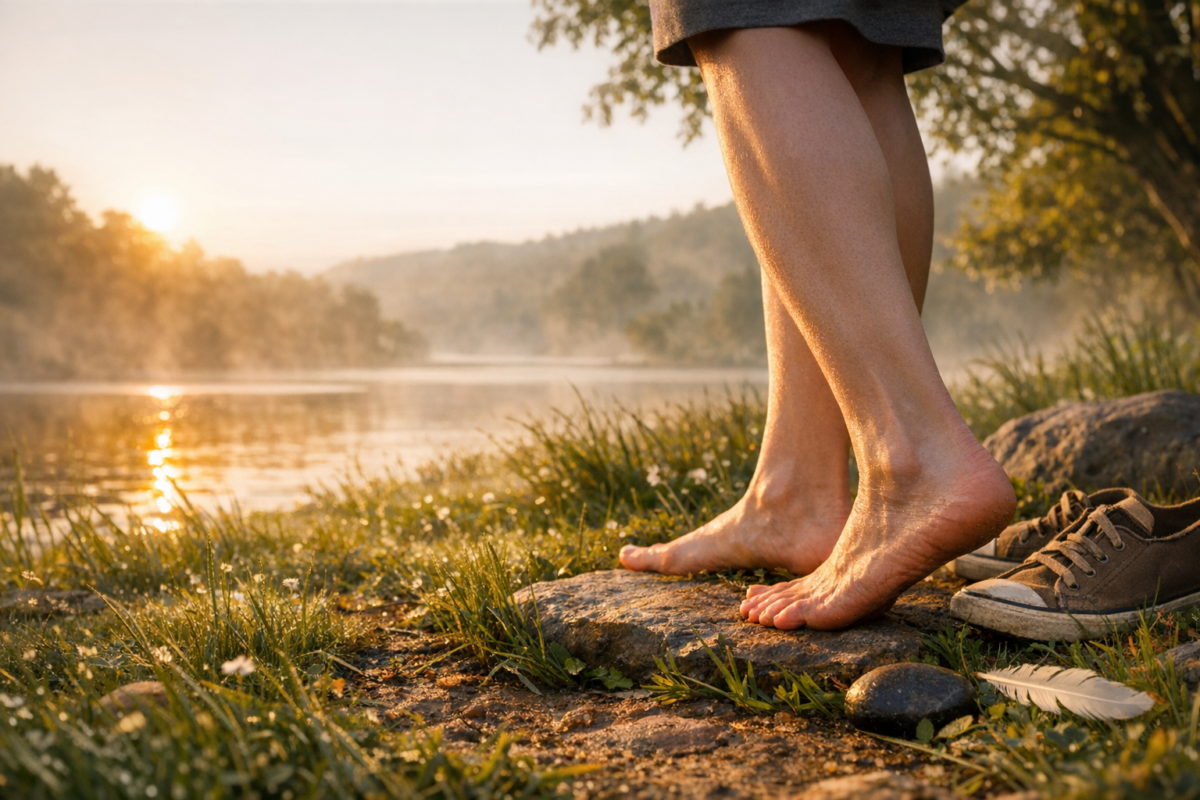
Grounding has become one of the most discussed wellness practices in recent years, yet many people remain unsure about what it actually means or why it matters. Often called earthing, grounding refers to the practice of making direct physical contact with the Earth’s surface, whether by walking barefoot on grass, soil, sand, or rock. The underlying concept is that this contact allows your body to absorb electrons from the Earth, which proponents believe can reduce inflammation, improve sleep, enhance mood, and promote overall health.
The resurgence of interest in grounding reflects a broader cultural shift toward reconnecting with nature and questioning modern lifestyle patterns. We spend unprecedented amounts of time indoors, wearing rubber-soled shoes that insulate us from the Earth, and surrounded by electronic devices. Grounding advocates argue that this disconnection from the natural world contributes to physical discomfort, emotional distress, and chronic health issues. Whether you’re skeptical or curious, understanding what grounding is and what science currently shows about its effects can help you decide if it’s worth incorporating into your wellness routine.
The Science Behind Grounding and Earth’s Electric Energy
The Earth maintains a subtle negative electrical charge. According to grounding theory, when you make direct contact with the ground barefoot, your body becomes electrically connected to this charge. Proponents suggest that modern living isolates us from this connection through insulating materials like rubber shoes, wooden floors, and synthetic clothing. The theory goes that reconnecting with the Earth’s electrical field can help neutralize free radicals in your body—unstable molecules that contribute to inflammation and oxidative stress.
Research on grounding has produced mixed results. Several small studies have found correlations between grounding and reduced inflammation markers, improved sleep quality, and decreased cortisol levels. A 2015 study published in the Journal of Alternative and Complementary Medicine found that grounding improved sleep and reduced pain in participants with chronic pain conditions. However, the scientific community remains cautious, as many studies have small sample sizes, lack rigorous controls, or haven’t been independently replicated. The mechanisms proposed by grounding theory are not yet fully understood or accepted by mainstream medicine.
What we do know is that spending time in nature and outdoors generally supports wellbeing through multiple pathways: vitamin D synthesis from sunlight, physical activity, mental health benefits from green spaces, and stress reduction. It’s difficult to isolate whether grounding’s specific electrical effects contribute meaningfully to these benefits or whether the overall experience of being outdoors is responsible.
Different Methods of Grounding: Finding What Works for You
Grounding doesn’t require a complicated ritual. The simplest form is walking barefoot outdoors on natural surfaces. Grass, soil, sand, and natural stone all conduct the Earth’s electrons, while asphalt and concrete are less effective. You can practice grounding by spending time in your backyard, at a park, on a beach, or in a forest. Even five to ten minutes of barefoot contact can be considered grounding practice.
For those who live in climates with harsh winters or limited outdoor access, several alternatives exist. Grounding mats and patches are designed to replicate the electrical connection of direct Earth contact. These products use conductive materials and are typically used indoors, often placed under your feet at a desk or under your mattress during sleep. While these tools can’t provide the full experience of being outside, they may offer some benefit for those committed to regular grounding practice.
Another method gaining popularity is grounding through water. Some practitioners believe immersion in natural bodies of water—ocean, lakes, or rivers—provides grounding benefits. The conductive properties of salt water make ocean swimming particularly appealing to grounding enthusiasts. However, this method remains less studied than barefoot ground contact.
You can also combine grounding with other activities. Barefoot hiking, outdoor yoga, gardening without gloves, or simply sitting on the grass while reading or meditating allows you to ground while engaging in activities you already enjoy. The key is finding a grounding method that feels sustainable and pleasant enough to practice regularly.
The Potential Health Benefits Explored by Research
Proponents of grounding claim an impressive range of potential benefits, though it’s important to distinguish between what research suggests and what remains theoretical. The most commonly cited benefit is improved sleep quality. Several studies have found that grounding may help regulate circadian rhythms and reduce nighttime cortisol levels, potentially improving sleep onset and quality. People who practice grounding often report falling asleep more easily and experiencing deeper, more restorative sleep.
Inflammation reduction is another frequently mentioned benefit. Chronic inflammation underlies many modern health conditions, from arthritis to heart disease. Some research suggests that grounding may reduce inflammatory markers and help manage pain associated with inflammatory conditions. Athletes and people with chronic pain conditions have reported improvements in their symptoms, though larger, more rigorous studies are needed to confirm these effects.
Mental health improvements have also been reported by grounding practitioners. Spending time outdoors and in direct contact with nature reduces stress and anxiety for most people. Whether this benefit comes specifically from electrical grounding or simply from being in a natural environment remains an open question. Mood enhancement, reduced anxiety, and greater emotional resilience are commonly reported, particularly among people who practice grounding regularly.
Some research has explored grounding’s effects on heart rate variability, a measure of cardiovascular health and stress resilience. Early findings suggest grounding may improve heart rate variability, though this research is still preliminary. It’s worth noting that many purported benefits of grounding lack sufficient scientific evidence. Claims about immune system enhancement, improved blood flow, or accelerated healing should be approached with healthy skepticism until more rigorous research emerges.
Grounding and Mental Health: Connection to Nature and Stress Relief
One of the strongest arguments for grounding practice lies in its connection to mental health and stress reduction. Regardless of whether the Earth’s electrical properties matter, the psychological benefits of spending time in nature are well-documented. Nature exposure reduces cortisol levels, lowers blood pressure, and decreases anxiety and depression symptoms in most people.
Grounding takes this further by encouraging intentional, mindful contact with the natural world. The practice often involves slowing down, removing shoes, and paying attention to physical sensations—the feel of grass, warmth of sun, or texture of soil. This sensory awareness and present-moment focus naturally creates a meditative state that supports mental wellbeing. For people dealing with anxiety, stress, or depression, a regular grounding practice can serve as a simple, free intervention with minimal risk.
The ritual aspect of grounding also matters. Creating a consistent practice—whether it’s ten minutes each morning or an evening walk—provides structure and intention around your wellness routine. This psychological commitment to self-care often produces benefits independent of the specific mechanism. People who practice grounding regularly report feeling more connected to nature, more present in their daily lives, and more aware of their bodies and emotional states.
For those struggling with technology overload or digital fatigue, grounding offers a concrete way to step away from screens and reconnect with the physical world. In our hyperconnected age, this digital detox component of grounding may be as valuable as any electrical effects the Earth provides.
Getting Started: Practical Tips for Beginning a Grounding Practice
Starting a grounding practice requires minimal preparation. First, identify accessible natural surfaces near your home or workplace. A backyard, local park, beach, or natural area where you can safely walk barefoot works perfectly. Check the surface for hazards like sharp rocks, broken glass, or thorns, particularly if you’re new to barefoot walking and your feet need time to build tolerance.
Begin with short sessions—ten to fifteen minutes—and gradually increase duration as your feet adapt. Walking barefoot without regular practice can feel uncomfortable initially, and your feet need time to adjust. Starting slowly prevents soreness and allows you to build confidence in the practice. If you have concerns about foot health or pain while grounding, consult a healthcare provider.
Choose a time of day that works for your schedule and feels pleasurable. Morning grounding can energize your day, while evening grounding might support better sleep. Some people prefer practicing during their lunch break or after work as a stress-relief ritual. Consistency matters more than duration, so even five minutes daily likely provides more benefit than occasional longer sessions.
Remove your shoes and socks and allow your bare feet to make contact with natural ground. You might stand still, walk slowly, sit down, or engage in light activity. Focus on the physical sensations—temperature, texture, moisture, and pressure under your feet. This mindful attention enhances the experience and the potential mental health benefits. If you practice in cool seasons or harsh climates where barefoot grounding isn’t feasible, grounding mats offer a convenient alternative, though the experience differs from outdoor practice.
Track how you feel before and after grounding sessions, noting changes in energy levels, mood, sleep quality, or pain levels. Keeping a simple journal helps you identify whether grounding produces noticeable effects for you personally. Remember that individual responses vary, and what works powerfully for one person might have subtle effects for another.
Grounding and Sleep: Addressing a Major Wellness Concern
Sleep problems affect millions of people, and many turn to grounding hoping for improvement. The connection between grounding and sleep appears to operate through multiple pathways. Theoretically, grounding may help regulate cortisol rhythms, with higher cortisol in morning hours and lower levels at night, which supports natural sleep-wake cycles. Practically, a grounding session outdoors in daylight exposure helps regulate circadian rhythms through light exposure and sensory stimulation.
Several studies specifically examining grounding and sleep found improvements in sleep quality, reduced time to fall asleep, and decreased nighttime awakenings among participants who practiced grounding. A particularly promising area of research involves using grounding mats or patches beneath the mattress during sleep hours. While research remains limited, some participants reported notably improved sleep quality with this approach.
The relaxation response triggered by grounding practice likely contributes to improved sleep. Reducing stress and anxiety before bed supports better sleep onset. A evening grounding session—barefoot time in your yard or a nearby park—can serve as a wind-down ritual that transitions your nervous system from wakefulness to sleep readiness. Combined with other sleep hygiene practices like limiting screens before bed and maintaining consistent sleep schedules, grounding may enhance your overall sleep quality.
If you struggle with sleep and want to try grounding, consider practicing in late afternoon or early evening. This timing allows you to complete your grounding session before bedtime, experiencing the calming effects while still having time to wind down further. Track your sleep patterns for several weeks to determine whether grounding noticeably affects your sleep quality.
Grounding for Athletes and Active People: Recovery and Performance
Athletes and physically active individuals increasingly explore grounding for potential benefits to recovery and performance. The logic suggests that reducing inflammation through grounding might accelerate muscle recovery after intense training, reduce delayed-onset muscle soreness, and improve overall recovery speed. A small number of studies have examined grounding among athletes, with some finding reduced inflammation markers and improved recovery metrics.
Many athletes practice grounding as part of their recovery routine, often combining it with other evidence-based recovery methods like foam rolling, stretching, and adequate nutrition. Whether grounding independently improves recovery or simply complements effective training and recovery practices remains unclear. However, for active people, grounding offers a simple, free addition to existing recovery protocols with minimal downside risk.
The stress-reduction and sleep-improvement aspects of grounding may particularly benefit athletes, as stress management and adequate sleep directly support athletic performance and recovery. An athlete who practices grounding and consequently sleeps better or maintains lower stress levels experiences tangible performance improvements, regardless of grounding’s direct physiological effects.
Important Considerations and Potential Limitations
While grounding is generally safe and low-risk, several considerations matter. People with compromised immune systems, open wounds, or certain health conditions should consult healthcare providers before practicing outdoor barefoot grounding. Individuals taking blood-thinning medications should be cautious, as some grounding advocates claim it affects blood viscosity, though evidence remains limited.
Grounding mats and other commercial products make various health claims that often exceed current scientific evidence. Be skeptical of products claiming to cure diseases or treat serious medical conditions. Grounding should complement, not replace, evidence-based medical treatment. If you have chronic pain, sleep disorders, or significant mental health concerns, work with qualified healthcare professionals rather than relying on grounding as your sole intervention.
Climate and geography present practical limitations. People in harsh winter climates may find regular barefoot outdoor grounding difficult or impossible for months at a time. Urban environments may offer limited natural surfaces for grounding practice. These limitations don’t make grounding inaccessible but require creative solutions like grounding mats or identifying park spaces within your area.
Individual responses to grounding vary considerably. Some people report dramatic improvements in sleep, pain, and mood within weeks. Others notice subtle shifts or no appreciable change. This variation is normal; grounding clearly benefits some people more than others. Approaching grounding with realistic expectations—viewing it as a potential wellness tool rather than a cure-all—helps you evaluate whether it works for your specific situation.
Grounding as Part of a Holistic Wellness Routine
The most productive way to think about grounding is as one component within a comprehensive wellness approach. Grounding works synergistically with other evidence-based practices: regular exercise, balanced nutrition, adequate sleep, stress management, social connection, and time in nature. Someone who practices grounding while also exercising regularly, eating well, managing stress effectively, and maintaining strong relationships will likely experience greater overall wellbeing than someone relying on grounding alone.
Grounding’s primary value may lie in its ability to encourage regular time outdoors and create a consistent nature connection practice. For many people, committing to daily grounding provides the external structure needed to spend more time outside, reduce screen time, and practice mindfulness—all of which support wellness independently of grounding’s specific mechanisms.
Think of grounding as an invitation to slow down, step away from constant productivity and digital connection, and engage your senses in direct contact with the natural world. Whether or not every proposed benefit materializes, this shift in attention and daily practice likely produces real improvements in how you feel and function. The practice costs nothing, carries minimal risk, and aligns with the increasingly supported understanding that nature connection matters for human health.
Exploring Grounding Deeper: Research Directions and Questions
The grounding research field continues evolving, with scientists exploring mechanisms more rigorously and testing effectiveness for specific conditions. Future research will likely clarify which populations benefit most from grounding, what duration and frequency of practice produces optimal results, and whether commercial grounding products offer comparable benefits to direct Earth contact. Larger, well-controlled studies will help distinguish between grounding’s specific electrical effects and the general benefits of outdoor time.
Some researchers explore grounding’s potential for specific conditions like rheumatoid arthritis, fibromyalgia, and sleep disorders. Others investigate physiological mechanisms, measuring electrolyte balance, inflammatory markers, and nervous system function before and after grounding. This scientific rigor will either support current grounding claims or reveal which are overstated, helping people make informed decisions about grounding practice.
In the meantime, the evidence supporting grounding remains promising but preliminary for most claimed benefits. The strongest evidence exists for grounding’s stress-reduction and sleep-improvement effects, largely because these benefits align with documented effects of spending time in nature. As research progresses, our understanding of grounding’s genuine mechanisms and applications will become clearer.
Grounding in Different Seasons: Adapting Practice Year-Round
Seasonal changes present both challenges and opportunities for grounding practice. Summer months offer obvious advantages—warm temperatures, longer daylight hours, and accessible outdoor spaces make frequent barefoot grounding effortless. However, many practitioners discover that maintaining consistency through seasonal transitions requires intentional adaptation.
Winter grounding demands creativity in most climates. Snow and ice cover natural surfaces for extended periods, and barefoot contact becomes uncomfortable or unsafe. Some dedicated practitioners continue winter grounding on milder days or in protected microclimates within their yards. Others shift to shorter sessions or transition partially to indoor grounding mats during winter months. The key insight is that seasonal variation doesn’t negate grounding’s value—it simply requires flexibility in how you practice.
Spring and fall offer transitional periods where grounding remains accessible but with shifting comfort levels. Many people find these shoulder seasons ideal for establishing consistent grounding habits, as temperatures feel pleasant without extreme heat or cold. Using these moderate-weather months to build routine helps sustain practice when seasons become more challenging.
Geographic location significantly influences grounding feasibility. People in temperate climates with year-round outdoor access face different constraints than those in extreme climates. Rather than viewing seasonal limitations as reasons to abandon grounding, consider them invitations to experiment with different approaches—combining direct contact during favorable seasons with mat-based practice during harsh weather creates a sustainable year-round routine.
The Role of Soil Composition and Earth Contact Quality
Not all ground contact provides equivalent grounding experiences. The composition of soil affects electrical conductivity and therefore the theoretical grounding effect. Moist soil conducts electrons more effectively than dry soil, which explains why beach sand after rain or dewy grass in early morning may provide optimal grounding conditions. Salt water conducts electricity exceptionally well, making ocean immersion particularly attractive to grounding enthusiasts seeking maximum electrical contact.
Urban environments present complexity because soil composition varies dramatically. City parks often feature compacted soil with lower conductivity, while natural areas with rich organic matter and appropriate moisture levels offer superior grounding conditions. Concrete and asphalt, common in urban settings, provide minimal grounding benefit because they block electron transfer from the Earth. This geographic reality means urban practitioners may need to seek out specific natural areas or rely more heavily on supplemental grounding mats.
Understanding soil types helps optimize grounding practice. Clay-rich soil conducts electricity well, as does moist earth with organic content. Sandy beaches naturally provide excellent conductivity, particularly when damp. Rocky surfaces vary in their conductive properties depending on rock type—some volcanic rock conducts well, while others offer minimal grounding effect. For people seeking maximum grounding benefit, choosing grounding locations with optimal soil composition makes practical sense, even if the theoretical differences remain debated within the scientific community.
This awareness also explains why grounding mats claim to replicate Earth contact—they use conductive materials designed to approximate the electrical properties of optimal natural grounding surfaces. The materials and grounding cord design determine mat effectiveness, which varies considerably among commercial products.
Grounding and Circadian Rhythm Synchronization Beyond Sleep
While previous sections addressed sleep specifically, grounding’s broader relationship with circadian rhythm regulation deserves deeper exploration. Your body operates on roughly 24-hour biological cycles controlled partly by light exposure but also by other environmental cues. Grounding may function as one environmental signal that influences these rhythms, potentially affecting not just sleep but also alertness, hormone production, digestion, and metabolic function throughout the day.
Morning grounding during daylight hours combines multiple circadian-regulating signals: sunlight exposure triggering cortisol release and alertness, physical activity through walking or standing, and theoretical grounding effects. This combination may particularly benefit people with disrupted circadian rhythms from shift work, jet lag, or irregular schedules. Someone returning from international travel might use morning grounding sessions to reset their internal clock more effectively than grounding alone could achieve.
The timing of grounding practice throughout the day influences circadian effects. Afternoon grounding differs fundamentally from early morning or evening practice in terms of light exposure and cortisol levels. Strategic timing of grounding sessions—perhaps morning sessions to promote alertness and evening sessions to support sleep onset—leverages circadian principles to maximize benefit. This circadian awareness transforms grounding from a simple wellness activity into a tool for optimizing daily function and energy levels.
People with Seasonal Affective Disorder (SAD) or other mood conditions related to light exposure might combine grounding with strategic outdoor time during specific daylight hours. The combined effect of sunlight and grounding may provide greater mental health benefits than either practice alone, particularly during seasons when natural light remains limited.
Grounding and Inflammation: Mechanisms and Realistic Expectations
Inflammation reduction represents one of grounding’s most enthusiastically promoted benefits, yet the mechanisms remain poorly understood and often oversimplified. The theory proposes that free radicals—unstable molecules produced during cellular metabolism and in response to stress—contribute to inflammation and disease. Grounding theoretically neutralizes free radicals through electron transfer from Earth, reducing oxidative stress and resulting inflammation.
This mechanism appeals intuitively because oxidative stress and inflammation genuinely underlie numerous chronic conditions. However, the human body maintains sophisticated antioxidant defense systems evolved over millions of years. Whether external electron donation through grounding meaningfully supplements these internal systems remains unproven. Some research suggests grounding affects inflammatory markers like C-reactive protein or cortisol, but study sizes remain small and mechanisms unclear.
More probable than direct electron transfer, grounding’s inflammation-reducing effects may stem from stress reduction. Chronic psychological stress directly increases inflammation through multiple pathways, including cortisol dysregulation and immune system activation. By reducing stress, grounding indirectly reduces inflammation—a mechanism supported by substantial research on nature’s stress-reduction effects. This more modest but evidence-supported mechanism still produces meaningful health benefits, particularly for people with stress-related inflammatory conditions.
For specific inflammatory conditions like rheumatoid arthritis or inflammatory bowel disease, grounding might provide supplementary support within comprehensive treatment but shouldn’t replace prescribed medications or medical management. Tracking inflammation markers before and after establishing a grounding practice provides individual evidence of whether grounding affects your specific inflammatory profile.
Sensory Aspects of Grounding: Why the Experience Matters
Beyond any theoretical electrical effects, the sensory experience of grounding produces measurable psychological and physiological responses. Barefoot contact with natural surfaces provides rich sensory input—temperature fluctuations, varying texture against skin, moisture, and the subtle pressure variations of uneven ground. This sensory stimulation activates neural pathways related to proprioception and interoception, increasing body awareness and grounding you mentally in present-moment experience.
The sensory experience triggers parasympathetic nervous system activation—the physiological relaxation response. This happens partly through vagal stimulation via skin contact and partly through the psychological effect of engaging senses in natural stimuli rather than artificial environments. The contrast between typical daily experience (wearing shoes, walking on flat surfaces, receiving primarily visual and auditory input) and grounding experience (barefoot, irregular surface, multisensory engagement) produces noticeable shifts in nervous system state.
Temperature sensation particularly matters. Walking barefoot on cool grass or warm sand creates immediate sensory engagement that pulls attention to present physical experience. This sensory grounding—distinct from electrical grounding though the terminology overlaps—naturally encourages mindfulness and present-moment awareness. People who practice deliberate sensory focus during grounding report enhanced mental clarity and stress reduction compared to casual barefoot time.
This sensory dimension explains why grounding mats, while offering theoretical electrical benefits, provide a diminished experience compared to outdoor practice. Mats lack temperature variation, texture complexity, and the multisensory richness of natural environments. For people relying on mats, consciously enhancing sensory awareness—perhaps pairing mat use with nature sounds or deliberate attention to physical sensation—may partially compensate for reduced environmental complexity.
Grounding Practice Variations: Finding Your Optimal Approach
Effective grounding doesn’t require strict adherence to a single method. Experimentation with different approaches helps identify what resonates with your preferences, schedule, and physical circumstances. Some people thrive with structured daily grounding—a specific ten-minute session each morning or evening. Others integrate grounding into existing activities: gardening barefoot, outdoor yoga, walking meetings at parks, or reading outside on grass.
Active grounding practices like barefoot hiking or outdoor sports combine grounding with physical activity, potentially amplifying stress-reduction benefits through exercise. Contemplative approaches—sitting still while grounded, meditating barefoot, or practicing mindful observation of nature—emphasize sensory awareness and mental presence. High-intensity approaches might involve barefoot running or intense outdoor activity combined with grounding exposure. Low-intensity approaches favor gentle presence and slower engagement.
Social grounding transforms the practice into community connection. Group activities like barefoot park walks, outdoor yoga classes, or family time in natural spaces combine grounding with social benefits. For people motivated by social connection, this approach builds sustainability through community involvement. Solo practitioners often find the solitude and personal reflection valuable, particularly for stress reduction and mental clarity.
Water-based grounding variations appeal to swimmers, surfers, and water sports enthusiasts. Ocean swimming, lake wading, or even cold-water immersion in natural water sources combine grounding theory with established benefits of water immersion and cold exposure. The psychological engagement of water-based grounding differs significantly from terrestrial approaches, offering variety for people who practice multiple grounding methods.
Experimenting with frequency and duration helps calibrate practice for your individual needs. Some people establish daily fifteen-minute sessions and notice substantial benefits. Others practice three times weekly with comparable results. A few dedicated practitioners maintain multiple grounding sessions daily. Beginning with modest commitments—perhaps ten minutes three times weekly—allows you to assess benefits without overcommitting time, then adjusting frequency based on your experience.
Grounding for Specific Life Circumstances and Challenges
Different life situations present unique grounding opportunities and challenges. Parents of young children often struggle with self-care practices, yet family grounding activities provide benefits for everyone while requiring minimal additional time. Barefoot outdoor play benefits children developmentally while grounding the parents supervising. Creating family grounding traditions—weekend park visits, barefoot yard time, garden activities—integrates wellness into existing routines.
Remote workers facing isolation and screen fatigue gain particular value from grounding practices that break up workdays and provide nature connection. Taking barefoot breaks between virtual meetings, walking outside on grass during lunch, or grounding before starting workday transitions nervous system state and mental focus. For people whose work involves extended indoor time and screen exposure, grounding becomes a practical intervention against digital fatigue and associated stress.
Caregivers managing chronic illness or disability in family members face stress that grounding can help address. Even brief grounding sessions—sitting outside barefoot while providing care or practicing grounding during respite time—offer stress relief and mental restoration. Adapting grounding to accommodate physical limitations (using grounding mats, practicing seated grounding, or integrating short barefoot moments into mobility routines) allows people with physical constraints to access grounding benefits.
Students facing academic pressure often experience anxiety, sleep disruption, and stress-related health issues. Establishing grounding practice during demanding academic periods provides accessible, cost-free stress management. Campus grounding—barefoot time on college grounds between classes—creates mental breaks and stress reduction during high-stress periods. High school and college students often report that regular grounding practice improves academic focus and emotional resilience alongside stress reduction.
People recovering from mental health challenges, including depression and anxiety disorders, sometimes find grounding’s combination of nature exposure, stress reduction, and embodied practice particularly valuable as complementary support alongside professional mental health treatment. The practice’s accessibility and low barrier to entry make it feasible for people managing significant challenges, while the outdoor component provides isolation-interrupting benefits.
Building Evidence: What Recent Research Reveals About Grounding Outcomes
The grounding research landscape has expanded in recent years, moving beyond anecdotal reports to more systematic investigation. Recent studies have explored specific mechanisms, tested diverse populations, and attempted to control for confounding variables that plague earlier research. While definitive answers remain elusive, emerging research patterns provide useful guidance for people considering grounding practice.
Recent investigations into heart rate variability—a marker of autonomic nervous system balance and cardiovascular health—found that grounding participants showed improved heart rate variability measurements compared to controls. This suggests grounding may genuinely affect nervous system function beyond simple stress reduction from outdoor time. However, these studies remain small, and replication is essential before drawing firm conclusions.
Research specifically examining grounding mats has produced mixed results. Some studies found measurable differences in sleep quality and pain reduction with mat use, while others found minimal differences between active mats and sham controls. This variation partly reflects methodological differences and partly suggests individual variability in grounding response. Some people appear highly responsive to grounding interventions while others show minimal change.
Population-specific research has begun examining whether grounding benefits differ across groups. Athletes, elderly populations, people with chronic pain, and individuals with sleep disorders show varying response patterns to grounding. This research suggests that grounding may particularly benefit specific populations—perhaps people with stress-related symptoms or those with inflammatory conditions—while offering less dramatic benefits to others.
Mechanistic research exploring how grounding works has generated interesting findings about cortisol patterns, inflammatory markers, and immune function. However, these studies typically involve small samples and don’t definitively establish cause and effect. The preponderance of evidence suggests grounding produces measurable physiological changes in some individuals, though the magnitude and clinical significance remain debated.
Future research focusing on adherence and long-term effects will prove crucial. Short-term studies tell us whether grounding produces initial changes, but sustained health benefits require consistent practice over months and years. Understanding what supports long-term grounding adherence and whether initial benefits persist or plateau will help people make informed decisions about incorporating grounding into permanent wellness routines.
FAQ: Common Questions About Grounding Answered
Q: How long do I need to practice grounding to notice benefits?
A: Individual responses vary significantly. Some people report noticeable improvements in sleep or mood within one to two weeks of daily grounding practice. Others take several weeks or months to notice changes, and some experience no dramatic shifts. Consistency matters more than duration—ten minutes daily likely produces more benefit than occasional longer sessions. Keep a journal tracking how you feel to identify subtle changes you might otherwise miss.
Q: Can I practice grounding if I have sensitive feet or foot pain?
A: Yes, but approach grounding gradually. Feet accustomed to constant shoe-wearing may feel sore initially when exposed to ground contact. Start with very short sessions—five minutes—on soft surfaces like grass or sand. Gradually increase duration as your feet adapt and build tolerance. If foot pain worsens or doesn’t improve, consult a healthcare provider. Grounding mats offer an alternative if barefoot outdoor practice isn’t feasible for your situation.
Q: Is grounding safe for children?
A: Yes, grounding is generally safe for children. Many families find that encouraging barefoot outdoor play provides grounding benefits while also promoting physical activity, creativity, and nature connection. Supervise young children to ensure they avoid hazards like broken glass or sharp objects. Children may particularly benefit from grounding’s stress-reduction effects during demanding school periods or social transitions.
Q: Do grounding mats work as well as direct Earth contact?
A: Grounding mats likely provide some benefit if grounding theory is correct about electrical effects, but research on mats is more limited than research on direct Earth contact. Mats lack the multisensory experience and psychological benefits of outdoor grounding. They work best as a supplement for people unable to practice outdoor grounding regularly, rather than a complete replacement. If you use grounding mats, also prioritize regular outdoor time when possible.
Q: Can grounding help with chronic pain conditions?
A: Some research suggests grounding may help reduce inflammation and improve pain management in chronic pain conditions. However, evidence remains preliminary, and grounding should never replace medical treatment recommended by healthcare providers. If you have chronic pain, discuss grounding with your doctor as a potential complementary practice alongside evidence-based treatments like physical therapy, medication, or other interventions your healthcare team recommends.
Related posts:
 I Tried ‘Grounding’ My Feet in the Grass—Here’s What It Did to My Body
 The Benefits of Grounding: Connecting with the Earth
 Best Antibacterial Dish Drying Mats
 Daily Anti-Inflammatory Tips
 Mat Goals: The Cutest Yoga Mats That Will Make You Actually Want to Namaste
 Best Anti-Fatigue Mats for Comfort and Support
 These $600 yoga mats put lululemon gear to shame
 The Best Workout Floor Mats for Safe and Comfortable Home Exercises