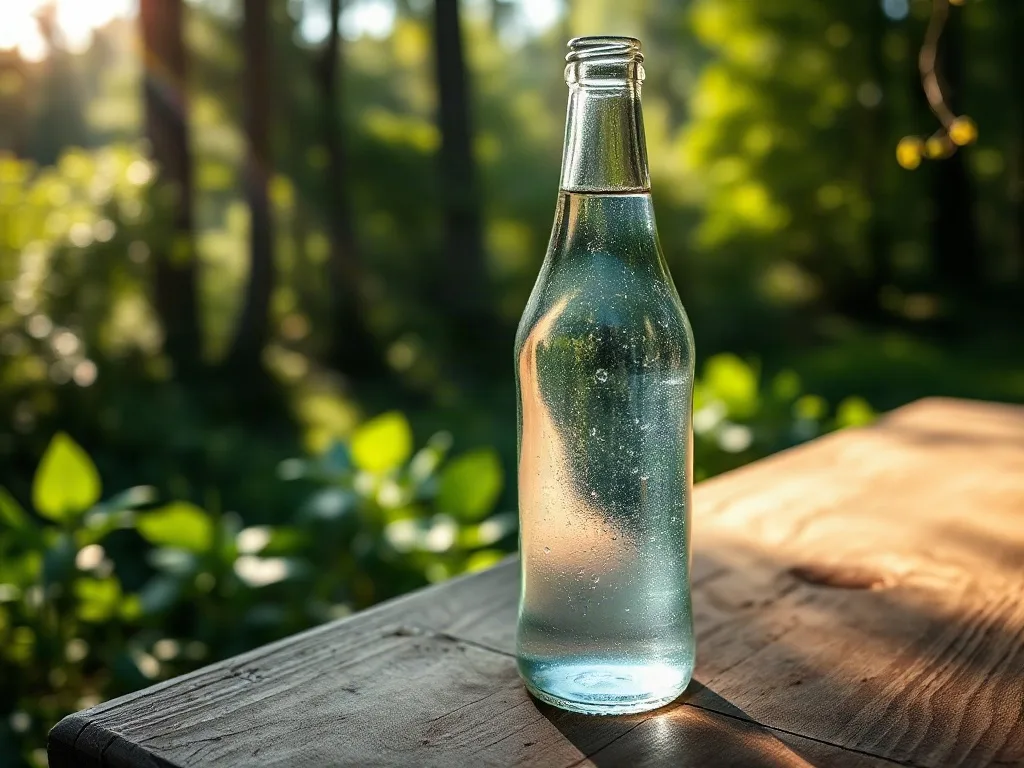
In the high-tech corridors of Silicon Valley, a peculiar trend has emerged that challenges the fundamental assumptions of modern public health: the raw water movement. Proponents of this lifestyle choice advocate for consuming untreated, unfiltered, and unsterilized water harvested directly from natural springs. While the scientific community remains deeply skeptical, the trend has gained significant traction among tech entrepreneurs and wellness enthusiasts who view municipal tap water as a relic of industrial compromise. To understand why this movement is gaining ground, we must explore what raw water actually is, the arguments used to support its consumption, and the very real risks associated with bypassing modern water treatment.
Key takeaways
- Raw water lacks the disinfection processes used in municipal systems to eliminate dangerous waterborne pathogens.
- Untreated sources may contain naturally occurring heavy metals like arsenic and lead leached from the bedrock.
- Stored raw water can become a breeding ground for bacteria within 48 hours without residual chlorine protection.
- The claim that raw water minerals are more bioavailable lacks scientific evidence compared to treated water or supplements.
- In-home filtration systems like reverse osmosis offer a safer way to remove contaminants while managing mineral intake.
Defining Raw Water: Beyond the Tap
Raw water is defined as water that has not undergone any standard industrial treatment processes. In the modern world, the water that flows from your kitchen faucet has been processed through a series of filtration, sedimentation, and disinfection stages. This typically includes the addition of chlorine or chloramine to kill pathogens, fluoride for dental health, and various coagulants to remove sediment. Raw water enthusiasts reject these processes, arguing that they strip the water of its natural mineral content and introduce chemical additives that they believe are harmful to long-term health.
Instead, raw water is sourced from natural springs, deep wells, or untouched mountain streams. Supporters often refer to it as “living water,” claiming that it retains the biological integrity of the earth. They argue that the minerals found in untreated water are in a bioavailable form that the body can easily absorb, unlike the concentrated supplements or processed minerals found in bottled or tap water. The appeal lies in the idea of returning to a pre-industrial state of nourishment, viewing nature as a superior filter to any man-made facility.
The Silicon Valley Connection: Seeking Optimization
The obsession with raw water in Silicon Valley is deeply tied to the culture of biohacking. Biohacking is the practice of using science, biology, and self-experimentation to optimize one’s physical and mental performance. For many in this demographic, traditional systems—whether it is the food supply, the education system, or the utility infrastructure—are viewed as “legacy systems” that need to be disrupted or bypassed.
In this mindset, municipal water is seen as contaminated by the infrastructure it travels through. Critics of tap water point to aging lead pipes, the presence of pharmaceutical residues, and the use of disinfectants as reasons to seek alternatives. By sourcing water from a remote spring, the biohacker feels they are gaining total control over their intake, eliminating the risk of industrial pollutants. For these individuals, drinking raw water is not just about hydration; it is a statement of independence from a system they perceive as failing to prioritize peak human health.
The Role of Probiotics and Microbiome Health
A central tenet of the raw water argument involves the microbiome. Proponents claim that municipal water is sterile or nearly sterile, which they argue contributes to an imbalanced gut flora. They believe that raw water contains beneficial bacteria and microorganisms that help populate the human gut, thereby strengthening the immune system and improving digestion.
This argument draws on the “hygiene hypothesis,” which suggests that our modern, overly sanitized lifestyle has weakened our immune systems by preventing exposure to harmless environmental microbes. By introducing “natural” bacteria through untreated water, raw water advocates believe they are reintroducing a necessary biological diversity to their systems. However, this is a precarious scientific leap, as the distinction between beneficial environmental bacteria and pathogenic organisms is often invisible to the naked eye.
The Dangers of Pathogens: The Scientific Reality
Public health officials and microbiologists view the raw water trend with significant alarm. The history of modern water treatment is one of the greatest achievements in human history, responsible for the near-elimination of waterborne diseases like cholera, typhoid, and dysentery. These diseases are caused by microscopic pathogens—bacteria, viruses, and parasites—that can exist even in the most pristine-looking mountain springs.
Common threats found in untreated water include Giardia, Cryptosporidium, E. coli, and various strains of salmonella. These organisms are not visible, do not change the taste of the water, and can cause severe, sometimes life-threatening, gastrointestinal distress. The argument that “nature is clean” ignores the reality that wildlife, livestock, and environmental runoff constantly contaminate natural water sources with fecal matter. Bypassing treatment means inviting these pathogens into the body without any defense mechanism.
Infrastructure and the Fallacy of “Clean” Sources
Another common misconception among raw water enthusiasts is that a spring is inherently protected. While a spring may appear to be bubbling up from a deep, untouched aquifer, the reality is that groundwater is highly susceptible to contamination from surface runoff. Agricultural runoff, containing pesticides, fertilizers, and animal waste, can easily infiltrate the soil and contaminate the very springs that people travel miles to harvest from.
Furthermore, the transport and storage of raw water present their own set of challenges. Once water is collected, it is often stored in plastic or glass containers. Without the residual protection of chlorine, the water quickly loses its freshness. If the container is not perfectly sterile, bacteria can multiply rapidly in the stagnant water. The very “living” nature that proponents celebrate is, in reality, a breeding ground for biological growth that can turn a bottle of water into a source of illness within hours.
The Regulatory and Economic Landscape
The rise of raw water has also created a niche market, with companies charging premium prices for bottled “unfiltered” water. This commodification of untreated water has faced scrutiny from regulatory bodies like the FDA and local health departments. These agencies are concerned about the lack of safety testing and the potential for large-scale outbreaks of illness linked to the consumption of untreated products.
From an economic perspective, the trend highlights a massive disconnect. While billions of people around the world struggle to gain access to basic, treated, and safe water, a segment of the wealthy population is paying for the privilege of drinking water that is statistically more dangerous. This disparity underscores the luxury of the raw water movement; it is a trend that can only exist in a society that has become so detached from the dangers of waterborne disease that it has forgotten why those diseases were eradicated in the first place.
Practical Alternatives for Health-Conscious Hydration
If the goal is to avoid the chemical additives of municipal water without exposing oneself to dangerous pathogens, there are safer, evidence-based alternatives. Many people find success with advanced in-home filtration systems that provide the benefits of pure water without the risks of untreated sources.
Reverse osmosis systems, for example, are highly effective at removing almost all contaminants, including lead, chlorine, and pharmaceutical residues. While these systems do remove some minerals, they can be paired with remineralization filters that add back healthy levels of calcium and magnesium. Similarly, high-quality carbon block filters can remove chlorine and volatile organic compounds while keeping the water safe. These options allow for a customized hydration strategy that balances purity, safety, and mineral content, all while maintaining the protection of modern technology.
Conclusion: Balancing Nature and Necessity
The raw water trend is a fascinating, if misguided, reflection of modern anxiety regarding the quality of our food and water systems. It highlights a legitimate desire for transparency and a longing for a more natural connection to our environment. However, the movement risks trading away the hard-won public health benefits of the last century for a romanticized ideal that nature is inherently safe. True health optimization should not come at the cost of basic safety. By utilizing modern, high-quality filtration, we can achieve the purity we seek without reverting to the dangerous conditions of the pre-industrial past.
The Chemistry of Mineralization: Debunking the Absorption Myth
A primary driver for the raw water movement is the belief that natural spring water contains ‘bioavailable’ minerals that are structurally superior to those found in tap or bottled water. Proponents often argue that the ions in natural water are ‘structured’ by the earth’s crust, facilitating better cellular uptake. However, from a biochemical perspective, this is a misunderstanding of how the human body processes electrolytes. Whether a calcium ion originates from a limestone-rich aquifer or a high-quality mineral supplement, the body treats it as a mineral ion. The digestive tract does not differentiate between the source of the mineral once it is dissolved in aqueous solution; rather, it regulates absorption based on the body’s current physiological needs and the presence of co-factors like Vitamin D and magnesium. The claim that raw water minerals are ‘more alive’ lacks a basis in inorganic chemistry, as minerals are by definition non-living elements.
The ‘Living’ Water Paradox: Bacterial Proliferation in Storage
One of the most overlooked dangers of the raw water trend is the rapid change in water chemistry once it is removed from its source. Natural springs are dynamic, high-oxygen environments where water is constantly moving and cycling. Once this water is bottled—even in glass—it enters a state of stasis. Without the residual disinfection provided by municipal chlorination, the water becomes a petri dish. If a container has even a microscopic amount of organic matter, common environmental bacteria can undergo an exponential growth phase. This phenomenon, often called ‘aftergrowth’ in microbiology, means that water which might have been relatively safe at the source can become highly toxic after just 48 hours of storage at room temperature. The ‘living’ aspect of raw water is, in reality, a liability that modern treatment was specifically designed to eliminate.
The Heavy Metal Reality: Beyond Microbes
While advocates focus on the absence of chlorine, they frequently ignore the presence of naturally occurring, inorganic contaminants that are invisible and tasteless. Depending on the geology of the region, natural springs can be hotspots for heavy metals such as arsenic, lead, and mercury. These elements are not the result of industrial pollution; they are leached from the bedrock itself. Municipal water treatment facilities utilize specialized processes, such as ion exchange or coagulation, to remove these naturally occurring heavy metals. A ‘pristine’ mountain spring might be free of industrial runoff but riddled with geogenic arsenic. By bypassing the treatment plant, the consumer is effectively opting out of the only barrier protecting them from chronic, long-term heavy metal toxicity, which can lead to neurological issues and organ damage over time.
The Psychology of ‘Purity’ and the Placebo Effect
The obsession with raw water is as much about psychological comfort as it is about health. In an era of increasing digital abstraction, where work is performed on screens and food is highly processed, the tactile act of collecting water from a spring serves as a powerful ritual. This ritual creates a strong placebo effect. If a person believes they are drinking a ‘superior’ substance, their brain may interpret the sensory experience—the coolness, the mineral mouthfeel, the sense of connection to nature—as a genuine improvement in health. This phenomenon is well-documented in wellness circles, where the ‘story’ behind a product often dictates the user’s subjective experience of its efficacy. For many, the raw water movement is a rejection of the ‘manufactured’ world, providing a sense of agency in an environment where they otherwise feel alienated from the sources of their sustenance.
The Ethics of Water Stewardship and Environmental Impact
The raw water trend also raises significant ethical and environmental questions regarding the management of natural resources. Most natural springs are not infinite, nor are they immune to the pressures of human activity. When large numbers of people begin to harvest water from public springs, they create localized environmental degradation. Foot traffic destroys native flora, and the abandonment of plastic bottles or the improper disposal of organic waste at these sites can contaminate the very water source they seek to protect. Furthermore, the practice of ‘wild-harvesting’ water is fundamentally unsustainable. If the movement were to scale, it would necessitate the industrialization of these springs, ultimately destroying the very ‘wild’ quality that the enthusiasts cherish. It represents a form of resource extraction that lacks the oversight and conservation efforts applied to municipal watersheds, which are strictly managed to protect both the local ecosystem and the water quality.
Navigating the ‘Biohacking’ Ecosystem: Safety Protocols
For those who remain committed to the concept of raw water but wish to minimize life-threatening risks, there are ways to bridge the gap between ideology and reality. The most responsible approach is to treat the source as a ‘raw ingredient’ rather than a finished product. If one insists on using natural water, it should be treated with the same rigor as backcountry survivalists treat stream water. This includes the use of absolute 1-micron filters to remove protozoa like *Cryptosporidium*, followed by UV irradiation to neutralize viruses and bacteria. By integrating these specific technological interventions, the consumer can maintain the mineral profile of the source while effectively neutralizing the biological hazards. It is a ‘middle-ground’ approach that satisfies the desire for natural minerals while acknowledging the reality of pathogenic risks that cannot be bypassed simply by wishing them away.
The Future of Hydration: Beyond the Raw vs. Treated Binary
As the conversation around water quality evolves, the focus is shifting away from the binary of ‘raw vs. treated’ toward a more nuanced understanding of ‘customized’ hydration. The future of the water industry is likely to involve modular systems that treat water at the point of use rather than at a massive municipal plant. These systems will allow individuals to adjust the mineral content, alkalinity, and purity of their water based on their specific physiological goals, such as athletic recovery or digestive health. This allows for the benefits of ‘optimization’ that Silicon Valley seeks without the reckless abandonment of hygiene standards. By moving toward localized, high-tech filtration, we can move past the romanticized, dangerous allure of raw water and toward a future where water quality is both transparent and scientifically sound.
Frequently Asked Questions
Q: Is raw water actually healthier than tap water? A: There is no scientific evidence to support the claim that raw water is healthier. While it may contain natural minerals, it also carries a high risk of containing dangerous pathogens like parasites and bacteria that can cause severe illness. Tap water is rigorously tested to ensure it meets safety standards that prevent these illnesses.
Q: Can I tell if my raw water is contaminated by looking at it? A: No. Many of the most dangerous pathogens, such as Giardia or E. coli, are microscopic. Water can look crystal clear, smell fresh, and taste delicious while still being heavily contaminated with fecal matter or harmful microorganisms.
Q: What is the most common illness associated with drinking untreated water? A: The most common illnesses are gastrointestinal infections, leading to symptoms like diarrhea, vomiting, stomach cramps, and dehydration. In severe cases, particularly for those with compromised immune systems, these infections can lead to hospitalization or long-term complications.
Q: Why do people think municipal water is bad for them? A: Concerns typically stem from the presence of chlorine, fluoride, and the aging pipes that deliver the water. While it is true that infrastructure needs maintenance, the addition of disinfectants like chlorine is the primary reason why we no longer suffer from waterborne epidemics in developed nations.
Q: Is there a safe way to drink water from a spring? A: If you want to drink from a natural source, the safest method is to treat the water yourself. Boiling the water for at least one minute is the most effective way to kill pathogens. Alternatively, using a portable ultraviolet (UV) purification system or a high-grade water filter designed for backcountry use can significantly reduce risk, though none are as effective as a municipal treatment plant.
Related posts:
 Trader Joe’s Sunscreen Review
 Mineral Water Health Benefits
 Los Angeles’ Best Salt Water Pools for Your Next Staycation
 The Truth About Double-Dipping and Germs
 Pool Water Effects on Skin and Hair
 Natural Face Sunscreens Guide
 Liquid Luxury: Professional Water Sommelier Secrets for Better Hydration
 Your Complete Guide to Avoiding Food Poisoning This Summer