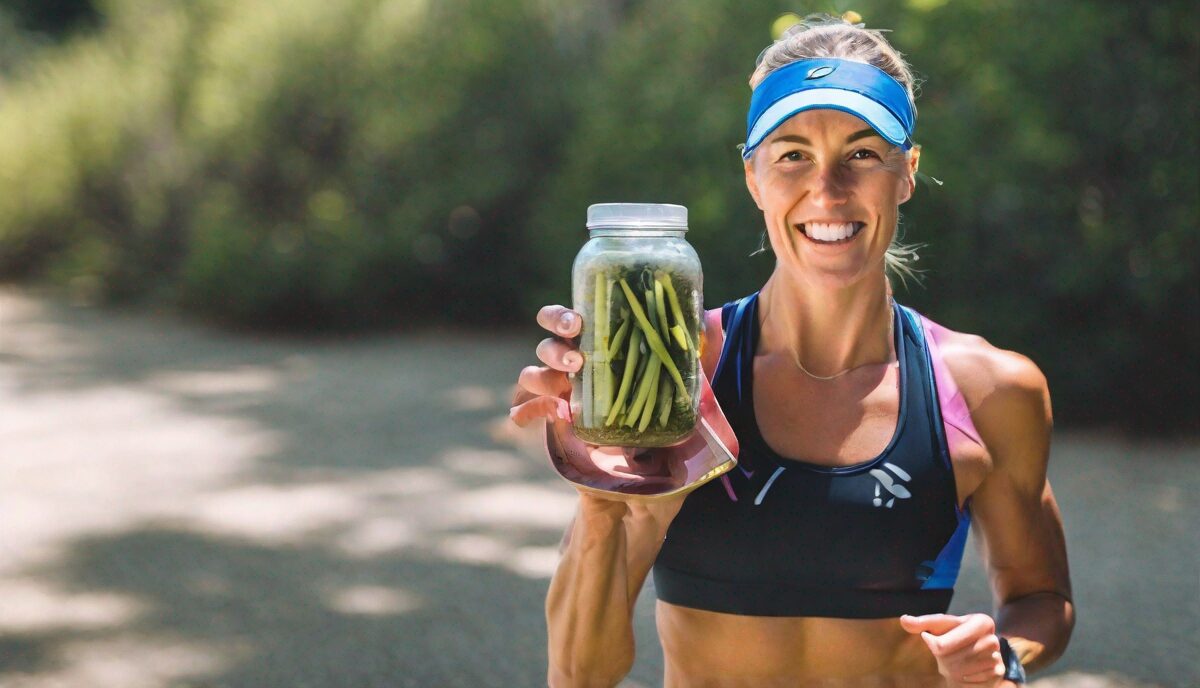
A Focus on Balance and Nutrition
Coming from a place of self-compassion, ultra athlete Abby shares how she nourishes her body and spirit to sustain her active lifestyle. Rather than extreme restriction or optimization, she focuses on finding balance.
Key takeaways
- Train your gut during long runs to handle 60-90 grams of carbohydrates per hour.
- Use macronutrient periodization to match carbohydrate intake with training intensity and volume.
- Prioritize a 3:1 or 4:1 carbohydrate-to-protein recovery ratio within 60 minutes post-run.
- Prevent hyponatremia by utilizing a personalized electrolyte strategy based on your sweat rate.
- Combat appetite fatigue during high-volume weeks by using nutrient-dense smoothies and batch-prepped meals.
Fueling with Whole Foods
Abby starts her day with oatmeal, berries, nuts and seeds – foods that provide steady energy. She makes sure to stay hydrated by drinking plenty of water throughout the day. For lunch and dinner, she emphasizes lean proteins, vegetables, healthy fats, and whole grains.
The Power of Community
Training for ultramarathons can be lonely, so Abby makes time to connect with supportive friends. She also volunteers locally, finding joy in helping others.
Unplugging and Recharging
Abby sets aside time for restorative yoga, meditation, and quiet reflection. This allows her to process intense training mentally and physically. She’s learning that rest is just as important as effort.
The Mechanics of Gut Training for Long-Distance Endurance
While the existing focus on whole foods provides a solid foundation, an ultra athlete like Abby must also master the technical art of “gut training.” For someone running for six, twelve, or twenty-four hours at a time, the digestive system becomes as much a performance muscle as the quads or lungs. In the ultra-running world, gastrointestinal (GI) distress is one of the leading causes of “Did Not Finish” (DNF) results. To combat this, Abby integrates specific fueling strategies into her long training runs to desensitize her stomach to the presence of food during high-intensity movement.
This process involves gradually increasing the intake of carbohydrates per hour. While a standard hiker might thrive on 100 calories an hour, an ultra athlete often aims for 200 to 300 calories, primarily from simple sugars and easily degradable starches. During her peak training weeks, Abby practices “metabolic flexibility,” teaching her body to oxidize both stored fat and exogenous carbohydrates efficiently. She might start a training block consuming 30 grams of carbs per hour and slowly scale up to 60 or even 90 grams. This isn’t just about energy; it’s about training the SGLT1 and GLUT5 transporters in the small intestine to move glucose and fructose into the bloodstream more rapidly, preventing the dreaded “sloshing” sensation of undigested food in the stomach.
Edge cases often arise during these sessions, such as “palate fatigue,” where the thought of another sweet gel or chew becomes nauseating. To manage this, Abby introduces savory elements like small pretzels or rice cakes during her four-hour-plus efforts. By simulating race-day conditions—including the heat and the mechanical jarring of downhill running—she ensures that her digestive system is as resilient as her spirit when she finally stands at the starting line.
Macronutrient Periodization Across the Training Cycle
Abby’s nutritional needs are not static; they fluctuate significantly depending on where she is in her training block. During the “base building” phase, where miles are steady and intensity is low, she leans into the healthy fats and lean proteins mentioned previously to support cellular repair and hormonal health. However, as she enters the “peak phase”—characterized by high-intensity intervals and back-to-back long runs—her carbohydrate requirements skyrocket. This is known as macronutrient periodization.
In a peak week, Abby might consume upwards of 500 to 700 grams of carbohydrates daily to keep her glycogen stores topped off. This isn’t just about oatmeal; it involves strategically timed “carb-loading” windows. For instance, in the 36 hours leading up to a 50-mile training run, she reduces her fiber intake—swapping her usual brown rice for white rice and peeling her fruits—to minimize the risk of GI issues on the trail. This temporary shift away from high-fiber whole foods is a tactical move to ensure her energy is accessible and her digestive tract is “quiet.”
During the “taper” phase, which occurs two weeks before a major event, Abby’s focus shifts again. As her mileage drops, she must resist the urge to continue eating at peak-week levels while still ensuring she isn’t in a deficit. This is a delicate balance of maintaining protein intake to repair any lingering muscle damage while slightly scaling back total caloric volume. It’s a period of “reloading” rather than “overloading,” allowing her body to fully absorb the months of hard work through precise nutritional adjustment.
Electrolyte Management and the Nuances of Micronutrient Density
Hydration for an ultra athlete goes far beyond drinking “plenty of water.” In fact, over-hydrating with plain water can lead to hyponatremia, a dangerous condition where sodium levels in the blood become diluted. Abby utilizes a sophisticated electrolyte strategy that accounts for sweat rate and salt concentration, which can vary wildly depending on the humidity and her own biology. She often performs a “sweat test” by weighing herself before and after a run to determine exactly how much fluid she loses per hour.
Her replenishment strategy includes a precise balance of sodium, potassium, magnesium, and calcium. Magnesium is particularly critical for Abby; as an athlete putting her body under immense oxidative stress, she uses magnesium to support muscle relaxation and prevent nighttime cramping. Furthermore, as a female athlete, she pays close attention to her iron and ferritin levels. Endurance running involves repetitive foot-strikes that can actually rupture red blood cells (a phenomenon known as foot-strike hemolysis), making iron-rich foods like lentils, spinach, and lean meats essential for maintaining oxygen transport in her blood.
She also incorporates “anti-inflammatory” micronutrients. While acute inflammation is a necessary part of the training adaptation, chronic inflammation can lead to overtraining syndrome. To manage this, Abby adds turmeric and ginger to her post-run meals and prioritizes foods high in anthocyanins, such as tart cherry juice or blueberries, which have been shown to reduce muscle soreness and improve recovery times between grueling sessions.
Tactical Fueling: The Logistics of the 100-Mile Effort
When training transitions into actual racing, the logistics of fueling become a complex puzzle. In an ultramarathon, an athlete cannot rely solely on the snacks they carry; they must navigate “aid station nutrition.” Abby develops a hierarchy of food that she consumes as the hours tick by. In the first third of a race, she sticks to liquid calories and easily digestible gels. As the day progresses and her heart rate stabilizes into a long-term endurance zone, she moves toward “real food.”
This might include boiled potatoes dipped in salt—a favorite among ultra-runners for their high glycemic index and potassium content—or even small pieces of quesadillas. The salt is crucial, not just for electrolyte balance, but to trigger the thirst mechanism, ensuring she continues to drink. She also plans for “contingency fueling.” If her stomach shuts down, she carries ginger chews or peppermint tea to soothe the lining of the gut.
Another edge case Abby prepares for is the “nighttime lull” in 100-mile races. When the sun goes down, the body’s circadian rhythm signals a desire to sleep and a drop in core temperature. To counter this, she switches to warm liquids like broth or caffeinated beverages. The psychological boost of a warm cup of soup at 3:00 AM at an aid station cannot be overstated; it provides a sensory reset that helps her push through the “pain cave” of the final miles. This logistical planning ensures that she never hits the “bonk”—that physiological wall where the liver and muscles are completely depleted of glycogen.
The Critical 48-Hour Recovery Window
The work doesn’t end when Abby crosses the finish line or completes a 30-mile training block. The 48 hours following a massive effort are the most critical for long-term health and injury prevention. The existing article mentions yoga and meditation, but the nutritional component of this recovery is equally robust. Within 30 to 60 minutes of finishing, Abby prioritizes a recovery shake or meal with a 3:1 or 4:1 ratio of carbohydrates to protein. This specific ratio is scientifically optimized to stimulate protein synthesis and rapidly replenish glycogen stores.
In the hours that follow, she focuses on “re-alkalizing” her body and managing the massive inflammatory response triggered by the run. This involves high doses of Omega-3 fatty acids from sources like walnuts, flaxseeds, or fatty fish, which help dampen the inflammatory cascade. She also increases her intake of Vitamin C and Zinc to support her immune system, which is often suppressed after extreme bouts of exercise.
A common mistake in the ultra-running community is “undereating” in the days following a race because the athlete is no longer active. Abby avoids this trap, recognizing that her basal metabolic rate remains elevated for days as her body repairs microscopic muscle tears and rebalances hormones. She listens to her “extreme hunger” (often called “runger”), viewing it as a signal that her body is in a high-demand repair state. By honoring this hunger with nutrient-dense foods rather than just empty calories, she ensures that she returns to her next training block stronger rather than depleted.
Navigating Appetite Fatigue and the Mental Load of High-Volume Eating
One of the less discussed challenges of being an ultra athlete is the sheer mental exhaustion that comes with the volume of food required. When training for 80 to 100 miles a week, eating can start to feel like a second job. “Appetite fatigue” occurs when the physical act of chewing and the constant focus on meal prep become a burden. To navigate this, Abby employs several practical shortcuts that maintain her nutritional standards without adding to her mental fatigue.
She utilizes “liquid nutrition” as a tool during high-volume weeks—not as a replacement for whole foods, but as a supplement. A smoothie packed with spinach, nut butter, protein powder, and oats can provide 600 calories in a format that is easy to consume when she doesn’t feel like sitting down to a heavy meal. She also practices “batch fueling,” preparing large quantities of versatile bases like quinoa, roasted sweet potatoes, and shredded chicken on Sundays. This reduces the number of decisions she has to make during the week when she is tired from 5:00 AM runs and professional obligations.
Furthermore, Abby addresses the psychological aspect of “food as fuel” versus “food as pleasure.” While she views her meals as the gasoline for her engine, she also understands that strict rigidity can lead to burnout. She allows for “soul food”—whether that’s a burger with friends or a favorite dessert—recognizing that the joy found in eating is a vital component of her overall well-being. This flexibility prevents the development of orthorexic tendencies, which can be a risk in high-performance sports, and keeps her relationship with food one of celebration rather than just calculation.
Environmental Adaptations: Fueling for Heat, Cold, and Altitude
Abby’s nutritional strategy also adapts to the environment where she trains. When running in high-heat environments, her body’s demand for blood flow is split between the working muscles and the skin for cooling. This leaves less blood for the digestive system, making food harder to process. In these conditions, she shifts almost entirely to liquid calories and increases her sodium intake significantly to compensate for heavy sweating. She might also use “pre-cooling” techniques, such as drinking an ice-cold slushie before a run, to lower her core temperature and delay the onset of heat-related gastric shutdown.
Conversely, training in the cold presents different challenges. Shivering and maintaining core temperature burn through glycogen at an accelerated rate. In the winter, Abby focuses on more frequent, smaller snacks to keep her metabolic fire burning. She also carries insulated water bottles or wears them close to her body to prevent her hydration from freezing, a common logistical hurdle in alpine training.
FAQ
What does Abby eat for breakfast?
Abby often starts her day with a bowl of oatmeal topped with fresh berries, nuts and seeds – foods that provide steady, sustainable energy.
How does Abby stay hydrated?
She makes sure to drink plenty of water throughout the day while training and focusing on hydration as a vital part of health.
How does Abby build community?
Abby connects regularly with supportive friends and also spends time volunteering locally, wanting to help others.
What types of self-care does Abby practice?
She sets aside time for gentle yoga, meditation, quiet walks in nature and other reflective practices. This allows her body and mind to integrate the intensity of training.
Why does Abby focus on balance and nutrition?
Rather than extreme dieting or training methods, Abby listens to her body, focuses on self-compassion and aims to find balance in nourishing herself holistically.
Related posts:
 The Complete Guide to Starting Your Running Journey
 PHA Bodyweight Workout: Efficient Fitness Anywhere, Anytime
 Runner’s Hunger Explained
 Post-Run Nutrition Guide
 Does Calorie Counting Actually Matter for Diabetes and Heart Disease?
 Get Stronger with Charlee Atkins
 Abby Stassen
 Marathon Nutrition: Your Complete Guide to Eating Well While Training & Racing