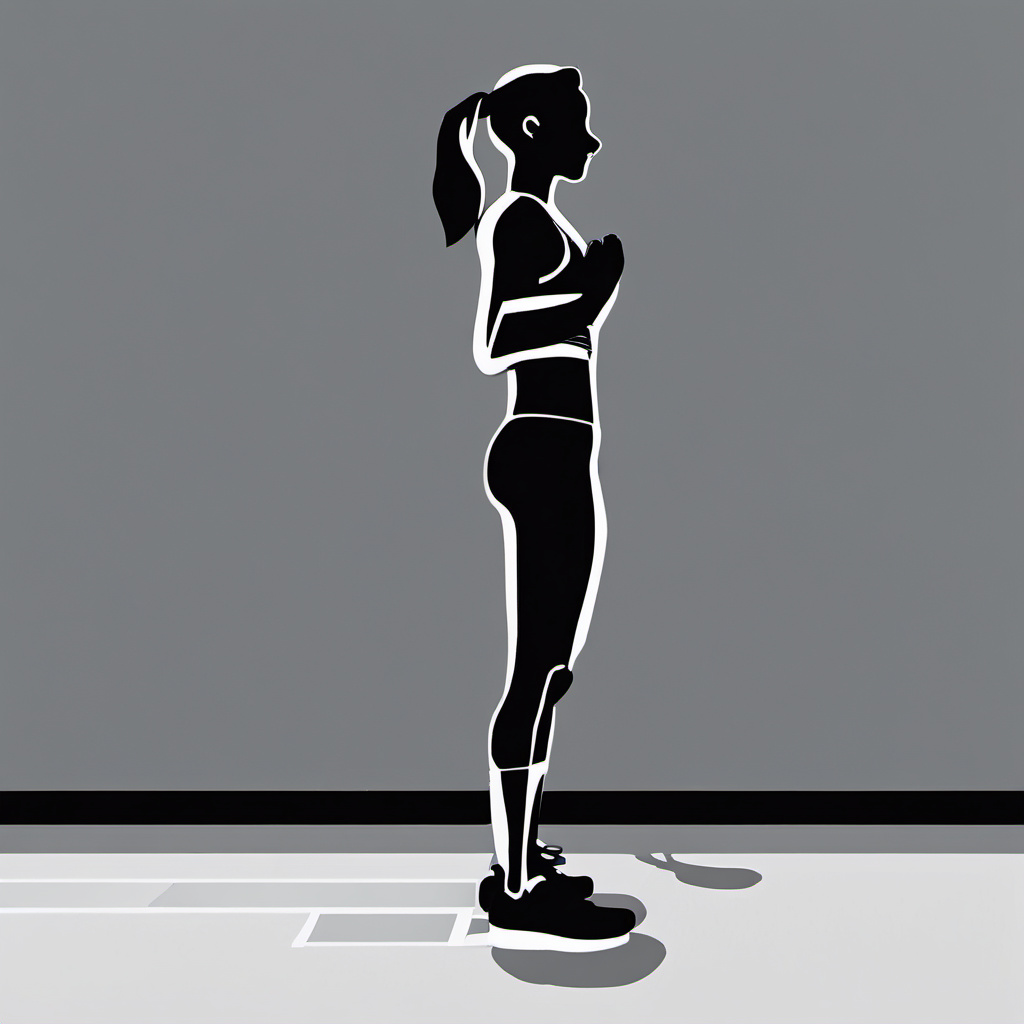
When life throws curveballs—injury, busy schedules, chronic pain, or simply a day when your body feels too stiff to move—the instinct to skip exercise can be strong. However, staying active is not just about hitting a gym routine; it’s about nurturing overall health through movement, mindset, and supportive habits. This article explores practical, evidence‑based strategies for staying healthy and maintaining fitness momentum even when traditional exercise isn’t possible. Whether you’re recovering from surgery, managing a flare‑up of arthritis, or navigating the demands of a new parent, you’ll find actionable guidance that adapts to your circumstances while honoring your body’s limits.
Key takeaways
- Incorporate micro-movements like seated marching or isometric holds to maintain circulation and muscle tone throughout the day.
- Prioritize nutrient-dense foods, specifically lean proteins and anti-inflammatory fats, to support recovery and preserve muscle mass.
- Use mind-body techniques such as diaphragmatic breathing and mental rehearsal to reduce stress and keep neural pathways active.
- Create an accessible movement space at home with simple tools like resistance bands to remove barriers to daily activity.
- Reframe fitness as a flexible continuum by setting process-oriented goals that focus on consistency rather than high-intensity performance.
Understanding the Barriers to Exercise
Before we dive into alternatives, it’s helpful to recognize why exercise might be off the table at the moment. Common barriers include:
- Physical injury or surgery: Strains, fractures, or post‑operative restrictions can make high‑impact activities risky.
- Chronic conditions: Asthma, diabetes, heart disease, and autoimmune disorders may require careful activity planning.
- Time constraints: Juggling work, family, and education can leave little room for a structured workout.
- Mental fatigue or burnout: Overtraining or stress can make the idea of moving feel overwhelming.
- Environmental factors: Extreme weather, lack of safe outdoor spaces, or limited access to equipment can be deterrents.
Identifying the specific reason for your inactivity helps tailor the best solution. It also reduces the guilt associated with “missing a workout” and shifts focus to sustainable, compassionate alternatives.
Alternative Movements for Limited Mobility
Even when you can’t run, lift, or spin, low‑impact movements can still stimulate circulation, maintain muscle tone, and support joint health.
Seated Cardio and Strength
Seated Marching: While sitting in a sturdy chair, alternate lifting each knee toward the ceiling, holding for a second before lowering. Aim for 30‑second intervals, repeating 5‑times. This mimics walking and elevates heart rate without stressing the hips or knees.
Resistance Band Hand Exercises: Loop a light band around your fingertips and perform wrist flexions and extensions. This keeps forearm muscles engaged and can be done while watching television.
Water‑Based Activities
If you have access to a pool or a warm bathtub, water offers natural resistance with minimal joint impact. Simple movements like:
- Water walking: March in chest‑deep water, pumping arms for cardio.
- Arm circles and leg kicks: Perform slow, controlled circles with arms and gentle kicks while standing in waist‑deep water.
These activities improve endurance and can be especially soothing for inflammatory conditions.
Flexibility and Mobility Drills
Even brief, gentle stretches can preserve range of motion and reduce stiffness. Try the following sequence, holding each stretch for 20‑30 seconds:
- Neck tilts and rotations.
- Shoulder rolls and arm crosses.
- Seated hamstring stretch (one leg extended, the other bent).
- Torso twists while seated.
Consistency, not intensity, is the goal here.
Mind‑Body Strategies When Physical Activity Is Limited
The mind plays a powerful role in perceived energy levels and recovery. Incorporating mind‑body techniques can improve mood, reduce stress, and even enhance muscular coordination when you do move.
Guided Breathing Exercises
Practicing diaphragmatic breathing for 5‑10 minutes can increase oxygen delivery to tissues and lower cortisol. Try the 4‑5‑4‑3 pattern: inhale for 4 seconds, hold for 5, exhale for 4, hold for 3, repeating.
Progressive Muscle Relaxation (PMR)
Systematically tensing and relaxing muscle groups helps release tension and can be done entirely while seated or lying down. Starting with toes, tense for 5 seconds, then release, moving upward through the body.
Visualization and Mental Rehearsal
Imagining a successful workout—or even a simple walk—can prime neural pathways, making the actual activity feel easier. Spend a few minutes each day picturing smooth movements and a sense of accomplishment.
Nutrition and Recovery: Fueling Your Body Without Exercise
Even on rest days, your body requires quality nutrients to repair, maintain muscle mass, and support immune function. Focus on a balanced macronutrient profile and anti‑inflammatory foods.
Protein for Muscle Preservation
Include lean protein at each meal: poultry, fish, eggs, Greek yogurt, legumes, and tofu. Aim for roughly 0.8‑1 gram per kilogram of body weight daily, adjusting upward if you’re recovering from significant muscle loss.
Complex Carbohydrates and Fiber
Whole grains, sweet potatoes, berries, and vegetables provide steady glucose for energy and promote gut health. Fiber also supports satiety, which can be helpful when activity levels drop.
Healthy Fats and Omega‑3
Avocados, nuts, seeds, and fatty fish deliver essential fatty acids that reduce inflammation and support cell membranes. A handful of walnuts or a serving of salmon a few times per week is ideal.
Hydration and Electrolytes
Water is the cornerstone of metabolism and nutrient transport. If you’re not sweating heavily, aim for 2‑3 liters daily, adjusting for climate and medication. Consider adding a pinch of sea salt or a potassium‑rich fruit like banana if you’re on a low‑sodium diet.
Sleep, Stress, and Hormonal Balance: The Hidden Workout Partners
Quality sleep and stress management are as critical as any physical training. Poor sleep can impair insulin sensitivity, increase cortisol, and hamper recovery, while chronic stress can trigger muscle breakdown.
Optimizing Sleep Hygiene
- Maintain a consistent bedtime and wake‑time, even on weekends.
- Create a dark, cool bedroom environment.
- Limit screen time at least 30 minutes before bed; opt for reading or gentle stretching instead.
- Consider a short, calming ritual—perhaps a warm shower and a cup of herbal tea.
Stress‑Reduction Techniques
Incorporate daily practices that lower cortisol: mindfulness meditation, journaling, gentle yoga (even if only seated), or listening to calming music. Even 5‑10 minutes can shift the nervous system from fight‑or‑flight to rest‑digest mode.
Hormonal Considerations
For those with endocrine conditions (e.g., hypothyroidism, PCOS), regular blood work and collaboration with a healthcare provider are essential. Certain hormones, like thyroid hormone, directly affect metabolism and energy levels, so adjustments may be needed during periods of reduced activity.
Social Support and Accountability: Staying Motivated Indoors
Human connection fuels motivation. Even when you’re confined, virtual communities and local support networks can keep you engaged.
Online Fitness Communities
Platforms like Instagram, Facebook groups, or Reddit’s r/fitness offer daily challenges, live classes, and peer encouragement. Join a group that aligns with your goals and schedule regular check‑ins.
Accountability Partners
Partner with a friend or family member for virtual check‑ins, shared meal planning, or collaborative meditation sessions. Setting mutual goals—such as both committing to a 10‑minute stretch routine three times a week—creates shared progress.
Professional Guidance via Telehealth
Physical therapists, nutritionists, and personal trainers now offer remote sessions. A virtual PT can design safe, personalized movement plans that respect injury constraints, while a nutritionist can fine‑tune your diet for optimal recovery.
Technology and Creative Solutions: Virtual Workouts and Home Resources
Technology has democratized access to high‑quality workouts that can be adapted to any space or ability level.
Streaming Fitness Classes
Services like Peloton, Apple Fitness+, or YouTube offer low‑impact classes (e.g., “Chair Cardio,” “Gentle Yoga for Beginners”). Choose a class that includes modifications for injuries or limited mobility.
Interactive Apps
Apps such as Stretchly remind you to stand and move, while mindfulness apps like Insight Timer provide guided breathing. For those needing gentle strength work, the “FitOn” app includes routines with chair alternatives.
Virtual Reality (VR) Exercise
VR platforms like Supernatural or FitXR enable immersive workouts that can be scaled in intensity. Some VR programs allow you to “walk” in a virtual garden, providing light cardio without impact.
DIY Home Equipment
Simple items—a filled water bottle, canned goods, or a sturdy backpack—can serve as resistance tools. For example, a backpack filled with books can provide shoulder and back engagement during seated rows.
Building a Flexible Fitness Mindset
Perhaps the most valuable skill you can develop is adaptability. A rigid mindset often leads to frustration when plans change. Embrace flexibility by:
- Reframing setbacks: View a missed workout as an opportunity to focus on recovery, nutrition, or mental health.
- Setting process‑oriented goals: Instead of “run 3 miles,” aim for “move for 15 minutes three times this week,” which is easier to achieve regardless of activity type.
- Practicing self‑compassion: Speak to yourself as you would a friend. Acknowledge effort, not outcome.
When you treat fitness as a continuum rather than a binary pass/fail, you’ll find sustainable ways to stay active even when traditional exercise isn’t possible.
Adaptive Daily Movement: Micro-Activity Integration Throughout the Day
When structured workouts are unavailable, the cumulative effect of small, intentional movements can maintain circulation, joint lubrication, and metabolic function. These micro-activities are particularly valuable during recovery from surgery, periods of chronic fatigue, or when environmental constraints limit formal exercise time. Consider embedding movement into routine tasks: while waiting for coffee to brew, perform seated calf raises or ankle circles to activate lower-leg muscles and promote venous return. During phone calls, stand and gently shift weight from foot to foot, engaging core stabilizers without overexertion. Even household chores like wiping countertops or organizing shelves can incorporate controlled reaching and twisting motions that preserve range of motion. For individuals with limited mobility due to injury, isometric holds—such as pressing palms together in a prayer position or gently pressing heels into the floor while seated—can activate muscle groups without joint movement. The key principle is frequency over intensity; aiming for brief bursts of activity every hour, even lasting only 30 seconds, can counteract the negative effects of prolonged sitting and support recovery. A physical therapist can help identify which micro-movements are safe and beneficial based on specific limitations, ensuring that these activities enhance rather than hinder healing progress.
Environmental Modifications: Creating Accessible Movement Spaces
Transforming living spaces into supportive environments for gentle movement can significantly impact consistency and confidence. Begin by clearing a dedicated area—no larger than a yoga mat—where mobility tools, resistance bands, or a stability ball are readily accessible. This designated zone removes the barrier of searching for equipment and encourages spontaneous movement breaks. For those with balance concerns or joint instability, installing grab bars near seating areas or along walkways provides security during standing exercises. Adjust furniture height to accommodate seated workouts; a sturdy dining chair with armrests offers better support for upper-body strengthening compared to a couch. Lighting is another often-overlooked factor; ensuring adequate illumination reduces fall risk and allows clear visibility of movement form during low-light mornings or evenings. Consider placing a mirror in the movement space to enable real-time posture feedback, which is especially helpful when practicing alignment-based activities like seated spinal twists or shoulder blade squeezes. For apartment dwellers or those with noise-sensitive neighbors, selecting quiet equipment such as resistance bands or foam rollers minimizes disruption while maintaining therapeutic benefit. Additionally, temperature control matters—keeping the room slightly warmer than usual can relax muscles and make stretching more comfortable, particularly for individuals with arthritis or circulation issues. These environmental adaptations create a foundation that supports long-term adherence to movement routines, even when motivation fluctuates or external stressors arise.
Seasonal Adaptation Strategies
Movement accessibility varies significantly with weather and season, requiring proactive adjustments to maintain consistency year-round. During winter months when outdoor activity is limited by cold or snow, focus on indoor alternatives such as stair climbing (if safe), basement or hallway walking, or snow-shoveling simulation exercises using resistance bands to mimic the motion pattern. Conversely, summer heat waves may necessitate shifting outdoor routines to early morning or evening hours, emphasizing hydration and choosing shaded areas for any outdoor movement. For individuals experiencing seasonal affective disorder (SAD), incorporating light therapy into morning movement sessions can boost mood and energy levels, enhancing motivation for physical activity. In regions prone to seasonal allergies, timing outdoor activities during low-pollen periods—such as after rainfall or in the late afternoon—can reduce respiratory irritation and improve comfort during movement. Portable equipment like jump ropes (for those without joint concerns) or collapsible resistance bands allows for continued activity during travel or temporary stays in spaces without dedicated fitness areas. Adapting movement strategies to seasonal changes ensures that environmental factors become facilitators rather than barriers to maintaining physical activity levels.
Cognitive Engagement and Motor Control During Inactivity
Mental engagement plays a crucial role in preserving neuromuscular coordination and cognitive function when physical activity is restricted. Activities that challenge the brain while requiring minimal movement can help maintain neural pathways associated with motor planning and execution. For example, practicing fine motor skills through puzzles, drawing, or playing musical instruments engages cortical regions involved in movement control, potentially reducing the rate of muscle memory loss during extended rest periods. Dual-task training—combining cognitive challenges with simple physical movements—can also enhance executive function and balance. While seated, try counting backwards from 100 by sevens while performing gentle shoulder rolls, or recite the days of the week in reverse order while lifting arms overhead. These activities stimulate multiple brain regions simultaneously, promoting neuroplasticity and cognitive resilience. For individuals recovering from neurological injuries such as stroke, working with an occupational therapist to incorporate cognitive-motor integration exercises can accelerate rehabilitation outcomes by reinforcing the connection between mental intention and physical action. Additionally, engaging in virtual reality games that require strategic thinking and precise hand movements can provide both cognitive stimulation and subtle physical engagement, making recovery more dynamic and interactive. Maintaining cognitive engagement during periods of reduced physical activity supports overall brain health and facilitates a smoother transition back to more demanding movement patterns when circumstances allow.
Community-Based Resources and Peer-Led Support Systems
Beyond online platforms, local community resources offer structured yet adaptable opportunities for maintaining activity levels when traditional exercise is not feasible. Senior centers, community colleges, and public libraries often host low-impact fitness classes specifically designed for individuals with mobility limitations or chronic conditions. These programs typically include chair yoga, tai chi adaptations, or gentle strength training using household items, making them accessible regardless of fitness background or equipment availability. Many communities also feature volunteer-driven initiatives such as walking groups for seniors, adaptive sports leagues, or therapeutic recreation programs that cater to individuals with disabilities or recovering from illness. Partnering with local healthcare systems, some hospitals offer outpatient wellness programs that combine education, peer support, and modified physical activity under professional supervision. These group settings provide social interaction, accountability, and motivation, which are critical factors in sustaining long-term health behaviors. Furthermore, faith-based organizations frequently organize health ministries that include blood pressure screenings, nutrition workshops, and informal movement circles led by trained volunteers. Connecting with these community-based resources creates a network of support that extends beyond individual effort, fostering a sense of belonging and shared purpose in pursuing health goals. Exploring local offerings ensures that physical activity remains a social and inclusive experience, even when personal circumstances limit solo exercise options.
Frequently Asked Questions
Q1: Can I still improve cardiovascular health without traditional cardio workouts?
A1: Yes. Low‑impact activities like seated marching, gentle water walking, and deep breathing increase heart rate and improve vascular elasticity. Consistency matters more than intensity.
Q2: Is it safe to skip exercise entirely while recovering from surgery?
A2: It depends on the procedure and surgeon’s guidance. However, even minimal movement—such as ankle pumps, deep breathing, and light range‑of‑motion exercises—helps prevent blood clots and muscle atrophy. Always follow medical advice.
Q3: How does nutrition compensate for lack of exercise?
A3: Nutrition supports metabolic health, muscle preservation, and recovery. Prioritizing protein, complex carbs, healthy fats, and hydration ensures your body maintains lean tissue and energy levels even with reduced activity.
Q4: What are effective ways to stay motivated when I can’t work out?
A4: Join online communities, set process‑oriented goals, schedule virtual check‑ins with a partner, and celebrate small wins. Tracking progress via a journal or app can also reinforce positive habits.
Q5: Can mental exercises replace physical ones for overall health?
A5: Mental exercises like meditation, visualization, and cognitive puzzles improve brain health and stress management, which are integral to overall wellness. However, they complement rather than replace physical movement, which is essential for cardiovascular, musculoskeletal, and metabolic health.
By broadening your definition of “exercise” and incorporating these holistic strategies, you can maintain health, foster resilience, and keep moving forward—even on days when a traditional workout isn’t an option.
Related posts:
 Kate Hudson’s Latest Obsession: The High-Energy Workout Called PloyoJam
 Quick Cardio Fix: Tracy Anderson’s 7-Minute Heart-Pumping Workout Video
 This Full-Body Resistance Band Workout Will Transform Your Home Gym
 PHA Bodyweight Workout: Efficient Fitness Anywhere, Anytime
 How to Change Your Fitness Routine to Avoid Plateau
 Understanding Gym Equipment
 Exercise and Dementia Prevention
 15-Minute No-Equipment HIIT