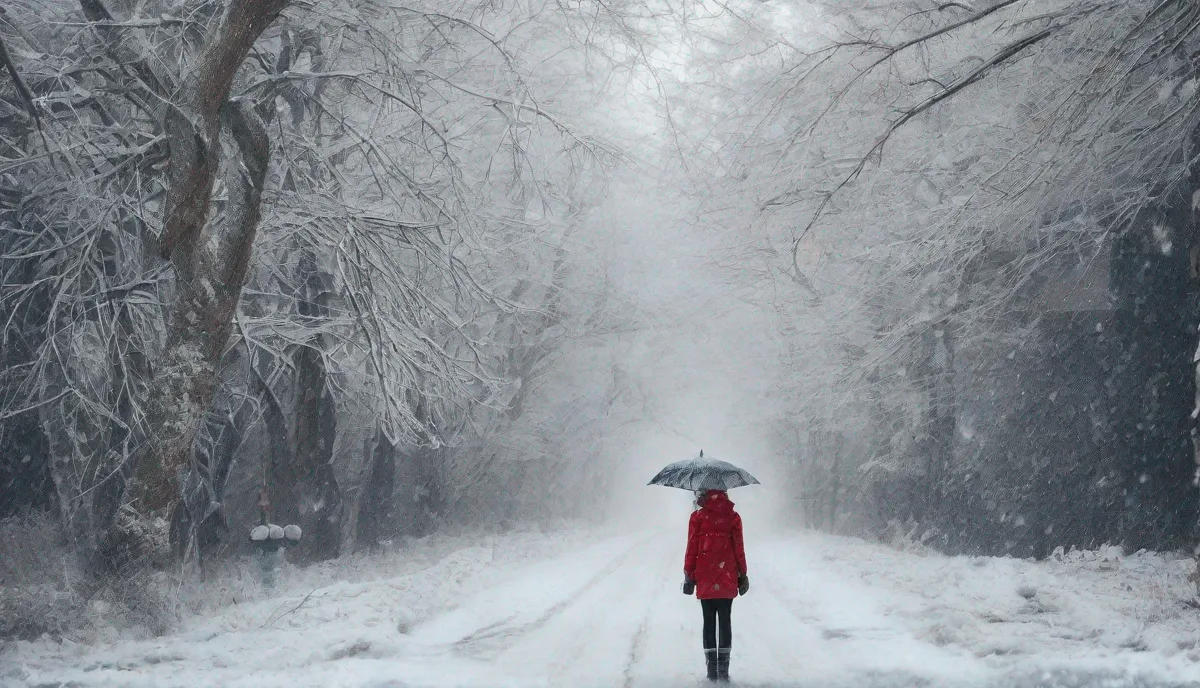
As the cold months drag on, it’s common to feel a bit stir-crazy or downhearted, wondering if the frosty days will ever give way to spring’s warmth. If you’re grappling with the winter blues and are in dire need of a morale boost, this article is for you. Here are some effective strategies to help you cope with the seemingly endless winter.
Embrace Indoor Activities
When the weather outside is frightful, it’s the perfect time to explore indoor hobbies. Whether it’s cooking, reading, or arts and crafts, immersing yourself in activities you enjoy can make the hours fly by and give you something to look forward to each day.
Stay Active
Exercise releases endorphins, which have mood-lifting properties. Just because it’s cold outside doesn’t mean you can’t stay active. Home workouts, yoga, or even dancing around your living room can help keep your spirits up.
Plan Your Future Garden
Nothing screams ‘spring’ like the thought of vibrant flowers and fresh produce. Planning your future garden can be a delightful way to remind yourself that winter is only temporary. Research plants, sketch garden layouts, and maybe start some seedlings indoors.
Connect with Friends and Family
Social interaction is crucial for maintaining good mental health. Organize virtual hangouts or safely distanced meet-ups to stay connected. Sharing your feelings with others can also remind you that you’re not alone in your winter woes.
Pamper Yourself
Self-care is essential, especially when you’re feeling down. Treat yourself to a spa day at home, take long baths, or indulge in your favorite treats. Self-pampering can provide a much-needed comfort during the cold months.
Harnessing the Science of Light and Circadian Rhythms
When the sun sets at 4:00 PM and the sky remains a stubborn shade of pewter for weeks on end, your biological clock can become severely desynchronized. This isn’t just a matter of feeling “gloomy”; it is a physiological response to the lack of full-spectrum light, which regulates the production of serotonin and melatonin. To counteract this, consider the strategic use of light therapy. A 10,000-lux light box, often referred to as a SAD lamp, can mimic the intensity of outdoor light that is missing during the winter months. For the best results, aim for 20 to 30 minutes of exposure within the first hour of waking up. Position the lamp about 16 to 24 inches from your face, but do not look directly into it; instead, let the light bathe your retina while you eat breakfast or check emails.
Beyond specialized lamps, maximizing natural light is an edge case many overlook. Even on an overcast day, the outdoor lux levels are significantly higher than typical indoor lighting. Try to spend at least 15 minutes outside before noon, even if the sun isn’t visible. Inside the home, you can optimize your environment by swapping heavy, dark drapes for sheer fabrics and placing mirrors opposite windows to bounce what little light exists deeper into the room. If you find yourself struggling with morning grogginess, a dawn simulator—an alarm clock that gradually brightens to wake you up with a simulated sunrise—can help reset your cortisol awakening response, making it easier to climb out from under the covers when the house is still dark and cold.
Nutritional Strategies to Combat Seasonal Sluggishness
While the existing advice to indulge in treats offers temporary comfort, a long-term strategy for enduring a late-stage winter requires a more nuanced approach to nutrition. During the colder months, many people experience a natural dip in Vitamin D levels because the sun’s angle prevents the atmosphere from filtering enough UVB rays for our skin to synthesize the nutrient. Low Vitamin D is frequently linked to fatigue and low mood. Consult with a healthcare professional about testing your levels and potentially starting a supplement regimen. In the kitchen, focus on foods rich in Omega-3 fatty acids, such as salmon, walnuts, and flaxseeds, which have been shown to support brain health and emotional stability during periods of stress.
It is also helpful to lean into the concept of “slow food” as a meditative practice. While quick comfort snacks provide a spike in blood sugar followed by a crash, complex carbohydrates like steel-cut oats, sweet potatoes, and lentils provide a steady stream of energy. This is the ideal season to experiment with fermentation; making your own sauerkraut or kombucha introduces beneficial probiotics to your gut microbiome, which is increasingly recognized as a key player in mood regulation. For those who struggle with the “afternoon slump,” try replacing a third cup of coffee with herbal infusions like ginger or peppermint. These provide a sensory lift and hydration without the jittery interference that can ruin your sleep hygiene later in the evening.
The Psychological Shift: Adopting a “Wintering” Mindset
Much of the frustration we feel in late February or March comes from the cognitive dissonance of wanting spring to arrive while still being stuck in winter’s grip. Shifting your perspective from “enduring” to “wintering” can be transformative. The concept of wintering, popularized by authors like Katherine May, suggests that winter is not a season to be conquered, but a necessary period of dormancy and reflection. Just as trees pull their sap into their roots to survive the frost, humans can use this time for internal consolidation. Instead of fighting the urge to slow down, allow yourself to lean into it. This is a time for “low-energy productivity”—tasks that require focus but not physical exertion, such as organizing digital photo archives or finally finishing that 1,000-piece puzzle.
Practicing radical acceptance is another psychological tool for the late-winter blues. This involves acknowledging the cold and the gray without attaching a negative judgment to them. When you catch yourself thinking, “I can’t stand another day of this,” try reframing it to, “It is currently cold, and I am safe and warm inside.” This subtle shift reduces the emotional friction of the season. Additionally, consider the Scandinavian concept of *friluftsliv*, or “open-air life.” It’s the idea that being outdoors is a spiritual necessity, regardless of the temperature. By deciding that the weather is a neutral backdrop rather than an enemy, you reclaim your agency. If you feel stuck, try a “micro-adventure”: a short, intentional walk in a local park you’ve never visited, focusing entirely on the sounds of the wind or the crunch of frozen ground beneath your boots.
Practical Home Alchemy: Transforming Your Space into a Sanctuary
If you have been staring at the same four walls for months, your environment can start to feel like a cage. You don’t need a full renovation to change the energy of your home; small, tactile adjustments can make a significant difference. Start by addressing the “thermal comfort” of your living space. This goes beyond just turning up the thermostat. Use draft stoppers at the base of doors and apply clear insulating film to windows to eliminate the subtle chills that keep your body in a state of low-level tension. Layering textures—think wool throws, velvet cushions, and faux-fur rugs—creates a sensory richness that makes a room feel intentional rather than just “indoors.”
Scent is another powerful but underutilized tool for altering your mood. During the winter, our olfactory environment often becomes stagnant. Use a diffuser with essential oils like cedarwood, orange, or eucalyptus to bring a sense of the outdoors inside. Alternatively, the simple act of simmering a “stovepipe potpourri”—a pot of water with cinnamon sticks, apple slices, and cloves—can fill the entire house with a warm, nostalgic aroma that offsets the sterile smell of recycled furnace air. If you are feeling particularly claustrophobic, try a “furniture rotation.” Moving your favorite reading chair closer to a window or rearranging the layout of your bedroom can provide a fresh perspective and trick the brain into feeling like it is in a new environment, breaking the monotony of the long season.
Braving the Elements: The Gear and Philosophy of Outdoor Resilience
The feeling that winter will never end is often exacerbated by a self-imposed house arrest. While the existing article mentions staying active indoors, there is a distinct psychological benefit to actually mastering the cold. The key to this is the “three-layer system” used by outdoor professionals. Start with a moisture-wicking base layer (merino wool is ideal) to keep sweat away from your skin. Add an insulating middle layer like fleece or down to trap heat, and finish with a windproof and waterproof shell. When you are properly dressed, the “frightful” weather becomes a manageable environment rather than a threat. This allows you to engage in “active commuting” or long weekend hikes that clear the mental cobwebs in a way that a living room workout cannot.
Safety is a common concern that keeps people indoors, but modern gear has solved many of these issues. If icy sidewalks are your deterrent, invest in a pair of traction cleats that slip over your shoes; they provide incredible stability on frozen surfaces. For those who find the darkness of winter walks intimidating, high-lumen headlamps or reflective vests can turn a night stroll into a safe and even magical experience. There is a certain quiet beauty in a neighborhood covered in snow at night that most people miss. By conquering the logistics of the cold, you prove to yourself that you are not a victim of the season, which provides a massive boost to your self-efficacy and overall morale.
Intellectual Deep Dives and the Joy of “Slow Learning”
Winter provides a unique opportunity for intellectual depth that the frenetic energy of summer rarely allows. This is the season for “the big project”—something that requires sustained concentration over several weeks. Instead of scrolling through short-form videos, consider picking a complex subject you’ve always been curious about and doing a deep dive. This could mean reading a multi-volume biography, learning the basics of a new language via an intensive app-based course, or mastering a difficult technical skill like photo editing or coding. The goal is to achieve a state of “flow,” where you become so engrossed in the task that time seems to disappear. This is a highly effective antidote to the “day-counting” obsession that often characterizes the end of winter.
Edge cases for this approach include people with limited free time, such as parents or busy professionals. In these instances, “micro-learning” can be just as effective. Dedicate just 15 minutes a day to a specific topic. Over the course of a long winter, those 15-minute blocks accumulate into dozens of hours of progress. You might also consider joining a virtual book club or a specialized online forum where you can discuss your progress with others. This adds a layer of social accountability and intellectual stimulation that keeps the mind sharp. When spring finally arrives, you won’t just feel like you “survived” the winter; you’ll feel like you’ve grown, emerging with a new set of skills or a broader understanding of the world.
Proactive Life Audits and Long-Horizon Planning
While the existing article suggests planning a garden, you can expand this logic to every area of your life. Use the stillness of late winter to conduct a thorough “life audit.” This involves looking at your finances, your career trajectory, and your personal habits with a critical but kind eye. Review your subscriptions and cancel the ones you don’t use; look at your savings goals and adjust your budget for the coming year. Because the world outside is quiet, you have the mental bandwidth to tackle these administrative tasks that often feel overwhelming during the busy spring and summer months.
Furthermore, engage in “anticipatory travel planning.” Studies show that the act of planning a trip can provide as much happiness as the trip itself. Research destinations, compare flight prices, and create detailed itineraries for a summer getaway or a fall retreat. This creates a “mental bridge” to the future, reminding you that the current weather is a temporary state. If a major trip isn’t in the cards, plan a series of local “daycations” for when the weather breaks. Having a calendar filled with specific dates and activities gives you a concrete timeline to look forward to. By the time the first crocuses start to poke through the snow, you will have a clear roadmap for the rest of your year, ensuring that you hit the ground running as soon as the frost thaws.
FAQ
- How can I stay active when it’s too cold to go outside?
- Consider indoor exercises such as home workout videos, yoga, or even simple stretching routines to keep your body moving.
- What are some indoor hobbies I can start during the winter?
- Indoor gardening, cooking, knitting, painting, and reading are great hobbies to pick up during the colder months.
- Can planning a garden really help with winter blues?
- Yes, planning a garden can give you a sense of hope and something to look forward to, which can be very uplifting.
- How can I connect with people safely during the winter?
- Virtual events, online classes, or safely distanced outdoor gatherings are good ways to maintain social connections.
- What are some self-care ideas for the winter?
- Enjoying a cozy night in with a good book, experimenting with new cooking recipes, or having a home spa day are excellent self-care activities.
Related posts:
 Rose Crystal Garden in NYC
 Essential Tips for Better Garden Health
 Winter Gardening Tips: Keep Your Green Thumb Thriving Year-Round
 Winter Aesthetic
 The Best Cold Brew Coffee Makers for a Refreshing Drink
 Winter Walking Strategies to Hit Your Daily Steps
 Stress-Free NYC: Hidden Havens Where Manhattan Melts Away
 How to Create an Indoor Herb Garden for Fresh Flavors Year-Round