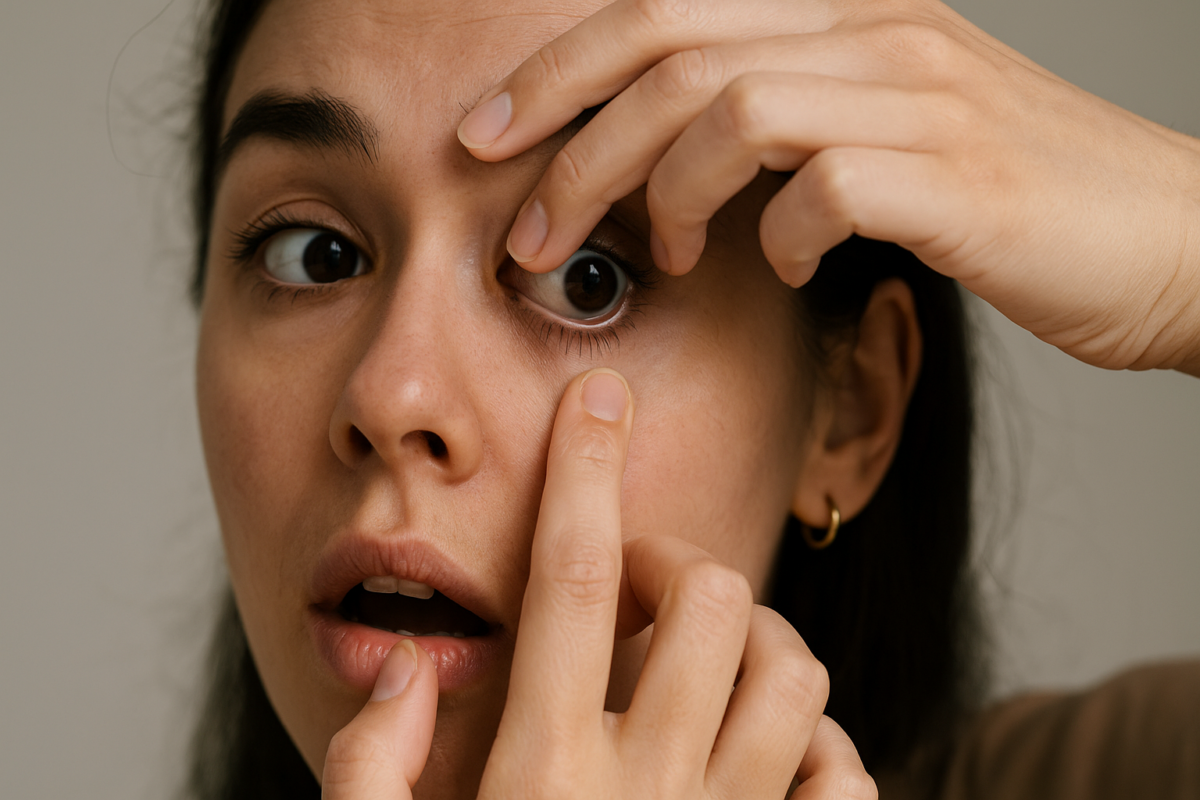
When something gets stuck in your eye, the immediate reaction is often panic or frantic attempts to remove it yourself. This is understandableu2014the eye is one of the most sensitive areas of the body, and any foreign object can cause significant discomfort. However, the way you respond in those first moments can make a big difference in preventing injury and promoting healing. According to optometrists, there are specific steps you should follow depending on the type of object involved and the severity of the situation. Understanding these guidelines not only helps you react more effectively in the moment but also prepares you to make informed decisions about when to seek professional care. In this article, weu2019ll walk through what to do when something gets stuck in your eye, covering everything from common irritants like dust to more serious concerns like chemical splashes or embedded objects. By the end, youu2019ll have a clear understanding of how to protect your vision and when itu2019s time to call in an expert.
Understanding How Foreign Objects Affect the Eye
The eye is protected by several natural defenses, including tears, eyelashes, and the blink reflex. These mechanisms help flush out small particles and prevent larger ones from making contact with the cornea, which is the clear front surface of the eye responsible for focusing vision. When a foreign object does come into contact with the eye, it can cause a range of symptoms depending on the size, shape, and composition of the object. Minor irritation from dust or debris typically results in tearing, redness, and a feeling that something is still in the eye even after the object has been removed. Larger or sharper objects can scratch the cornea, leading to pain, blurred vision, and increased sensitivity to light. In some cases, objects may become embedded in the eye or its surrounding tissues, which requires immediate medical attention. Recognizing the difference between a simple irritation and a more serious injury is crucial for determining the appropriate course of action.
Immediate Steps to Take When Something Gets in Your Eye
If you suspect that something has gotten into your eye, the first thing you should do is avoid rubbing it. Rubbing can push the object deeper into the eye or cause additional damage to the cornea. Instead, begin by washing your hands thoroughly with soap and water to reduce the risk of introducing bacteria. Once your hands are clean, tilt your head back slightly and use clean water or saline solution to rinse the affected eye. You can do this by gently pouring the liquid over the eye or using a clean cloth to dab around the area. For particles that are visible on the surface of the eye, you may be able to remove them using a clean finger or a piece of tissue. Gently pull the upper eyelid over the lower lid and look downward to help dislodge the object. If the object does not come out easily, stop trying to remove it and seek medical attention.p>
When to Use Water or Saline Rinses
Rinsing the eye with water or saline is one of the most effective ways to remove small particles and irritants. If you are at home or in a location where clean water is available, use lukewarm tap water to flush the eye for at least 15 minutes. If saline solution is available, it is generally preferred because it is isotonic and less likely to cause irritation. To perform the rinse properly, tilt your head back and allow the water or saline to flow from the inner corner of the eye outward. This helps carry the foreign object away from the eye rather than pushing it further in. You can use a clean cup, syringe, or even a gentle stream from the faucet. If you are rinsing someone elseu2019s eye, make sure they are comfortable and keep their head steady while you pour the liquid. After rinsing, check if the object has been removed and monitor for any remaining irritation.
Dealing with Visible Particles on the Eye Surface
Sometimes, a foreign object will be clearly visible on the surface of the eye or on the eyelid. In these cases, there are safe methods for removing it without causing further harm. First, make sure your hands are clean and wet a clean finger or a small piece of gauze with saline or water. Gently touch the object to see if it moves. If it does, you may be able to coax it toward the edge of the eye where it can be flushed out with more rinsing. If the object is on the eyelid, you can try to remove it by pulling the lid away from the eye and using a clean cloth to wipe it off. Be very careful not to press on the eyeball itself. For contact lens wearers, it is important to remove the lens before attempting to remove any foreign objects, as the lens can trap particles underneath it and make removal more difficult.
Handling Chemical Exposures
Exposure to chemicals is one of the most dangerous situations involving the eye, and immediate action is critical. If a chemical comes into contact with the eye, the most important step is to flush it out with copious amounts of water for at least 15 to 20 minutes. This should be done even if the chemical is labeled as harmless, as many substances can cause severe irritation or damage. While rinsing, hold the eyelids open to ensure that water reaches all parts of the eye. If possible, use a gentle stream of water from a showerhead or faucet, or use a saline solution if available. It is important to continue rinsing until the chemical is completely diluted and no longer causes a burning sensation. After rinsing, seek medical attention immediately, even if symptoms improve. Some chemicals can cause delayed damage that is not immediately apparent.
What to Do If an Object Is Embedded in the Eye
If an object has become embedded in the eye, whether it is a piece of glass, metal, or another sharp substance, do not attempt to remove it yourself. Trying to extract the object can cause more damage, including tearing of the cornea, lens, or retina. Instead, cover the eye with a rigid shield or the palm of your hand to prevent accidental contact with the object. Do not apply pressure to the eye, as this can push the object deeper into the eye. If the person is wearing contact lenses, remove them if possible, as they can interfere with medical treatment. Seek emergency medical care right away. During transport to the hospital, keep the person calm and still, and avoid moving them unnecessarily. Medical professionals have the tools and expertise to safely remove embedded objects and assess any damage that may have occurred.
Aftercare and Monitoring for Complications
After a foreign object has been removed from the eye, whether by yourself or by a healthcare professional, it is important to monitor for signs of complications. These may include persistent redness, pain, blurred vision, sensitivity to light, or the sensation that something is still in the eye. If any of these symptoms occur, it is a sign that the eye may have been injured or that a piece of the object remains. Over-the-counter artificial tears or lubricating drops can help soothe dryness and irritation, but they should not be used if you suspect a corneal abrasion or other serious injury. In most cases, minor irritation will resolve on its own within a day or two. However, if symptoms worsen or do not improve, it is important to consult an eye care professional for a proper examination and treatment.
Preventing Future Eye Injuries
While it is not always possible to prevent foreign objects from entering the eye, there are steps you can take to reduce the risk. When working with tools, chemicals, or performing tasks that generate dust or debris, wearing safety goggles or a face shield can provide effective protection. In dusty environments, keeping windows and doors closed can help minimize the amount of airborne particles. For those who wear contact lenses, it is important to follow proper hygiene practices and replace them according to the recommended schedule. Regular eye exams can also help identify any underlying conditions that may make the eyes more susceptible to injury. Additionally, being mindful of your surroundings and avoiding rubbing your eyes with unwashed hands can significantly reduce the chances of introducing harmful substances into the eye.
FAQ: What to Do When Something Gets Stuck in Your Eye
Is it safe to remove a foreign object from the eye on my own?
It depends on the type and location of the object. Small particles that are visible on the surface of the eye or on the eyelid can often be removed safely using clean hands and a gentle rinse. However, if the object is embedded in the eye, if it is sharp or large, or if you are unsure of its location, it is best to avoid touching it and seek professional help. Attempting to remove an embedded object can cause more harm than good, potentially leading to corneal scratches, infections, or permanent vision loss. When in doubt, consult an optometrist or go to an urgent care center for evaluation.
How long should I rinse my eye if something gets in it?
For most foreign objects, rinsing the eye with clean water or saline for at least 15 minutes is recommended. This helps flush out particles and dilutes any irritants that may be present. In the case of chemical exposure, the American Academy of Ophthalmology advises rinsing for at least 15 to 20 minutes or until the chemical is completely washed away. It is important to continue rinsing even if the initial irritation begins to subside, as some substances can cause delayed damage. If symptoms persist after rinsing, it is important to seek medical attention.
Can I use regular tap water to rinse my eye?
In an emergency, using clean tap water is generally safe for rinsing the eye. While saline solution is preferred because it matches the natural salt content of tears and is less irritating, tap water is better than nothing when no other options are available. Make sure the water is lukewarm and free of visible particles. If you are in a situation where clean water is not readily available, bottled water or sterile saline packets can be used as alternatives. However, it is important to note that using tap water carries a small risk of introducing bacteria or other contaminants, so it should only be used in urgent situations.
What are the warning signs that I need to see a doctor after something gets in my eye?
You should see a doctor if you experience persistent pain, severe redness, blurred vision, or continued sensitivity to light after removing a foreign object. Other warning signs include the sensation that something is still in the eye, excessive tearing, or visible damage to the eye or surrounding tissues. If a chemical has come into contact with the eye, you should seek medical attention immediately, even if symptoms improve after rinsing. Similarly, if an object is embedded in the eye or if there is significant trauma to the area, emergency care is necessary. An eye care professional can perform a thorough examination, check for complications such as corneal abrasions or infections, and provide appropriate treatment.
Are there any home remedies I should avoid when something is in my eye?
Yes, there are several home remedies that should be avoided. Rubbing the eye is one of the most common but dangerous responses, as it can push the object deeper or scratch the cornea. Using cotton swabs, fingers, or other objects to dig out particles can also increase the risk of injury. Additionally, applying ointments or drops without medical advice can worsen irritation or mask important symptoms. Some people try using milk or other household liquids to rinse the eye, but these substances can introduce bacteria or cause further irritation. The safest approach is to rinse the eye with clean water or saline and to seek professional care if symptoms do not improve or if the object cannot be safely removed.
Related posts:
 Airplane Vent Germ Prevention
 Why Beauty Experts Are Using Eye Cream on Their Entire Face
 Eye Contact Communication Tips
 How to Fly Safely After Lifted Mask Mandate
 The Fascinating Psychology Behind Why We Name Our Possessions
 55. The Power of Transitional Objects
 How to Safely Remove Eyelash Extensions at Home
 Origins GinZing Eye Cream Review