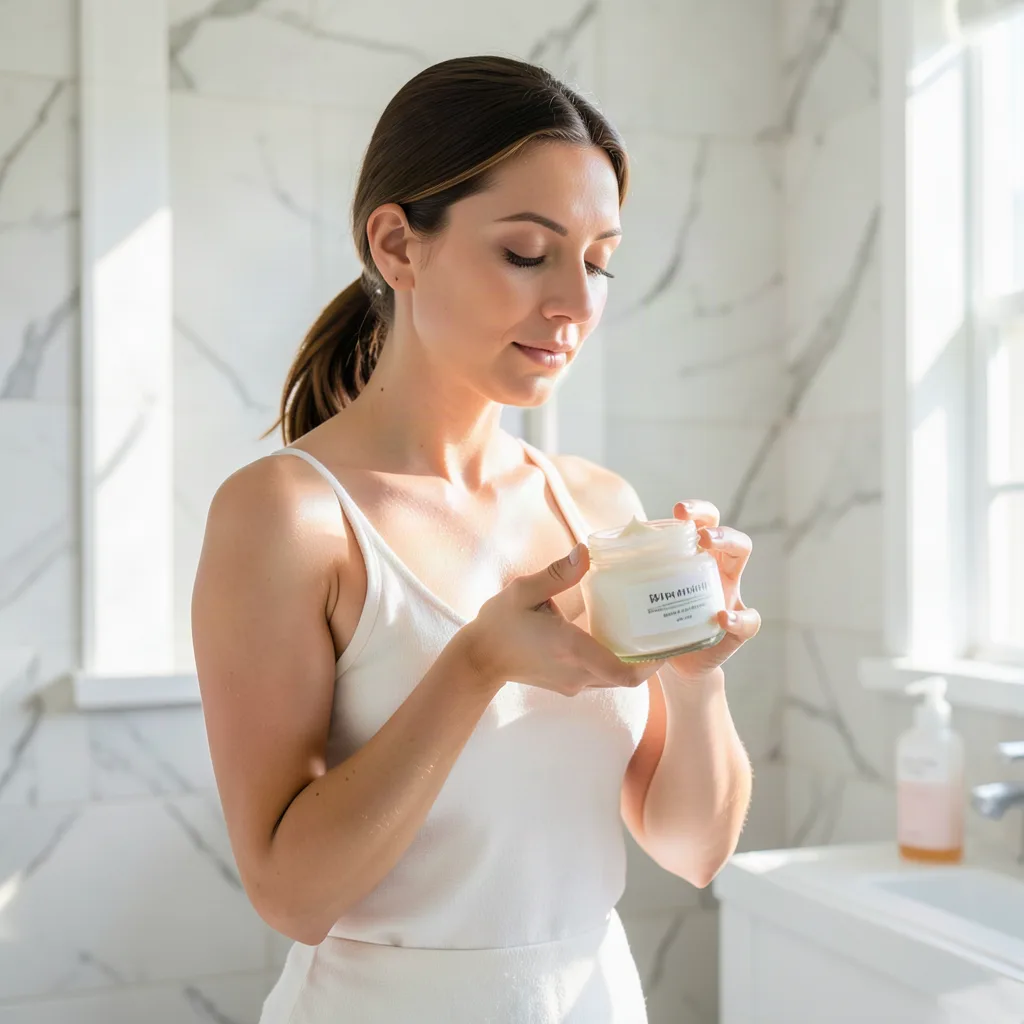
The skincare aisle can feel overwhelming, with products ranging from a few dollars to several hundred. While expensive doesn’t always mean better, certain high-end skincare products genuinely deliver results that justify their price tags. Understanding when to invest in premium formulations and when to save your money helps you build an effective routine without breaking the bank.
Key takeaways
- Prioritize spending on active ingredients like vitamin C and retinoids, which require stable, high-quality formulations to remain effective.
- Save money on cleansers and basic moisturizers, as affordable versions often contain the same effective hydrating and cleaning agents.
- Invest in premium sunscreens if the improved texture and cosmetic elegance encourage you to maintain consistent daily application.
- Look for airless pump packaging and opaque bottles for active serums to prevent ingredient oxidation and maintain product potency.
- Avoid overpaying for elaborate packaging, celebrity branding, or exotic ingredients that lack clinical evidence for skin health benefits.
Smart skincare spending isn’t about choosing the most expensive option every time—it’s about recognizing which products benefit from superior ingredients, advanced formulations, and proven efficacy. This guide will help you make informed decisions about where to allocate your skincare budget for the best possible results.
Active Ingredients That Warrant the Investment
When it comes to active ingredients like retinoids, vitamin C serums, and peptide complexes, quality matters significantly. Premium formulations often use more stable, bioavailable forms of these ingredients that penetrate skin more effectively.
High-end vitamin C serums typically use L-ascorbic acid in carefully pH-balanced formulations with protective packaging that prevents oxidation. Drugstore alternatives often oxidize quickly, turning brown and losing potency before you finish the bottle. Similarly, prescription-strength retinoids and their cosmetic counterparts in luxury lines undergo extensive stability testing and use delivery systems that minimize irritation while maximizing results.
Peptide serums represent another category where investment pays off. Quality peptide products contain multiple types of peptides at effective concentrations, often combined with growth factors and other supportive ingredients. The research, development, and raw material costs for these complex formulations justify higher price points.
When shopping for active-ingredient products, look for brands that publish clinical studies, use airless pump packaging, and clearly state the percentage and form of active ingredients. These indicators suggest you’re paying for efficacy, not just marketing.
Sunscreen: Where Quality Meets Daily Protection
While effective sunscreens exist at every price point, premium options often provide superior cosmetic elegance that encourages consistent daily use—and consistency is what actually protects your skin.
Higher-end sunscreens typically feel lighter, blend seamlessly under makeup, and don’t leave a white cast or greasy residue. They often combine newer-generation UV filters approved in other countries but not yet available in budget formulations in some markets. These advanced filters provide broad-spectrum protection with more elegant textures.
If you have specific concerns like melasma, rosacea, or post-inflammatory hyperpigmentation, investing in a mineral sunscreen with iron oxides can provide additional protection against visible light that triggers pigmentation. These specialized formulations cost more but offer benefits beyond basic UV protection.
That said, the best sunscreen is the one you’ll actually wear every day. If a less expensive option feels comfortable and you use it consistently, it’s a better investment than a luxury product that sits unused because the texture bothers you.
Targeted Treatments for Specific Concerns
When addressing particular skin issues—stubborn hyperpigmentation, deep wrinkles, loss of firmness, or persistent acne—specialized treatments often justify their premium prices through concentrated active ingredients and proprietary technologies.
Professional-grade chemical exfoliants and brightening treatments contain higher concentrations of acids and melanin-inhibiting ingredients than over-the-counter alternatives. Products designed to target specific concerns like under-eye bags or neck aging often include unique ingredient combinations that aren’t available in multi-purpose products.
Eye creams represent a controversial category, but if you struggle with specific eye-area concerns beyond basic hydration—such as significant dark circles, puffiness, or crepey texture—targeted treatments with caffeine, peptides, light-reflecting particles, or firming agents can deliver visible improvements.
Before investing in expensive targeted treatments, ensure you have your basics covered: a good cleanser, moisturizer, and sunscreen. Targeted treatments work best when your foundational routine supports overall skin health.
When To Save: Cleansers and Basic Moisturizers
Cleansers wash down the drain after brief contact with your skin, making them poor candidates for luxury spending unless you have very specific needs. A gentle, effective cleanser can be found at any price point, and expensive cleansers rarely outperform their affordable counterparts.
Look for cleansers that remove makeup and sunscreen without stripping your skin, regardless of price. Ingredients like gentle surfactants, glycerin, and ceramides work the same way whether they’re in a $10 or $100 bottle. Save your budget for leave-on products that remain on your skin long enough to deliver benefits.
Basic moisturizers also offer diminishing returns at luxury price points. Simple, fragrance-free moisturizers with proven ingredients like hyaluronic acid, ceramides, niacinamide, and emollients effectively hydrate and support the skin barrier at modest prices. Unless you need specific actives in your moisturizer or have very reactive skin that responds only to particular formulations, mid-range options typically perform excellently.
The exception might be if you prefer an all-in-one approach and want your moisturizer to contain multiple active ingredients. In this case, a higher-end option combining hydration with anti-aging actives might streamline your routine and justify the cost.
Professional-Grade Products and Medical-Strength Formulations
Products available only through dermatologists, plastic surgeons, or licensed aestheticians often cost more than retail alternatives, but many deliver clinical-strength results that over-the-counter products cannot match.
Medical-grade skincare lines must meet higher manufacturing standards and often contain pharmaceutical-grade ingredients at therapeutic concentrations. These products undergo rigorous testing and are formulated to penetrate deeper skin layers. If you’re serious about addressing advanced signs of aging, scarring, or pigmentation issues, professional-grade products can bridge the gap between over-the-counter cosmetics and prescription treatments.
However, “professional” or “medical-grade” labeling isn’t regulated, so not all products sold through physicians’ offices are inherently superior. Research the specific product, not just where it’s sold. Look for brands with published research, dermatologist recommendations based on ingredient quality rather than profit margins, and transparent ingredient lists.
Building a relationship with a dermatologist or aesthetician who knows your skin can help you navigate these investments wisely. They can recommend which professional products will genuinely benefit your specific concerns versus where retail products would work just as well.
Luxury Skincare: When the Experience Matters
Sometimes, the ritual and sensory experience of using skincare contributes to your overall wellness and self-care practice. If applying a beautifully packaged, luxuriously textured product brings you genuine joy and encourages you to maintain your routine consistently, that psychological benefit has value.
High-end brands often excel at creating products with exceptional textures, sophisticated scents, and elegant packaging that transform skincare from a chore into a pleasurable ritual. For some people, this experiential aspect significantly impacts their quality of life and stress management.
The key is honest self-assessment. If you’ll appreciate the luxury experience and it fits your budget comfortably, it’s a valid choice. But if you’re hoping expensive packaging will compensate for ineffective ingredients, or if the purchase causes financial stress, the emotional benefit quickly becomes emotional burden.
Consider allocating your luxury budget to one or two products you use daily and genuinely enjoy, while choosing effective but practical options for the rest of your routine. A beautiful facial oil or luxurious night cream used mindfully can enhance your self-care practice without requiring an entirely luxury routine.
Understanding Ingredient Quality and Concentration
Not all ingredients are created equal, even when they share the same name on different product labels. The source, purity, processing method, and concentration of ingredients significantly impact effectiveness and cost.
Premium skincare brands often use patented, stabilized, or encapsulated forms of ingredients that remain potent longer and penetrate skin more effectively. For example, standard hyaluronic acid molecules are too large to penetrate deeply, but fragmented or cross-linked versions in higher-end products can reach multiple skin layers. These advanced forms cost more to produce but deliver superior hydration.
Plant extracts and botanical ingredients vary enormously in quality depending on growing conditions, extraction methods, and standardization. A cheap rosehip oil might be diluted or oxidized, while a premium version undergoes cold-pressing and nitrogen packaging to preserve beneficial compounds. If you’re using an ingredient for its specific active compounds—like vitamin A from rosehip or antioxidants from green tea—quality directly correlates with results.
Concentration also matters tremendously. An expensive serum with 15% vitamin C will outperform a cheap one with 2%, even though both can legally claim to contain vitamin C. When possible, choose brands that disclose concentrations and use clinically effective amounts.
Building a Strategic Skincare Budget
The smartest approach to skincare spending involves identifying your primary concerns, then allocating your budget strategically rather than spending uniformly across all products.
Start by ensuring you have effective basics: a gentle cleanser, broad-spectrum sunscreen, and simple moisturizer. These can come from affordable brands without compromising results. Next, identify your top one or two skin concerns—perhaps fine lines and uneven tone—and invest in targeted, high-quality treatments that address these specifically.
Consider the cost-per-use rather than just the upfront price. A $100 serum that lasts six months costs less per application than a $30 one you replace monthly. Products with airless pumps, opaque bottles, and stable formulations maintain potency longer, making them better long-term investments.
Sample before committing when possible. Many high-end brands offer discovery sets or travel sizes that let you test products before investing in full sizes. Sephora, Ulta, and department store beauty counters often provide samples upon request. This prevents expensive mistakes and helps you distinguish genuinely superior products from overhyped ones.
Finally, be willing to mix price points. Your routine might include a drugstore cleanser, mid-range moisturizer, and luxury retinol serum. This balanced approach maximizes results while maintaining financial sensibility.
Red Flags: When Expensive Doesn’t Mean Better
Certain features inflate skincare prices without adding meaningful benefits. Learning to recognize these red flags helps you avoid overpaying for marketing rather than efficacy.
Exotic, rare, or “ancient” ingredients often command premium prices based on mystique rather than proven results. Unless clinical studies demonstrate specific benefits from these ingredients, you’re paying for storytelling. Similarly, be skeptical of products featuring gold, platinum, or gemstone particles—these add sparkle and price but rarely contribute to skin health.
Excessive or elaborate packaging—heavy glass jars, ornate bottles, silk pouches—increases cost without improving the product inside. While aesthetic packaging can enhance the experience, question whether you’re paying more for the container than the contents.
Celebrity or influencer brands sometimes charge luxury prices for formulations comparable to much cheaper alternatives. Research the actual ingredient list and concentrations rather than buying based on the founder’s fame. Some celebrity lines offer genuine quality, while others simply leverage brand recognition to justify inflated prices.
Multi-level marketing skincare brands often cost more than comparable products because prices must cover commissions for multiple levels of distributors. These products aren’t necessarily bad, but you’re paying for the business model, not superior formulations.
Watch for vague claims about “proprietary blends” or “secret ingredients” that can’t be verified. Reputable brands disclose their ingredients and often publish research. Mystery formulations at high prices should raise skepticism, not excitement.
The Science of Formulation Stability and Preservation Systems
Beyond individual ingredient quality, the formulation science behind how ingredients are combined, stabilized, and preserved represents a substantial cost differential that actually impacts product performance. Premium skincare companies invest heavily in formulation chemistry that maintains ingredient potency throughout a product’s shelf life, while budget alternatives may use simpler preservation systems that compromise efficacy over time.
Consider how quickly certain active ingredients degrade when exposed to light, air, or incompatible pH environments. Vitamin C, for example, oxidizes rapidly in the presence of oxygen and loses potency when the pH shifts outside its narrow effective range. High-end formulations address this through sophisticated delivery systems like anhydrous bases (water-free formulations that prevent degradation), microencapsulation that releases ingredients gradually, or time-release technologies that protect actives until they penetrate the skin. These technologies require extensive research and development, specialized manufacturing equipment, and rigorous stability testing across various temperature and humidity conditions.
The preservation system itself—the ingredients that prevent bacterial and fungal growth—also varies dramatically in sophistication and cost. Inexpensive products often rely on high concentrations of traditional preservatives like parabens or phenoxyethanol, which work effectively but may irritate sensitive skin at the concentrations needed for broad protection. Premium brands frequently use modern preservation systems with multiple gentle antimicrobials at lower concentrations, sometimes combined with airless packaging that minimizes contamination risk. This allows them to reduce overall preservative load while maintaining safety, benefiting people with reactive or sensitized skin.
Texture engineering represents another hidden formulation cost. Creating a serum that absorbs instantly without pilling under sunscreen, or a rich cream that feels luxurious but non-greasy, requires skilled cosmetic chemists and extensive testing with various emulsifiers, penetration enhancers, and texture modifiers. These seemingly superficial qualities actually determine whether you’ll use a product consistently—and consistent use matters more than marginal ingredient superiority. If a less expensive retinol irritates your skin or feels unpleasant, causing you to skip applications, a pricier but better-formulated version that you use nightly delivers better real-world results despite similar active concentrations.
When evaluating whether formulation quality justifies a higher price, look for brands that discuss their delivery systems, publish stability data, or explain their preservation philosophy. Transparent communication about formulation challenges and solutions often indicates genuine investment in product quality rather than just marketing narratives.
Concentration Versus Penetration: Why More Isn’t Always Better
A common misconception is that higher concentrations of active ingredients automatically justify premium pricing and deliver superior results. The reality involves complex interactions between concentration, penetration, tolerability, and the presence of supporting ingredients that enhance or inhibit efficacy.
Skin penetration depends on molecular size, lipophilicity, formulation pH, and the presence of penetration enhancers. A 10% niacinamide serum won’t necessarily outperform a 5% version if the higher concentration causes irritation that damages your skin barrier, or if the less expensive formula lacks ingredients that facilitate niacinamide’s transport into deeper skin layers. Premium brands sometimes achieve better results with moderate concentrations of actives combined with sophisticated delivery systems, rather than simply cramming maximum percentages into a formula.
The supporting cast of ingredients matters enormously. A retinol product with soothing agents like bisabolol, centella asiatica, or allantoin, plus barrier-supporting ingredients like cholesterol and fatty acids, allows you to use retinol consistently without the irritation that causes many people to abandon the ingredient entirely. These supporting ingredients cost money and require careful formulation to avoid interfering with the retinol itself. A cheaper product might contain the same retinol concentration but cause enough dryness and flaking that you can only use it twice weekly, making the expensive, better-tolerated version more effective despite identical active percentages.
Some ingredients also exhibit diminishing returns beyond certain concentrations. Research suggests that vitamin C’s benefits plateau around 15-20% L-ascorbic acid, with higher concentrations increasing irritation risk without proportional improvements in results. Similarly, AHAs and BHAs deliver exfoliation benefits within specific concentration ranges, but exceeding those ranges primarily increases irritation rather than efficacy. Understanding these nuances helps you avoid paying premium prices for unnecessarily high concentrations that sound impressive but don’t enhance outcomes.
Synergistic ingredient combinations represent another area where investment can pay off. Premium formulations often combine multiple active ingredients that enhance each other’s effects—for instance, pairing vitamin C with ferulic acid and vitamin E for superior antioxidant protection and stability, or combining multiple peptide types that address different aspects of collagen production. These sophisticated blends require extensive compatibility testing and formulation expertise, justifying higher costs when the combinations deliver genuinely amplified benefits.
Before assuming a higher concentration justifies a higher price, research the optimal effective range for that specific ingredient. If a product exceeds that range, you’re likely paying for marketing claims rather than improved results. Conversely, if a less expensive product contains sub-therapeutic concentrations, it won’t deliver results regardless of its affordability.
The Hidden Costs of Skincare: Testing, Sourcing, and Manufacturing Standards
The price of skincare products reflects not just the ingredients themselves, but the entire supply chain, quality control processes, and ethical considerations that vary dramatically between budget and premium brands.
Ingredient sourcing significantly impacts both cost and quality. Premium brands often source ingredients from suppliers who provide certificates of analysis verifying purity, potency, and absence of contaminants. Botanical extracts might come from organic farms using sustainable harvesting practices, or from suppliers who standardize extracts to contain specific percentages of active compounds. Budget brands typically purchase ingredients from lower-cost suppliers with less stringent verification, meaning the “hyaluronic acid” or “vitamin E” on the label might vary significantly in quality and concentration between batches. This inconsistency can lead to products that work wonderfully initially but disappoint when reformulated with cheaper ingredient sources.
Manufacturing environments also differ substantially. Products made in FDA-registered, GMP-certified (Good Manufacturing Practices) facilities undergo rigorous quality control, with testing for microbial contamination, pH stability, and consistency between batches. These facilities maintain controlled environments that prevent contamination and ensure reproducible results. Lower-cost products may be manufactured in facilities with less stringent standards, potentially introducing quality variations or contamination risks that compromise both safety and efficacy.
Clinical testing represents another significant cost that premium brands often absorb. Publishing peer-reviewed research demonstrating a product’s efficacy requires hiring contract research organizations, recruiting study participants, following rigorous testing protocols, and potentially conducting studies across multiple sites and demographics. Brands conducting this research can charge more because they’re providing evidence-based assurance of their products’ benefits. Less expensive brands may make similar claims without substantiating research, relying instead on ingredient associations—including an ingredient known to provide certain benefits without proving their specific formulation delivers those benefits at the concentration and formulation they’ve chosen.
Cruelty-free, vegan, and sustainably sourced ingredients typically cost more than conventional alternatives. If these values matter to you, premium brands offering transparent supply chain information and third-party certifications justify their higher costs through ethical considerations that extend beyond pure product performance. However, be aware that some brands charge luxury prices while making vague sustainability claims without legitimate certifications—this represents paying for greenwashing rather than genuine ethical practices.
Patch testing, stability testing under extreme conditions, and testing across diverse skin tones and types all add costs that separate truly premium products from those that simply charge premium prices. When considering an expensive product, investigate whether the brand invests in these quality assurance measures or whether the price primarily reflects packaging and marketing. Brands that transparently discuss their testing protocols and quality standards generally deserve more confidence than those focused exclusively on aspirational imagery and celebrity endorsements.
When Insurance, Prescriptions, and Professional Treatments Make Better Investments
Sometimes the smartest skincare investment isn’t a product at all, but rather professional treatments or prescription medications that deliver results unattainable through over-the-counter options, even luxury ones.
Prescription retinoids like tretinoin, adapalene, or tazarotene outperform any cosmetic retinol product in clinical studies, often at a fraction of the cost when covered by insurance. A three-month supply of generic tretinoin might cost $30-75, delivering more dramatic anti-aging and acne-fighting results than a $200 luxury retinol serum. If you’re serious about retinoid benefits, consulting a dermatologist for a prescription makes more financial and practical sense than investing in high-end cosmetic alternatives. The same principle applies to prescription hydroquinone for hyperpigmentation, which works more effectively than cosmetic brightening agents for stubborn dark spots.
Professional treatments like chemical peels, microneedling, or laser therapy can deliver dramatic improvements that no topical product can match. If you’re spending hundreds of dollars on serums hoping to address deep wrinkles, significant sun damage, or acne scarring, that money might be better allocated to quarterly professional treatments that actually remodel tissue structure. A single professional treatment session might cost similar to several months of luxury skincare but deliver more visible and lasting results because it works at deeper tissue levels than topicals can reach.
The strategic approach combines professional treatments with appropriate home care. Professional interventions create improvements, while consistent home skincare maintains those results between appointments. This typically means using prescription-strength actives or targeted professional-grade products rather than luxury department store brands. Your dermatologist or aesthetician can recommend which home products genuinely support your in-office treatments versus which represent unnecessary spending.
Diagnostic consultations themselves represent valuable investments. Rather than experimenting with expensive products based on online research and marketing, a professional skin analysis can identify your actual concerns, skin type, and appropriate treatment strategies. This might reveal that your “aging” concerns are primarily dehydration fixable with affordable moisturizers, or that your persistent breakouts require prescription medication rather than increasingly expensive acne systems. A $150-300 consultation that prevents thousands in wasted product purchases over subsequent years pays for itself quickly.
Consider also that insurance sometimes covers dermatological care for conditions like severe acne, rosacea, or eczema. If you’re spending significant money on cosmetic products trying to manage these conditions, getting proper medical treatment through your insurance makes more sense. The prescription medications and medical-grade treatments available through insurance often work more effectively than even the most expensive cosmetic alternatives, while costing less out of pocket.
Adapting Your Skincare Investment Strategy Throughout Life Stages
Your optimal skincare investment strategy shifts as your skin changes through different life stages, with different concerns warranting different spending priorities at various ages.
In your twenties, when prevention matters most, investing in excellent sun protection and gentle, consistent basics makes the most sense. This is typically not the decade to spend heavily on anti-aging treatments, as your skin still produces abundant collagen and elastin. Instead, establish solid habits with a good cleanser, reliable daily SPF, and perhaps an antioxidant serum. If you struggle with acne, invest in professional treatment rather than cycling through expensive cosmetic acne lines. The money saved in your twenties by avoiding unnecessary anti-aging products can fund more aggressive treatments later when they’re actually needed.
Your thirties often represent the inflection point where targeted active ingredients begin delivering visible benefits. This is when investing in quality retinoids, antioxidants, and targeted treatments for early signs of aging makes sense. However, your skin still maintains considerable resilience, so mid-range products with proven actives often deliver excellent results without requiring ultra-premium options. This decade rewards consistency and appropriate ingredient selection more than expensive formulations. Focus spending on products you’ll use daily—a retinol or bakuchiol serum you tolerate well, a vitamin C product that doesn’t oxidize, a sunscreen you actually enjoy wearing.
In your forties and beyond, when collagen loss accelerates and cumulative sun damage becomes visible, strategic investment in higher-end products and professional treatments often delivers more noticeable returns. This is when sophisticated peptide complexes, growth factors, and professional-grade products may justify their premium prices through meaningful improvements in skin texture, firmness, and tone. However, even in this decade, basics like cleansers and simple moisturizers rarely require luxury spending—concentrate your budget on potent treatment products and periodic professional interventions like chemical peels or microneedling that address structural changes in aging skin.
Hormonal transitions, particularly perimenopause and menopause, dramatically alter skin characteristics and may require adjusting both your product types and investment priorities. Declining estrogen affects skin thickness, oil production, and moisture retention, often requiring richer formulations or additional hydrating layers. If you previously thrived on simple, lightweight products, this life stage might warrant investing in more sophisticated moisturizers with barrier-supporting lipids, ceramides, and humectants. Conversely, some women experience adult acne during hormonal transitions, requiring consultation with a dermatologist rather than increasingly expensive acne products.
Pregnancy and nursing present special considerations where expensive products offer no advantages and may pose unnecessary risks. During these periods, focus on gentle, safe basics and excellent sun protection, avoiding retinoids, high-percentage acids, and other ingredients with potential concerns during pregnancy. This is actually an ideal time to save money on skincare while maintaining healthy habits, reserving your budget for postpartum professional treatments if desired.
Medical conditions like eczema, rosacea, or autoimmune disorders that affect skin may require specialized products where quality genuinely matters. If your skin is medically compromised or highly reactive, investing in dermatologist-recommended products formulated specifically for sensitive or damaged skin often prevents the costs associated with treating reactions to inappropriate products. In these cases, premium prices for specialized formulations designed for compromised skin barriers represent legitimate medical investments rather than cosmetic indulgences.
Recognizing When DIY and Natural Alternatives Actually Work
While DIY and natural skincare trends often promise luxury results at minimal cost, understanding when these approaches genuinely deliver value versus when they waste time or risk skin damage helps you make practical decisions about where to invest.
Certain simple, natural ingredients perform well for basic skincare needs without requiring processed formulations. Pure oils like jojoba, squalane, or rosehip oil can serve as effective moisturizers or makeup removers at a fraction of commercial product costs. Honey works as a gentle cleanser and wound-healing agent. Colloidal oatmeal provides genuine anti-inflammatory and barrier-supporting benefits for sensitive or eczema-prone skin. These single-ingredient approaches can replace expensive basics, allowing you to concentrate your budget on sophisticated treatment products that cannot be DIY-ed effectively.
However, most active ingredients require careful formulation to work safely and effectively. Making your own vitamin C serum might save money initially, but without proper pH testing equipment, preservatives, and stable packaging, you’ll likely create a product that oxidizes quickly and delivers minimal benefits—or worse, irritates your skin. Similarly, DIY chemical exfoliants using food acids lack the controlled pH and concentration of commercial products, risking chemical burns or inconsistent results. The money saved on DIY actives often disappears when you subsequently need professional treatment for the damage caused by improper formulations.
Natural extracts and botanicals in whole form rarely match the efficacy of processed versions in commercial products. While raw green tea contains antioxidants, cosmetic formulations extract, concentrate, and stabilize specific polyphenol compounds at therapeutic levels impossible to achieve by simply applying brewed tea to your skin. The processing, standardization, and stabilization that make botanical ingredients effective in skincare represent precisely what you’re paying for in quality products.
Some wellness trends promote expensive “clean” or “natural” products that cost more than conventional alternatives without offering superior results. Ingredient phobia marketing often drives people toward pricey natural products by demonizing synthetic ingredients that are actually safe, effective, and well-researched. A $70 “clean” moisturizer with exotic plant oils may sound appealing but often performs no better than a $15 conventional moisturizer with ceramides and hyaluronic acid. Natural and synthetic aren’t meaningful quality indicators—ingredient function and formulation quality matter far more than origin.
The most practical approach combines simple natural ingredients for basic steps where they work well—pure oils for cleansing or moisturizing, gentle physical exfoliants like oatmeal or sugar—while investing in professionally formulated products for active treatments that require specific concentrations, pH levels, and stability. This hybrid approach maximizes both safety and cost-effectiveness without the false economy of attempting to DIY complex formulations or the unnecessary expense of paying premium prices for natural products that offer no advantage over conventional alternatives.
When considering natural or DIY alternatives to expensive products, honestly assess whether the approach addresses your actual skin concerns effectively. If you need treatment for hyperpigmentation, acne, or significant photoaging, natural alternatives rarely deliver results comparable to formulated actives. Reserve natural approaches for basic maintenance and invest in proven formulations for targeted concerns requiring specific active ingredients.
Frequently Asked Questions
How can I tell if an expensive skincare product is actually better than a cheaper alternative?
Compare the ingredient lists, looking specifically at active ingredient concentrations and forms. Check whether the expensive product uses more stable or bioavailable versions of key ingredients, includes multiple complementary actives, or has published clinical studies showing efficacy. Read reviews from people with similar skin types and concerns, and consider trying samples before committing to full-size purchases. If the expensive product lists the same inactive ingredients in the same order as a cheaper option, with similar active concentrations, the price difference likely reflects branding rather than quality.
Should I buy the entire skincare line from one luxury brand or mix different price points?
Mixing price points is typically the smartest strategy. Skincare lines are marketed as complete systems, but products don’t need to be from the same brand to work well together—they just need compatible pH levels and complementary ingredients. Invest in products where quality matters most for your concerns (serums with active ingredients, targeted treatments), while choosing effective but affordable options for basics like cleansers. This approach maximizes results per dollar spent and prevents you from buying unnecessary products just to complete a set.
Are professional-grade products from dermatologist offices worth the extra cost?
Professional-grade products can be worth the investment when they contain clinical-strength concentrations not available in retail products, or when they address specific concerns that over-the-counter products haven’t resolved. However, not all products sold through medical offices are significantly different from retail alternatives. Ask your dermatologist specifically what makes their recommended product superior to retail options—if they can’t articulate clear benefits beyond the “medical-grade” label, you may be paying primarily for the distribution channel. The best approach is working with a dermatologist who recommends a mix of professional and retail products based on what your skin actually needs.
How much should I realistically budget for an effective skincare routine?
An effective basic routine—cleanser, moisturizer, and sunscreen—can cost $30-60 and last 3-4 months, or roughly $10-20 monthly. Adding targeted treatments like retinol, vitamin C, or specialized serums might increase monthly costs to $40-80 depending on whether you choose mid-range or luxury options. Most people can build a results-oriented routine for $300-600 annually. If you’re spending significantly more, evaluate whether every product serves a clear purpose or if you’re accumulating products based on trends rather than needs. Remember that consistency with a simple, appropriate routine outperforms irregular use of expensive products.
Do expensive moisturizers work better than drugstore ones for anti-aging?
Not necessarily. Basic moisturization—delivering hydration and supporting the skin barrier—can be achieved excellently at any price point with ingredients like hyaluronic acid, glycerin, ceramides, and occlusives. However, if you want your moisturizer to simultaneously address aging through active ingredients like retinol, peptides, or growth factors at effective concentrations, premium options often deliver superior results. The alternative is using an affordable basic moisturizer plus a separate targeted treatment serum, which often costs less than an all-in-one luxury moisturizer while potentially being more effective. Evaluate what you actually need from your moisturizer: if it’s primarily hydration and barrier support, save your money; if you want significant anti-aging actives, investing in quality may be worthwhile.
Related posts:
 A Beginner’s Guide to Reading Beauty Product Labels Like a Pro
 Garnier’s Clean Beauty Line
 Why SCOBY Might Be the Secret Ingredient Your Skincare Routine Needs
 Top Beauty Brands of 2019
 TooD Beauty’s Nonbinary Approach
 Gemstones in Skincare
 Crystal-Infused Beauty Products That Actually Work
 The Best Drugstore Body Products Worth Your Money