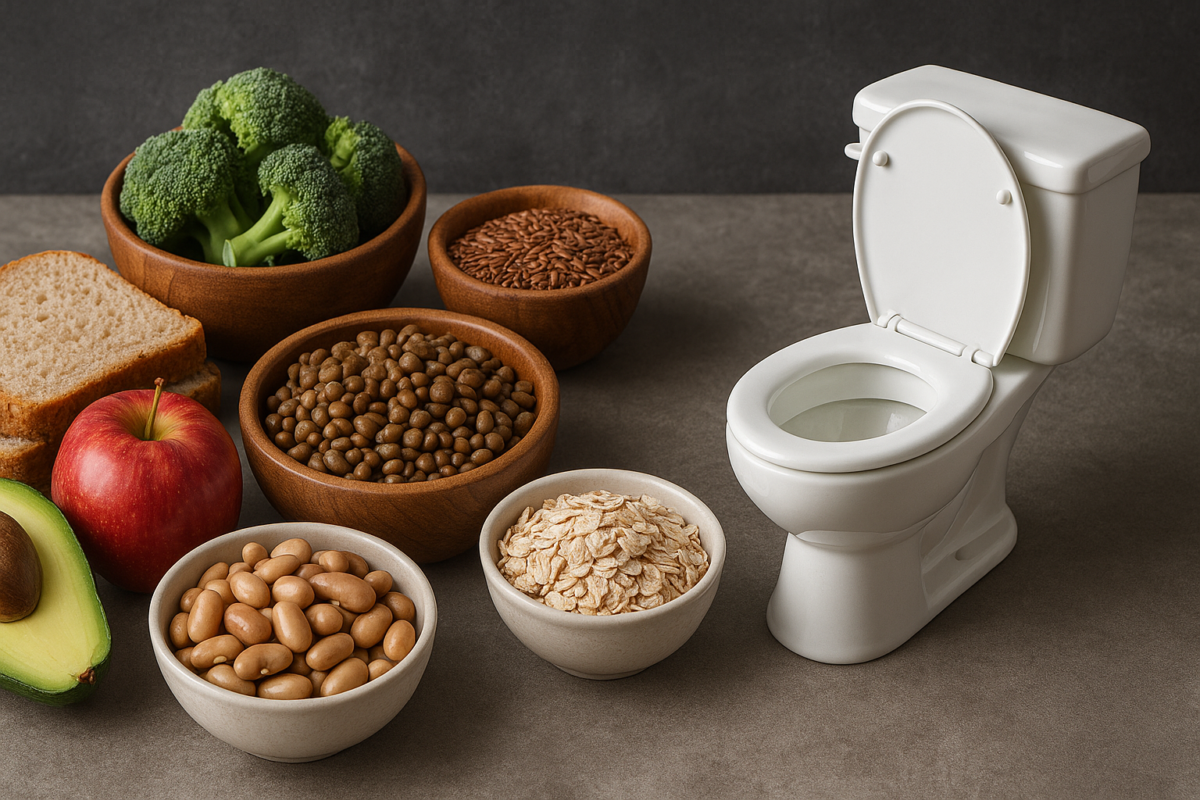
Fiber is widely celebrated as the cornerstone of a healthy digestive system. From heart health to blood sugar regulation, the benefits of a high-fiber diet are well-documented. However, like many things in nutrition, more is not always better. For some individuals, increasing fiber intake too rapidly or consuming excessive amounts can lead to significant gastrointestinal distress and other health complications. Understanding the threshold between optimal fiber intake and excessive consumption is essential for maintaining digestive harmony.
The Role of Fiber in Digestive Physiology
Fiber is a type of carbohydrate that the body cannot digest. It passes through the stomach, small intestine, and colon relatively intact. There are two primary types: soluble and insoluble. Soluble fiber dissolves in water to form a gel-like substance, helping to lower blood cholesterol and glucose levels. Insoluble fiber adds bulk to the stool and helps food pass more quickly through the stomach and intestines. While these mechanisms are beneficial for most, the physical presence of this material requires a healthy, functioning gut environment to process effectively. When the intake exceeds the gut’s capacity to ferment or transport this bulk, the system becomes overloaded.
Identifying the Symptoms of Fiber Overload
The signs of excessive fiber intake are often mistaken for other digestive issues like food intolerances or stress-related upset. Common symptoms include persistent bloating, which occurs because the bacteria in the large intestine ferment the excess fiber, producing gas as a byproduct. Other symptoms include abdominal cramping, a feeling of fullness that never subsides, and paradoxical constipation. In severe cases, the bulk of the fiber can actually create a physical obstruction, leading to hard stools that are difficult to pass. If you notice these symptoms shortly after increasing your intake of legumes, cruciferous vegetables, or fiber supplements, your body may be signaling that you have crossed a physiological threshold.
The Impact of Rapid Dietary Changes
The most common culprit behind fiber-related distress is not the fiber itself, but the speed at which it is introduced. The gut microbiome is a complex ecosystem that adapts to the diet over time. When you suddenly jump from a low-fiber diet to a high-fiber one, the bacteria responsible for breaking down these fibers are caught off guard. This rapid transition does not give your digestive tract the time necessary to adjust its enzymatic activity. A gradual increase—adding a few grams of fiber each week—is the gold standard for allowing your gut bacteria to colonize and adapt to the new dietary composition.
Hydration: The Missing Link in Fiber Processing
Insoluble fiber acts like a sponge, drawing water into the digestive tract to keep things moving. Without adequate hydration, this fiber can actually cause the opposite of its intended effect. It can turn into a dense, dry mass that slows down peristalsis, leading to severe constipation and discomfort. Many people who increase their fiber intake fail to increase their water intake proportionally. If you are consuming significant amounts of whole grains, seeds, and skins, you must ensure you are drinking enough water throughout the day to keep the material hydrated and mobile.
When Pre-existing Conditions Exacerbate Sensitivity
Certain medical conditions make the digestive system particularly sensitive to high-fiber diets. Individuals with Irritable Bowel Syndrome (IBS) often find that specific types of fiber, particularly those high in fermentable oligosaccharides, disaccharides, monosaccharides, and polyols (FODMAPs), trigger severe symptoms. Similarly, those with gastroparesis, a condition where the stomach empties too slowly, may find that high-fiber foods stay in the stomach for too long, causing nausea and bloating. If you have been diagnosed with a gastrointestinal disorder, it is imperative to work with a registered dietitian to determine the type and quantity of fiber your system can tolerate.
The Danger of Fiber Supplements
While whole foods are the ideal source of fiber, many people turn to supplements to fill the gap. These supplements often provide a concentrated dose of fiber in a small package, which can easily overwhelm a sensitive digestive system. Psyllium husk, methylcellulose, and other concentrated fibers can cause immediate blockages if not taken with a substantial amount of water. Furthermore, reliance on supplements can sometimes lead to a lack of dietary diversity, as individuals may prioritize the supplement over the nutrient-dense, fiber-containing whole foods that provide other essential vitamins and minerals.
Nutrient Absorption and Fiber Interactions
While fiber helps regulate blood sugar, consuming an extreme amount can interfere with the absorption of essential minerals. Phytates, which are found in many high-fiber foods like grains and legumes, can bind to minerals such as calcium, iron, zinc, and magnesium, potentially inhibiting their absorption. While this is rarely a concern for those eating a balanced diet, it becomes a relevant issue for those consuming excessive amounts of fiber daily. Over-reliance on high-fiber, low-nutrient foods can lead to mineral deficiencies over time, highlighting the importance of variety over pure volume.
Finding Your Personal Fiber Sweet Spot
There is no “one size fits all” recommendation for fiber intake. While health organizations suggest a general target of 25 to 38 grams per day depending on age and sex, your personal tolerance may differ. Start by tracking your current intake to establish a baseline. If you are experiencing symptoms, reduce your intake temporarily to allow your gut to reset, then reintroduce fiber slowly. Focus on a mix of soluble and insoluble fibers, and prioritize food sources over supplements. Listen to your body’s feedback—if a specific food consistently causes discomfort, it is perfectly acceptable to swap it for a more easily tolerated alternative.
The Anatomy of Fermentation: Why Specific Fibers Trigger Gas
Not all fiber is processed equally by the gut microbiome. While we often speak of fiber as a singular entity, the chemical structure of these carbohydrates determines how quickly and aggressively they are fermented by gut bacteria. Resistant starches, found in green bananas, cooked-and-cooled potatoes, and legumes, are highly fermentable. When these reach the colon, bacteria rapidly break them down, releasing hydrogen, carbon dioxide, and methane gases as metabolic byproducts. For individuals with a sensitive digestive tract or a condition like Small Intestinal Bacterial Overgrowth (SIBO), this fermentation happens too high up in the digestive tract or at a rate that overwhelms the bowel’s ability to absorb the gas. This leads to the characteristic ‘distended’ feeling, where the abdomen physically expands due to trapped gas pockets, causing discomfort that can mimic localized pain.
The Hidden Cost of Raw Versus Cooked Fiber
A common mistake among wellness enthusiasts is the assumption that raw is always superior to cooked. However, raw vegetables contain rigid cellulose structures that require significant mechanical and chemical breakdown. When you consume large quantities of raw kale, cruciferous vegetables, or fibrous stalks, you are essentially asking your digestive system to perform heavy labor. Cooking—through steaming, roasting, or boiling—partially breaks down these tough cellular walls, essentially ‘pre-digesting’ the fiber. This process softens the matrix, making the fiber easier to transit through the digestive tract. If you find that your high-fiber diet is causing distress, transitioning from raw salads to warm, cooked vegetable dishes is a simple, effective strategy to reduce the physical burden on your intestines without sacrificing nutrient density.
When Fiber Aggravates Pelvic Floor Dysfunction
The relationship between fiber and stool consistency is often oversimplified. While fiber adds bulk, it also changes the volume and frequency of bowel movements. For individuals dealing with pelvic floor dysfunction or chronic anal fissures, the constant passing of large, bulky stools can exacerbate pain and prevent healing. In these clinical scenarios, a ‘high-bulk’ diet may be contraindicated. Medical professionals sometimes recommend a lower-residue or fiber-restricted diet for patients recovering from anorectal surgery or those with specific pelvic floor issues to reduce the mechanical stress on the tissues. It is a vital reminder that ‘healthy’ is relative to the current state of your physiological health; what is considered a standard recommendation for the general population may be harmful in specific medical contexts.
The Role of Transit Time and Microbiome Diversity
Optimal digestive health is often characterized by a ‘Goldilocks’ transit time—not too fast, not too slow. Excessive fiber can accelerate transit time to the point where the colon does not have sufficient time to reabsorb water and electrolytes, leading to urgency, loose stools, or even malabsorption of fat-soluble vitamins. Conversely, if the fiber intake is excessive but fluid intake is low, the transit time slows significantly, leading to the formation of hard, dry stools. This creates a cycle of ‘fiber-induced constipation’ that many people try to fix by eating *more* fiber, creating a feedback loop that worsens the impaction. Monitoring the consistency and frequency of your stools is more important than hitting a specific gram target on a nutritional label.
Navigating Fiber Sensitivity and SIBO
Small Intestinal Bacterial Overgrowth (SIBO) is a condition where bacteria from the large intestine migrate to the small intestine, where they do not belong. In this environment, any fiber—even the ‘healthy’ kind—is fermented prematurely, leading to severe bloating, brain fog, and abdominal pain shortly after eating. For those with SIBO, the standard advice to ‘eat more fiber’ can be catastrophic, as it essentially ‘feeds’ the bacterial overgrowth. If you notice that your digestive symptoms occur within 30 to 60 minutes of eating fiber-rich foods, it may indicate that the issue is not the amount of fiber, but the location of the bacteria in your digestive tract. This is a critical distinction that requires clinical testing and a low-fermentation diet rather than a fiber-focused one.
Strategic Fiber Cycling for Gut Resilience
Just as athletes cycle their training intensity, your digestive system may benefit from ‘fiber cycling.’ Some people find that maintaining a high-fiber intake seven days a week leads to cumulative fatigue of the digestive muscles and microbiome. Implementing ‘lower-residue’ days—where you prioritize easily digestible proteins, healthy fats, and low-fiber fruits like melons or peeled cucumbers—can provide the gut with a necessary period of rest. This allows the intestinal lining to recover from the constant friction and mechanical stimulation of high-fiber intake. By alternating between higher-fiber days and lower-fiber days, you can maintain the benefits of fiber for metabolic health while minimizing the risks of chronic irritation.
The Biochemical Impact of Fiber on Gut pH
While fiber is essential for the production of short-chain fatty acids (SCFAs) like butyrate, which nourish the colon lining, the fermentation process itself alters the luminal pH of the large intestine. An excessive intake of highly fermentable fibers can lead to an overproduction of these acids, potentially driving the pH level too low. This acidic environment can disrupt the delicate balance of the gut flora, creating an unfavorable habitat for beneficial bacteria that prefer a more neutral environment. When the gut pH drops significantly, it can lead to increased sensitivity of the intestinal wall, manifesting as a stinging or burning sensation during bowel movements. Monitoring for these subtle signs of chemical imbalance is a nuanced way to determine if your fiber intake is exceeding your metabolic capacity to buffer those acidic byproducts.
The Intersection of Fiber and Medications
Fiber is not a neutral substance; it is a chemically active matrix that can physically bind to medications, significantly reducing their bioavailability. This is especially critical for individuals taking thyroid medication, antidepressants, or certain heart medications. The fiber acts like a resin, trapping drug molecules and carrying them out of the body before they can be absorbed into the bloodstream. If you are on a strict medication regimen, the timing of your fiber intake is as important as the quantity. A common clinical recommendation is to separate high-fiber meals or fiber supplements from medication doses by at least two to four hours. Ignoring this interaction can lead to a false perception that a medication is failing, when in reality, it is simply being sequestered by the very diet intended to improve your health.
Mechanical Irritation and the Mucosal Barrier
The intestinal mucosa is protected by a thick layer of mucus, but this barrier can be compromised by the constant mechanical friction of high-insoluble-fiber diets. For individuals with sensitive linings or those prone to micro-tears, consuming large quantities of coarse, insoluble fiber—such as raw wheat bran, unpeeled fruits, or tough fibrous stalks—can be akin to scrubbing the gut wall with sandpaper. Over time, this mechanical stimulation may trigger a mild inflammatory response, leading to increased intestinal permeability. If you experience persistent, low-level digestive discomfort despite having “regular” bowel movements, consider shifting your fiber sources toward softer, more soluble options like cooked squash, peeled potatoes, or cooked oats. This strategy reduces the mechanical toll on the mucosal barrier while still providing the benefits of dietary roughage.
Fiber and the False Sense of Satiety
While fiber is lauded for its ability to promote fullness, excessive consumption can lead to a distorted sense of satiety that may interfere with meeting overall caloric and nutritional needs. When the stomach is constantly distended by a high volume of fiber, it sends persistent ‘full’ signals to the brain. This can inadvertently lead to undereating, particularly in protein and healthy fats, which are essential for muscle maintenance and hormonal regulation. This is a particular risk for athletes or individuals with high metabolic demands who may find their performance suffering because they are physically too ‘full’ from fiber to consume adequate fuel. Recognizing when fiber is suppressing your appetite to the point of nutritional compromise is a vital step in balancing a health-conscious diet with physiological reality.
The ‘Fiber Paradox’ in Weight Management
There is a prevailing belief that more fiber automatically equates to better weight management, yet for some, this backfires due to the resulting bloating and water retention. The abdominal distension caused by trapped gas and the physical bulk of fiber can lead to a significant increase in girth and weight on the scale, which can be psychologically discouraging. Furthermore, the body’s attempt to manage the excess fiber intake can lead to systemic inflammation in sensitive individuals, which may actually stall weight loss efforts by triggering the release of cortisol. If you are increasing your fiber to lose weight but find your waistline expanding or your energy levels crashing, it is time to reassess the volume. Sometimes, a moderate, consistent fiber intake combined with better-quality protein and fats provides more sustainable results than an aggressive, fiber-heavy approach.
Distinguishing Between ‘Digestive Fitness’ and ‘Digestive Abuse’
The concept of ‘digestive fitness’ suggests that a healthy gut should be able to handle a wide range of foods, including high-fiber ones. However, there is a fine line between training your gut to be robust and outright abusing it with fiber-loading. Digestive abuse occurs when we force the gut to process volumes of fiber that exceed its enzymatic and motility capabilities, leading to chronic inflammation and altered bowel habits. A healthy, fit digestive system is one that functions quietly and efficiently. If your diet requires you to constantly manage gas, bloating, or erratic movements, you are likely in a state of digestive abuse rather than fitness. True digestive health is marked by the absence of symptoms, not the ability to consume the highest volume of fiber possible.
Frequently Asked Questions
Q: Can too much fiber cause a bowel obstruction? A: Yes, in rare and severe cases, consuming an excessive amount of fiber without adequate fluid intake can lead to a bowel obstruction, particularly in individuals with pre-existing motility issues or underlying structural abnormalities in the gut. Always consult a physician if you experience severe pain or an inability to pass stool. Q: Does the type of fiber matter? A: Absolutely. Some people tolerate soluble fiber (like oats and fruit pectin) better than insoluble fiber (like wheat bran and vegetable skins). If you are struggling, try identifying which specific types of fiber cause the most distress. Q: How long does it take for the gut to adjust to a high-fiber diet? A: It typically takes two to four weeks for the gut microbiome to adapt to a significant change in fiber intake. If symptoms persist beyond this window, it may be a sign that your intake is too high for your individual physiology. Q: Is it possible to get too much fiber from vegetables alone? A: While rare, it is possible if you are consuming an extremely high volume of raw, high-fiber vegetables. Cooking vegetables can help break down some of the tough cellular walls, making them easier to digest and reducing the burden on your digestive system. Q: Should I stop eating fiber if I have bloating? A: You do not necessarily need to stop entirely, but you should scale back to a level where you are comfortable and then gradually reintroduce fiber at a slower pace. Identifying the trigger foods and ensuring proper hydration are the best first steps in managing bloating.
Related posts:
 Is Kombucha Making Your IBS Worse?
 Soluble vs Insoluble Fiber
 Gut Health for Longer Life
 The Food Intolerance That’s More Common Than You Think
 The Gut-Brain Highway: How Your Stomach Controls Your Mood
 Managing Fiber Intake with IBS
 Foods That Help You Poop
 The Surprising Connection Between Bloating and Vitamin D Deficiency