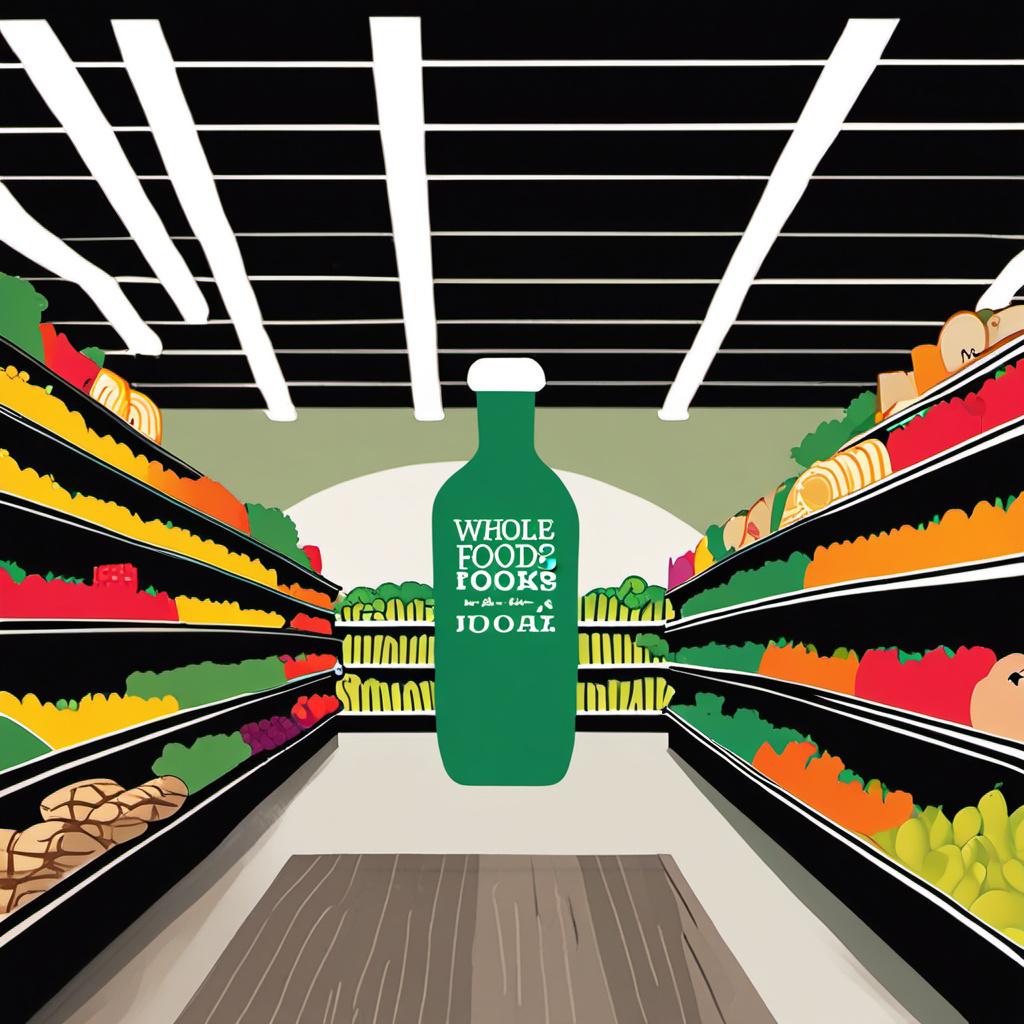
When Amazon announced its acquisition of Whole Foods Market for $13.7 billion in 2017, the retail world felt a seismic shift. For decades, Whole Foods had been the undisputed king of organic, high-end groceries, earning the affectionate yet biting nickname “Whole Paycheck.” Amazon, conversely, was the king of efficiency, data, and aggressive pricing. The marriage of these two giants promised to revolutionize how we buy food. Years later, the dust has settled, and the transformation is profound. From the way we pay for our kale to the very logistics of how that kale reaches the shelf, the “Amazonization” of Whole Foods has touched every corner of the store. This deep dive explores the structural, cultural, and technological changes that have defined this new era of grocery shopping.
Key takeaways
- Use the Amazon Prime app to access exclusive discounts and digital coupons that reduce costs on weekly staples.
- Leverage the 365 Everyday Value private label to secure lower prices on organic pantry items and frozen goods.
- Use the store app's map feature to navigate layouts that are now optimized for logistics and e-commerce fulfillment.
- Visit during off-peak hours to receive better customer service as store staff prioritize high-volume online order fulfillment.
The Integration of Amazon Prime Benefits
Perhaps the most visible change for the average shopper is the deep integration of Amazon Prime. Before the acquisition, Whole Foods had a somewhat fragmented loyalty approach. Today, the Amazon Prime app is the key to unlocking the store’s value. Prime members receive an additional 10% off items with yellow sale signs, along with rotating weekly specials exclusive to members. This move was designed to shed the “Whole Paycheck” image and bring in a broader demographic of shoppers who were already paying for Prime for their household shipping needs.
Beyond simple discounts, the integration extends to the Amazon Prime Rewards Visa Signature Card, which offers 5% back on Whole Foods purchases. This creates a closed-loop ecosystem where the consumer is incentivized to stay within the Amazon universe for both their digital and physical needs. For many, this has made Whole Foods a more viable option for weekly staples rather than a destination for occasional splurges. However, it also means that those who choose not to subscribe to Prime may feel they are paying a “non-member tax,” as the best deals are gated behind the subscription.
The convenience factor has also been scaled through Prime. The introduction of free (and later, fee-based) grocery delivery via Amazon.com and the integration of “Buy with Prime” options have merged the two shopping experiences. You can now browse the Whole Foods inventory from your couch with the same interface you use to buy electronics or books. This shift has turned stores into hybrid spaces: part retail floor, part e-commerce fulfillment center.
The Evolution of Pricing: From Premium to Accessible?
One of Amazon’s first moves post-acquisition was a series of high-profile price cuts on staples like organic bananas, avocados, and farm-raised salmon. The goal was clear: change the perception of the brand. While these initial cuts made headlines, the long-term pricing strategy has been more nuanced. Data-driven pricing, a hallmark of Amazon’s online marketplace, has been introduced to the grocery aisles. This means prices may fluctuate more frequently based on supply chain costs and local competition.
The expansion of the 365 Everyday Value brand has been a cornerstone of this pricing strategy. Amazon has leaned heavily into its private label, often positioning 365 products in prominent eye-level shelf spots. By focusing on private labels, Amazon can maintain higher margins while offering lower prices to the consumer compared to third-party organic brands. For the budget-conscious shopper, this has been a boon, making organic pantry staples like beans, pasta, and frozen vegetables significantly more affordable.
However, critics argue that while the prices of staples have dropped, the cost of specialty and “discovery” items has remained high or even increased. The “price perception” game is complex; by lowering the price of milk and eggs, Amazon creates an aura of affordability that may not necessarily extend to the entire basket. Shoppers are encouraged to look for the “Blue Signs” (Prime deals) and “Yellow Signs” (Sale items) to navigate the store effectively. To shop Whole Foods on a budget today, one must be more strategic than ever, focusing heavily on the 365 brand and Prime-exclusive discounts.
Technological Overhaul: Dash Carts and Just Walk Out
Amazon is, at its heart, a technology company, and it has used Whole Foods as a laboratory for the future of retail. One of the most significant technological introductions is the “Just Walk Out” technology, which debuted in select Whole Foods locations. Using a combination of computer vision, sensor fusion, and deep learning, this system allows shoppers to enter with a QR code or palm scan, grab what they need, and leave without ever standing in a checkout line. The technology automatically tracks items added to or removed from the cart and charges the user’s Amazon account.
For those in stores without the full “Just Walk Out” infrastructure, Amazon has introduced Dash Carts. These smart shopping carts feature a screen and built-in scales and sensors that identify items as they are placed in the bag. This allows for a “fast lane” experience where the checkout happens on the cart itself. Additionally, Amazon One—a palm-recognition service—has been rolled out across hundreds of locations. By hovering their palm over a device, customers can pay and link their Prime membership simultaneously.
While these innovations offer undeniable convenience, they also represent a massive data-collection effort. Amazon now knows not just what you buy, but how you move through the store, which items you pick up and put back, and how long you spend in certain aisles. This data is used to optimize store layouts and personalized marketing. For the consumer, the actionable takeaway is to decide how much privacy they are willing to trade for a faster checkout experience. If speed is your priority, the Amazon One and Dash Cart systems are game-changers.
Centralization of the Supply Chain: The OTS System
Before Amazon, Whole Foods was known for its decentralized management style. Individual store managers and regional “foragers” had significant autonomy to bring in local products and manage their own inventory. Amazon replaced much of this with a highly centralized, data-driven system known as Order-to-Shelf (OTS). This system is designed to minimize backstock by having products move directly from the delivery truck to the sales floor.
The goal of OTS is to reduce waste and lower labor costs, but it has had visible side effects. In the early years of the transition, many stores suffered from frequent out-of-stock items and a perceived decline in shelf-stocking quality. Employees reported that the rigid requirements of the OTS system left little time for customer service or the “art” of grocery merchandising. For the shopper, this means that if a specific niche product is out of stock, it may stay out of stock until the centralized algorithm triggers a reorder.
This centralization also means that the “look and feel” of Whole Foods has become more uniform across the country. While this ensures a consistent experience whether you are in New York or Nebraska, some long-time fans miss the quirky, localized character that used to define different branches. The shift to a more corporate, streamlined logistics model is the engine that allows for Prime delivery speeds, but it has undoubtedly changed the soul of the store’s operations.
The Impact on Local and Small-Scale Suppliers
The shift toward centralization has been particularly challenging for small, local vendors. In the pre-Amazon era, a local jam maker or kombucha brewer could often get their product on the shelves of their neighborhood Whole Foods by speaking directly with a local forager. Today, the process is much more formalized and often requires navigating a national or regional portal. Amazon has also introduced “slotting fees” and required small brands to use specific third-party distributors, which can be prohibitively expensive for a startup.
Furthermore, Amazon changed the rules regarding in-store demonstrations and merchandising. Previously, brand founders could often demo their own products. Now, many of these activities must be coordinated through centralized agencies, adding another layer of cost and bureaucracy for small businesses. This has led to a “merchandising gap” where larger, more established organic brands can afford the fees to maintain their presence, while smaller, innovative brands struggle to gain a foothold.
To support local brands in the current environment, shoppers should look for the “Local” tags on shelves, which Whole Foods still maintains as part of its core mission. However, the definition of “local” has in some cases expanded from a city-wide radius to a multi-state region. If you are looking for truly hyper-local products, you may find that the selection has narrowed in favor of brands that can scale to meet Amazon’s high-volume logistics requirements.
Changes in Store Atmosphere and Labor Relations
The cultural shift within Whole Foods has been one of the most debated aspects of the acquisition. Whole Foods was once a perennial fixture on “Best Places to Work” lists, known for its “Team Member”-centric culture and transparent salary structures. Under Amazon, the focus has shifted toward “Customer Obsession,” a core Amazon tenet. While this is good for the shopper in terms of efficiency, it has led to friction with the workforce.
Changes to health insurance eligibility for part-time workers and the implementation of more rigorous performance tracking have led to unionization efforts at several locations. The atmosphere in the stores has changed as well. Many stores now feel like warehouses, with “shoppers” (employees fulfilling online orders) navigating the aisles with large carts, sometimes outnumbering the actual customers. This can make for a more crowded, frantic shopping experience during peak hours.
For the customer, this change is most noticeable in the level of specialized knowledge available on the floor. In the past, the cheesemongers and butchers were often career experts with deep knowledge of their craft. While many of these experts remain, the high turnover and focus on efficiency mean you may be more likely to encounter a generalist who is tasked with stocking multiple departments. To get the best service, it is often helpful to visit during off-peak hours when staff are less overwhelmed by the demands of the e-commerce fulfillment side of the business.
Store Layout and the Rise of E-commerce Fulfillment
If you feel like your local Whole Foods has become more cramped, you aren’t imagining it. Amazon has repurposed significant portions of store footprints to serve as micro-fulfillment centers. This includes the installation of Amazon Hub Lockers for package pickups and returns, as well as dedicated staging areas for delivery drivers. In some stores, entire aisles have been narrowed to accommodate the flow of professional shoppers picking items for Prime Delivery.
The “Amazonization” of the physical space also includes a shift in how products are displayed. There is a greater emphasis on “end-caps” and promotional islands that mirror the “Frequently Bought Together” algorithms found on the Amazon website. The store layout is increasingly designed to facilitate a quick “in and out” trip rather than the leisurely browsing experience that the brand once promoted. Even the cafe areas, once vibrant community hubs, have in many locations been reduced or replaced with more shelf space or delivery prep stations.
Actionable Guidance: To navigate this new layout, utilize the Whole Foods app’s “Store Map” feature where available. It can save you time in stores that have been reorganized to prioritize logistics over traditional flow. Additionally, if you are using the store for Amazon returns, check the app first; often, you can drop off an unboxed return at the customer service desk, making it a convenient “two birds, one stone” trip.
Quality Standards: Has the “Organic” Mission Shifted?
A major concern for loyalists was whether Amazon would dilute Whole Foods’ famously strict quality standards. To date, the list of 230+ banned ingredients—including high-fructose corn syrup, hydrogenated fats, and artificial colors/flavors—remains in place. In fact, Whole Foods has even expanded some of its standards, particularly regarding animal welfare and sustainable seafood. Amazon seems to recognize that the brand’s value lies in its reputation as a trusted curator of healthy food.
However, while the ingredients remain “clean,” there is a debate about the quality of fresh produce and meat. Some consumers have noted a shift toward more pre-packaged produce and a reduction in the variety of heirloom or specialty varieties. This is a byproduct of the centralized supply chain; it is easier to manage the logistics of a standard organic Gala apple than a fragile, locally-grown heirloom variety. The 365 brand has also moved into more “conventional” organic territory, offering products that are organic but not necessarily “artisanal.”
For the discerning shopper, the takeaway is that the floor for quality remains high, but the ceiling for “extraordinary” or “rare” finds may have lowered. You can still trust that what you buy is free of the most harmful additives, but you may need to visit a local farmer’s market if you are looking for the absolute peak of seasonal, local diversity. Whole Foods under Amazon has become the ultimate “reliable” grocer, prioritizing consistency and safety over the thrill of the culinary unknown.
The Standardization of Prepared Foods and the Culinary Shift
One of the most significant, yet often overlooked, transformations under Amazon’s stewardship is the overhaul of the Prepared Foods department. Historically, Whole Foods was celebrated for its “scratch-made” philosophy, where in-store chefs had the creative freedom to develop daily specials, unique salads, and regional comfort foods. Today, the department has shifted toward a highly standardized, commissary-driven model. This change was designed to ensure consistency across thousands of locations, but it has fundamentally altered the “foodie” appeal of the hot bar and salad bar. Many items that were once prepared from raw ingredients in the back of the store are now delivered pre-cut, pre-marinated, or entirely pre-assembled from centralized regional kitchens.
For the regular shopper, this means the balsamic-glazed Brussels sprouts in a Seattle store will taste identical to those in a Miami location. While this consistency reduces the risk of a “bad batch,” it has also led to a perceived homogenization of the culinary experience. The “Chef’s Case,” once a display of artisanal culinary skill, now features more standardized kits. This shift is a direct result of Amazon’s focus on scalability and labor efficiency. By moving the heavy lifting of food preparation to off-site facilities, Amazon has reduced the need for highly skilled (and high-cost) culinary labor on the retail floor. To get the most out of the modern prepared foods section, shoppers should look for the “Made in House” labels, which are increasingly rare and usually reserved for high-turnover staples like guacamole or basic sandwiches.
Edge cases in this transition include the “Venues” programs—mini-restaurants or food stalls within stores. Under Amazon, these have moved away from experimental local partnerships toward more reliable, corporate-vetted concepts. If you are looking for the creative, boundary-pushing vegan or keto dishes that once defined the Whole Foods hot bar, you may find the current selection feels more like a “greatest hits” collection designed to appeal to the widest possible demographic. The move toward pre-packaged “Grab and Go” meals also reflects this; the square footage once dedicated to custom sandwich stations is frequently being reclaimed for refrigerated cases of pre-made wraps, optimizing for the customer who values speed over customization.
The Dissolution of Regional Autonomy and the Austin-Seattle Axis
Before 2017, Whole Foods operated as a collection of semi-autonomous regions. Regional presidents and buyers had immense power to curate their stores to reflect local tastes, which is why a store in the Pacific Northwest felt distinctly different from one in the Mid-Atlantic. Amazon has systematically dismantled this decentralized structure, consolidating purchasing power into the headquarters in Austin, Texas, and integrating it with Amazon’s global operations in Seattle. This centralization is the invisible hand behind the store’s increased efficiency, but it has come at the cost of regional diversity.
This shift has profound implications for how products make it to the shelf. In the past, a local cheesemonger in Vermont could pitch a small-batch cheddar directly to a regional buyer and see it on the shelves of twenty nearby stores within weeks. Now, that same producer must often navigate a centralized “Category Management” system. This system prioritizes brands that can guarantee high-volume supply across an entire territory, if not the whole country. Consequently, the “treasure hunt” aspect of shopping at Whole Foods—where you might discover a hyper-local honey or a niche regional soda—has been diluted. The shelves are now dominated by brands that have the infrastructure to meet Amazon’s rigorous logistical and data requirements.
From a practical standpoint, this means that if you are a fan of a specific local brand, you can no longer assume it will be available at Whole Foods just because it is made nearby. Shoppers who value local sourcing should pay close attention to the “Local” signage, but also be aware that the definition of “local” has been broadened. In many cases, a product is considered local if it is produced within the same multi-state region, rather than the same zip code. This centralization ensures that the 365 Everyday Value brand is always in stock, but it makes the store less of a community-focused market and more of a high-end national chain.
The “Whole Body” Department: Data-Driven Wellness
The Whole Body department—home to supplements, vitamins, and natural beauty products—has undergone a quiet but intense data-driven revolution. Amazon has applied its e-commerce analytics to this high-margin section of the store to determine exactly which supplements earn their keep on the shelf. This has led to a “survival of the fittest” inventory strategy where slow-moving, niche herbal remedies are frequently replaced by high-velocity items like collagen peptides, protein powders, and trending skincare ingredients like hyaluronic acid or vitamin C serums.
One of the most visible changes in this department is the introduction of the “Amazon Choice” or “Top Rated” ethos. While you won’t see those exact digital badges on the physical shelves, the inventory reflects what is performing well on Amazon.com. There is a growing synergy between the online marketplace and the physical store; if a natural sunscreen becomes a bestseller on Amazon, it is far more likely to receive premium shelf space at Whole Foods. This creates a feedback loop that benefits established national brands but makes it harder for small, innovative wellness startups to gain traction without first proving themselves in the digital arena.
Furthermore, the level of in-aisle expertise has shifted. In the pre-Amazon era, Whole Body employees were often specialists with deep knowledge of herbalism or nutrition. While many knowledgeable staff remain, the role has increasingly moved toward inventory management and stocking. For the consumer, this means that while the safety and purity standards for supplements remain the highest in the industry (Whole Foods still bans over 100 ingredients common in other stores’ beauty products), you may need to do more of your own research before arriving. The department is now optimized for the “informed self-shopper” who knows exactly what they want based on online reviews, rather than the “discovery shopper” seeking a consultation.
Sustainability Paradox: The Climate Pledge vs. E-commerce Waste
Amazon has used Whole Foods as a flagship for its “Climate Pledge,” aiming for net-zero carbon by 2040. This has resulted in several positive environmental shifts within the stores, such as the elimination of plastic straws, the introduction of more robust composting programs, and the transition to electric delivery vans. However, the rise of Prime delivery has created a “sustainability paradox.” The convenience of having groceries delivered in two hours comes with a significant increase in packaging waste, specifically the heavy-duty paper bags, cardboard dividers, and silver thermal liners used to keep perishables cold during transit.
For the eco-conscious shopper, this creates a dilemma. While the physical store encourages the use of reusable bags and bulk-bin shopping (which has been scaled back in some locations but remains a core feature), the e-commerce arm of the business is inherently more resource-intensive. Amazon has attempted to mitigate this by making much of the delivery packaging recyclable, but the sheer volume of material generated by a single grocery order is a stark contrast to the “zero-waste” aspirations of traditional Whole Foods loyalists. To minimize your footprint, the most effective strategy remains in-person shopping with your own bags, or utilizing the “Amazon Day” delivery option to consolidate orders into fewer trips.
Another subtle change is the introduction of the “Climate Pledge Friendly” badge on shelf tags. This is a digital-physical hybrid initiative where products that meet certain third-party sustainability certifications (like Fair Trade or Rainforest Alliance) are highlighted. This makes it easier for shoppers to identify truly sustainable products amidst a sea of “green-washed” marketing. However, the irony remains that these products are often sitting next to the massive staging areas for delivery orders, where plastic-wrapped pallets and single-use packaging are the tools of the trade. The tension between the “Organic/Sustainable” brand identity and the “Fast/Efficient” Amazon logistics model is most visible here.
Whole Foods as a Hardware Showroom and Service Hub
The physical footprint of Whole Foods has been increasingly co-opted to serve as a showroom for Amazon’s hardware ecosystem. It is now common to find a dedicated section for Echo smart speakers, Kindle e-readers, and Fire TV sticks nestled between the floral department and the specialty cheese. This is a strategic move to get Amazon’s physical products into the hands of a demographic that values premium tech. By placing these devices in a high-traffic grocery environment, Amazon demystifies the technology and encourages impulse buys that might not happen online.
Beyond hardware sales, the stores have become essential service hubs for the broader Amazon ecosystem. The Amazon Hub Lockers and the unboxed return counters have turned Whole Foods into a high-frequency destination for non-grocery needs. This is a “halo effect” strategy: a customer who comes in to return a pair of shoes is likely to pick up a rotisserie chicken or a bottle of wine on their way out. This has increased the foot traffic in stores significantly, but it has also changed the “vibe” of the entrance. What used to be a space for community bulletin boards and local event flyers is now often a high-tech kiosk area for package management.
For the consumer, this integration offers unparalleled convenience, but it also means navigating a more “utility-focused” environment. If you want to avoid the congestion caused by these service hubs, look for the entrance furthest from the Amazon Lockers. Additionally, keep an eye out for “Prime Member Deals” on Amazon hardware; during events like Prime Day or Black Friday, Whole Foods often offers the lowest physical-store prices on Echo and Fire devices, sometimes bundled with grocery credits. This cross-pollination is the ultimate expression of Amazon’s goal: to make Whole Foods not just a place to eat, but a mandatory stop in the modern consumer’s daily workflow.
The Algorithm-Driven Shelf: The End of the “Long Tail”
In the world of retail, the “long tail” refers to the large number of niche products that sell in low volumes. Pre-Amazon, Whole Foods was a haven for the long tail, stocking obscure ingredients that you couldn’t find anywhere else. Under Amazon’s data-driven management, the shelf has become much more competitive. Amazon uses “velocity data”—a measure of how quickly a product moves off the shelf—to make real-time decisions about what stays and what goes. If a niche organic mustard isn’t hitting its weekly sales targets, it is quickly purged in favor of a more popular 365 Everyday Value alternative.
This has led to a “curation by algorithm” that prioritizes efficiency over variety. While the store still carries thousands of items, the diversity within specific categories has narrowed. You might find ten types of organic almond milk but only one type of obscure heirloom grain. This is a direct application of Amazon’s online marketplace logic to a physical space where “shelf real estate” is the most limited resource. For the shopper, this means that your favorite niche product is at constant risk of being discontinued if it doesn’t maintain a high sales velocity. If you find a product you love that is a bit “off the beaten path,” the best way to keep it on the shelf is to buy it regularly; in the Amazon era, your purchase is a vote that the algorithm counts.
This data-centric approach also influences the “End-cap” displays (the shelves at the end of the aisles). These are no longer just seasonal suggestions; they are often the result of complex co-marketing agreements and data analysis showing which items are most likely to be “cross-sold.” If you see a specific brand of organic chips next to a specific salsa, it’s likely because Amazon’s data shows that Prime members frequently buy those two items together. The store is being “merchandised by the numbers,” creating a shopping experience that is highly optimized but perhaps less serendipitous than it once was.
Whole Foods vs. Amazon Fresh: The Two-Tiered Grocery Strategy
Since the acquisition, a common question has emerged: why does Amazon have both Whole Foods and Amazon Fresh stores? The answer lies in a sophisticated two-tiered market strategy. Amazon has positioned Whole Foods as the “Premium/Aspirational” tier, while Amazon Fresh serves as the “Value/Tech-Forward” tier. This allows Amazon to capture two different types of shoppers: those who prioritize organic standards and a high-end experience, and those who prioritize low prices and the “Just Walk Out” technology without the “Whole Paycheck” price tag.
This distinction is important for the shopper to understand. Whole Foods will likely never have the rock-bottom prices of a conventional grocer because its brand equity is tied to its strict ingredient standards. Amazon Fresh, however, carries conventional brands like Coca-Cola or Tide, which are banned at Whole Foods. By maintaining both brands, Amazon can dominate the grocery sector without diluting the Whole Foods “Organic” promise. You will notice that Prime benefits are more aggressive at Whole Foods to justify the higher base prices, whereas Amazon Fresh relies on low everyday pricing to compete with stores like Kroger or Walmart.
FAQ
1. Do I need an Amazon Prime membership to shop at Whole Foods?
No, you do not need a Prime membership to shop at Whole Foods. Anyone can walk in and purchase groceries. However, without a membership, you will not be eligible for the 10% discount on sale items or the exclusive “Prime Member Deals” marked with blue signs. If you shop at Whole Foods regularly, the savings from a Prime membership can often offset the cost of the subscription, but it is not a requirement for entry.
2. Can I return Amazon.com purchases at Whole Foods?
Yes, most Whole Foods locations now serve as Amazon return hubs. In many cases, you do not even need to box your return or print a label. You simply show a QR code from your Amazon account to the employee at the designated return counter or customer service desk. This has become one of the most popular features of the acquisition, providing a convenient way to handle returns while doing your weekly grocery shopping.
3. Has the quality of the food decreased since Amazon took over?
Technically, the quality standards (the “Banned Ingredients” list) have not changed and remain some of the strictest in the industry. However, the shopping experience and the variety of products have evolved. Because of the centralized supply chain, some customers feel that the produce isn’t as fresh as it used to be, or that there are fewer local options. While the safety and ingredient integrity remain high, the “artisanal” feel of the products has, in some cases, been replaced by more standardized, mass-produced organic options.
4. How do the “Just Walk Out” and “Amazon One” systems work?
“Just Walk Out” uses overhead cameras and shelf sensors to track what you pick up. You enter the store by scanning your Amazon app or your palm (if registered with Amazon One). When you are done, you just walk out the door, and your Amazon account is automatically charged. “Amazon One” is specifically the palm-scanning technology that links your biometric signature to your Amazon account for both payment and Prime membership verification. Both are optional; traditional checkout lanes with cashiers are still available in all stores.
5. Why are there so many delivery shoppers in the aisles now?
One of Amazon’s main goals was to integrate Whole Foods into its Prime Now and Amazon Fresh delivery networks. This requires a large staff of “in-store shoppers” who pick and pack orders for customers who purchased online. Because these shoppers are on a strict timer to ensure fast delivery, they can sometimes make the aisles feel more crowded. To avoid the rush, try shopping early in the morning or later in the evening when the volume of online orders is typically lower.
Related posts:
 Amazon’s New Meditation Podcast
 NYC’s Healthiest Meal Delivery Services That Actually Taste Amazing
 Amazon Opens Instant Pickup Points Near You
 Amazon Prime Now Delivers Whole Foods to Your Door
 The 2018 Dirty Dozen List That Will Change How You Shop for Produce
 Essential Healthy Grocery List
 Amazon’s Chic Home Decor Collaborations
 How Millennials Are Quietly Revolutionizing the Entire Food Industry